1 free read left. Create a free account for unlimited reading + AI research.
Create free account
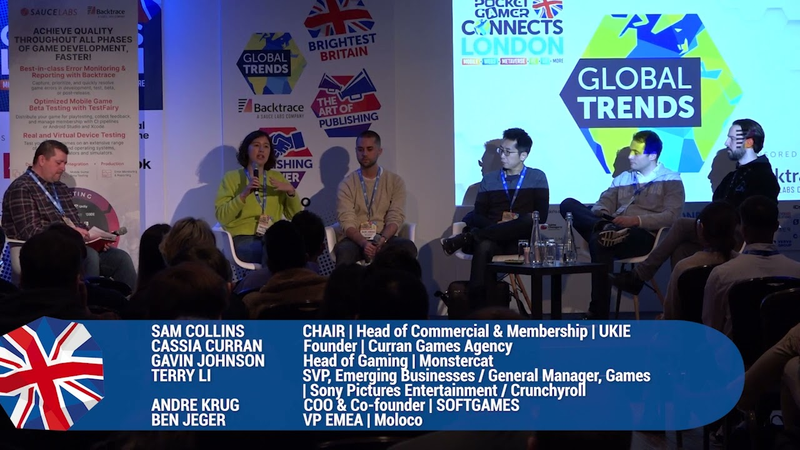
Panel: Go Big or Go Home: From Indies to Big Conglomerates....
Key insights
6 takeaways- 01Strategic success now depends on balancing rapid technological adoption—such as using AI for ideation and testing—with a commitment to developer-led storytelling.
- 02While AI accelerates technical workflows, the market is increasingly valuing authentic, human-led creative vision as the primary driver for competitive differentiation.
- 03The industry is shifting toward a model where games act as primary narrative engines for broader intellectual property strategies, prioritizing cross-platform accessibility and frictionless engagement.
- 04There is clear industry momentum toward interconnected virtual spaces, though achieving true interoperability remains a significant hurdle due to the complexity of balancing disparate game economies.
- 05Current sentiment remains skeptical of blockchain-based digital ownership, though studios acknowledge that future generations will likely demand greater portability and preservation of virtual assets.
- 06AI is functioning as a critical catalyst for production efficiency, enabling smaller studios to generate high-quality assets and lower the barrier to entry in a saturated market.
Ask AI about this video
Transcript
foreign [Music] [Applause] so the next panel is called go big or go home from Indies to Big conglomerates how companies are dealing with the latest gaming trends so get asked our panelists Sam Collins cassia Karan Gavin Johnson Andre Krug Terry Lee and Ben Yeager to join the stage so welcome and thank you for uh persevering with us coming back to another panel here at Pocket Gamer connects London 2023 I assume someone did that earlier
I like doing that uh and welcome to this panel entitled I'm going to read it out that might be half of our time uh go big or go home from Indies to Big conglomerates how companies are dealing with the latest gaming Trends now as you can imagine I was filled with Dread when I was given such a broad topic to go through however help is on hand because we have here a collective group of individuals with unique and different perspectives and backgrounds at least that's what it says here so let's go big and Dive Right In so I'm going to get you all first to just do a very short introduction on who you are so who you work for what your particular areas of interest I'm going to start with you Kelsey because you're closest okay let's check the mic if anyone's speaking and you can't hear them wave at me or we'll get them to move the microphones a little bit closer okay take it away so hi I'm cassia Curran I'm founder of current games agency my background is in business development at companies such as Netties and jagex and investment in
funds such as wings but what I am focusing on right now is helping indie game studios particularly in the VR space with business development and business strategy hey everyone I'm uh Gavin I'm the head of gaming at the independent EDM record label Monstercat primarily my my role is heading up all of our music licensing and Partnerships with my I've been there for 11 years so my entire career has been primarily around the intersection between music and gaming at the company fabulous thank you Terry hey yo I'm Terry Lee I'm the St SVP of emerging businesses at Crunchyroll which encompasses games Business Development and e-commerce I'm also the GMO control games and control is a Sony Pictures Entertainment Company and prior to that I was the head of China publishing at Riot games
right um hey everyone I'm Andre I'm CEO and co-founder of soft games we're an instant games company we're one of the top Crossing partners for Facebook on instant games around about 120 people um remote first and I'm happy to be here and you didn't mention your base in Berlin just like me that's the same way um I've been in this space for about 10 plus years started at the company that was called sponsor pay now fiber now part of digital turbine and then spent the last seven years at apps flyer and now I'm at Moloko [Music] running with the help of amazing people the emea business and Moloko is known to most as a performance DSP so we help app marketing managers to drive user acquisition and user retention amazing thank you very much and I'm Sam
from Yuki we're the trade Association for video games an interactive entertainment in the UK feel free to check out our website and I'll be here all day if you want to catch up with me so we have representatives from from Europe from Berlin from North America and from Wimbledon is that right yes I remember okay um now wherever you are in the world and indeed as you walk around the halls and the floors out there and have meetings there's something which will keep coming up in conversations and that is artificial intelligence AI we're going to have a quick go at that it's good job you've got the microphone Ben because I'm coming to you first so lucky you so um just just tell us what impact do you think AI is going to have on our on our sector the collective sectors that we represent and how are you embracing that technology so um thank you so we are a machine Learning Company that's what we originally were named mlc um and therefore a artificial intelligence is at the core of of what
we do and we use it to drive um we user acquisition and try and find the users but really what is interesting which is everyone is talking about chat GPT out there is the next evolution of generative Ai and I think um what is particularly interesting is um using generative AI for Creative production and I think that's something that we'll see um really develop over the next year and years to come and the topic that I think everyone should be aware of and investing in and um and it at least in terms of time spent yeah that's really the big thing that I can see well you've set the scene up perfectly there now we're going to go into some of that detail and so Andrew what do you what's your view on AI and it's it's a future opportunity I think
most important what everybody should be aware is that AI is not going anywhere so we actually had like a lot of discussions internally also in the company there are a lot of people who are afraid of AI especially those who are creating assets um unfortunately um but at the end of the day as I said like AI is not going anywhere it will expand it will become a normal thing of Our Lives um and I think also for AI it's the first time that the power is given to the ones who are creating something rather than executing right so if someone has a great idea they always needed someone to transform this idea to draw something to scribble to animate whatsoever and this is going away that's that's the fact um also we have to be aware that at the moment with everybody talking about chat GDP this is built on gpt3 this is using around about like 175 million or billion sorry parameters now
gpt4 is coming up and this will be released somewhere in q1 Q2 this year and it will use 100 trillion parameters so to put this into perspective this is like if you are making a cup of coffee versus if you're running a Starbucks series of of branches and so I think for for anybody in the gaming industry in the creative industry there will be massive changes and any company no matter if smaller medium size or big they have to adapt they have to use this as a tool in order to stay competitive and also to yeah to keep up with the competition does that worry you at all Gavin or the the need to keep up with this how what are you what's your view on AI uh yeah I mean we're uh we don't have any direct implementations of it yet uh but we do have a pretty short to long-term view of what uh that could look like uh we're finding it to be pretty complementary uh and it's
something that will definitely be a part of our our workflows in the near and long-term future uh to give some direct examples as to what we're thinking of is particularly in the music industry I mean our job is to particularly in my department is to service games the best we can to provide the best and accurate audio that the game developer or publisher is looking for the lowest hanging fruit could be something as simple as hey we need to move this drop of a song by five seconds or we need this particular stem or vocal to be cut out a lot of it is dependent on the artist and their involvement which an artist could be touring the whole year they don't think we can't get a hold of them to mix the record or edit it so we could just have an AI ad tool just to do that and fulfill what the client needs but then in the long term what we're thinking about is that at Monstercat we have 8 000 records and we have the stems we have the rights to the records we could be adjusting music or creating new
works based on the client's needs as well so it's like hey I want this Drummond Bass song where I love the vocal we love the artists we wanted to be a part of this project but I want it in Lo-Fi and we could go and take that drum and bass record and make it Lo-Fi without anybody's involvement and then be scaling up the amount of projects that we're working out in gaming with so we find it to be very complementary and it provides more services that we can provide to to our clients I was coming to you anyway I don't need the project I know I think um so when I'm working with them and I'm using AI already we're not working with them so uh when uh indie game studio is making a pitch deck for a publisher for example and they don't have the resources uh the financial resources to hire a concept artist they are often
using AI was great great results uh to develop yeah concert art for to give a understanding to the Publishers to investors of what kind of art style what kind of vibe they're going for leggings on the plaintiff love and for me I'm sometimes I'm like how do I describe this game I've got this set of genres or the genre mash and I'm trying to help them with the marketing copy of their of the games and shoot two Publishers and investors might be like check DVT give me some inspiration here but that having said um there's a few things that I'm thinking about right now where in terms of drawbacks so in terms of first of all with development I'm thinking about copyright issues down the line you know what are they there's I don't know whether legislation can really keep up with the pace of using AI Tools in development of games but I'm sure it
will come down the line it might cause some problems and I'm sort of thinking about that ahead of time and then on the other side um the quality of what comes out you always have to curate it you always have you can't just use it as is but it can cut out a bunch of time uh so I'm just steaming yes it will make uh game development uh faster but there's but you think about games it's very much a Winner's takes all market so to get to the top quality I don't know whether AI can really get you to the top quality needed and whether you can really uh news the AI tools without having to pay some something somewhere yeah yeah but I think what he said is really a valid point because um what we've seen in the in the latest years or since decades now that it needed bigger and bigger teams to create really good mobile games and I think this is now with AI
um I mean I have this one guy subscribed on on Tick Tock for example and this is one single guy and he develops within an afternoon like a brand for a clothing you know for for women's whatever and he shows like how he's using chat GDP how is you using all the different AI tools for Community Management and whatsoever to within one afternoon create a brand where otherwise it would take an agency usually weeks or whatsoever because this whole creative process it takes time and time and time so I do think what we will see is actually more power to those independent developers because they can do so much more with so much little resources at least for now until all the prices kick in for chat GDP Etc yes I mean what products actually you're going to see a bit of a flood of sort of mid quality art right so but then you know I think then consumers will have a reaction to that in the sort of medium term they'll start learning what is AI generated and already learning you know I'll just look at the hands they don't make the hands correctly um I think that uh there will become
even more of a premium upon like the really top quality artists perhaps who can make something that is really new and distinctive uh and outstanding because AI you know it's drawing from the existing data set so and it really it can iterate really well I can create really like beautiful looking art for example but can they create something that is super new super like interesting looking are you see actually in the Indie Games Market um there's certain types of games which do really well because they have really interesting unique art styles so like greases for example Sable is another example um the key the key USP is that they're beautiful interesting distinctive unique art and AI I'm not sure I can really hit that um but it can create a lot of content very fast so yeah but do you have any do you think the end user can differentiate
between normal art and AI generated art I would say no for the end User it's basically hey he either looks at something he likes it or he doesn't like it and it doesn't matter so much if it's you know created from a human mind or from an AI art so yeah I think you might end up having a bit of a split between the sort of casual and uses so casual players will not care they really will not care but the players that are really into Triple A games like the top quality stuff they kind of you know they have their identity as people who played like the best quality games they'll probably put a premium on sort of non-ai because of the association of being cheap I think in the in the medium term um and also for Indie Games as well there's if you're a player of indie games and often it's like yeah I play Cool indie games and you have like a almost like a parasocial relationship with a developer of the Indie Gamers and you sort of know who that person is um and so I think that uh that the AI is
going to have more impact upon casual than it's going to be very widespread in casual games but not so widespread in the more kind of sophisticated um more art-driven creatively driven uh very Human Side of game development of let's say AAA and the inside um perhaps that's my theory right now yeah I I think that I would go back to what Andrew mentioned about where we are now with uh gpt3 versus gpd4 I think we're going to see Leaps and Bounds um and I think it's going to be very difficult to distinguish what a person created versus a machine but will will sit here maybe next year and have that conversation again and either of us will be right I think what's interesting also you mentioned about the fear that people have I think as long as you consider yourself someone
who has ideas and is able because of your experience to to be able to judge what somebody is producing then I think you are in a fantastic place so then you don't have to approach this from from a fear-based perspective you need you should be very optimistic about the future and how it can help you bring those ideas to life in a much more efficient scalable way and you can iterate faster and you can really uh I I think get to better results than you could have ever dreamed of previously so if if your world is purely execution um then potentially that's that runs the risk of of going away so just purely executional work I think um in the long term is something that is will be done by machines but ideation
and feedback loop I think is is really uh where humans and experience currently is very very valuable now we did discuss them it's a great panel when I can just throw one question out and then 40 minutes is dealt with but it's not all about AI women we're talking about broader Trends and lots of different things so thank you for those thoughts but we're going to move on to I mean it's all related isn't it let's be honest um and we've we've got a room full of creatives here today and creating IP is at the heart of their work I'm really interested in exploring the connection between games and other creative Industries and uh and how IP could perhaps move across different platforms and Terry this is uh there's a question for you been very quiet so far very disciplined there in the middle thank you um now you work with lots of Ip owners a Crunchyroll so um how are you seeing IP develop and what role does games have in sort of amplifying and broadening the reach to different audiences yeah I think that's a great question I
think that's been a trend that's been developing over the last few years but um I you know I think from control's perspective having been in the media and streaming space for so long and getting into games we're really seeing games as a narrative device now for expanding IP and broadening IP so what I mean by that is you know historically you have a lot of ips that go into film or television and then they replicate that storyline into the game and they use basically use the game to tap the same audience now what we're seeing more and more is using games as an amplification device extending that storyline that has nothing to do with the original Ip in the in the format of television or film and using that to really drive towards new audiences using games as a way to tackle people who would have never watched this show or series before and um creating original storylines that creates a basically a feedback loop with the film and television itself and that huge amplification of IP
really really powerful to the point where you don't just have you know game companies getting into this of course we've seen major media companies Netflix Disney all getting to this using what shows they have as an IEP to develop into games and feedback into the into the show itself and so this is a pretty broad kind of trend I see that's very lucrative for creatives and and IP owners uh thank you uh Gavin do you have a view on this what do you think of that sort of is games taken over the world with all of this bringing this IP in uh definitely uh it's been quite remarkable uh for Monstercat um at the company we have the mascot which is the Monstercat uh and with that we've been developing why aren't you dressed up as the Monstercat I should be we got a helmet I should have brought in maybe I don't think Customs would have liked it but uh um yeah we have the mascot for Monstercat which is quite iconic it was it's what differentiates us as a as a record label from others we've also been actively developing something called The
Lost Civilization which is sort of the world uh that Monstercat is in and our we have a sub labels called uncaged Instinct and silk which they live and breathe within this Lost Civilization we developed a language for it a lot of various like uh representations of culture and whatnot through these biomes but with that we've been able to not only package the Monstercat but package the Lost Civilization uh within various titles so we have long-term uh Partnerships with our music and brand with rocket League beat saber we've launched our own Roblox experience we've done battle passes within Smite and paladins with high-res Studios where we've been able to build these really compelling uh experiences we were able to dive into the Lost Civilization and with the Monstercat and being able to implement our artist IP additionally Within These worlds that we've built at
Monstercat and it's been able to provide another level of Engagement for the user to really dive into collect use within these titles especially with the songs as well where the stems of the songs are like the ability sounds when you cast your ultimate and we're doing like announcer packs and things like that so beyond just the music itself or the the cat we've been able to build these like very robust experiences that we package across titles which has been incredibly successful for us essentially um so yeah recommend that so global domination of the Monstercat let's go check it out afterwards that's that's always the goal it's always the goal and from a developer perspective or a creative developer as a game Studio Cassie what do you think of the opportunities in looking at different platforms different routes to Market coming on from the IP side I see [Music] that that I begins which have IP attached to them turn to outperform ones
that don't so they anything and there's a theory behind that is that you know players can instantly understand what the game is or they have like some sort of like reference already so very strong is marketing um but you're seeing not just IP crossing over you're also seeing uh different platforms getting some different platforms crossover so Among Us has crossed into over to VR and then other way arounds like so rec room is a sort of VR first game Studio game and that's crossed into Mobile extremely successfully and you're seeing more and more these days um games that are not focused on one particular platform but actually are targeting multi-platform from the get-go so yes we're having a less of a kind of um uh like like less of like a sort of pending
groups which don't mix you have seen lots of mixtures in between like from IP to to different platforms and there's new platforms every year so those opportunities just grow don't they yes that's right and it's quite questions need to have content and so how do they get uh Studios to make content for them they pay the studios and then often those Studios can just bring it out to existing more developed platforms so so and get Revenue sales from there so it's a great way for new Studios to get some leverage no homie making money out of getting your content across all platforms sounds perfectly reasonable to me and um a lot of the conversations that we've had here looking at this in quite high level I'm gonna I'm gonna seamlessly move us into the the metaverse if we're up for that just for a little bit um Ben I'm gonna put you on the spot here if that's all right and give you
the microphone now um we've all heard of the phrase the metaverse and we all nod as if we fully understand what it is um but maybe that's the beauty of it that it means so many different things to different people but what's um what does it mean to you and how do you think it presents opportunities for for companies in the future as we look at these trends yeah I wouldn't uh call myself an expert on on the metaverse so I'll I'll also defer to some of my colleagues here on stage um but I think uh there needs to be a distinction first of all between web 3 and metaverse and those terms get muddled up quite a bit the metal verse to me is a cross platform internet and um right now we see uh Virtual Worlds um as as one function of the metaphors
and I think um this is something that is very promising still but uh we have yet to see um much grander application of it so uh I I I think um I I'd love to hear the opinion of my colleagues and and them sharing a bit more about how they see these worlds developing well let's let's move it over to Andre then so that's uh put him on the spot we're going to take it in terms and just hand this around but um feel free to come back and disagree with them then at any point if you feel you need to um I mean realistically I think the metaverse is still another 10 years ahead if it will ever happen um and most of the question if this will happen because a lot of people are talking about the metaverse nobody really has a clear view how it will be yes I might be able to share my avatar across 15 different games all platforms
whatsoever but the question is like do people actually want this you know do people want to play with a VR headset AR glasses whatsoever or do they just want to sit on the bus play their Candy Crush or any of soft games titles obviously um rather than you know bringing too much engagement into this rather short gaming session and that's what we're seeing in the mobile gaming industry as a general thing that sessions are becoming shorter because what is the most limited resource it's time right or or time span I can I can focus on something so um from my perspective um yes there will be more cross-platform um that's why we're obviously betting on HTML5 but will there be this this metaverse um where everybody is sitting in a virtual place with their avatars whatsoever I honestly cannot see it right now yes I I understand it but I'm not as optimistic as others and if if so I would say it's at least another 10 years I think the mobile gaming Market is huge
for a reason because of its Simplicity and accessibility and I haven't seen any solution so far which is as simple as my mobile phone where I have everything with me yeah you agree with Andre on that are we 10 years away and it's hard to see some of the sort of the potential solutions that we're going to be using um I think we're closer than we realize on this one what place are the numbers yeah I in my opinion um the reason for that is uh the I mean the metaverse or however you want to Define it I mean for us we're really seeing it as whether it's decentralized or centralized it's interoperable experiences uh for users uh it's a wave that's a it's a experience or experiences that are interoperable with each other and it's frictionless for you to go from experience to experience uh we have uh quite um experienced on Monstercat working
with this because the primarily the games that we like to partner with are cross-platform uh titles so like titles that will be available on mobile console whatever platform you're on you can really hop into that which is why we like platforms like Roblox we like fortnite rocket League these are all experiences that have like they're going to be around for 10 to 15 years but to take it a step further like we really also want to be a part of these platforms that are are frictionless so I think like a very close example to that is Roblox at the a moment I think you're going to see a lot of other platforms and engines adopt being able to hop from one game to another frictionlessly but I think Roblox is probably one of the most spot-on examples in current day because it's all on the same engine it's all on the same platform millions of kids and and young adults are playing on this consuming all of their time and what makes it very
addictive and and very complementary to a user experience and especially a group experience is that because it's all in the same engine you're able to highly optimize that platform so I could be you could be you have a kid your kid or you could see kids playing on their mobile phones their PC whether it's the worst specked out phone as possible the worst specked out PC or Mac as possible but they're all able to frictionally play frictionlessly play with their friends Within These platforms and I think we're going to see that more soon later adopted across other engines and games as well where it'll either be on one web client that's all on the same engine or it's all interoperable within a single client within games I think I think it's a lot closer and it's something that we're monitoring very closely at the company well I think cross-platform play is definitely coming much more uh prevalent much more popular but the idea of having items like travel
from game to game when it comes to balancing game economies that sounds like a complete disaster waiting to happen so I'm I'm a little bit mixed on the whole interoperability sort of aspect of the metaverse um then from like the kind of VR AR Mr um view I actually think that it's already getting any traction so I think that um The Quest 2 for example has done extremely it's done really well I think we have maybe an 2016 like massive hype around VR and then it was a massive winter and everyone lost interest now now I actually someone under the radar I think the questions may be thought about like I guess about 18 million uh units and that's a decent amount are you trying to get a free set here is that what you're doing for the promotion for it I work a lot with job pause
I I'm seeing that it's like a kind of underserved opportunity like if you're an indie game studio right now and you want to break out if y'all's like a really good sector to be in because PC console mobile extremely extremely competitive um whereas there's not enough content for VR players at the moment um so yeah there's I think there's those opportunity there again back to opportunity and Terry what do you think about metaverse is it exciting you actually I was um I was thinking what Andre was saying um and I do think the metaverse is a little bit far out still um I think Crunchyroll has been in the position where we've actually thought about this and explored us a lot right because the benefit of Crunchyroll is it is still in a niche space of anime so that is a a vibrant but pretty unified community and to to today for us you know all explorations of the metaverse have really been abstractions of community and audience building and audience engagement right at the end of the day you know we have you know country 2
million subs and 100 million registered users but there's no way to catalog all those users engagements together there's no way to manage that community and so we explore all these different derivations of the metaverse whether it's through VR whether it's through existing worlds right um and the challenge we always ran into even with Roblox even with meta is um cool you've got this layer of abstraction in the metaverse you're engaging with them but to Andre's Point what is the extra value you're providing like why were they there Beyond just being there showing up saying hi then logging off and then going back to their mobile phones to play the game or watch the watch the video so I think it's it is here in some ways but to capture that True Value I think is it remains to be seen I think I just wanted to ask the question um so you mentioned 18 million units sold but in terms of mau's like I think we're pretty low still if I'm not
mistaken um I think it's quite seasonal uh so it really depends on like the holidays for example okay but probably more VR players than you might expect also probably depends on lockdowns like I wonder uh if now that lockdowns globally has stopped you might see a bit less activity on MVR but I think that's almost true for all games but I think to see a bit a bit of a bit of a hit um it was great a lot downstairs was so great covers are so great for the video games industry but um uh yeah so we will we'll see I think yeah and then in terms of in interoperability and taking assets across I I always wonder and to me that's actually like the the promise of web3 um more than metaverse in itself and but yeah as I said I'm not the expert but the question to me there is always
um do we need um blockchain technology for example in order to make that happen and if the answer is no which I believe it's not because it could be done um without it like it's just simple databases so if if that's not necessary then why haven't we seen it before and I think to your point um it's a nightmare in terms of balancing in-game monetization and economies and that's why we we haven't seen it and I don't think that just because now it's possible on a blockchain it necessarily needs to happen because it already didn't happen for other reasons so that would be my two cents on that uh we've got a few more people wanting to speak I do so Gavin but I'm just going to prepare the audience there is a a moment to ask a question coming up in about 30 seconds time if you have any questions so get them ready Kevin uh yeah I just want to touch on the the web 3 do we need it now or not uh I think for web3 we don't need
it right now uh in terms of the metaverse I think where you're going to start seeing more adoption into web 3 is when we start having a new generation of Gamers and metaverse users or Internet users that really do care about the preservation of their digital items because in today's world you have items that you've collected I mean I I'm a long time gamer like especially Games like World of Warcraft where I have items that I'd treasure like that I've like defeated a boss for when I was like 11 years old or something but like out of all these items you have a lot of game developers and Studios that either don't support the game anymore they don't exist anymore or they randomly arbitrarily ban your account and then you lose complete access to those items but I think and you can never get them back and you never really own those items anyway because typically in terms of service like you can those items can go away or they can be removed for you for any
given reason under their under their terms but in today's growing generation I truly believe they care more about their virtual identity and what they sort of collect in the digital world than they do in real life in most scenarios and I think as they are more aware of what they own and do not own within the digital side which I think the newer generation is more aware of than than the older one I think that's when you'll start seeing a bit more of a generationally in adoption of web 3 verse centralized Solutions so like right now yes I think centralized Solutions appease and are are good for for today's audience but I think for future Generations I think there'll be a lot more need and want to have like more preservation of the things you've collected on the Internet or metaverses or games in the future thank you very much Gavin any questions
from this audience and we do have a question there a couple of questions there's no panel on after our sister but that doesn't mean we can be here all day perfect hi there um that's a very interesting panel hey Matthew from art player here um I have a question that refers back to the title of of the panel so go bigger go home um well we notice um in the last couple of years right due to multiple different things from the Privacy Centric changes as well as the covered is that the big studios got bigger and the smaller Studios had even more I'd say barriers to entry right if you want to start a studio now it's much harder than it was couple of years back to actually be in a top top games so my question to you is like how do you think AI will actually help those Studios or or in turn go the different way let's say you know Facebook or Google AAA campaigns or UAC campaigns when you have to spend quite a lot of money for the campaign to to learn
um and yeah I just want to hear your take how AI will actually influence the smaller Studios and it will bring back the equilibrium or whatever we'll see even more um a gap all right you for that anyone want to take that one on uh so I think that um the the small Studios will have the capability to make bigger games and Tackle genres which are bigger so mrpgs where you have to make a ton of content um there is going to be AI will make that easier and so like it's been a bit of a truism that you know like for small Studio should not try and make an mrpg for your first game because it's extremely complicated and you have produced so much content um so yeah thinking about things like live Ops Etc that should be easier I think with with AI and I think it's actually two things uh one thing what what I believe in is AI will have an exceptional role when it
comes about creating games and also partly testing the games this is the the first thing you need and the second one for sure is the UA right and usually right now you need Ultra large buckets uh in order to bring your game somewhere near the top 100 charts um so I do see AI playing a major role in the creativity of the games in the execution of the games and then also making it more efficient to test not only on UAC campaigns or Facebook with AAA campaigns but maybe across other AD networks as well so maybe that the ad spend is less in order to make some early assumptions if your game is promising or not at the end of the day um still the small developer would then probably need a publisher or need some investment because they will still need cash but the time to you know to this point where they know hey this is valuable or not my game will become much much shorter that's that's what I believe but they will still need a lot of money so there is no AI who can change this which
can change it uh thank you very much for that question we're going to squeeze one more in aren't we okay let's go through them hi sorry it was just more of a comment really I found it interesting that Andre was talking about um time and the fact that the metaverse feels like a very long way away because just the the fact that timers are are most valuable resource right and people don't have the time and and obviously Gavin's point was very much about roadblocks and fortnite and obviously kids have got loads of time that's that's the thing right they don't have all of the demands that we have in in the adult world so they can really get into all of these different platforms like Roblox and switch between different games and Roblox and so on and I just wondered if that that point that the Andre made about time is kind of what all of this hangs on in in terms of people's ability to be able to to really get into some of these things and so I found that interesting and and also to Gavin's point about uh children and and
young adults wanting to really own these digital assets and and how the metaverse will evolve for them and what that will mean um and the thing that I still don't get is surely a server can just be switched off you know your point about having an account and that just being switched off surely that's the same in the metaverse right surely um the the the platform owner it can just not exist one day and then you don't have that thing anymore that's the bit that I don't really gonna get um I mean so I'm on the point of the items going away I mean on in in web3 what you can do is you can decentralize host items on ipfs so that's a way you can just centrally host items that could be either in the form of a video or an image or an asset so no like there can be certain hooks in web 3 that a developer or publisher could implement but in the future I think there would be
more of a of a demanding standard from the user we're starting to see a lot of that right now in things such as creative royalties uh right now there's a bit of a battle between should a Marketplace charge as low as two percent uh for for items and whatnot uh and there's a lot of demand just to go straight to zero so I think there's a lot of uh a tug of war when it comes to what digital ownership of items within a web web 3 medium looks like but there is ways for you to completely decentralize the hosting of those so that um it will never go away and you can you can have that forever maybe to your point about the time just just quickly rounding it up within 30 seconds um I think in the past one are you seeing yes kids had a lot of time but when we're looking for example towards China and towards what all the other major apps are now introducing is limiting the time of kids which are spending so so much time on their device so so kids actually don't have as much
time anymore spending on their mobile devices so I think this is also a trend which will probably we will see continue to see more that kids time on mobile devices is getting more and more limited because it's not good for them right so I don't think that kids have unlimited time anymore talking of time our time is definitely up and we are the barrier to lunch after all and that's a terrible place to be but um first I'd thank everyone for coming and listening to our panel today but most of all I'd like to thank our five contributors cassia Gavin Andre Terry and Ben thank you very much [Applause] [Music]
thank you
Summary
Artificial intelligence is fundamentally reshaping the gaming industry by serving as a critical catalyst for production efficiency and creative iteration. By enabling smaller teams to generate high-quality assets and streamline development workflows, AI lowers the barrier to entry for independent studios, allowing them to compete more effectively in an increasingly saturated market. However, this technological shift necessitates a cautious approach, as the industry faces ongoing challenges regarding copyright, the risk of content oversaturation, and the essential requirement for human curation. Ultimately, the consensus holds that while AI accelerates technical processes, the market will place an even higher premium on authentic, human-led creative vision to ensure competitive differentiation.
Beyond production, the industry is evolving toward a model where games function as primary narrative engines for broader intellectual property strategies. Cross-platform accessibility and frictionless, interoperable digital experiences are becoming the standard for engagement, mirroring the success of platforms like Roblox. While the concept of a formal metaverse remains a subject of debate, there is clear momentum toward interconnected virtual spaces. Achieving true interoperability remains a significant hurdle, particularly regarding the complexities of balancing disparate game economies.
Current industry sentiment reflects a healthy skepticism toward blockchain-based digital ownership, yet there is an acknowledgment that future player generations will likely demand greater preservation and portability of their virtual assets. As the industry matures, the focus is shifting away from speculative infrastructure toward practical applications of technology that enhance user experience. By leveraging AI for ideation and testing while maintaining a commitment to developer-led storytelling, studios can navigate the tension between rapid technological advancement and the enduring demand for meaningful, authentic player experiences across all segments of the gaming landscape.