1 free read left. Create a free account for unlimited reading + AI research.
Create free accountArticle Deconstructor of Fun
1 free read left. Create a free account for unlimited reading + AI research.
Create free accountArticleDeconstructor of Fun
These conflicts span development pipelines, monetization models, and design constraints.
It's like trying to build a race car and a utility truck on the same assembly line; their fundamental requirements clash.
Key Conflict. Merging PvP and PvE within a single live-service framework creates insurmountable conflicts.
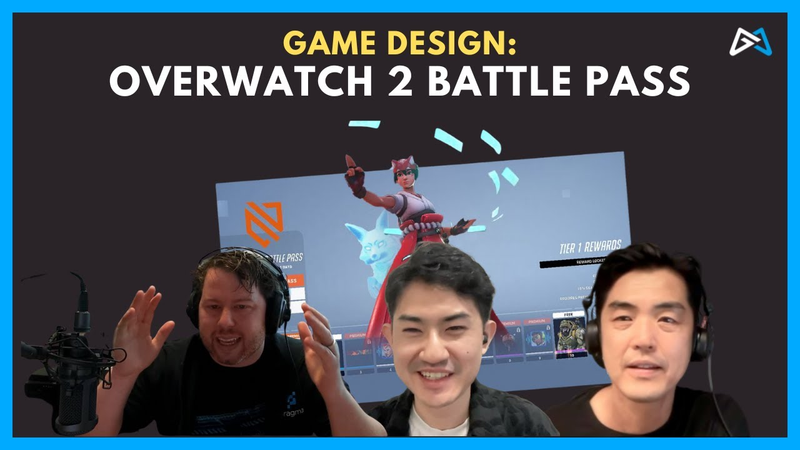
The cancellation of the PvE Hero Mode in Overwatch 2 serves as a case study in the strategic pitfalls of attempting to merge disparate game genres within a single live-service framework. The core thesis posits that PvP and PvE experiences require fundamentally different development pipelines, monetization models, and design constraints. By attempting to integrate a cooperative PvE mode into a competitive, hero-based shooter, the development team faced insurmountable challenges regarding character balance, progression systems, and production alignment.
The primary technical and design conflict arose from the inherent differences between competitive and cooperative play. Competitive shooters rely on distinct hero roles and balanced interactions, whereas PvE experiences typically thrive on power progression, gear systems, and varied challenges. Attempting to force these two models together created a production mismatch; for instance, designing PvE encounters that accommodate the specialized abilities of all heroes often resulted in diluted gameplay or forced team compositions that undermined the core hero fantasy. Furthermore, the need to maintain a fair, non-pay-to-win environment for the PvP segment directly conflicted with the progression-heavy monetization strategies common in successful PvE titles.
Ultimately, the decision to market the PvE content as the headline feature of a sequel rather than a standalone spin-off proved to be a critical strategic error. This branding choice created unrealistic expectations and tied the development team to a rigid, unified roadmap that lacked the flexibility required for such a complex pivot. A more sustainable approach would have been to treat the PvE mode as a separate, independent product, allowing for distinct design and monetization strategies that would not have compromised the integrity of the established competitive game.
The games and companies this document names on the inner ring, other documents about them on the outer one. Select a cover to see it up close and open it in a new tab; drag to move, pinch or Ctrl + scroll to zoom.
Deconstructor of Fun · 2026

Deconstructor of Fun · 2026
Deconstructor of Fun · 2026
Deconstructor of Fun · 2026
Deconstructor of Fun · 2026

Deconstructor of Fun · 2026
Deconstructor of Fun · 2026
Deconstructor of Fun · 2026
Deconstructor of Fun · 2026
Deconstructor of Fun · 2026
Deconstructor of Fun · 2026
Deconstructor of Fun · 2026