1 free read left. Create a free account for unlimited reading + AI research.
Create free accountArticle DiGRA
1 free read left. Create a free account for unlimited reading + AI research.
Create free accountArticleDiGRA
The authors say the game combined a character concept first designed for Walker with a terrain-tracing algorithm first intended for a missile in Blood Money.
The document analyzes the 1991 game Lemmings, arguing that its design and unique "ludic subjectivity" were deeply intertwined with the historical context of computer hardware and game industry practices, specifically the rise of the mouse-based interface. The analysis draws on secondary historical sources, including interviews and memoirs, alongside a direct examination of the game.
Lemmings emerged from experimental development, combining existing unused assets and algorithms. Crucially, it was designed for mouse control, a peripheral that was becoming common in personal computing and enabling new forms of interaction by refiguring computing into an interactive, spatially embodied environment. This shift facilitated genres like god games, 4X games, and real-time strategy games, which also gained popularity in the late 1980s and early 1990s.
The game positions the player with a "transcendent ludic subjectivity," disembodied and interacting with the game world through a cursor, acting as a point of action. The player commands non-individuated, identical "computational others" (the Lemmings) who, left to their own devices, exhibit machinic behavior. This interface grants the player a god-like perspective and the responsibility to care for these entities and the algorithmic system. However, Lemmings diverges from other mouse-controlled genres by being primarily a puzzle game with abstract topographies and single, predetermined solutions, thereby circumscribing the player's agency despite the apparent control. This paradox, combined with the waning novelty of mouse control and the decline of puzzle games in blockbuster production, explains its limited influence on subsequent game design.
Each row is a game or company this document names, each column a document, oldest first. A mark means that document names it. Select a row to see those documents.

DiGRA · 2026

DiGRA · 2026



DiGRA · 2026



DiGRA · 2026



DiGRA · 2026



DiGRA · 2026



DiGRA · 2026



DiGRA · 2026



DiGRA · 2026

DiGRA · 2026



DiGRA · 2026



DiGRA · 2026
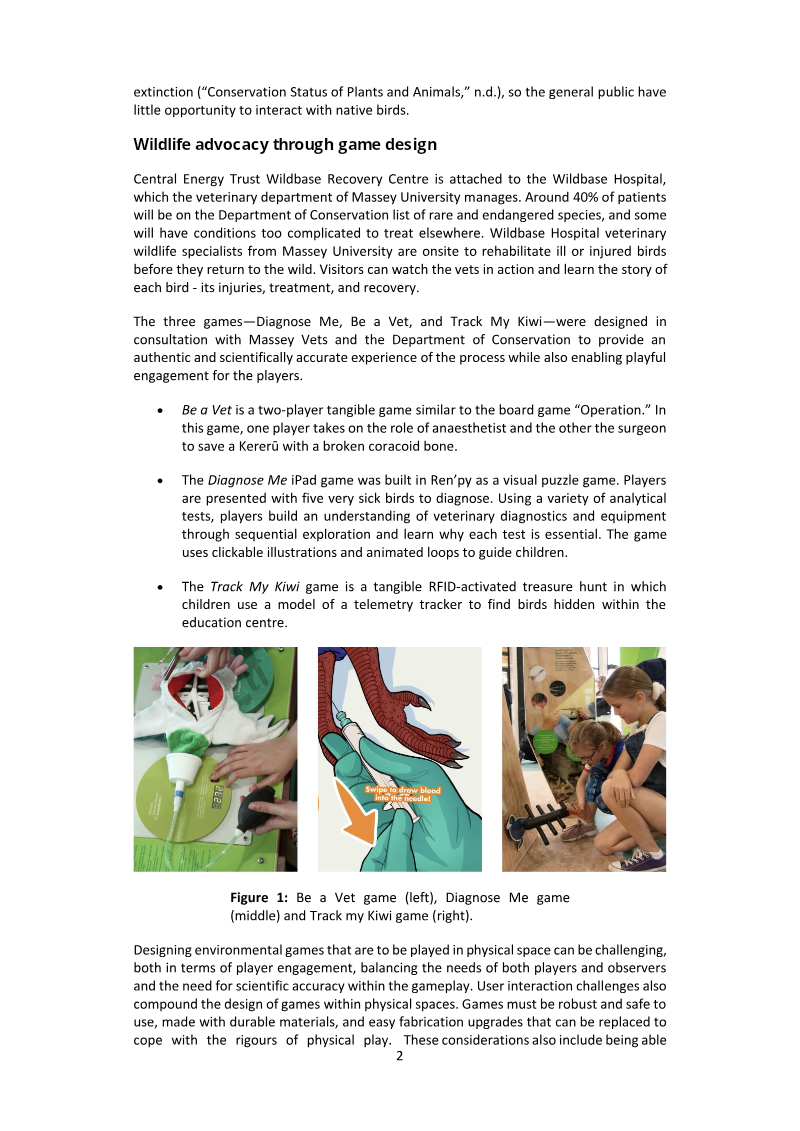
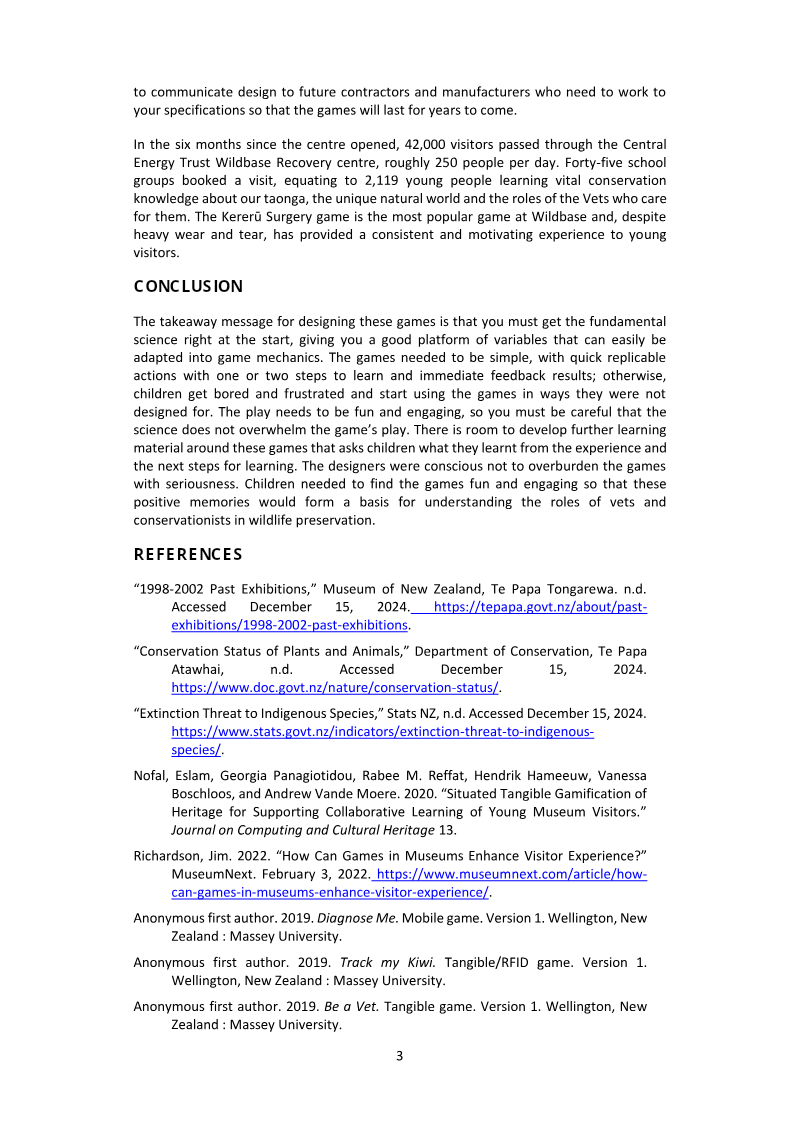
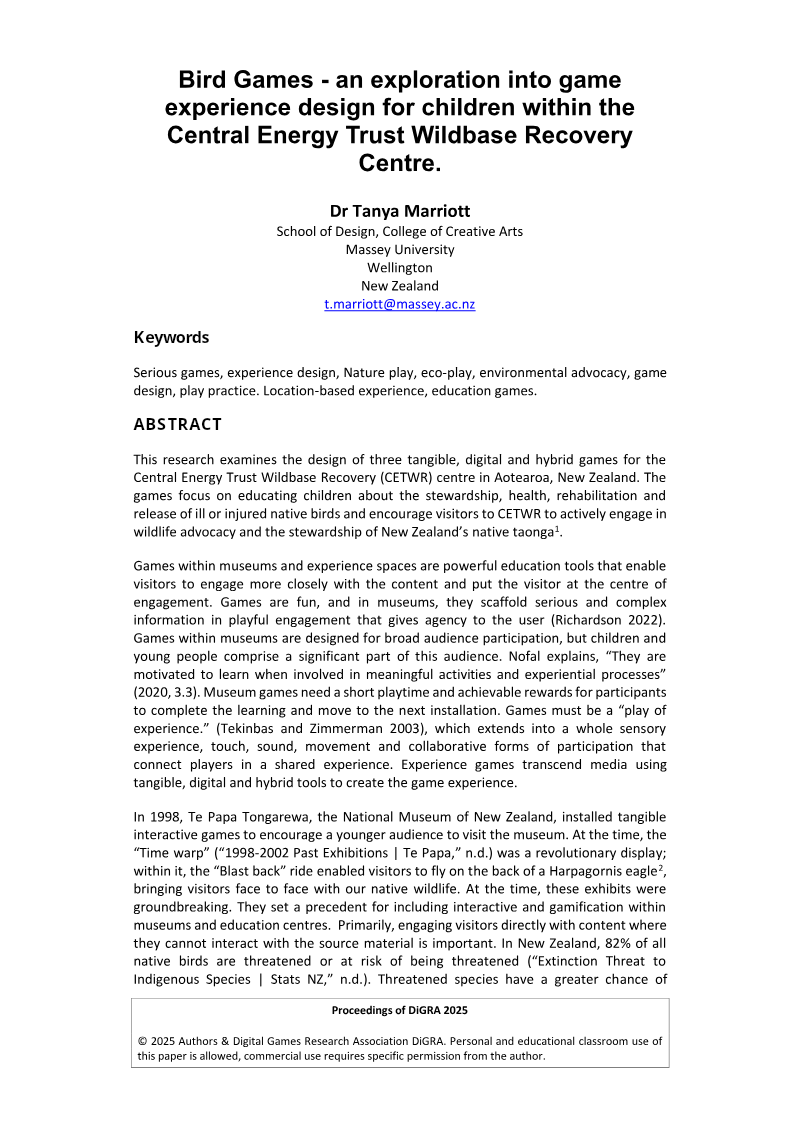
DiGRA · 2025