1 free read left. Create a free account for unlimited reading + AI research.
Create free accountWhitepaper DiGRA
1 free read left. Create a free account for unlimited reading + AI research.
Create free accountWhitepaperDiGRA
The study examines how players in Freetown build identity and community through ethnographic research.
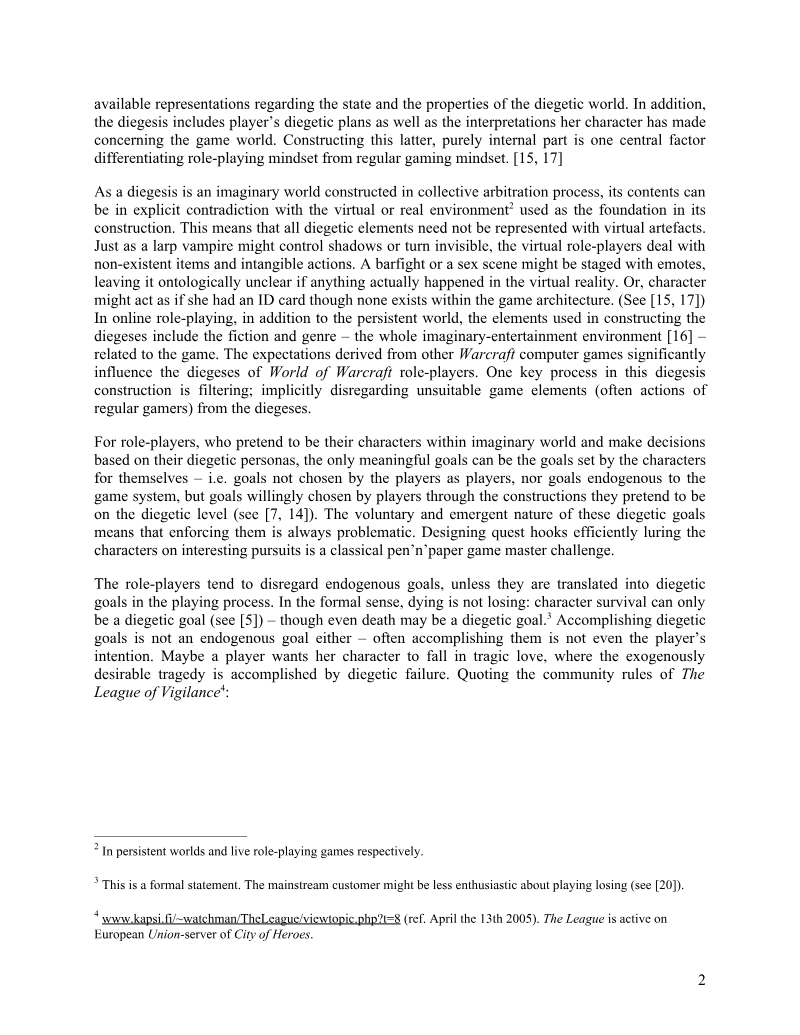
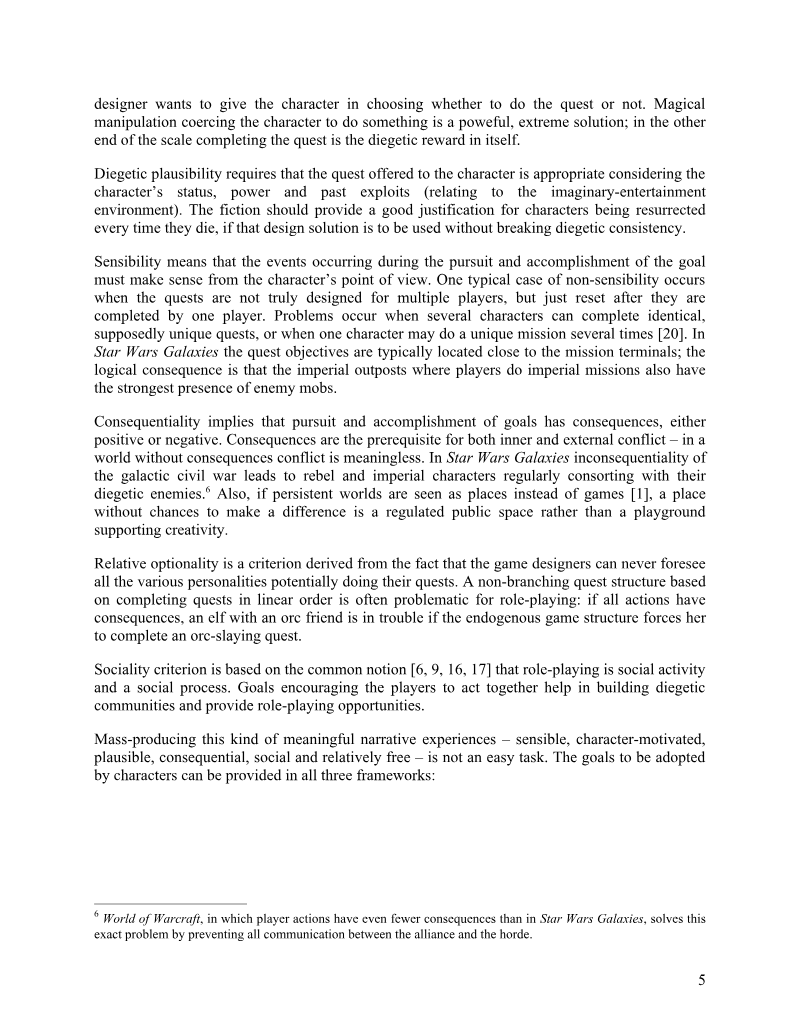
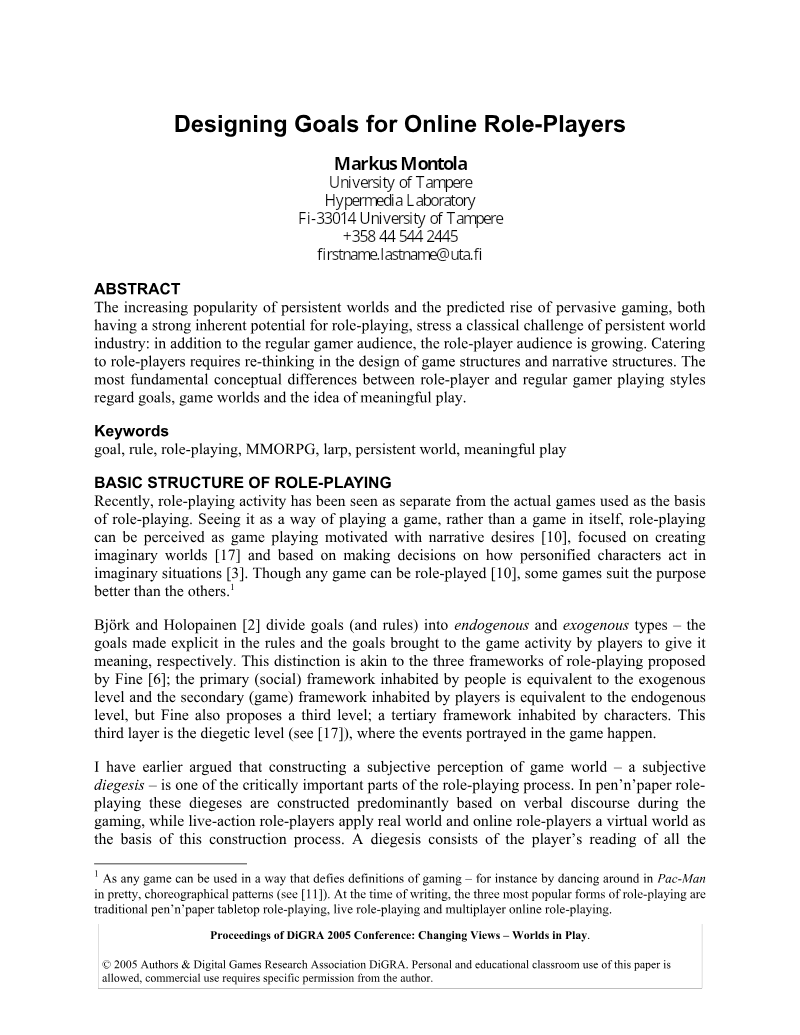
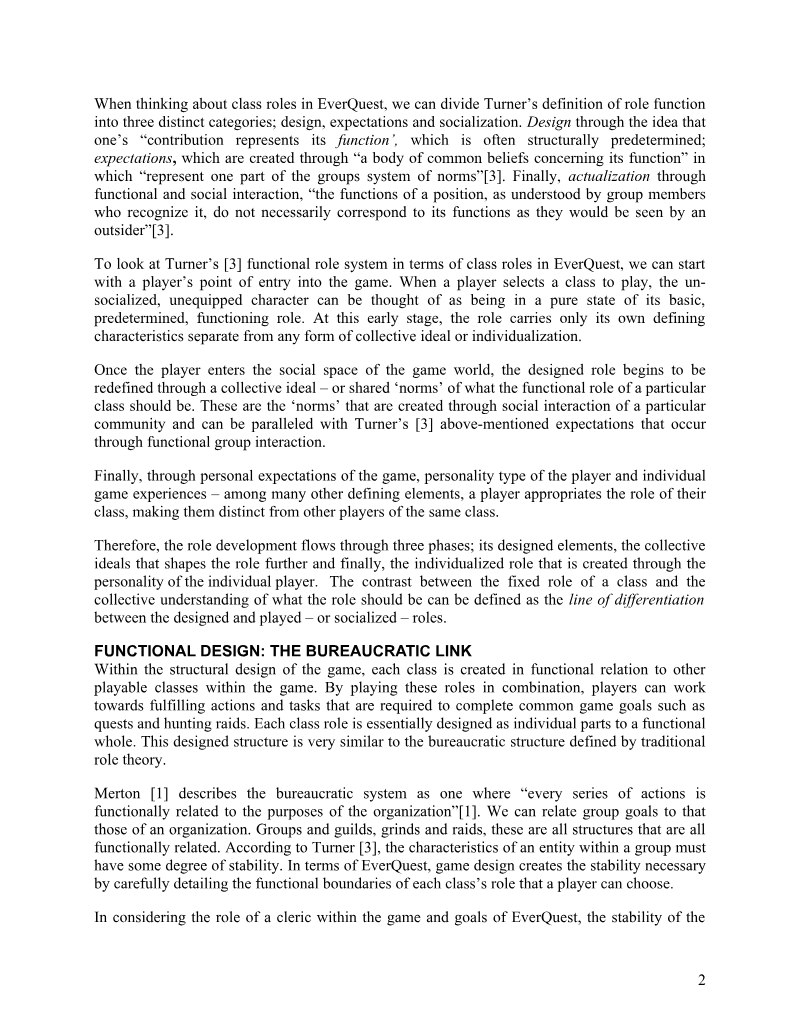
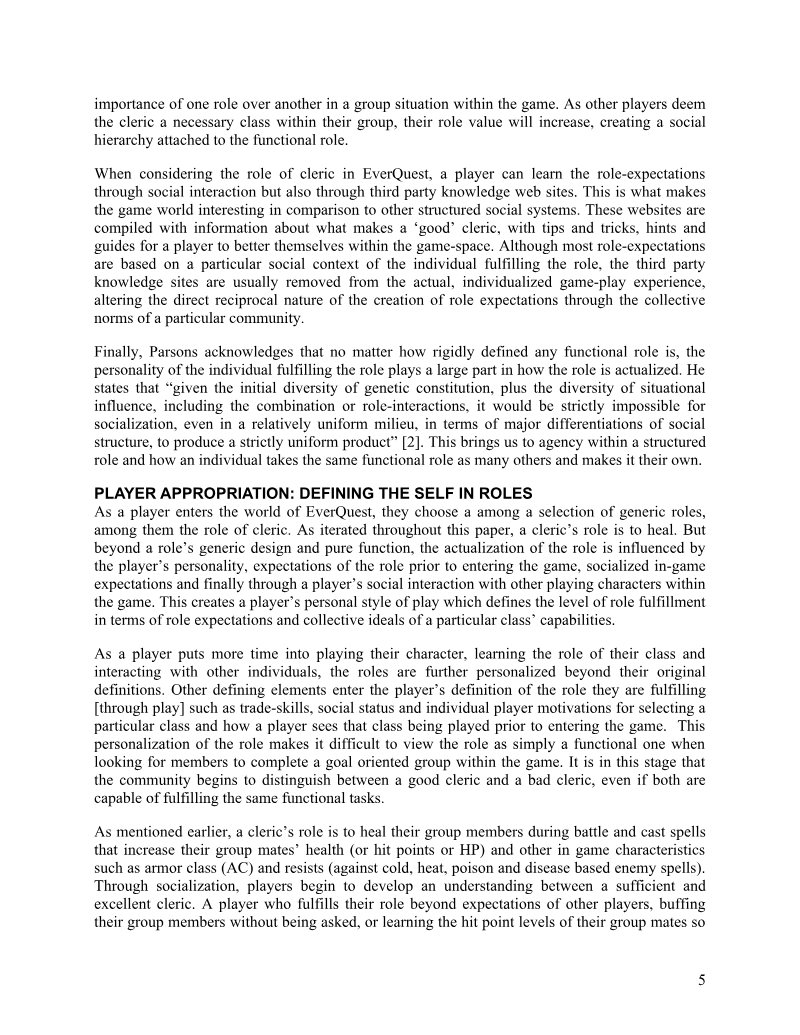
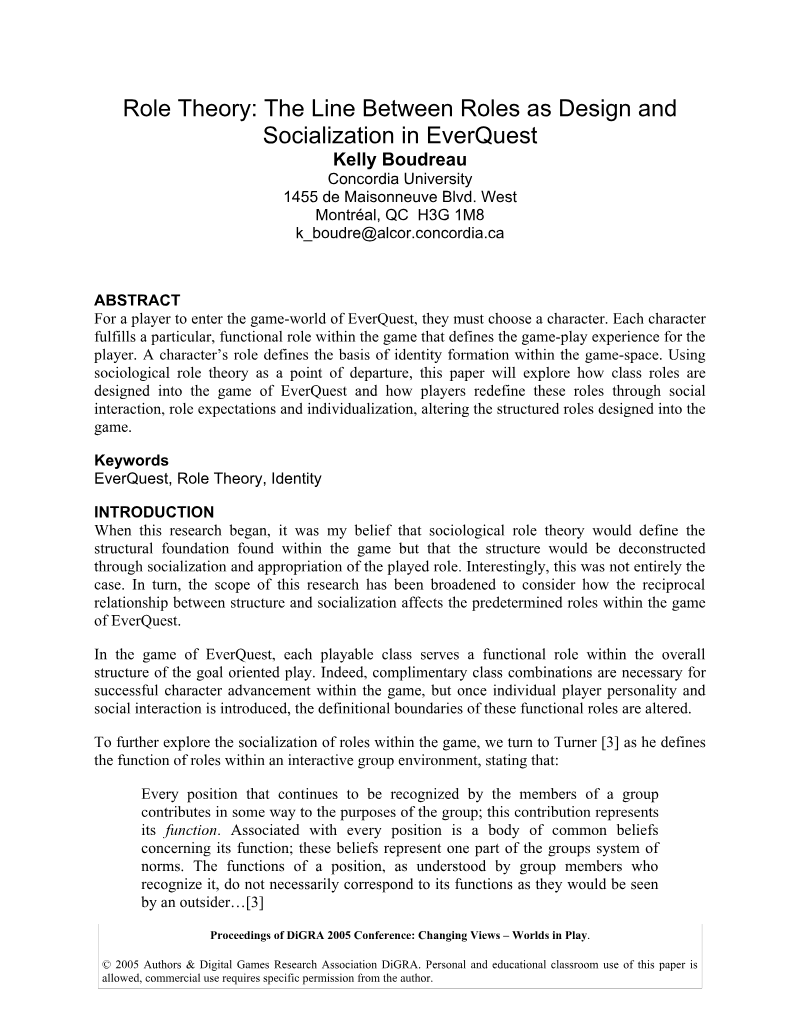
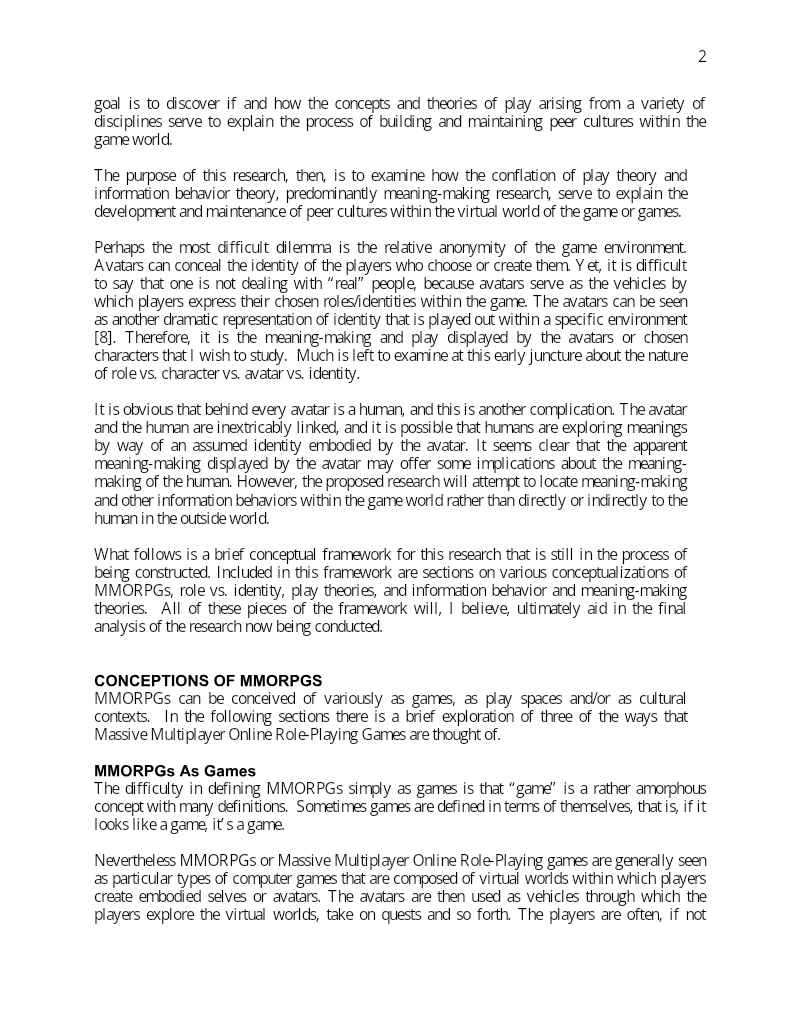
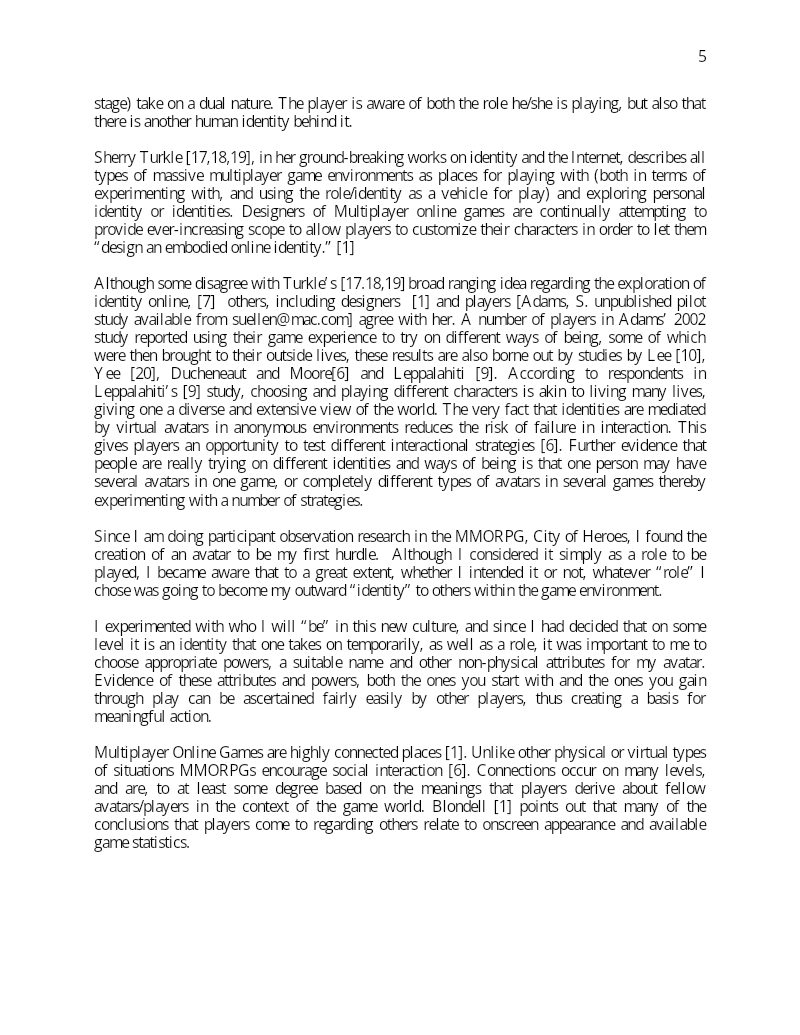
This paper examines role-playing within Freetown, a community on a Star Wars Galaxies (SWG) server, using ethnographic research to show how player identity and community are built through interpretation of the Star Wars narrative. Its central argument is that, beyond the familiar player typologies of power-gamers, role-players, and socialisers, Freetown players establish and sustain belonging by reading the franchise's extended storyline closely and using that shared reading to judge what counts as legitimate play. The study situates SWG within a broader trend of MMOGs derived from established popular culture rather than built around original game worlds, drawing on the Star Wars universe, which spans six blockbuster films along with books, video games, and other media.
Freetown is governed by a team of story coordinators who review each player-written storyline before it is enacted, checking that it fits the community's role-playing agenda, the Star Wars extended narrative, and the context of SWG itself. Players who draw more deeply on the franchise gain credibility for their own stories by placing events and characters correctly within that canon, and "good quality roleplaying" is judged largely by how well it respects the Star Wars narrative context.
The paper focuses on a community debate over whether players should be permitted to role-play Jedi Knights within Freetown's borders. Although Jedi are central to the franchise, the controversy reveals how contested interpretations of the narrative are used to draw in a group of like-minded players and reinforce collective identity. Drawing on scholarship on audiences, gaming, and online and fan communities, the analysis explains how these readings give Freetown members a sense of shared purpose and belonging.
Each row is a game or company this document names, each column a document, oldest first. A mark means that document names it. Select a row to see those documents.
DiGRA · 2019
DiGRA · 2019
DiGRA · 2019
DiGRA · 2019



DiGRA · 2019
DiGRA · 2019
DiGRA · 2019
DiGRA · 2019
DiGRA · 2019
DiGRA · 2019
DiGRA · 2019
DiGRA · 2019