
NetEase’s 2007 Form 20‑F demonstrates a robust expansion of its online‑gaming and portal businesses, with total revenues reaching RMB 2.31 billion (US$316 m) and net profit of RMB 1.26 billion (US$173 m). Online games, accounting for 84–85 % of revenue, drove growth through a pay‑to‑play model and an emerging item‑based system, while advertising on its portal contributed a modest 6–7 % rise. Gross margins for games slipped to 90 %, reflecting higher staff and content costs, yet operating profit remained strong at RMB 1.20 billion (US$165 m) thanks to disciplined cost management and increased advertising income. Cash balances of RMB 2.48 billion (US$340 m) and a solid working‑capital base of US$3.1 billion support continued investment in game development and infrastructure.
The company’s balance sheet shows shareholders’ equity of US$3.4 billion and total assets of RMB 4.69 billion (US$642 m), with a low effective tax rate that fell to 0.2 % in 2007 due to large carryforwards and a tax‑refund incentive. NetEase operates through wholly owned subsidiaries in China and variable‑interest entities (VIEs) to navigate foreign‑ownership restrictions, while maintaining a complex control structure that concentrates voting rights in the founder’s holding company. Regulatory exposure is significant: licensing requirements for internet content, gaming, and advertising; potential transfer‑pricing adjustments; and evolving Chinese tax law that may erode preferential rates. Operational risks include system failures, cyber‑attacks, and natural disasters, all of which could disrupt service availability.
Geographically, NetEase’s core operations are confined to mainland China, with a user base of 233 million free e‑mail accounts and 757,830 average concurrent MMORPG players in 2007. The firm faces intense competition from domestic portals such as Sina, Tencent, and Baidu, as well as foreign entrants following China’s WTO accession. Competitive pressures are compounded by stringent content‑censorship rules and the need for multiple operating licenses (ICP, value‑added telecom, publishing, etc.). Despite these challenges, NetEase’s diversified revenue mix—online gaming, portal advertising, and wireless value‑added services—combined with a strong cash position and shareholder‑value initiatives (share repurchases and stock‑based compensation) positions the company to sustain growth while managing regulatory and market risks.
NetEase · 2026
NetEase · 2025
NetEase · 2024
NetEase · 2023

NetEase · 2022
NetEase · 2021
NetEase · 2020
NetEase · 2019
NetEase · 2018

NetEase · 2017
NetEase · 2016
NetEase · 2015
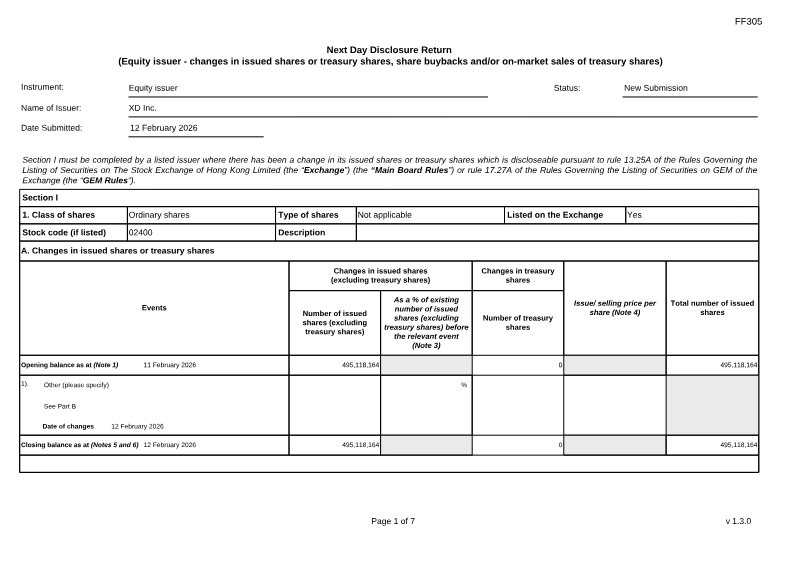
Stock Exchange of Hong Kong · 2026

Stillfront Group · 2026
Sea Limited · 2024
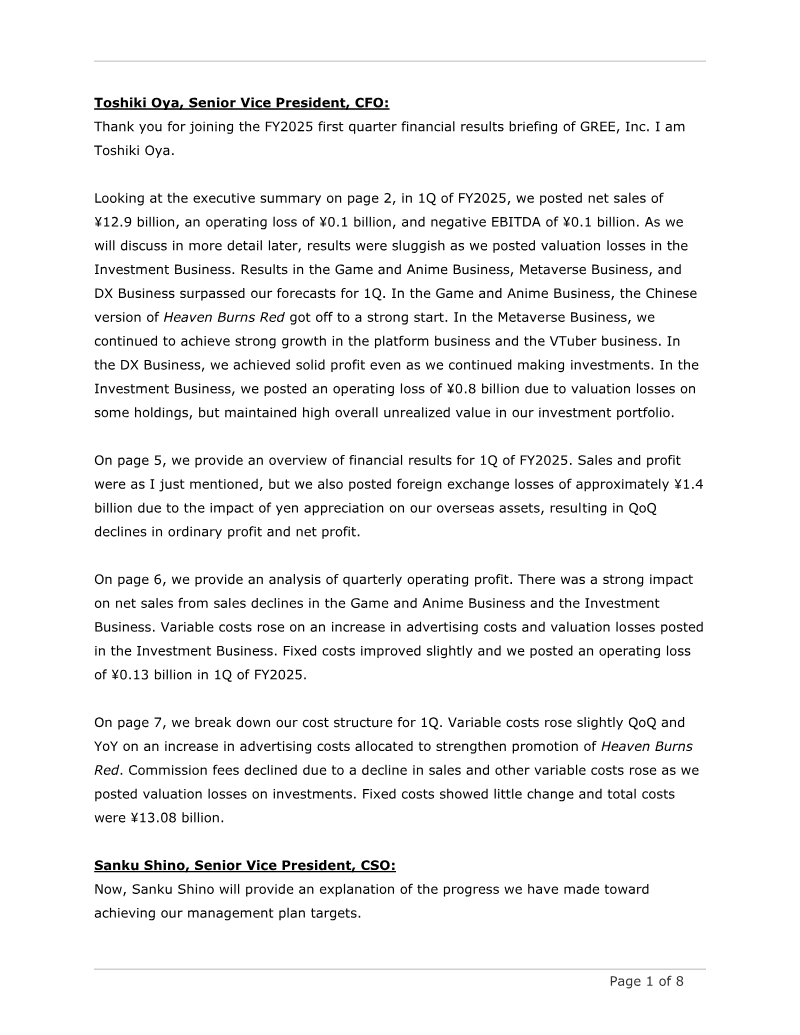
GREE
Tencent
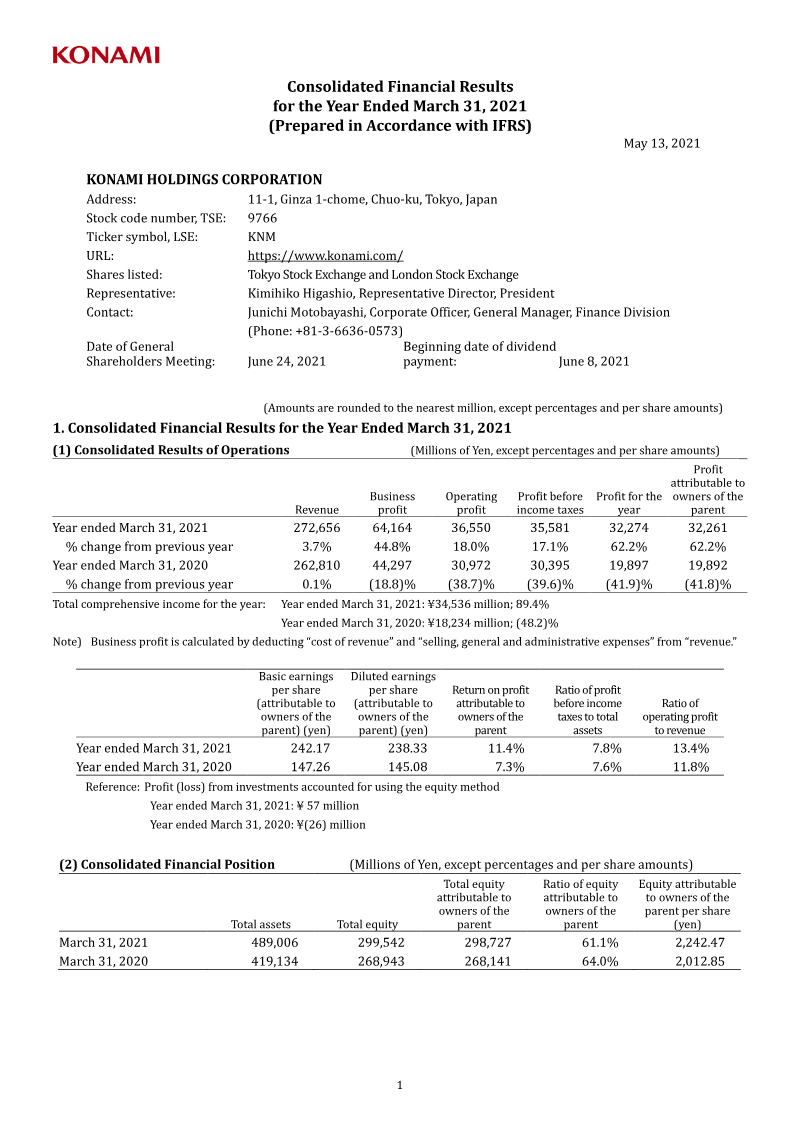
Konami Holdings Corporation

Kadokawa Corporation
Tencent
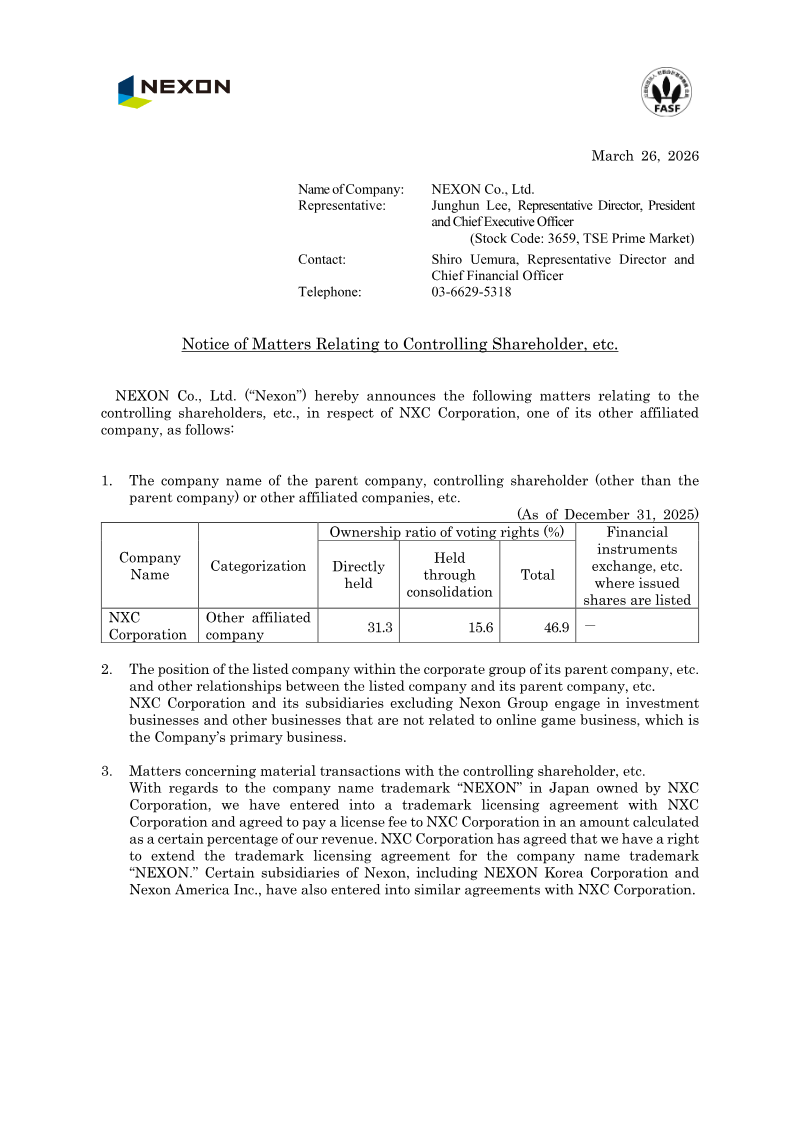
NEXON Co.
Tencent
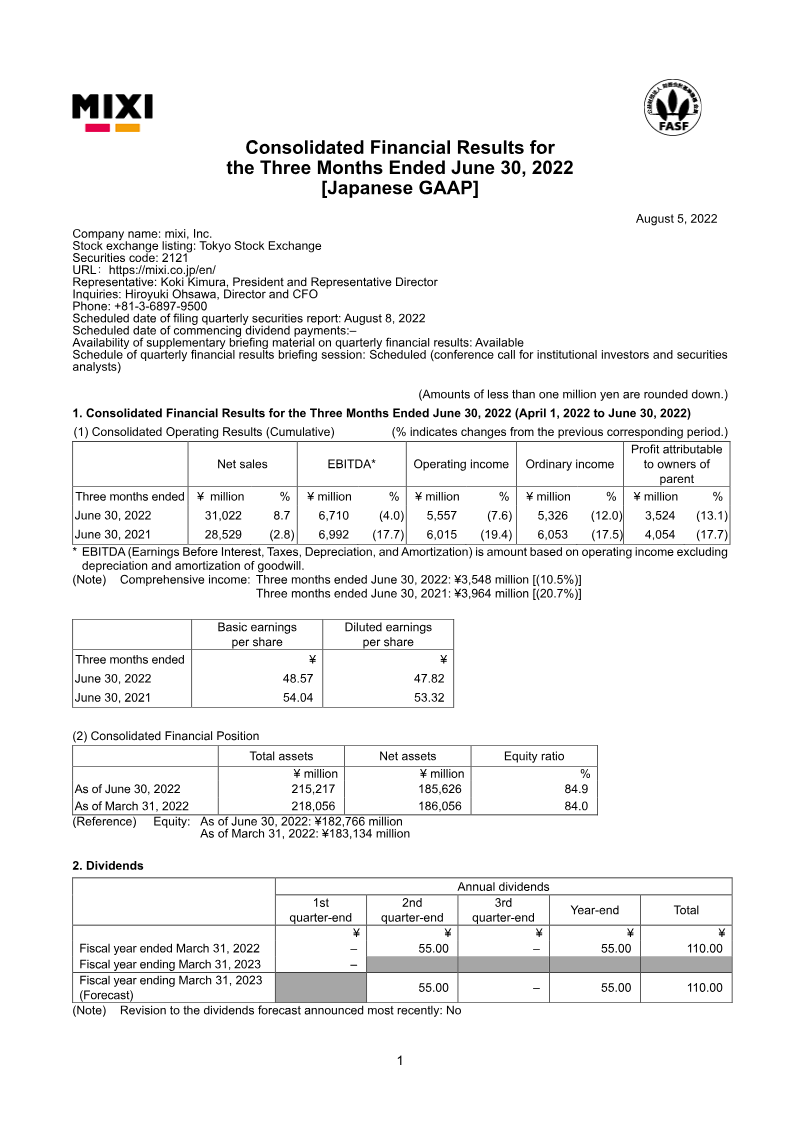
mixi
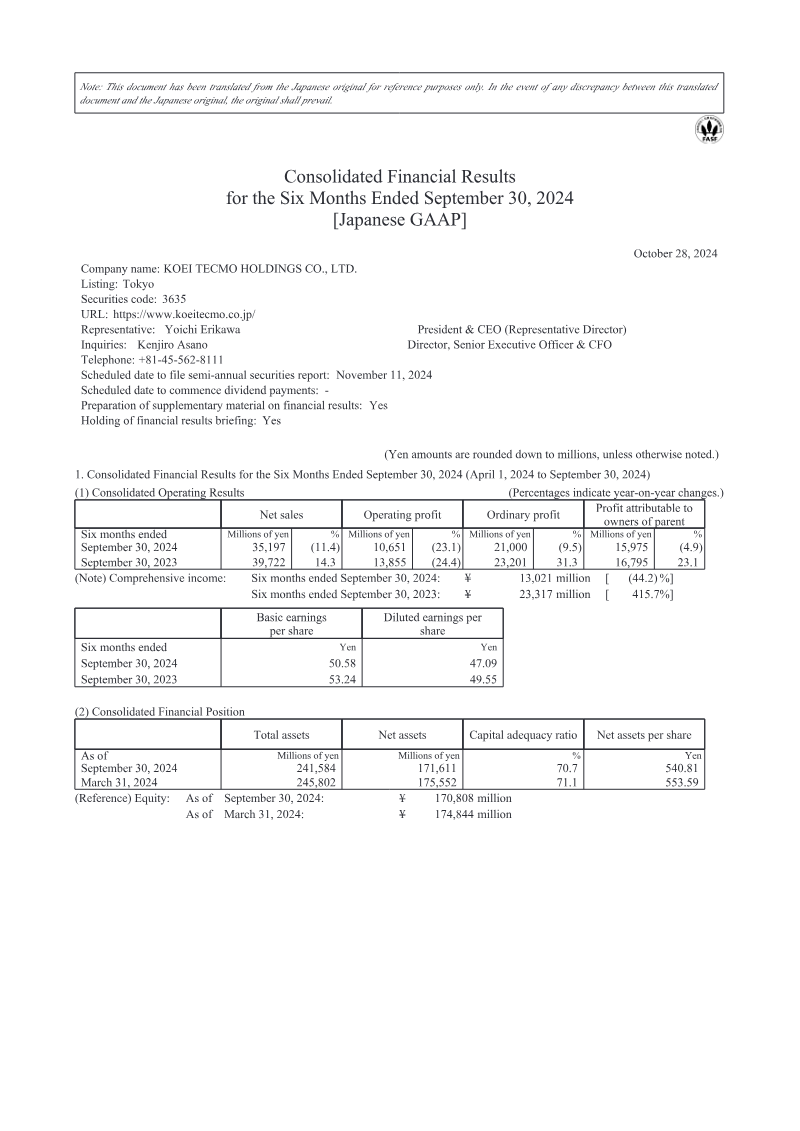
Koei Tecmo