1 free read left. Create a free account for unlimited reading + AI research.
Create free accountFinancial report NetEase
1 free read left. Create a free account for unlimited reading + AI research.
Create free accountFinancial reportNetEase
NetEase, Inc.’s 2025 Form 20-F annual report provides a comprehensive disclosure of the company’s financial performance, corporate governance, and operational risk profile. As a Cayman Islands holding company with primary operations in mainland China, NetEase utilizes a Variable Interest Entity (VIE) structure to navigate foreign investment restrictions in the internet and telecommunications sectors. This structure is central to the company’s business model, as VIEs account for over 85% of total net revenues, yet it introduces significant regulatory and legal uncertainty regarding the enforceability of contractual control arrangements and potential government intervention.
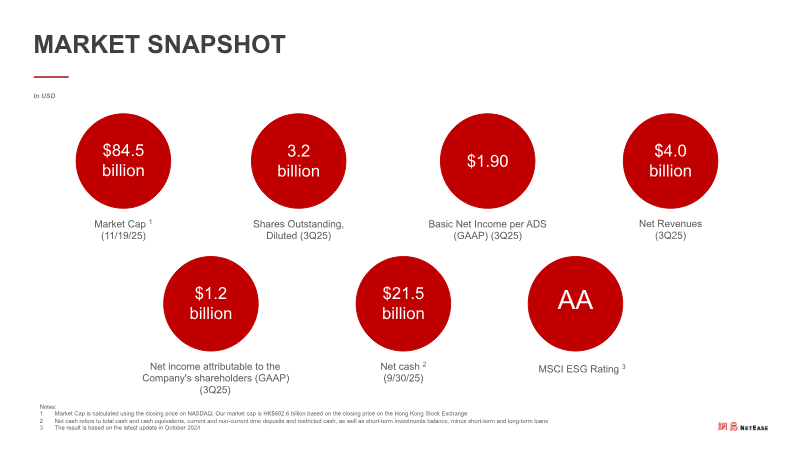
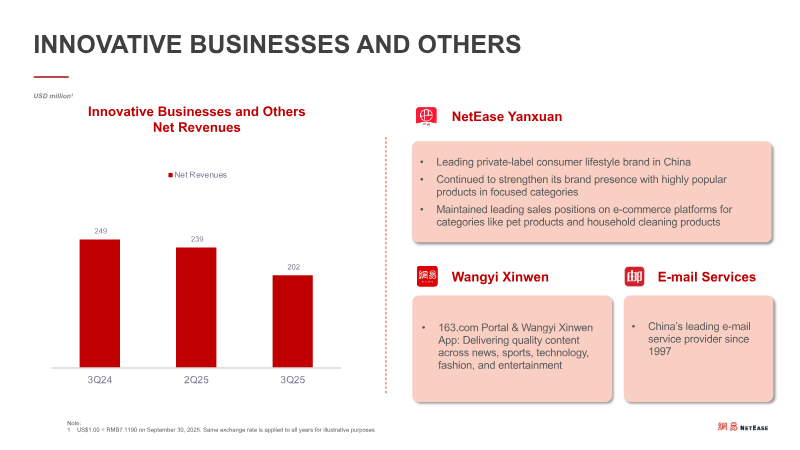
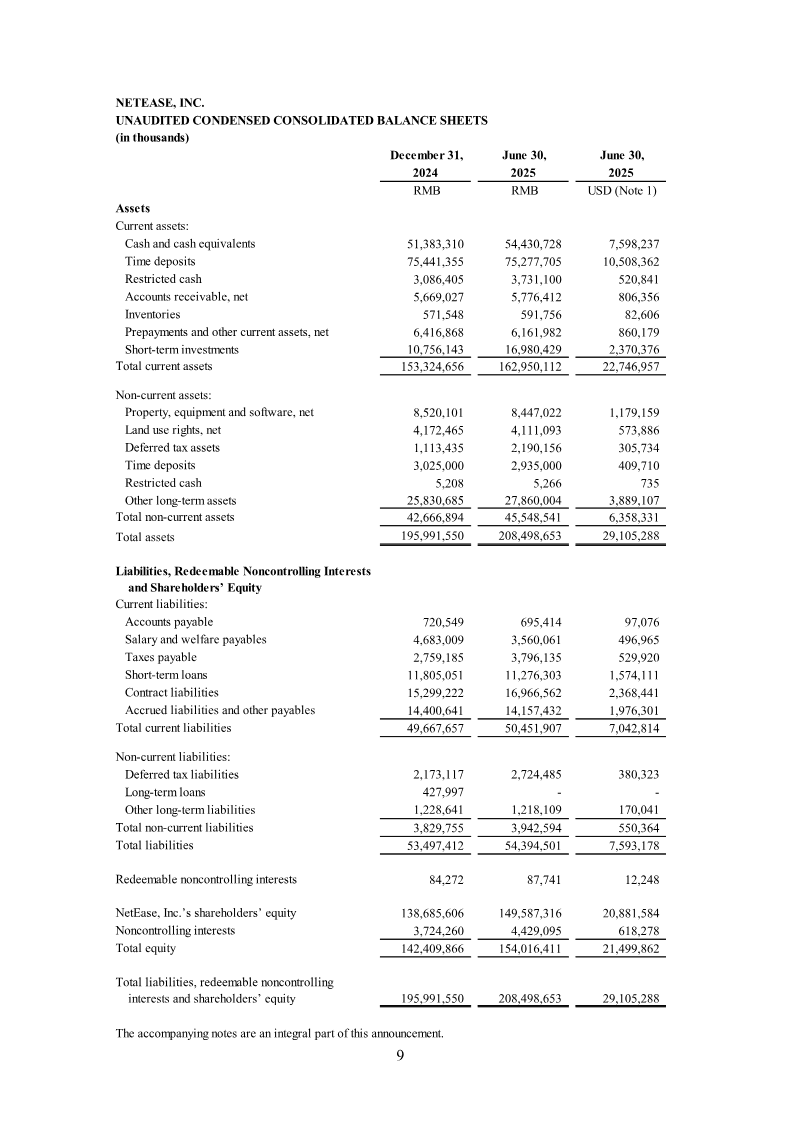
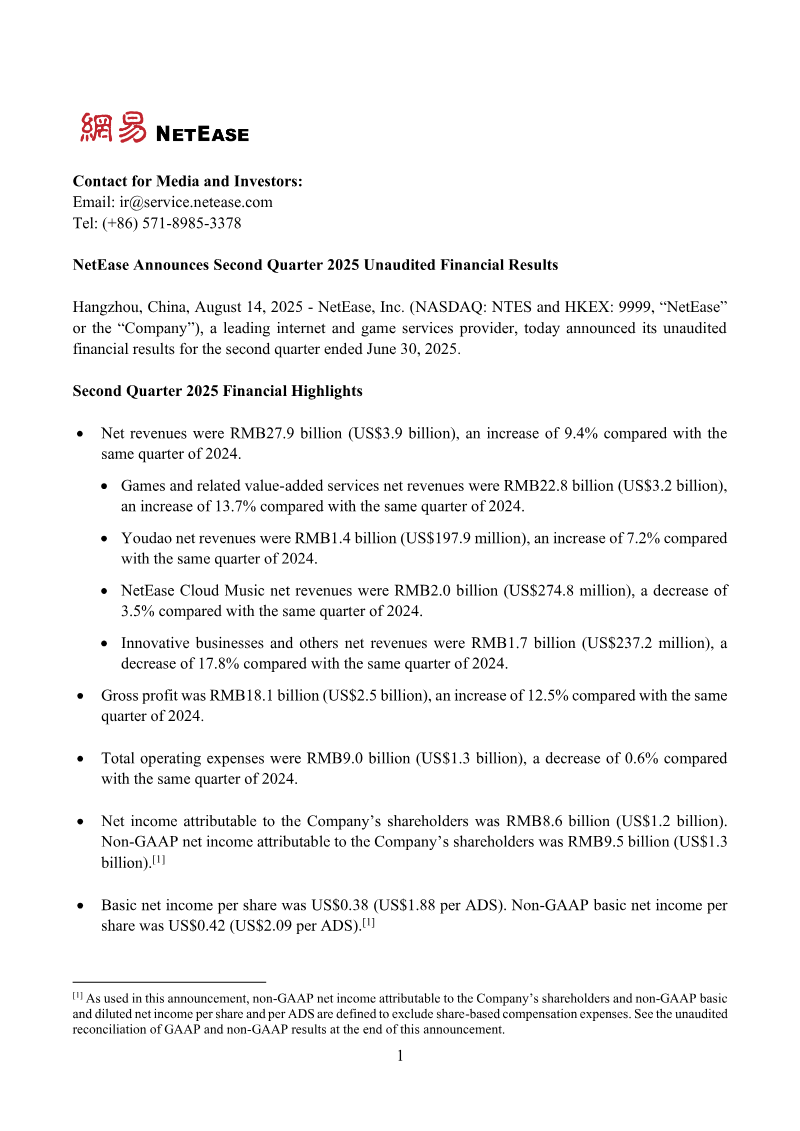
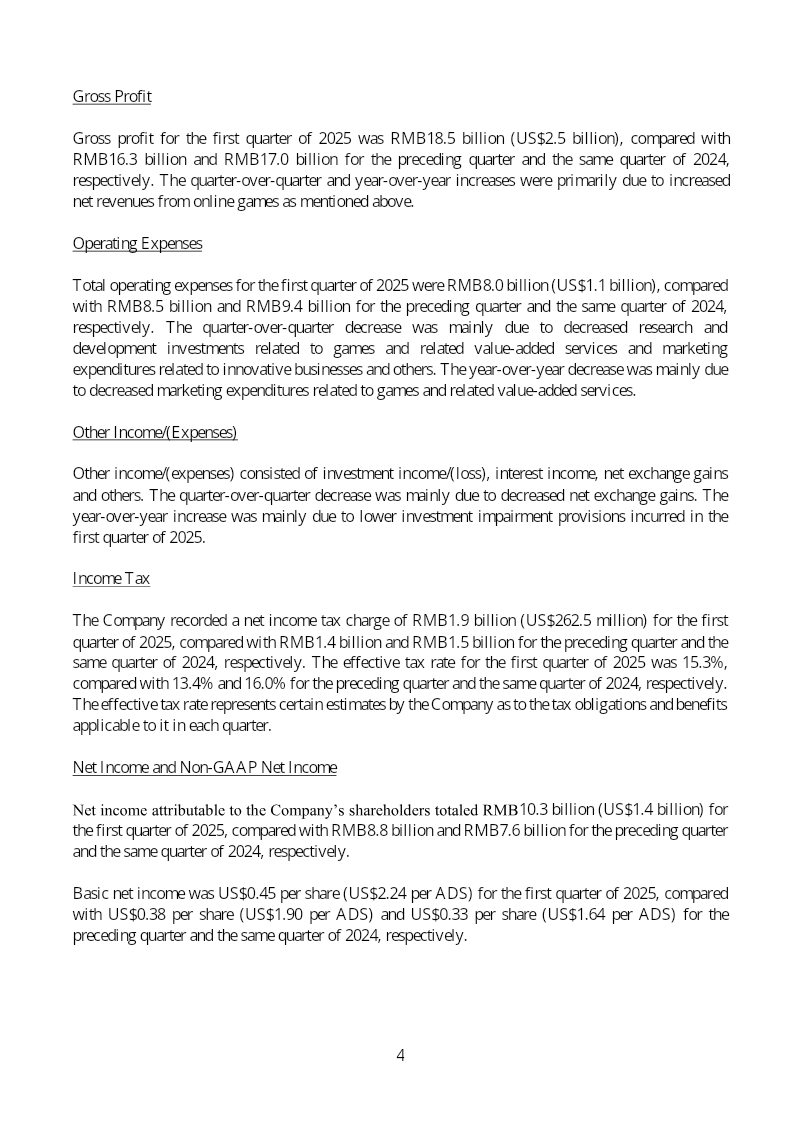
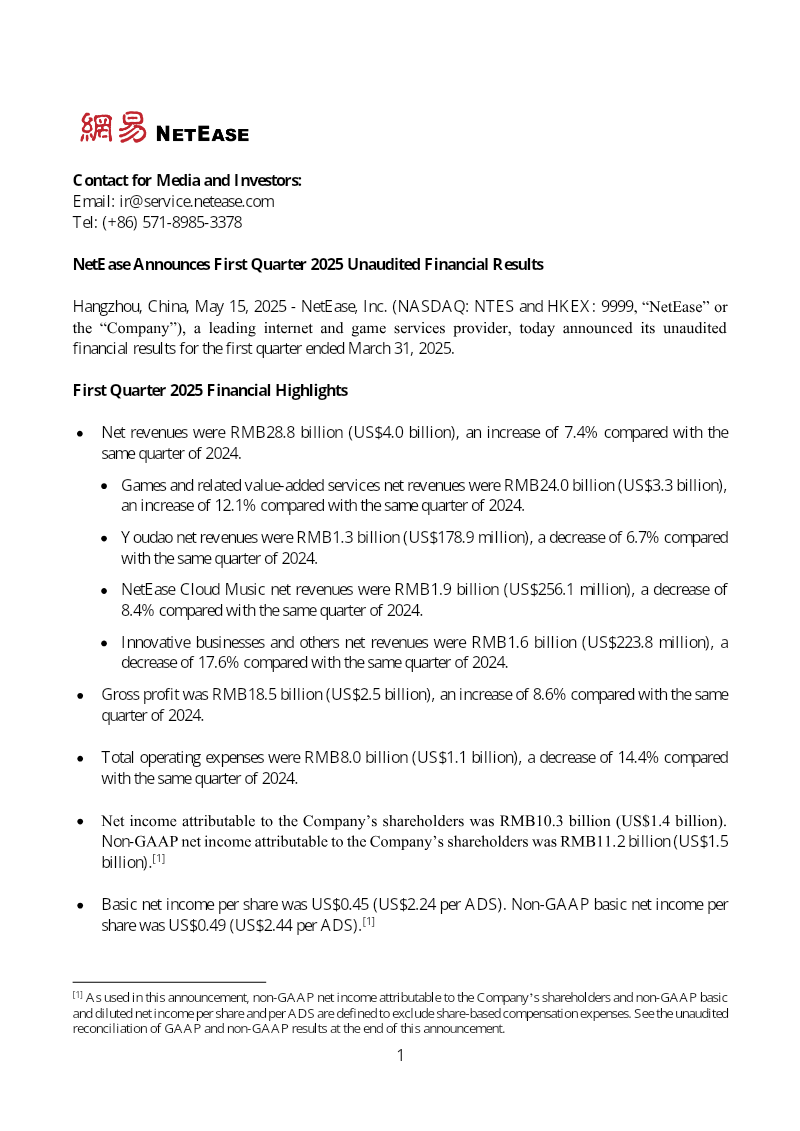
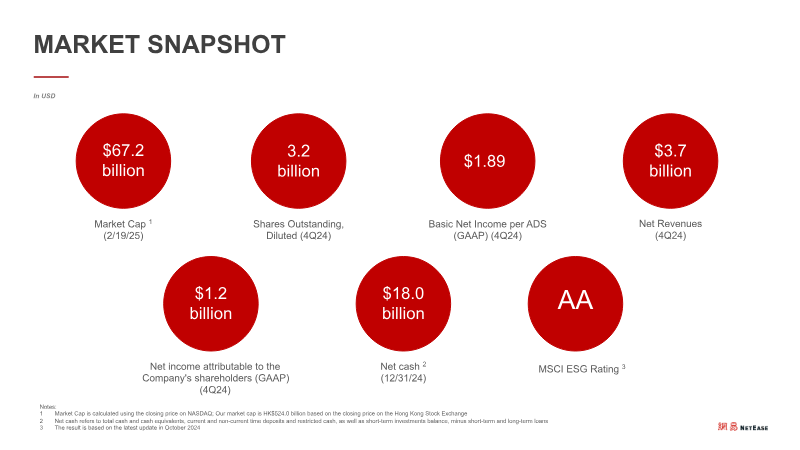
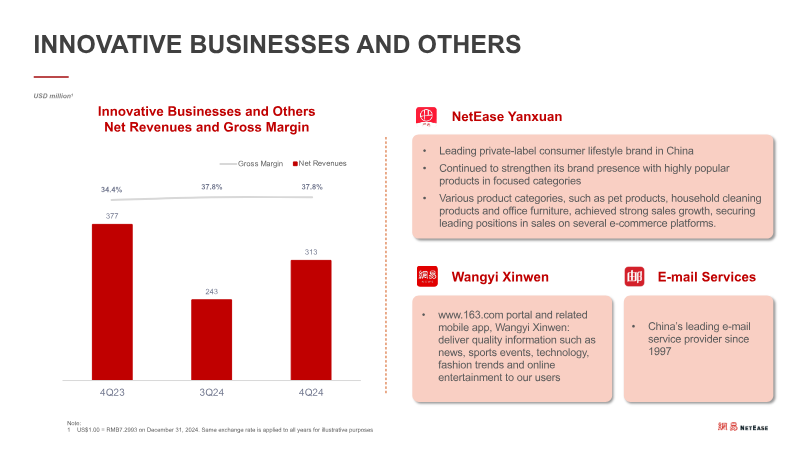
Financially, the company demonstrated consistent growth throughout the 2023–2025 period, with net revenues reaching RMB 112.6 billion and net income totaling RMB 33.8 billion in 2025. This performance was primarily driven by the games and related value-added services segment, which remains the company’s core revenue engine. To maintain its competitive edge, NetEase continues to invest heavily in research and development, particularly in proprietary game engines and artificial intelligence, while managing a diverse portfolio that includes Youdao and NetEase Cloud Music. Despite this growth, the company faces substantial operational risks, including intense market competition, evolving data security and privacy regulations across global jurisdictions, and geopolitical tensions that threaten access to critical technologies and international market stability.
The report highlights a complex regulatory environment where compliance with both Chinese and international laws—such as the Holding Foreign Companies Accountable Act and various data protection mandates—is essential for maintaining trading status and operational continuity. The company’s liquidity remains robust, supported by significant cash reserves and unused credit facilities, though capital repatriation and dividend distributions are constrained by PRC foreign exchange regulations. Ultimately, the company emphasizes that its future success depends on its ability to navigate these shifting regulatory landscapes, manage intellectual property effectively, and adapt to rapidly changing consumer preferences in a volatile global market.
NetEase · 2026
NetEase · 2025
NetEase · 2025
NetEase · 2025
NetEase · 2025
NetEase · 2025
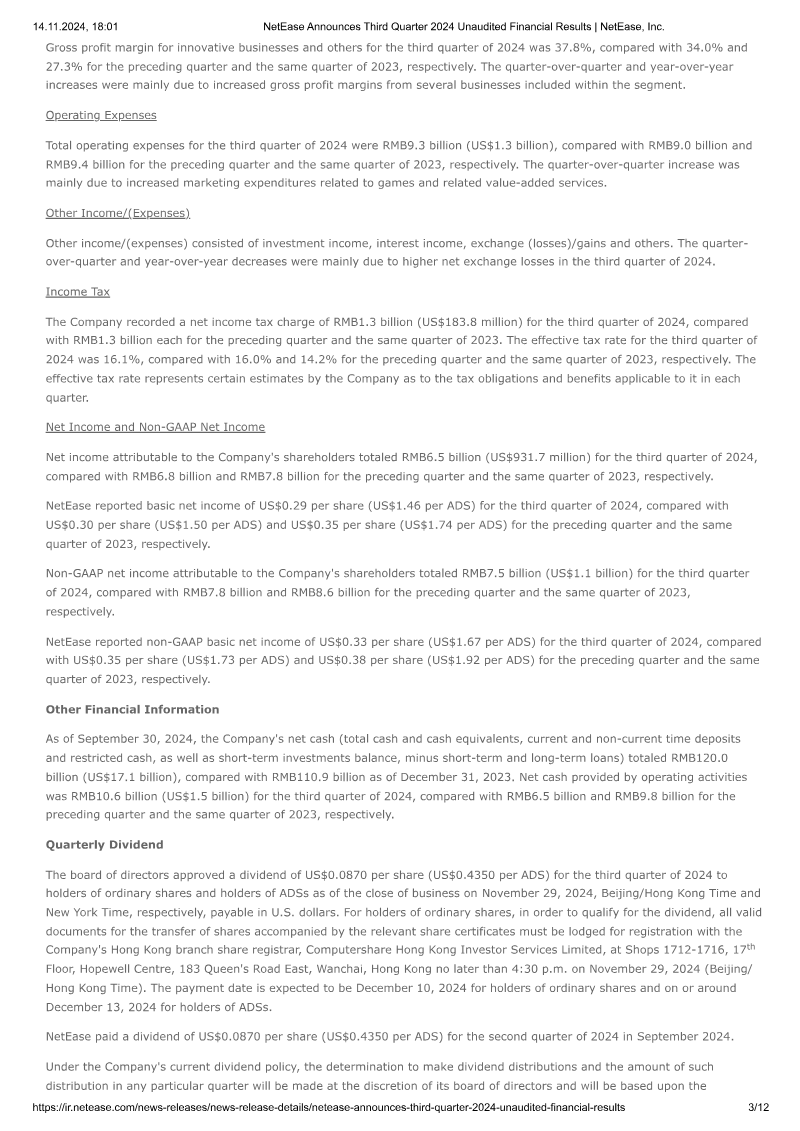
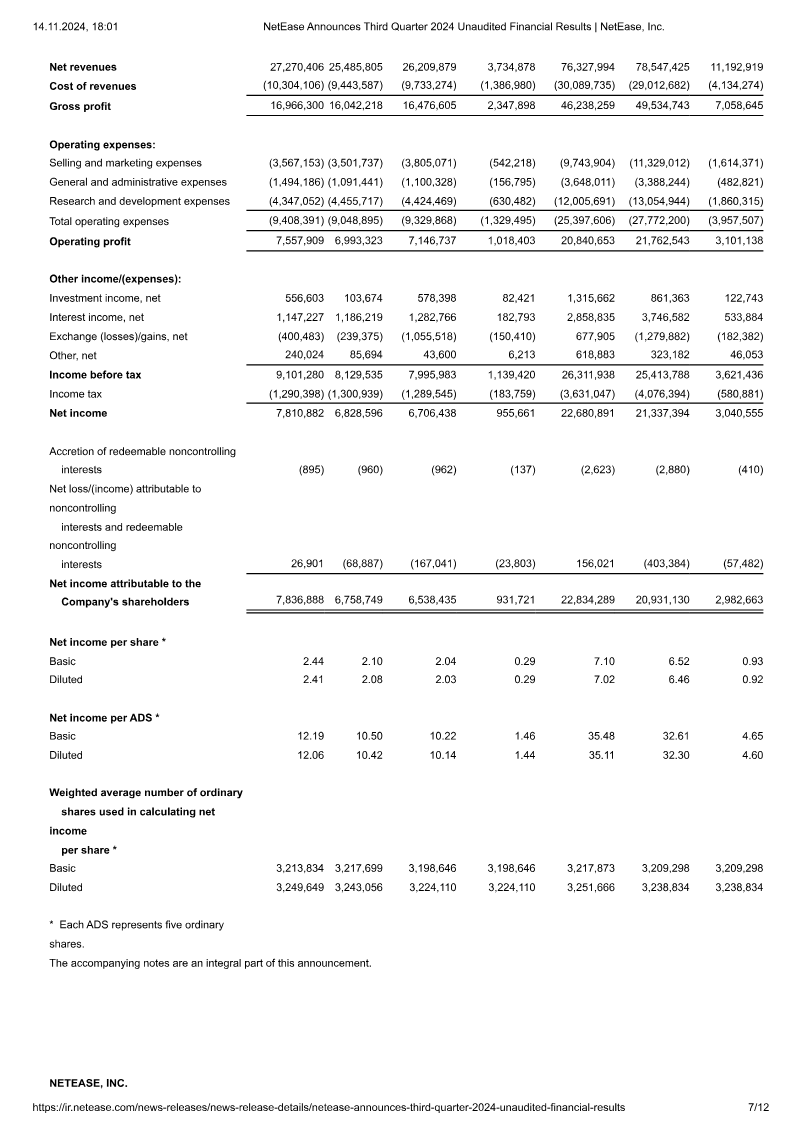
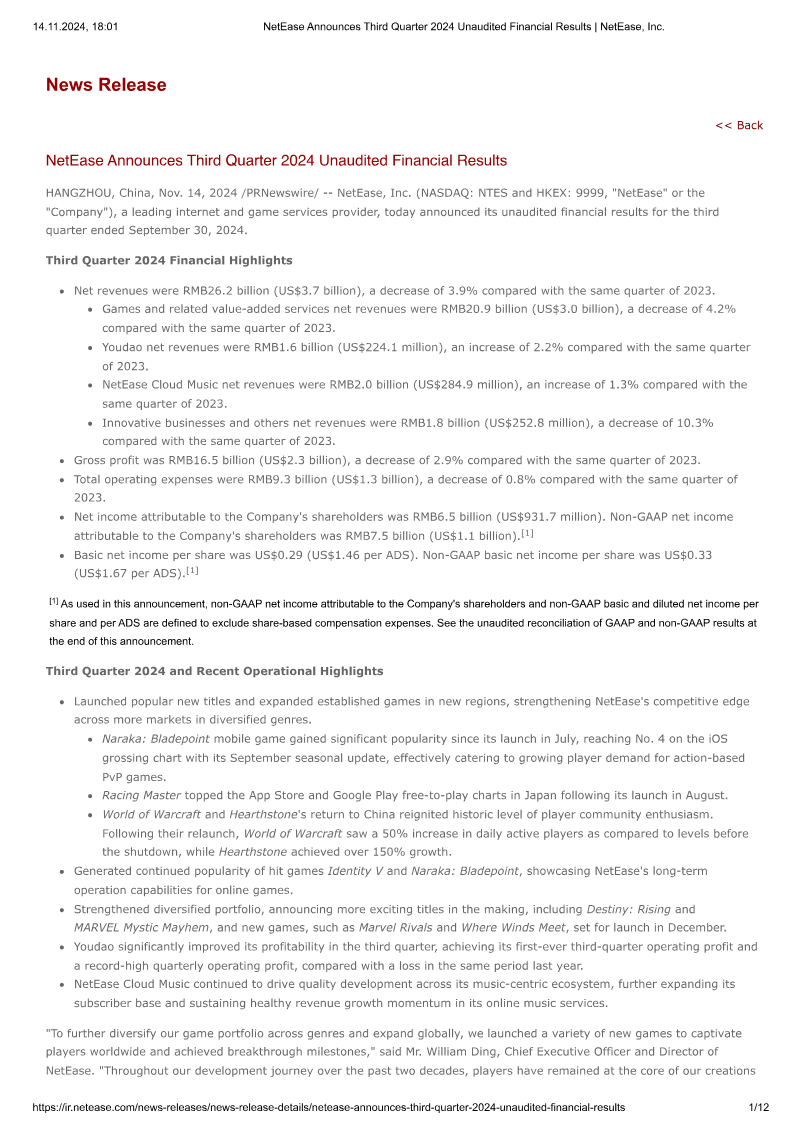
NetEase · 2024
NetEase · 2024
NetEase · 2023
NetEase · 2022
NetEase · 2021
NetEase · 2020
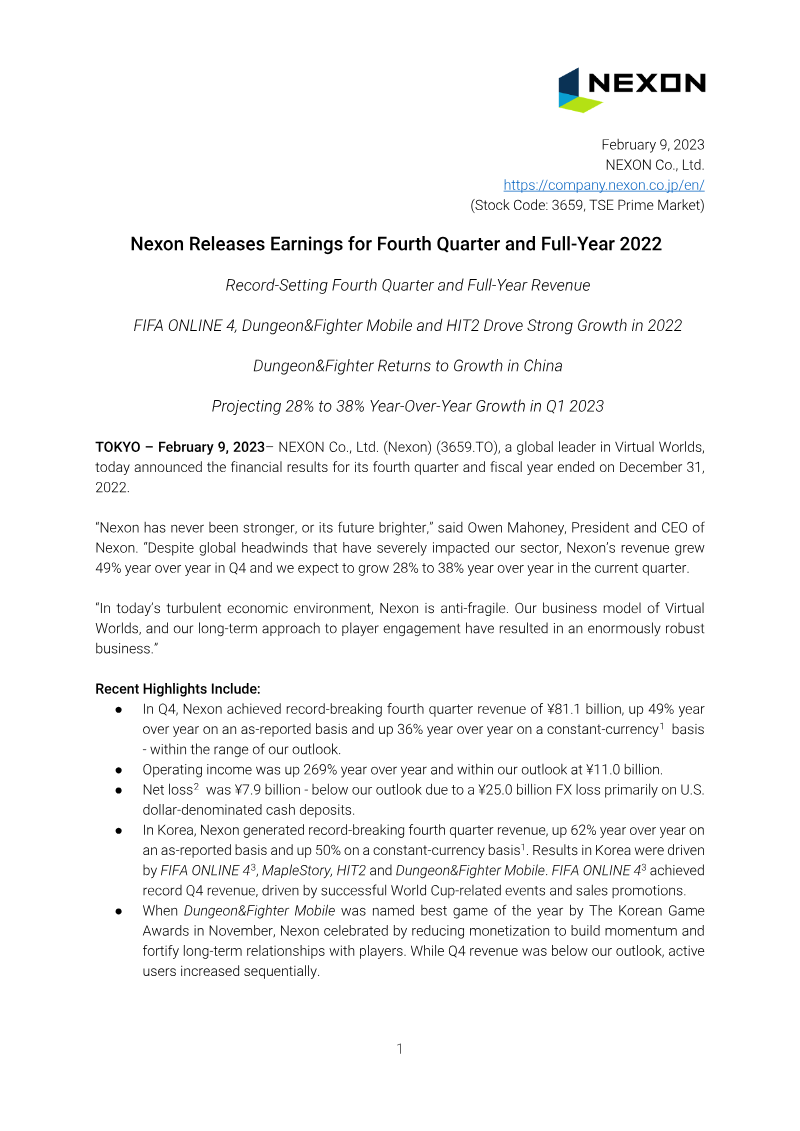
NEXON Co. · 2024