Key insights
6 slides
Key number
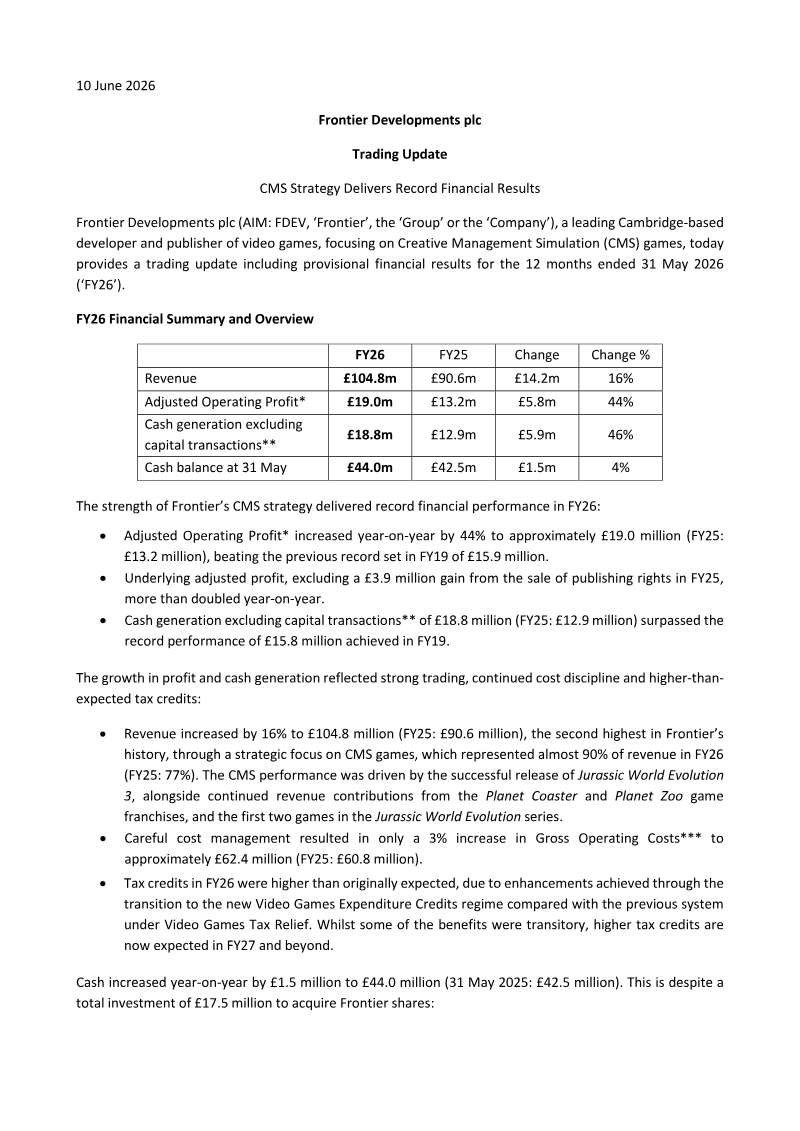
Alter Ego outperformed all PC-based organizations in H1 2026.
This performance underscores the growing influence of mobile gaming on global viewership metrics.
Mobile lead. Alter Ego reached 71.19 million hours watched in H1 2026.
71.19 million
hours watched by Alter Ego in H1 2026
- T1 (PC leader)
- 65.28 million
- Team Falcons (PC leader)
- 64.38 million
Top performers
T1 and Team Falcons led the PC esports sector in H1 2026.
T1 recorded 65.28 million hours watched, while Team Falcons recorded 64.38 million hours watched. Their success highlights the critical role of consistent regional dominance and high-stakes tournament performance.
65.28 million
hours watched by T1 in H1 2026
- Team Falcons
- 64.38 million
- Paper Rex
- 33.86 million
Title anchors
Paper Rex, Aurora Gaming, and OpTic Texas anchored key PC titles.
Paper Rex maintained a strong presence in Valorant with 33.86 million hours watched. Aurora Gaming and OpTic Texas anchored viewership in Dota 2 and Call of Duty, respectively.
What changed
Apex Legends surged 74% while Valorant declined 45.8% at the Esports World Cup.
Apex Legends saw a 74% surge in peak interest during the Esports World Cup. Valorant viewership declined by 45.8% in the same period, illustrating volatile performance across major titles.
Market sensitivity
Viewership remains highly sensitive to tournament structure and regional outcomes.
The industry experienced notable fluctuations in viewership during H1 2026. A softening of peak interest for the MSI 2026 Grand Final evidenced this sensitivity to tournament structure and regional competitive outcomes.
Implications
The esports market is increasingly bifurcated between mobile and PC platforms.
Mobile platforms in titles like PUBG Mobile, Free Fire, and Honor of Kings are competing directly with traditional PC esports for global reach. Viewership success is increasingly tied to specific regional ecosystems and the ability of teams to leverage major international events.
1 / 6
Ask AI about this report