1 free read left. Create a free account for unlimited reading + AI research.
Create free accountArticle GameMakers
1 free read left. Create a free account for unlimited reading + AI research.
Create free accountArticleGameMakers
Unlike other development assets, game code is not easily 'iterated' away.
Like trying to reshape a concrete foundation after it's set, changing game code late in development is difficult and expensive.
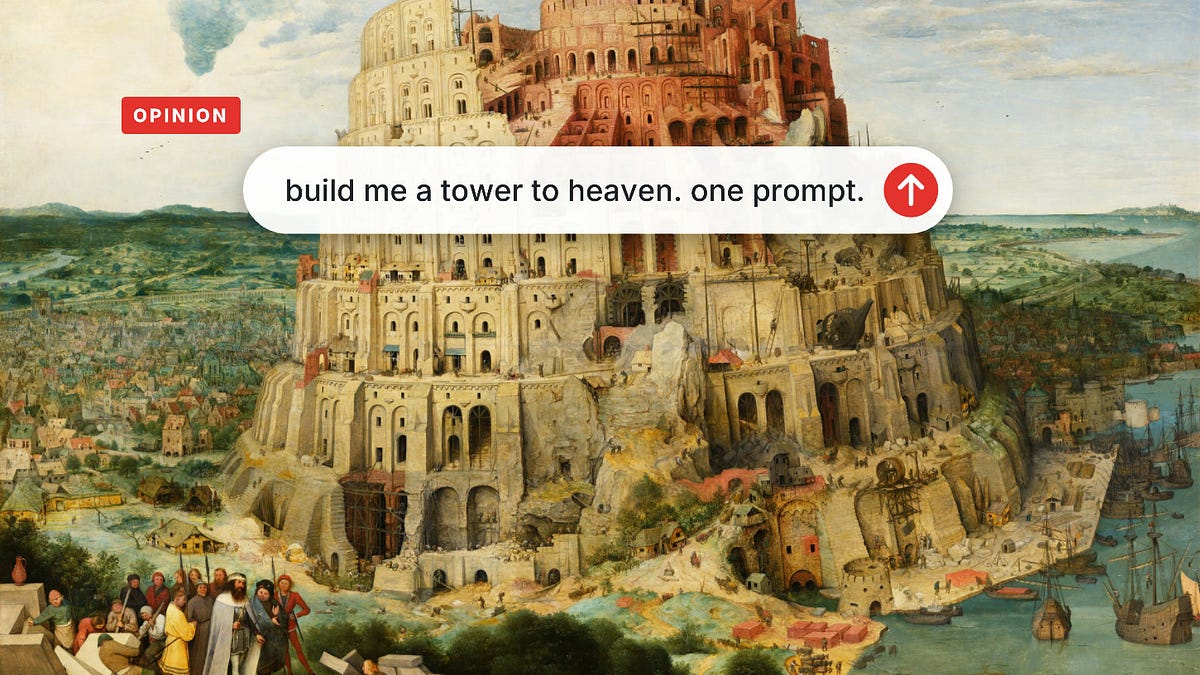
Mobile F2P game design is argued to suffer from an over-reliance on iteration-based methods, and the essay makes the case for substantially more upfront planning. Joseph Kim contrasts two philosophies: iteration-based design, which implements core mechanics and refines until the game is fun, and planning-based design, which maps features, key screens, and dependencies before development begins. He observes that iterators often come from PC premium or casual backgrounds, where retention is high and monetization low.
Kim's central claim is that many designers have turned the minimum viable product concept into a crutch, deferring hard decisions with phrases like "we can iterate on that later" or "don't worry about monetization yet." Because game code is relatively inelastic and often heavily hardcoded, late changes carry significant cost, burning out developers and wasting resources. He proposes "Kim's Law": develop a minimum viable product, but with maximum viable planning. Common failures he cites include half-specified ideas handed to engineering, copying features from top-grossing games without regard to fit, and ignoring how features interrelate.
The recommended planning practice has five parts: confirming the UI can support a feature through wireframes of key screens, mentally playtesting complete user flows, working through major edge cases, assessing system impact on balance and economy, and evaluating design impact on the core loop, objectives, and monetization. He warns, for example, that adding PVE features to a PVP game can be devastating.
Kim concedes that iteration remains appropriate in situations such as experimenting with novel gameplay, and that planning should not become overplanning. Planning matters more for games with greater complexity, more UI, and more systems, as in hardcore titles with multiple PVE and retention systems, citing DOTA Legends. His closing guidance is to concentrate planning in pre-production, when wireframes and specs are cheap, to reduce costly iteration during production. The piece is an opinion essay from 2015 focused on mobile F2P, with no empirical data or formal methodology.
Each row is a game or company this document names, each column a document, oldest first. A mark means that document names it. Select a row to see those documents.
GameMakers · 2026
GameMakers · 2026
GameMakers · 2026

GameMakers · 2026

GameMakers · 2026

GameMakers · 2026

GameMakers · 2026

GameMakers · 2026

GameMakers · 2026

GameMakers · 2026

GameMakers · 2026

GameMakers · 2026
PocketGamer.biz · 2026