
Microsoft’s financial performance for the third quarter of fiscal year 2023 reflects a period of strategic recalibration amidst broader macroeconomic headwinds. Revenue growth remained positive, driven primarily by the continued expansion of the Intelligent Cloud segment, which serves as the primary engine for the company’s enterprise-facing operations. Despite inflationary pressures and a softening personal computing market, the company maintained robust operating margins by prioritizing high-margin cloud services and optimizing operational expenditures across its diverse business units.
The gaming division experienced notable volatility during this period, characterized by a decline in hardware revenue as the lifecycle of current-generation consoles matured and consumer spending tightened. However, this contraction was partially offset by growth in Xbox content and services, fueled by the expansion of the Game Pass subscription model. This shift underscores a long-term strategic pivot toward recurring revenue streams and platform-agnostic service delivery, aiming to decouple financial performance from cyclical hardware sales.
Geographically, the company maintained a strong global footprint, though currency fluctuations significantly impacted reported international earnings. The financial results are derived from comprehensive internal accounting records and consolidated financial statements prepared in accordance with generally accepted accounting principles. By focusing on long-term investments in artificial intelligence and cloud infrastructure, the company seeks to sustain its competitive advantage in the enterprise software and digital entertainment sectors. These findings indicate a transition toward a more service-oriented business model, designed to provide resilience against fluctuating consumer demand and shifting global economic conditions.
Microsoft · 2026

Microsoft · 2026

Microsoft · 2025

Microsoft · 2025

Microsoft · 2025

Microsoft · 2025

Microsoft · 2024

Microsoft · 2024

Microsoft · 2024

Microsoft · 2023

Microsoft · 2023

Microsoft · 2023

Room 8 Group · 2025

Game Developers Conference · 2024

Ampere Analysis · 2023
Konvoy · 2023

Newzoo · 2023

Sensor Tower · 2026
Drake Star Partners · 2026
Aream & Co · 2026
SocialPeta · 2026
GDC · 2026
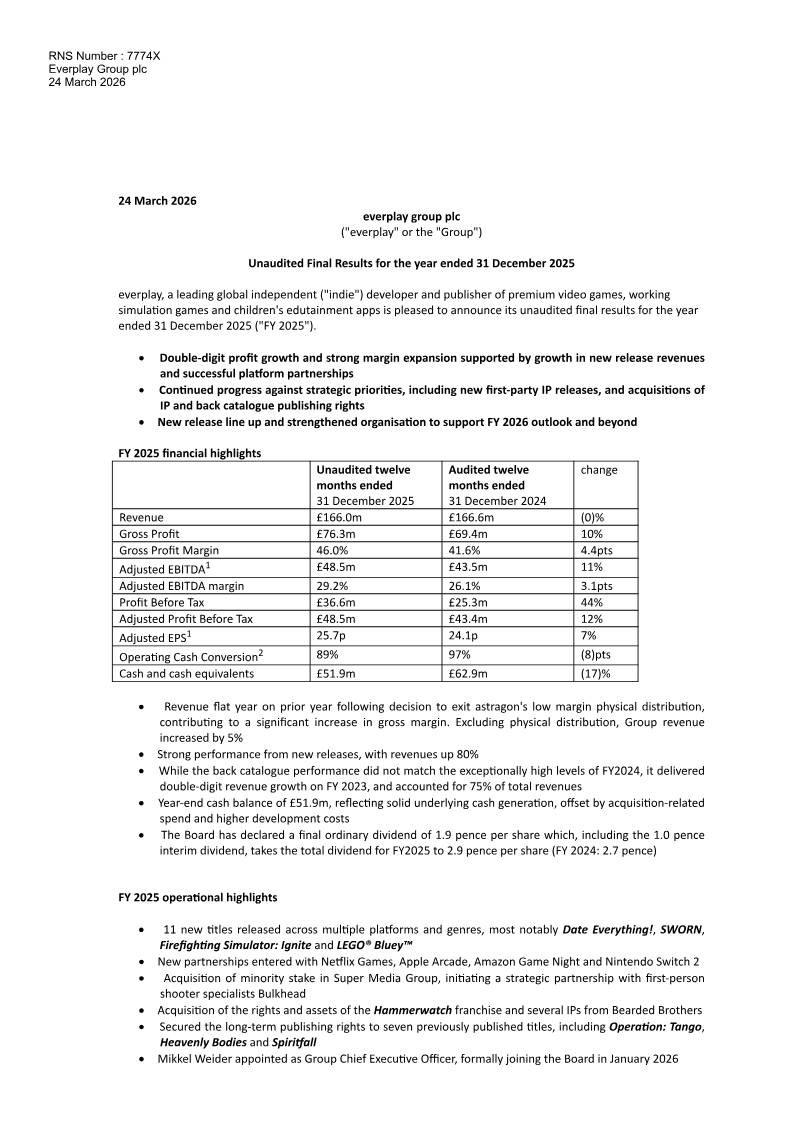
Everplay Group · 2026
BITKRAFT Ventures · 2026