Key insights
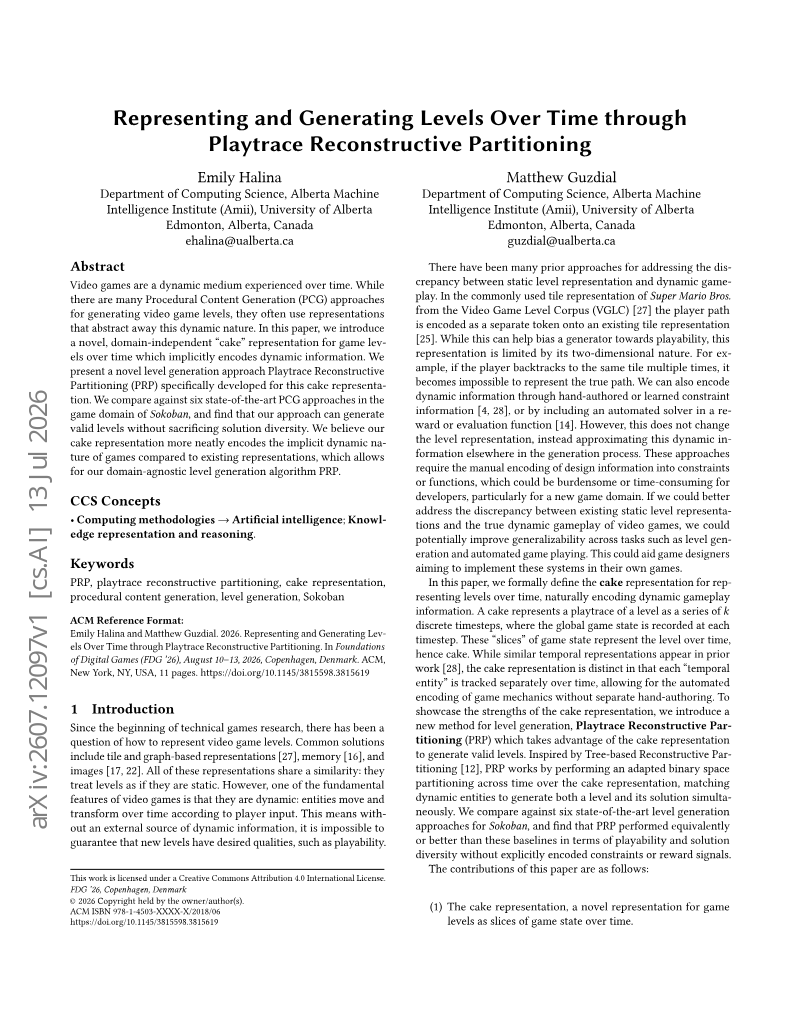
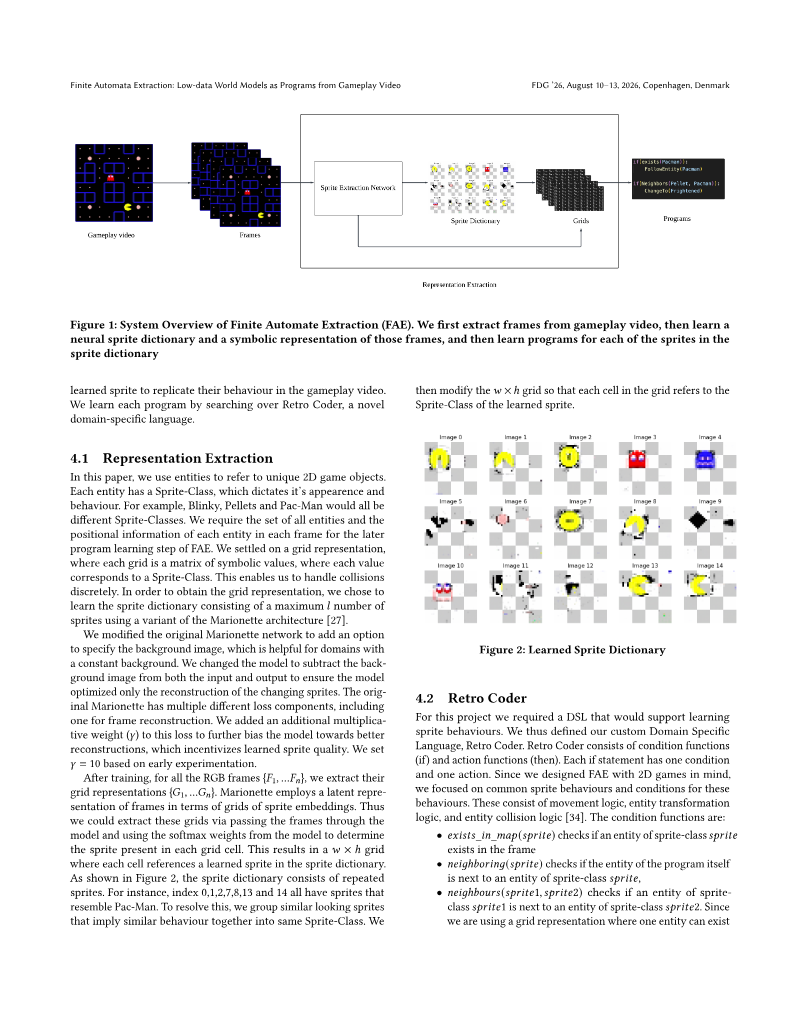
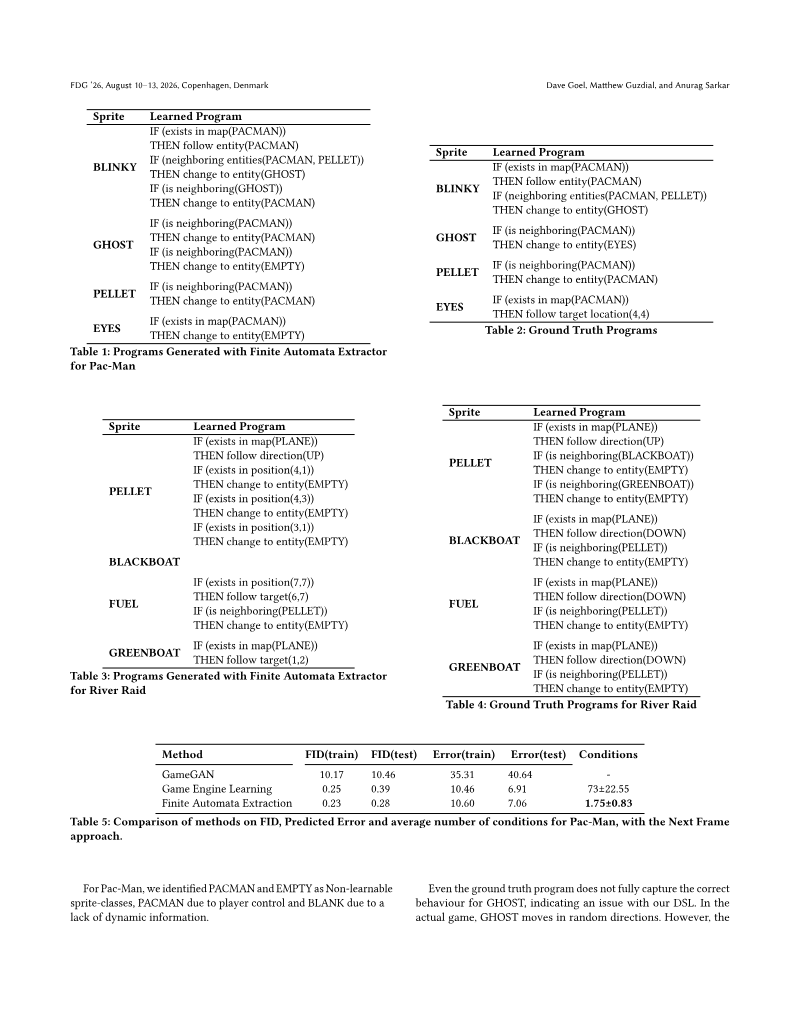
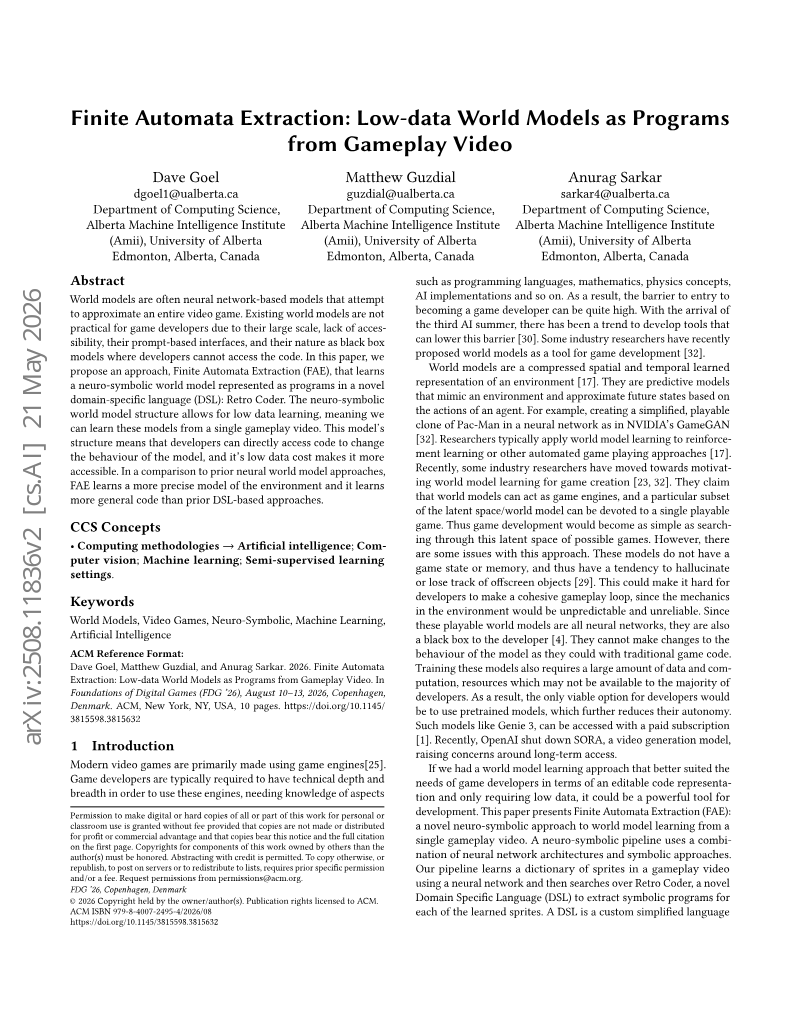
4 slides
Performance validation
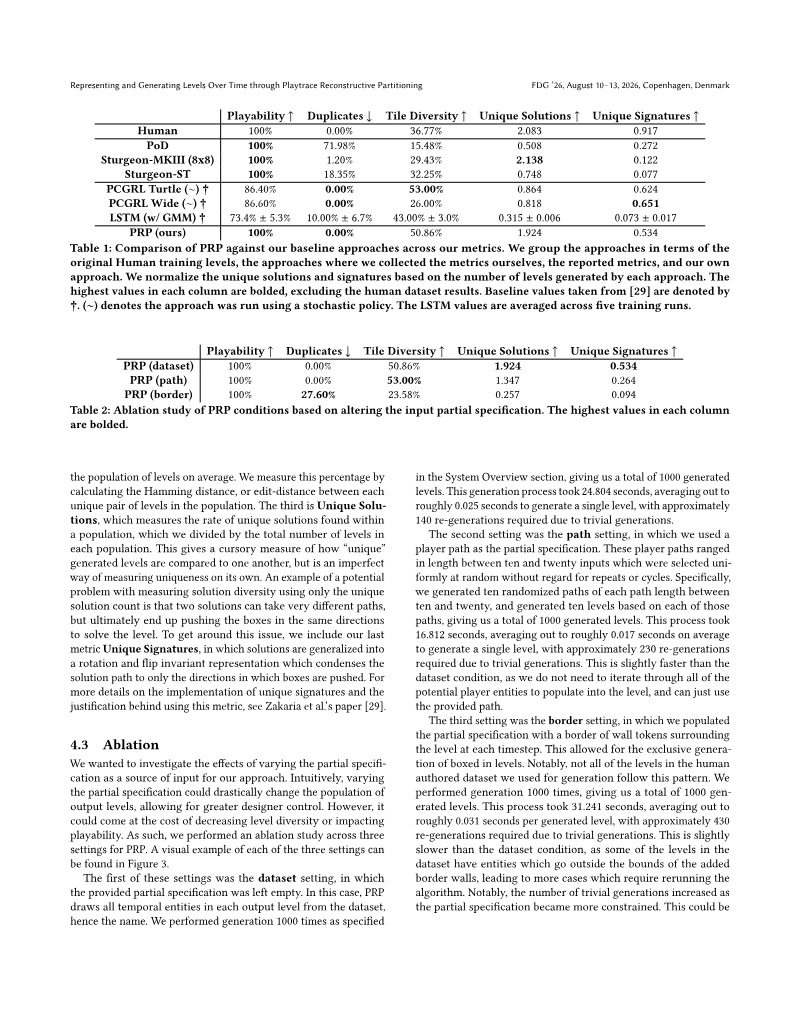
Automated evaluation functions rival hand-crafted programs and outperform general-purpose methods in Othello.
Experimental validation confirms the superior predictive accuracy of this automated strategy.
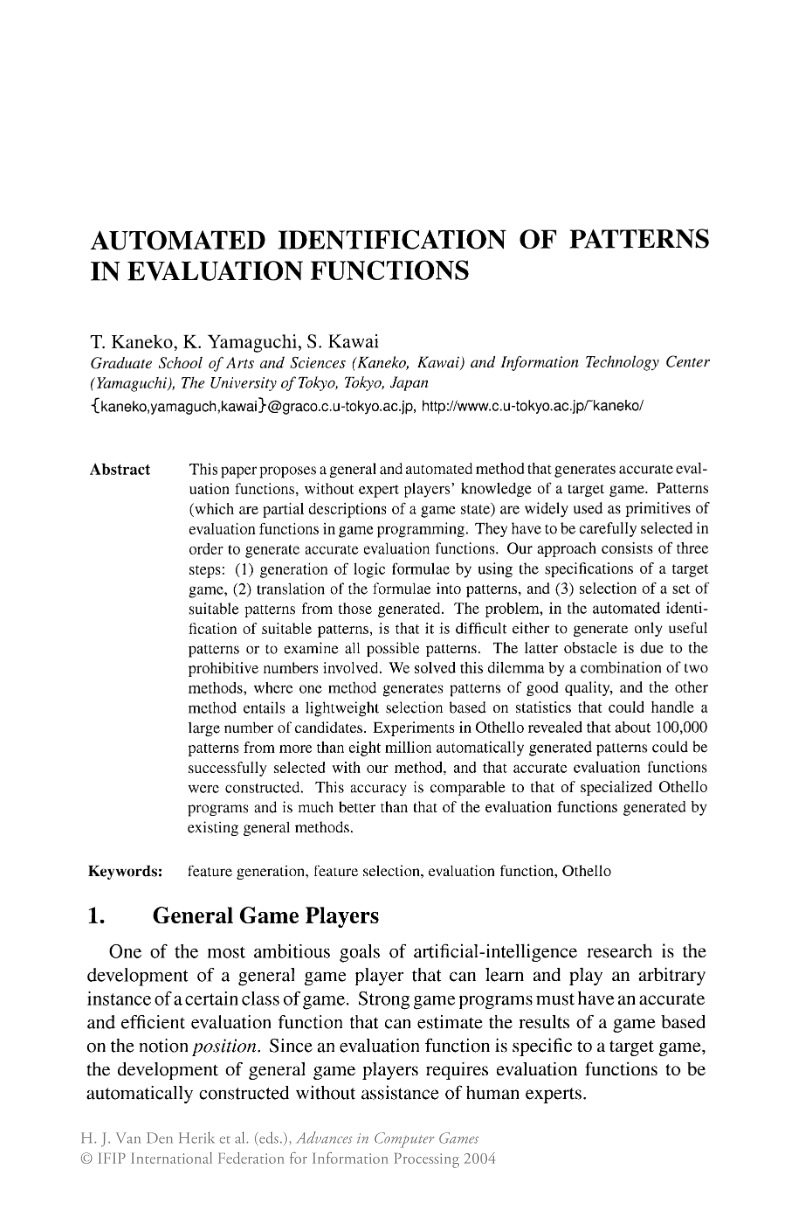
Proven efficacy. Experimental results in Othello demonstrate that this automated approach produces evaluation functions that rival hand-crafted programs and outperform existing general-purpose methods.
1 / 4
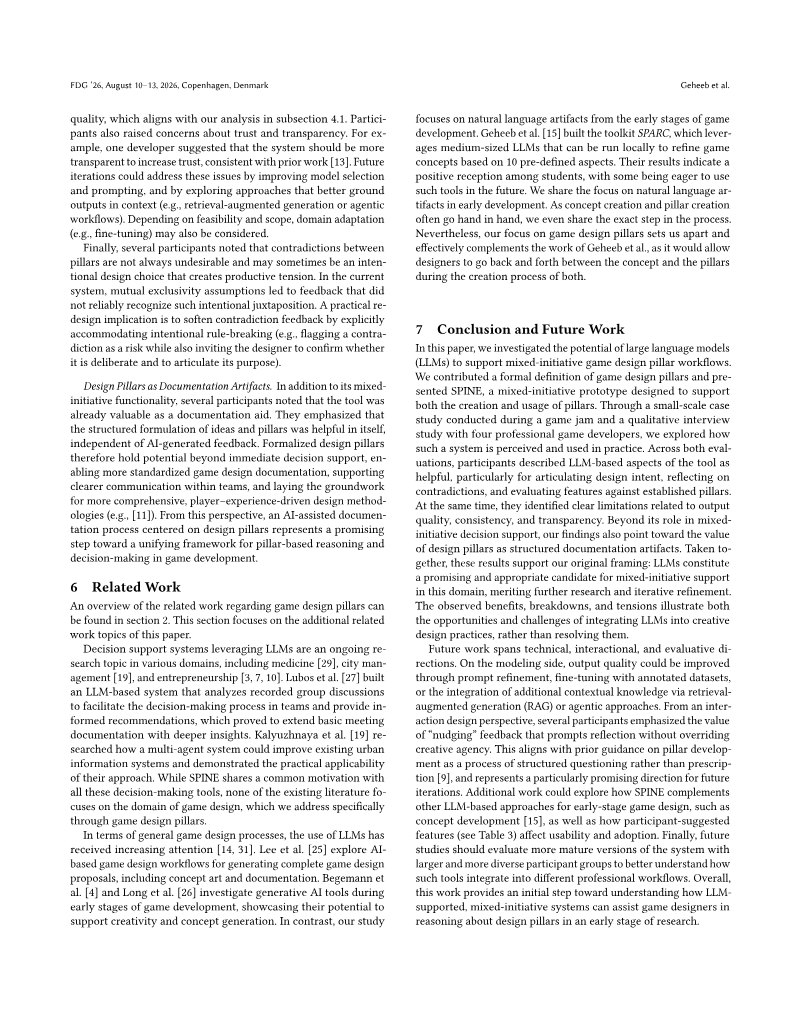
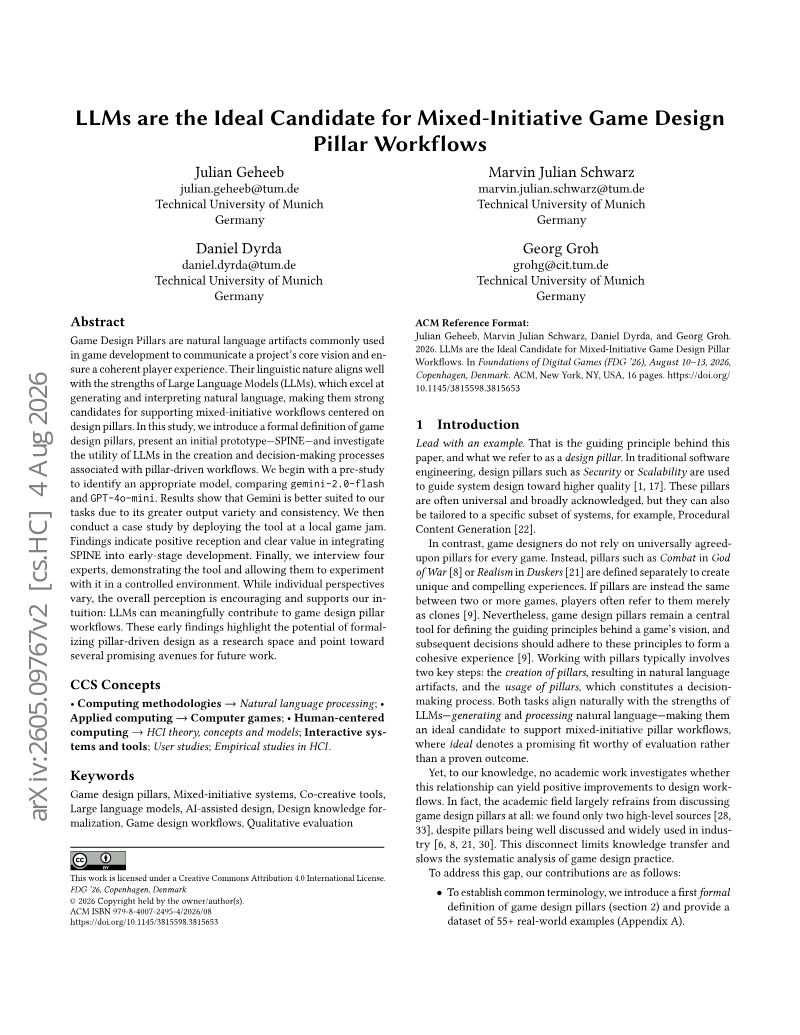
- 01Automated pattern identification can build high-accuracy game evaluation functions without human expertise by filtering millions of candidate logical patterns.See it on page 1
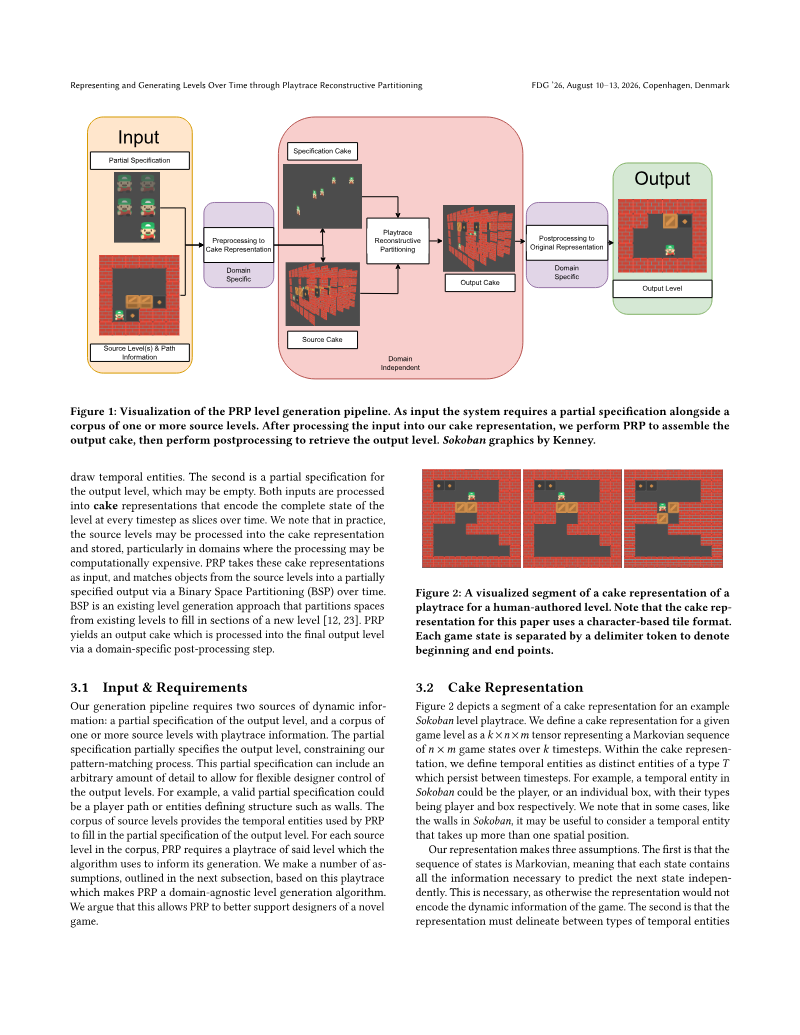
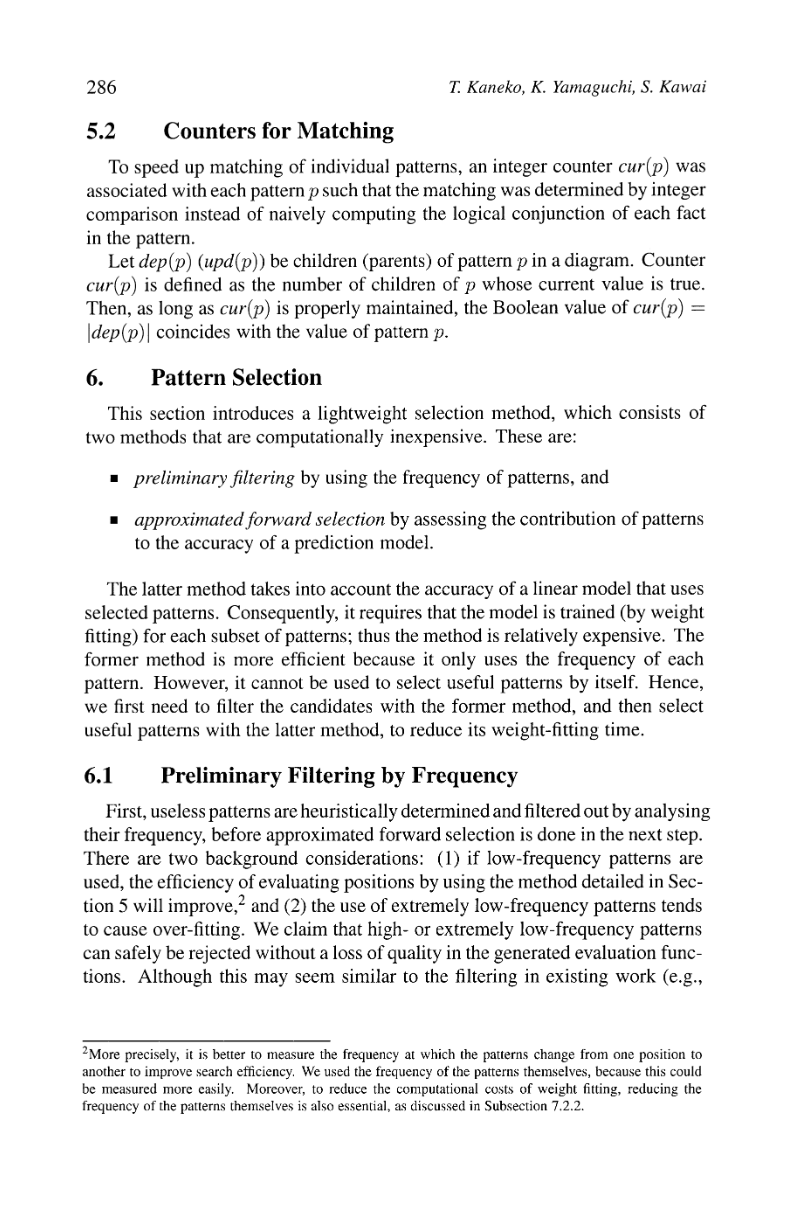
- 02The methodology successfully distilled 100,000 high-utility patterns from an initial pool of over eight million candidates using frequency-based filtering and forward selection.See it on page 8
- 03Experimental results in Othello demonstrate that this automated approach produces evaluation functions that rival hand-crafted programs and outperform existing general-purpose methods.See it on page 1
- 04Statistical selection is critical to performance; random pattern selection leads to significant degradation, whereas rigorous filtering ensures only the most predictive features are utilized.See it on page 8
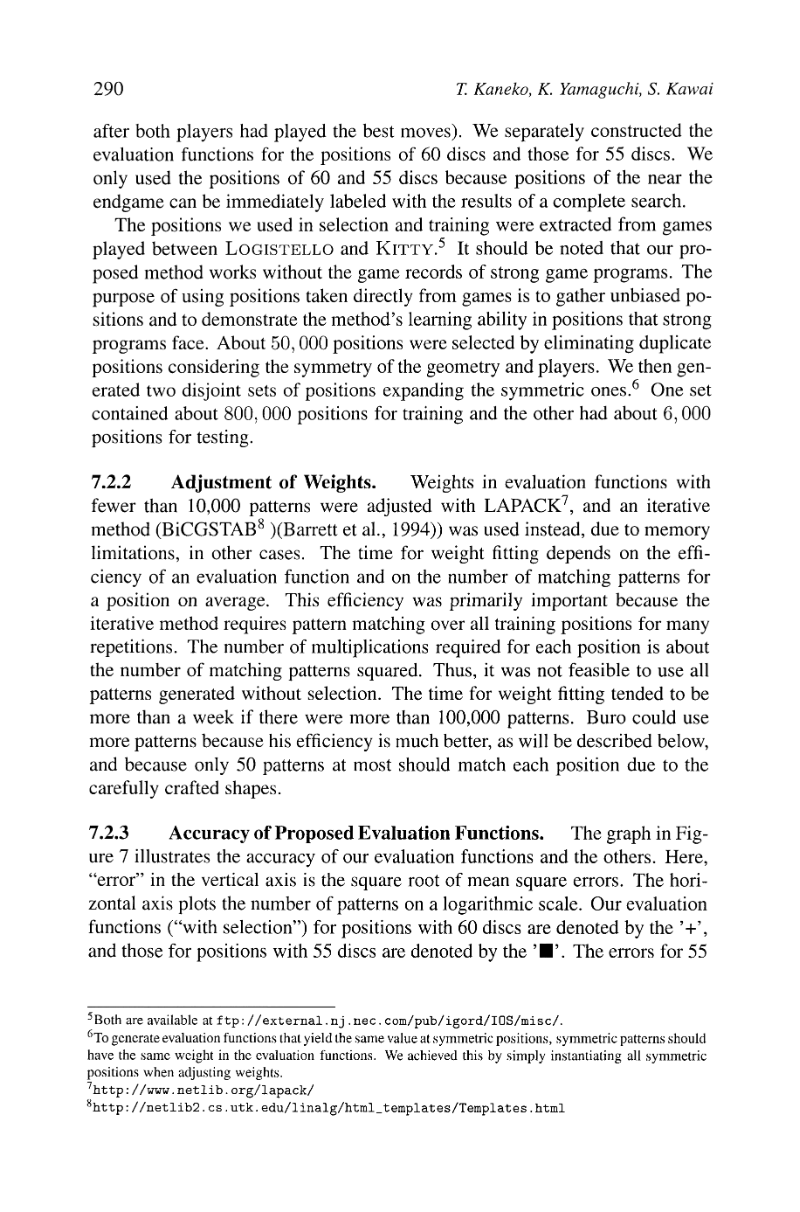
- 05A trade-off exists between model precision and computational overhead, necessitating the integration of efficiency-based criteria into future selection pipelines.See it on page 12
- 06This framework provides a scalable, game-independent foundation for developing sophisticated evaluation engines across diverse gaming environments.See it on page 1
Ask AI about this report
Summary
Automated pattern identification offers a robust, game-independent framework for constructing high-accuracy evaluation functions without relying on human expertise. By systematically generating millions of candidate logical patterns and applying a rigorous statistical selection process, this approach effectively distills complex game states into actionable data. The methodology utilizes frequency-based filtering combined with an approximated forward selection algorithm to isolate the most predictive features, successfully identifying approximately 100,000 high-utility patterns from an initial pool of over eight million candidates.
Experimental validation within the context of Othello confirms that this automated strategy produces evaluation functions that rival specialized, hand-crafted programs and significantly outperform existing general-purpose methods. The findings underscore that the quality of an evaluation function is intrinsically linked to the selection process; random pattern selection leads to substantial performance degradation, whereas the proposed statistical filtering ensures that only the most relevant features contribute to the final model. This demonstrates that computational intelligence can effectively replace manual feature engineering in game development.
While the current implementation achieves superior predictive accuracy, a notable trade-off exists between model precision and computational overhead. Future refinements must prioritize the integration of efficiency-based criteria directly into the selection pipeline to optimize performance. By balancing these competing demands, this automated framework provides a scalable foundation for developing sophisticated evaluation engines across diverse gaming environments, effectively bridging the gap between raw computational power and strategic decision-making accuracy.