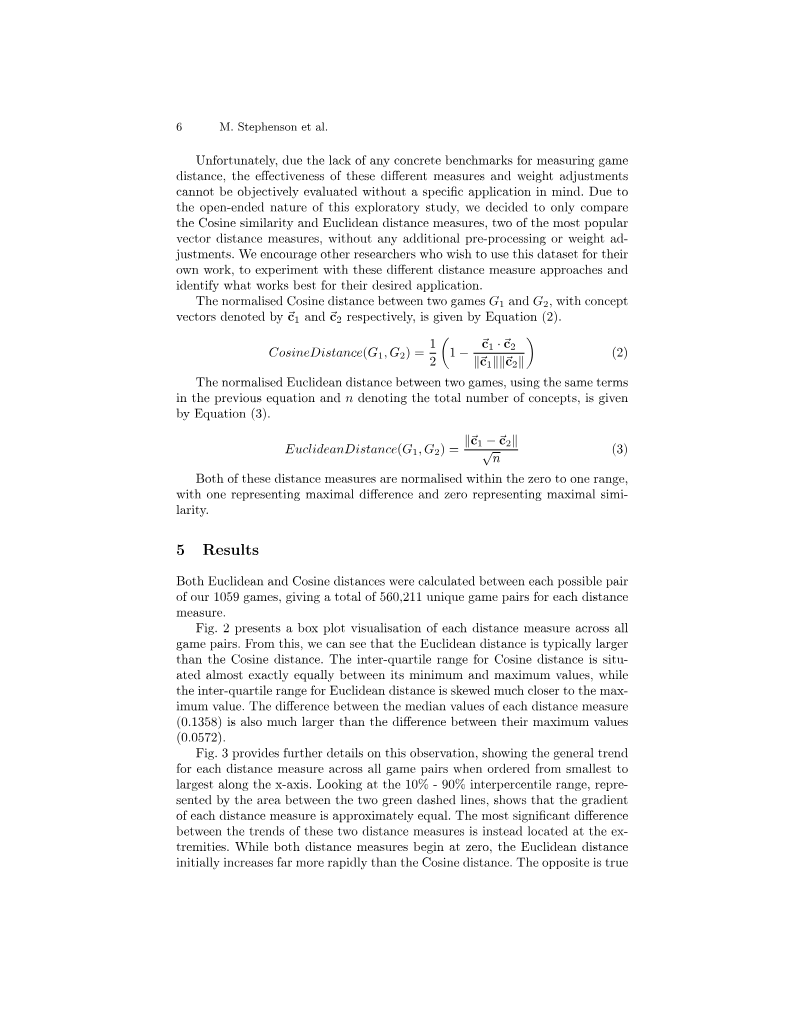
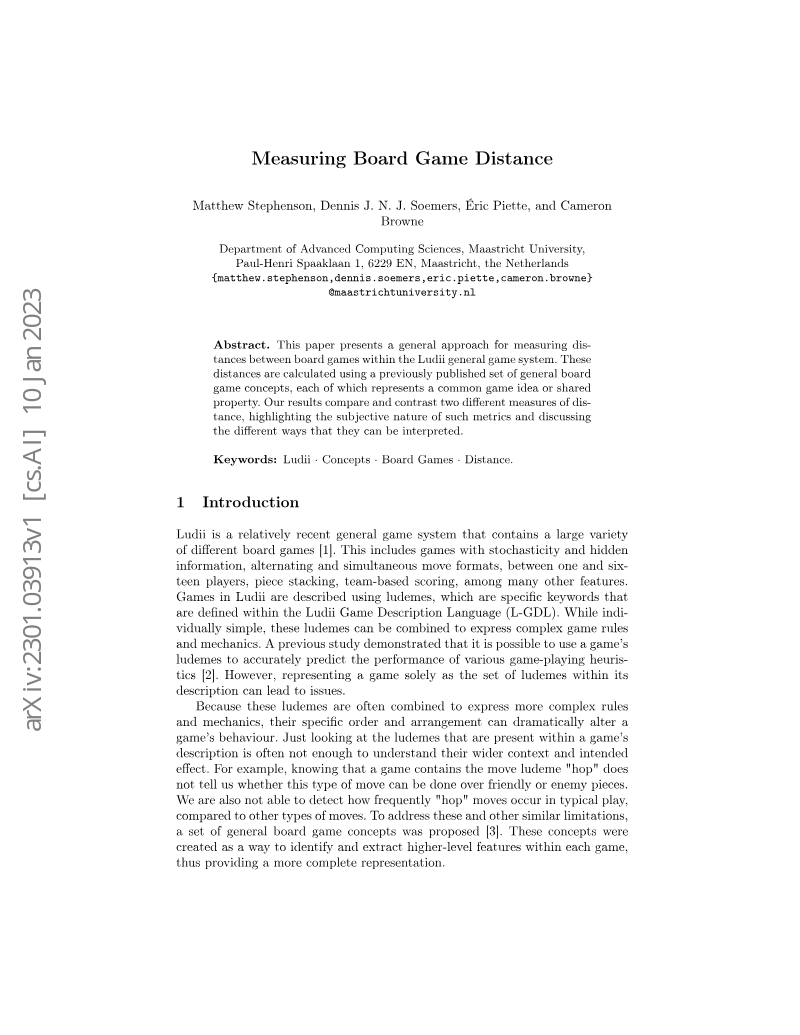
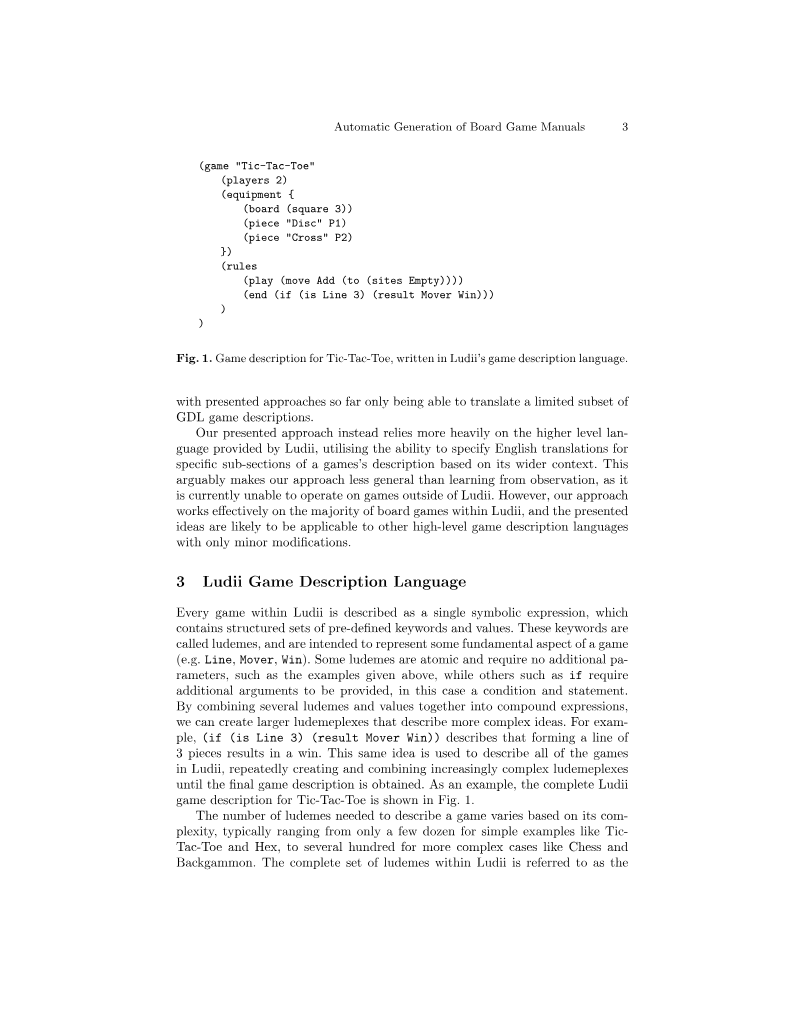
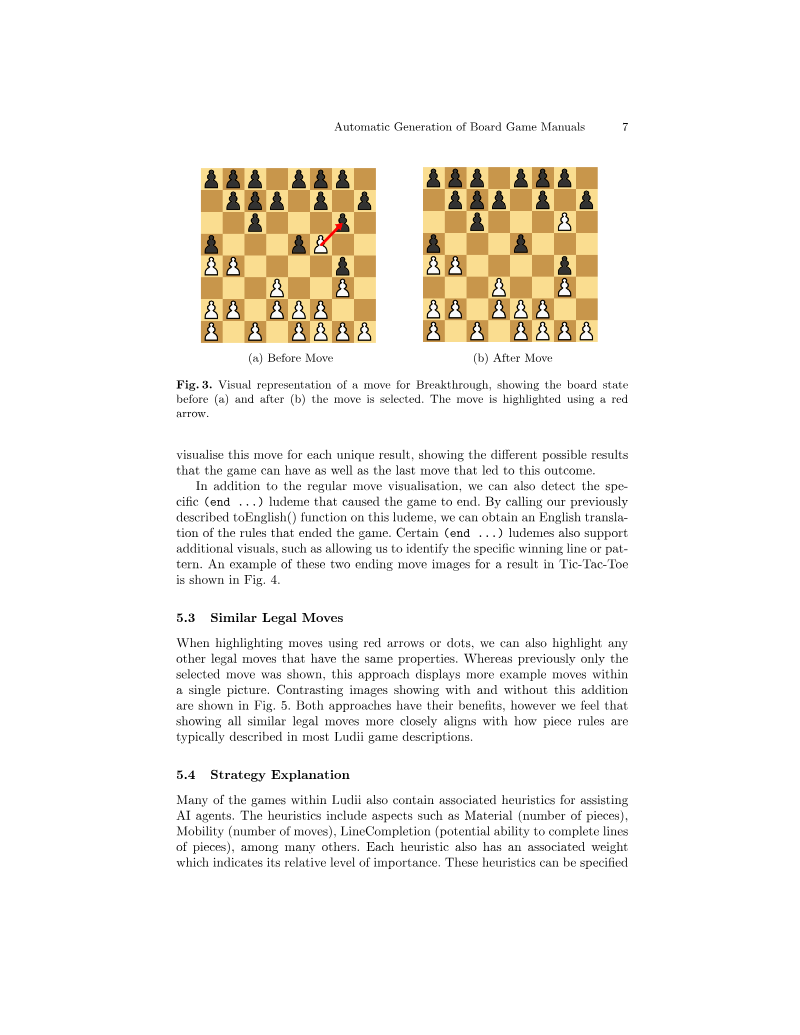
The Ludii general game system provides a comprehensive framework for modeling the geometry of diverse board games through graph-based representations. The primary objective is to enable the consistent digital description of traditional strategy games, facilitating comparative analysis within the Digital Ludeme Project. By defining boards as finite graphs composed of vertices, edges, and cells, the system allows for the intuitive modeling of arbitrarily complex play surfaces. This approach has successfully supported the implementation of over 950 traditional games, demonstrating the versatility of the underlying grammar.
The methodology relies on a modular system of tilings, shapes, and graph operators that allow users to construct complex topologies from simple primitives. The system automatically detects topological relationships—such as adjacency, orthogonality, and diagonality—and generates radial paths to support piece movement. These geometric properties are further enhanced by relative direction and step definitions, which allow for the transfer of movement rules across different board structures. For instance, a knight’s move can be defined as a consistent walk regardless of the specific board tiling, provided the underlying graph supports the necessary connectivity.
The system’s flexibility is further extended by advanced graph operators, such as dual transformations and subdivision, which enable the creation of exotic and non-standard board designs. By treating game boards as programmable graph structures, the system provides a robust foundation for general game playing. Future developments aim to refine symmetric board colorings and adaptive coordinate labeling, further expanding the system's capacity to represent the full spectrum of historical and contemporary board games.