VideoNaavik
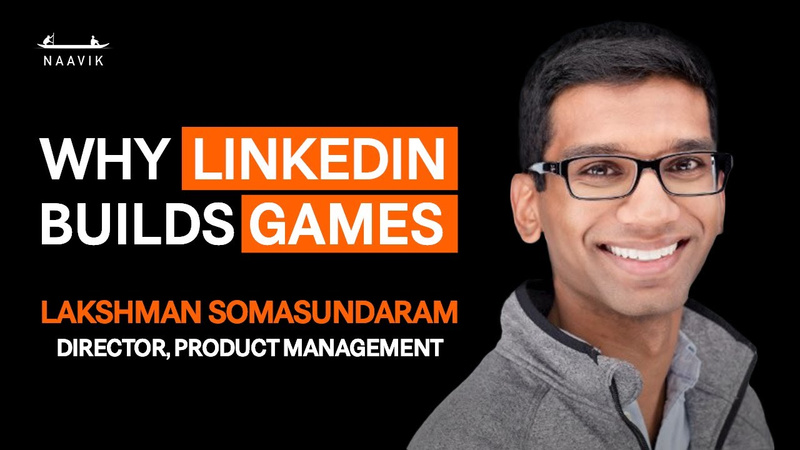
LinkedIn's Gaming Strategy: Using Games to Foster Connection and Conversation
13 Nov 202470 min video
Transcript
[Music] welcome to the navic gaming podcast where it is our mission to explore the business and future of video games we bring together the industry's brightest Builders investors and thinkers to keep a pulse on current events dissect emerging Trends and games share Lessons Learned and have a great time this podcast is also part of novic growing ecosystem which ranges from free and premium research to Consulting and AD advisory services for more information visit [Music] www.nic.edu overwolf is the guild for in-game creators whether you're a gamer Creator or game studio overwolf is the ultimate destination for integrating ugc in games
for Game Studios overwolf offers curse Forge for Studios a white label solution that lets game makers and Publishers easily integrate mods safely and seamlessly into their games both existing and new at zero cost it's battle tested by triaa Studios and games including Maxis with the Sims 4 Studio wild card with Arc take to interactive and others for creators overwolf is the all-in-one platform that enables creators to build distribute and monetize in-game apps mods and Game servers in 2022 overwolf paid over $160 million to in-game creators proving that they truly value the talents and contributions of The Gaming Community you can check out everything over wolf has to offer at overwolf decom or check out the details in the show notes and with that let's jump into the episode what's up everyone and welcome to the novic gaming podcast I'm your host Alex and this is the interview and insight segment if you're on LinkedIn which you
probably if you're listening to this podcast are you've noticed a new section on the right hand sidebar under LinkedIn news it's called puzzles some of you may have seen recent connections play one of linkedin's four live games Queens pinpoint cross climb or the newly released Tango and it gives similar energy of the New York Times gaming puzzle section combined with a hint to hint of the old era of FarmVille on Facebook LinkedIn has around 1 billion members in over 200 countries worldwide for perspective Facebook has over three billion members and the New York Times has around 9 million online subscribers there's a systemic Trend in social media networks to create gaming like engagements inside their platform from Snapchat building up and then sunsetting snap games and even something like dualingo incorporating several tactics used by Mobile gaming companies to increase retention and enhance engagement today we're going to talk about linkedin's approach to building a gaming feature set inside the platform and discuss building games inside social media networks as a whole with that it
is my pleasure to Welcome lakshman somasunderam to the novic studio today lsh is a director of product management at LinkedIn where he is currently leading the moonshots org one can probably ascertain from that name that moonshots is responsible for radical Innovation on the platform and one of those current initiatives is LinkedIn games of course LX has been at LinkedIn for almost a full 10 years and I'm really excited to have someone with such a long tenure at the company join us on air welcome to the show thanks for having me Alex excited to be here yeah it's awesome you seemingly are huge LinkedIn Fanboy um I am years almost yeah yeah yeah it's pretty rare to have somebody um be at the company for so long uh nowadays and so actually that's a great intro into uh talking a little bit about yourself um and telling the audience a little bit about you um I gave you a bit of an overview but I'd love for you to walk me through you know how you came to be at LinkedIn you graduate from Yale and you sort of just long-term commit to this company
um what Drew you to LinkedIn and describe your tenery at the company over the past decade this It's Kind of a Funny unexpected story so it'll it'll all connect uh towards the end but the way my LinkedIn Journey started uh it was a summer between sophomore and junior year of college I was interning at first round a VC firm in San Francisco and Linkedin sent out an email to like all the interns in the city being like there's a hackathon does any want to partake in the hackathon so I go and participate in this intern hackathon at LinkedIn headquarters in Sunnyvale uh the summer between my sophomore and junior year of college next day and I end up meeting a bunch of people from LinkedIn through that and I end up having conversation with a couple people about what I wanted to do after college and uh where that story goes is I'm from a Small Town Pennsylvania called kennet Square um where if you're a mushroom fan uh you probably heard of it it is the world's capital for mushrooms so any types of mushrooms that people consume they're probably grown in Canada Square over 50% of mushrooms consumed in the US are grown in the small town in Pennsylvania and what that means is most
of the population where I grew up is migrant Farm Workers and a lot of what I was always interested in is upward economic Mobility for Farm Workers and I was having this conversation with people from LinkedIn like LinkedIn you know the mission is to connect the world's professionals to create Economic Opportunity um and it feels like there's so much that the platform could do to help populations like migrant Farm Workers create economic mobility and what that resulted in was me starting to work for LinkedIn from school uh working on projects related to this in terms of Frontline work firstline workers uh to help create economic ability help people find Community College training programs to upskill um all that sort of stuff and that's when I became like really attached to the mission of the company and that's kind of the reason I've still been here 10 years later where everything I worked on since I started 10 years ago to today connects back to the idea of like creating Economic Opportunity for people I think it's awesome to be somewhere where you get to work at The Cutting Edge of tech and at the same time doing good and doing well at the same time wow that's awesome well
first I'm also from Pennsylvania and so you just educated me as a fellow Pennsylvanian on something that I did not know about P Pennsylvania's uh aptitude for mushroom agriculture um and second I love that message and I wish we could talk about that more because I actually know that it's one of the big um this is very very like off topic but tendentially related to LinkedIn but you know LinkedIn has definitely had the presence of being a strong professional White Collar Network um and there's actually a lot of I think in the startup space for people that are trying to build the LinkedIn for miners or for like you said um the people that we're working on this mushroom farm uh so I wish I could talk about that the whole time but unfortunately we're talking we're talking about games but but very cool story um so let's kind of get to that um I read Daniel's roths and your piece on link in and why they should pursue games and what's the game strategy but I would love for you to tell the audience who
may not have read those blogs you know why like why build games at LinkedIn yeah totally so kind of what I mentioned earlier everything we think about at LinkedIn goes back to the mission to connect the world's professionals to make them more productive and successful and one thing that we've always thought a lot about is the fact that you know you might come to LinkedIn and you'll connect with people who you know in your Professional Network right but the most important thing is not just connecting with people but actually staying in touch staying in contact with them because when people stay in touch that's what creates real conversations that's what creates introductions referrals all the things that result in Economic Opportunity in the world happens from from people being connected those connections staying in touch so one thing we think about constantly as a company is how do we actually help people stay in touch with their Professional Network and the people who they know and one of the things you realize is when you look at like ignore technology ignore LinkedIn ignore the app for a second when you think about the real world and when you think about how people stay in touch in the real world in a professional context how people form bonds what we've noticed and
hopefully you've felt too is that a lot of it is by having fun together where work and fun are not disconnected topics at all or oftentimes you actually meet people at that happy hour you end up you know you're on the little pickle ball team at you know at work and you end up meeting people through that and that's how you form great connections uh and that's the reality of the real world where by having fun together we actually deepen our professional connections and historically there hadn't yet been a way on LinkedIn to really have fun together in a way that deepen these professional bonds and that's why we got into the space where it didn't start with like hey we want to be a gaming company we don't want to be a gaming company we are a professional opportunity networking connection company and that's what our mission has always been about and that's what it will always be about games is just another Avenue for us to pursue that same mission where by enabling people to have fun together by enabling them to talk about those games together that actually creates a really lightweight way when I share my queen score with you and you share your queen score with me and we start talking about that that creates a really nice inroads
into having a deeper conversation about something else yeah I I totally see that it's about also just having shed experiences of you know whether or not it was fun fun or type two fun um it's something for you to to mutually talk about and so I think that makes sense for maybe the LinkedIn approach as to why LinkedIn pushed this but I guess another question is you know were people asking for this uh at LinkedIn uh your like the the the users the daily active users of LinkedIn and why this versus any other LinkedIn feature that's probably in the pipeline of which there's probably a plethora um look so one thing that we've heard consistently from our members uh and from professionals is that one of the most common water cooler topics that people talk about is daily games that they play and these have existed forever right crosswords are over a hundred years old now people playing crosswords bringing them into work people playing sudoku people playing wle all these are existing Trends and people do these when they come into the work plays and you
know you get off the bus you get off your bike you come in you talk about today's worldle you talk about today's Crossroad you talk about the soku that you just played and it becomes this really easy conversational topic so the fact that so many of our members are doing that already every single day and when we think about the types of games that we're focused on right we are focused on a very specific Niche category of games that we call thinking oriented games like they are meant to exercise your mind if Queens is hard one day it is meant to be hard that day because it is meant to exercise your mind oh it's hard yeah so felt like this kind of perfect coming together something that people already do in the context of conversations at work and something that actually exercises your mind because anything that we do we want to ensure it fits within the ethos of LinkedIn fits within this idea of like this actually feels like a really productive way for me to take a break for me to do something on the way into work that only takes a minute a couple minutes um so that's how it really came about was this idea that people are professionals are already playing games in the morning often that are thinking oriented games you can imagine when you
bring the magic of LinkedIn into that which we'll talk a lot more about that it becomes even more powerful I see I see um okay and so then you've been mentioning a lot about like these these thinking games these learning games and I kind of want to ask a question because I think that this is something that has happened to the New York Times who has also done and attempted to install this really big you know again thinking game strategy think Wordle and connections these are all like you know they're not like fpss but um I want to ask me like a potentially contentious question note this is not my personal view because I've made games literally my entire professional vocation um but I guess maybe someone could say you know isn't LinkedIn a professional networking site and isn't it potentially detractive for it to become quote a gaming site now I asked this question mostly mostly because of the following New York Times is engagement patterns of their users is actually shifting towards games significantly and it might be a potential augury for the future so a lot of New York Times readers are spending more time playing the New York Times
games than they are actually reading the news and I kind of wonder if this is something that LinkedIn may be considered when it comes to linkedin's Mission and values as a professional networking site you know causing the parallel of saying that the New York Times is meant to deliver news and opinion on the State of the State of our globe and then people are playing the cross word um so I don't know any thoughts as regards to to that okay so a couple thoughts one we are super intentional about the fact that every that we do connects back to the mission it's about creating Economic Opportunity um when people come to LinkedIn it's to connect with folks so the reason we have games is to help people connect with people right it's like one of many Avenues through which you can connect with other individuals on LinkedIn we're not a gaming site right we are a professional networking opportunity site it's the reason when you go to LinkedIn the games are there right but it's not like games is the entire product or the entire site uh and we're super intentional that that's not the plan the plan is for our product to always be where you go to create opportunity for
yourself and for others and games is one of many vectors on the site that enables people to do that got it and for the for the folks you know when it comes up the topic of we're bringing games into something that's professional that's where the like the worldview that we're taking is that the world is evolving to one where fun and work really really come together really well and especially with geny entering the workforce cannot be more common today in terms of fun and work going hand inand and Linkedin should always like when I think about what LinkedIn should feel like it should feel like the world's best workplaces if you log into LinkedIn and it feels like the world's best workplace we've done our jobs and the world's best workplaces have fun as a part of them so we need to have fun as a part of it well I can totally get behind that mission uh again wanted to say that um I am definitely a huge believer of having work be fun and um you know obviously I make games for a living so um very exciting uh okay so in terms of you know you said you're going to be a gaming platform um and we're
going to talk a lot more about linkedin's games the specific games you have you know what what who's playing what Etc and some of the more like product management stuff and kpi things around those games in the future but in general um what is the overall business objective for having this you know how do games tie into the p&l at a high level right you know you talked about it being connection so that's my experience as a user but for LinkedIn as a business um I guess my head goes towards this is hours on platform but it's not currently necessi right tied right now to monetization so and we'll talk more about this later as well but how do you guys see LinkedIn games folding into the overall business for LinkedIn so when you think about linkedin's business whether it's Talent Solutions which is our recruiting Business Marketing Solutions which is advertising on the site uh sales Solutions premium and so on the tide that lifts all boats is when people are connected to each other and they have conversation so let's take the Talent Solutions example uh the for example so when people get jobs on
LinkedIn what makes unique about getting a job on LinkedIn or through Linkedin is the fact that you can get one through a referral right by looking at someone's profile by reaching out to them so they connect you with someone who they know a mutual connection you end up talking with that person that ends up helping you get a job in a really effective meaningful way so the way that we think about initiatives like our games is that it should be a part of the tide that lifts all boats it on its own is not a monetization Initiative for the company right what it does is it creates conversation it creates Community it creates connections it deepens and reignites the connections that already exist when that happens all the boats start to lift right we see people actually getting jobs we see people connecting with each other starting conversations that they otherwise wouldn't have started so that's how we think about it you know we're a ultimately the most important thing for us always talk about Members First when people come to the platform we need to deliver on our mission for members whatever we do to deliver on that mission for members to help them connect
with each other to help them have conversations that drives all the business lines um and that's the reason for example when you go to the games today you don't see ads on the games right because the way that we think about the reason that we have this product going back to Members First going back to connection conversation it's to drive that it's to drive the connection conversation and we know that when we do that really really well and we can actually reignite spark relationships and conversations everything else starts to flow okay got it yeah yeah it's definitely like a yes A bolstering of the whole LinkedIn engagement on the platform and we'll definitely talk a lot more later about who is doing that and how is that actually going for you guys so far but I'm going to take a little bit of like a side pivot to talk a little bit about some strategy stuff sure um in general social media platforms as a Marketplace for games um and kind of like the LinkedIn highlevel strategy because I'm sure that you guys are looking across to other social media platforms who have done this in the past and seeing what you like and seeing
maybe what you don't like and so before we jump into more detail about LinkedIn games um I selected about three to four social media networking sites that have taken tactics towards building games and of course this is not exhaustive but I'm kind of gon to run through a couple of these um and then we'll have a little jam session about it so the first is Facebook Facebook games had its major Heyday with Farmville nightclub City Mafia wars Pet Society Backyard Monsters Tetris during the of the 2010s and none of these games were actually made by Facebook themselves but they were partnered games on flash for web browser on Facebook canus uh Farmville particularly is a game that we probably all know really really well and Zinga Mark pinkis wrote that the real innovation in Farmville was making games accessible to quote busy adults giving them a place to invest and express themselves Farmville is also the Cornerstone of zinga's Big Data strategy um however it's as as it's widely known Facebook discontinued its game the official reason is that adobe shut down Flash Player uh which made it difficult
to support web browser games but the shift also largely coincided with the rise of mobile platforms which led Facebook to prioritize mobile app installs over web gaming um but despite this one could probably consider that Facebook's forray into gaming was a significant success story for the platform so that's the first one Facebook the second one is Snapchat um which is maybe the opposite side to the Facebook success story Snapchat games um in 2023 Snapchat officially pulled the plug after years of lower than expected traction and monation as the platform struggled to put positive margins and growth into this business um at the same time Snapchat games weren't played by nobody um they were regularly engaged with uh actually but I even myself remember playing some of the basketball games with friends but um they're built internally though there were some Partnerships with Studios like king um but arguably this is probably a failure story for games on a social media platform and then finally telegram uh shout out to my colleague uh Nick oy another host with us who hosted a
conversation about telegram games which is a fastest growing distribution platform for games currently uh he hosted the CEO of Mighty bear who built a hit game on telegram that hit two million users in five weeks um they have over a billion users and 200 million games today these games also leverage crypto as payment um as telegram is obviously known for being built natively for the crypto community so I say these couple of examples Facebook Snapchat and telegram um because it kind of set the scene for some of the strategy that other social media platforms have done or taken in the past or are currently taking um what do you think about these three um and how does LinkedIn strategy or what lessons do you take from prior platform successes or failures um thanks for sharing I think so first thing to acknowledge it's like we are definitely standing on the shoulders of giants when it comes to this space right we are not you know I've said it multipl we're not a gaming company uh and there's a lot of companies that have really trailblazed over the last 5 10 15 20 years whether it's in mobile games PC games thinking
oriented games and we're learning from all that and we get to benefit from learning from all that so I think it's the first thing even though some of the the things that you shared maybe didn't work out for those companies necessarily but I think there's a lot of meaningful learnings from those that help all of us who are working in the the gamees space today so it's the first thing I'll share in terms of when I think about our approach and what makes it unique um the first thing I would say is we do not see ourselves as a platform where we bring a bunch of games onto the platform for people to play those games so this isn't like third party Publishers come in it is a frequent ask that we get for third party Publishers who have games to want to have their games on our goal is not to have a suite of 10 20 30 40 50 how many ever games right that's not it's not a metric we track it's on a metric we care about we're not looking to have a large number of games we're not looking to have every popular game on LinkedIn in fact our strategy is very much focus on having games that are 100% exclusive to us and that you can only play on them and the reason we've gone down that path is
going back to the thing that we care most about is the games need to be ones that actually drive community and drive conversation and are very thinking oriented and that's like a very Niche combination right you want to have games that actually get people talking so that you start a conversation with someone you otherwise might not have started a conversation with and when you play you want to feel like whoa like I'm actually exercising my mind and that's helping me rejigger a thought or it's helping me prepare for a certain meeting like actually really productive and uh the class of games that fall into the category that meets both those is actually quite small so that's the reason we're very focused on ensuring any game we deliver to our members it's not just us putting like our stamp of approval on it like we are the ones making it uh and part of the path that we went down is we went and hired some of the world's best talent to make these games so Paulo PCO who is the national Crossroad Champion uh this year shout out to him he is our games we just heard a little clock go off that was my my
computer sorry about that but um Pao pasca who is our uh games editor internally at LinkedIn is the national cross word Champion so he is one of the world's foremost people when it comes to the space of creating Word games Thomas Snyder who's the three-time world soku Champion is the person who is making queens and Tango every single day oh no wonder it's so hard you know it's a little funny because much better about not being able to ever do Queens right now it's funny because I think you know like I said these are some the most Brilliant Minds in the world so something that takes Thomas two minutes I will be sitting there for like 20 minutes still trying to figure out shout out to Thomas though who has like the also the ability to really calibrate for what a beginner puzzle should be and that's something I'm sure we'll talk about a lot more um but going back to like the you know where our strategies different we're really focused on the specific type of game that we want to have as a result we develop all of our games in house and we brought in some of the world's best talent uh to do that so that's like the the first differentiator that I call out is that we are not a
games platform we are not looking to become a games platform just open and honest we are a professional networking and Economic Opportunity company and we need games that really tie back to that mission so we're very focused on building games in house okay and so all right so that's a that's a big difference right so a lot of these examples Telegram and and and um and Facebook they very much did not build their own games they house third party games on them Snapchat did build their own and to some extent to middling is to not true success um but are there anything that these other platforms have done that you really like or is there somebody else that you're watching that you're like let's ex let's do and mimic exactly that small piece even if we're not meant to be a games platform this specific thing that they've done with their titles is fantastic and we want to emulate that absolutely so let's go back to the the Facebook example that you had shared earlier I think one thing that Facebook really proved through through their game strategy is the ability for
communities to come together via games like that felt like the first true social media connection driven like I'm taking an action in a game I want you to become a part of it and actually creating that that Community that's inspired a lot of how we think about um our games right and we do it in a different way it's not like I want a turnup you have a turnup let's talk about trading turnips or something like that right it's it's very different but that ethos of like games are powerful ways to drive connection and Community absolutely is there so you know one thing that is unique uh in the way that we've executed on this is the school and Company leaderboards right so after you play you know queens or Tango today you'll actually see you know let's say you went to University of Michigan you'll see how Michigan alums are doing versus Ohio State alums and that's like a unique way for us to drive conversation and community that no other platform can do because only LinkedIn has that data that information that you provided on your profile on where you went to school same thing like your company how's your company doing versus
other companies in the industry so those are you know Concepts that I think when you go to the the seats of it probably root back to Facebook's gaming strategy of focus on Community Focus on connection but then when you take that seed and you look at what's unique about LinkedIn that only we can do you realize like whoa you could actually have company leaderboards you know based off games so it's not just like the company softball league leaderboard that you have but something that you know you could do asynchronous online and so on so uh yeah there's a ton that I'd say like we're constantly learning from and and borrowing and I think that's one of the things that I I love about the space is that everyone is learning and borrowing from each other and that makes it awesome yeah and I think that that definitely is a huge thing that was a true Joy on Facebook was being able to connect and go through all those um channels and see and you know who is playing from high school that you haven't talked to in seven years and then you give them a turn up and then all of a sudden you're friends again yeah exactly and that's literally so it's you mentioned that when we first
launched games one of the things I was most surprised by was the number of people who I went to high school with uh who were reaching out to me because I'm like I've connected on LinkedIn with a bunch of people I went to high school with I went to high school in Delaware so obviously no no longer in in Delaware um and haven't necessarily kept in closest touch with a lot of people I went to high school with but it was like a cool way of like whoa and now we share game scores with each other it's you know fun way to reconnect got it um and then I guess to the side of you know that connection and that verality um I think one of the difficult or one of the push backs that Facebook had was to some extent and maybe this is avoidable because um you're not posting third party content um but you know some of the third-party content vendors were kind of accusatory or of abusing some of the water cooler channels so like too many friend requests too many pokes like you know almost a dilution of what is intrinsically the information that I was trying to get at so I could imagine that so many of my friends are playing queens that the only thing I have in my my feed is queens or notifications versus oh
that news article or that Venture Capital raise that I really wanted to read about that LinkedIn used to notify me of how are you designing I guess the um notification algorithm if that's even the right word um to ensure that that stuff doesn't kind of over uh swallow I guess the rest of the platform yeah I it's a great call out it's something we're super intentional about so when it comes to like and this goes back to the idea of like we not a gaming platform we're a we're an Economic Opportunity platform and there's so many Avenues on LinkedIn to get Economic Opportunity games is one of those and should not overshadow any one of the others the way that we think about our notification strategy since you mentioned notification specifically is if you are playing queens and you have a streak and you want to keep that streak up you should get a notification right because it's a reminder for you that you want to play queens and you've been playing Queens for the last 150 days don't miss today's Queens if you are not playing Queens if no one in your network is
playing Queens right there is no reason we should be inundating your notification Channel with the notifications about Queens um so you know one of the most frequent pieces of feedback that we hear that the flip side of this is I had no clue that LinkedIn has games uh it's one of the things that we hear all the time I'm like LinkedIn has games like what like what games does LinkedIn have and then you know the we'll talk about a little bit later but the most common way that people hear about our games is through a conversation um so it's like someone shares their Queen score on LinkedIn on iMessage anywhere and then their friend or their colleague sees it then Clicks in and hears about it that's intentional from a strategic perspective I love the fact that most people who hear about our games hear about them from someone they care about right because when you hear about a product when you hear about a feature from someone you care about someone you trust that makes it all the more likely that you go into it with the mindset of like I'm really curious I want to see what this is about if LinkedIn like as a as a platform right is really pushing games as like have you seen our games have you seen our games like we failed in the thing that we
built games for which is to drive conversation and connection so you know the it's a long way to answer to your question but we're we're not really focused on kind of on platform notifications we're focused on making it fun and exciting to share the game that you just played right the notification shouldn't be coming from LinkedIn it should be coming from your friend and when it comes from your friend it should be thoughtful right so the the way that I hope you've seen some of the new things that we've ramped over the last um couple weeks but for for listeners who haven't seen these after you play a game for example you can see things like how you did versus your network like we tell you're in the top 10% of your network how you did versus your company uh my favorite one kind of a a play on are You Smarter Than A Fifth Grader we have are you smarter than a CEO you can actually see how your score was compared to the average score of a CEO who played today all these things right when you send that message to your connection it comes with that context and it comes with like a sneak preview of the game so for example with Queens will actually show the first three colors that you placed for Tango will show the first placements that you made on the board
all that spks genuine conversation there is no like hi I need like five coins to do like there's no coins there's none of that like in the in the approach that we're taking it's purely I played I want to talk about the strategy I want to see how you did let's talk about it together there's no like ask of like I need you to do something so that I can do something and like that those are all things that we're we're not focused on yeah I see okay makes sense um and yeah guess it's for I don't know how I discovered it I think I just saw it on the sidebar once or once or twice but I've definitely you know even in saying hey I'm having this conversation later today people are like oh LinkedIn has games um so I guess you're accomplishing your mission there um okay so let's talk a little bit about those specific games uh we've talked a lot about the strategy we've talked a lot about why um and some of the some of the guardrails that you guys are going to have given that you're anchoring yourself as a professional networking site versus a game platform or games company um so you decided you
want to do this um how many people it told me a little bit about who you hired which is why the Queens thing is so hard because you hired the sodoku champion guy to make those and that's why I can't finish it but um how many people if we have time at the end we can do like a what quick quick tangent sorry to to interrupt Queens is one of those games where the first couple times you play it's definitely really tough what's honestly beautiful about it from like a G perspective is that once you learn each logical deduction it becomes significantly easier so one of the fun Journeys that people go through and we can talk about this when it comes to how we design the game boards and how we line them up each day and the progressive difficulty over the week we're honestly trying to teach members all the logical deductions because when you start seeing them you'll go from like solving it in like five minutes to two minutes to one minute and then it becomes like a Time based competition anyway sorry we can we can get to that later no that makes sense that actually reminded me actually of something that I wanted to Echo back was is your notification going back to your notification strategy right briefly
before we move on it's actually very similar to the New York Times right they don't actually they're not in your face about hey play this game here's an ad but it's very much rying on the virality of being able to share it over iMessage in your friend group chat or your mom is like I did the Wordle and you feel like you need to participate um and so I think it sounds like you have a similar strategy but it's less you know maybe friends like familial friends or you know in my other social network but rather people my professional connection my professional World totally and I think the other key differentiator call is like LinkedIn on LinkedIn we have the built-in messaging platform uh so you can easily see after you play all the people from your connection all the people from your school and it's much easier to start those conversations yeah totally okay so the sodoku guy is making Queens um apparently I've haven't figured out any logical deductions because it's still very difficult for me um but um how else are you Staffing the opportunity so like right now there are four games um I mentioned them at the beginning Queens cross climb Tango and
there's one more umino and pinpoint right how big is each team um and how did you staff against or are there multiple people working on each game okay it's funny it's interesting you face it that way so we don't have like a queen team a pinpoint team a Tango team and a cross I'm very I'm very I'm very Video Game World like got a Fallout team you've got a World of Warcraft team an OverWatch team what they have a lot of appreciation and admiration for is people who work on these franchises that are like giant franchise teams where you work on a release for three years four years and it's like a massive moment like I think that's awesome it is very different for from our approach um you know Tango is a game that we came up with maybe three months before launch and then we built it in about 10 weeks let's say um uh you know it's end to end from like the beginning prototyping to the testing to all the iteration that we did and then we launched it um and the same folks who
you know are working on Tango are the same folks who are building are you smarter than a CEO um so the the way that I I think about the team is we you know there there's two kind of categories of things to think about one is the core game itself the second is everything around the game that creates conversation and Community um and it's not like we have a team that's focused on the games and a team that's focused on you know the conversation the community it abs and flows right when we're about to release a new game a lot more of the team is focused on really ensuring we're excellent at launching that game once it's launched everyone's focused on the thing we care most about which is driving conversation and and Community the reason that we you know launch new games for example and you probably noce we launched one new game since we um since we launched the initial three we're not like rolling out games every single week part of the reason for that is the existing games are working really nicely when it comes to driving conversation and community so uh most of the team is focused on doing more and more of that versus building more and more games okay see all right so then there's like
one games unit um and that unit is basically split between creating features and um and things that help accelerate connection so maybe you know integrated send quick send to chat and things like that and then the actual structure of the gameplay and the mechanics Dynamics athetics itself um and so talk me through a high level of the games you've made so far we've talked about Queens but nobody for those in the audience that have not played Queens what's Queens what's pinpoint what's cross climb what's Tango um gameplay wise yeah let's do it so sorry with Queens since we've been talking about it and then we can move to tango which is our other logic game and then we'll move to our two word games pinpoint and crosscom so the best way to describe Queens um is a something that takes a lot of inspiration from both Sudoku and mind sweepers for those listening on podcast imagine uh you know those two two games kind of coming together nicely and a little bit of Chess too um so the way Queen works is it's a grid um and let's say you know
the grid size can vary dayto day but call it like a 9 by9 grid if you have a 9 by9 Queen's grid your objective is to place a queen in every single row and every single column but only one in every single row and every single column and inside the grid there's a bunch of colored regions you can only have one Queen inside each color region so one per Row one per column one per color region and only one per row only one per column and only one per color region so it's a game like you're looking at the board and you're trying to figure out often times like where's the first queen going to go and you start having to use lots of logical deductions to realize it can't go here it can't go here so this is a game where a lot of the moves that you make are actually elimination moves rather than actually placing a queen so you can go and place ex's to figure out where a queen might not be and then you eventually figure out there's going to be a queen here H and you kind take it on from there um you know it's always interesting to funny talking about these games without being able to see them because uh the games are very visual so highly recommend folks to go uh check out the game and you'll you'll see what I'm talking about when you get there but
that's Queens it's our it was our first logic game uh and it became very very popular very quickly uh because I think there was something really novel about it in terms of for people who had played mind sweeper you know 10 you know 20 years ago it brought back a lot of those feelings that you had when you were playing mind Sweeper for people who played sidoku it had a familiar feeling for SED with sidoku but felt like novel and different one of the things we were super intentional about um is that there's no numbers in the game uh and I'll speak from my own personal experience I had not played sidoku for a long time and I'm someone who has like a I want to go to some saying I have like a fear of math but I'm not like a math person and oftentimes when people think about logic games they think about numbers and then for people who are not math oriented you look at a grid with numbers and you're like ah like I can't I can't do this so we were really intentional about Queens there's only one icon in there and it's a crown right so it feels much more welcoming it's also the reason it's a colored grid often times when people play logic games
they're black and white you know we brought colors into it brought the crowns into it so made a lot more accessible a lot more joyful yet kept a lot of the potential for complexity which is the reason it can feel tough um and queens like all of our other games it starts out easy on Mondays and it gets more and more difficult all the way when you get to Sunday and we'll notice kind of in our own data the amount of time that people spend right maybe it takes you a minute on Mondays it takes you five minutes on Sundays um so that's Queens uh then we Mo to tango so Tango is the newest game that we released I was uh October 8th so three three to four weeks at this point um and I'll tell you why we release Tango so Queens was taking off uh and still continues to take off and the most frequent requests we've gotten is I want to play Queens more than once a day um and we're very intentional about having the games spe once today going back to we're not looking to become a gaming platform um so the way that we think about our our strategy the way that we focus on everything is if you're spending like 20
minutes on LinkedIn playing games we failed right that's not that's not our goal if you spent two minutes playing a game and then starting conversation boom that's success right so that for that reason like we're not looking to have like some unlimited like play every Queen's today sort of thing uh but we understood people had an itch for more where I think there's you know there's people who really like word games which we'll talk a lot about uh in a little bit people really like logic games for those who like logic games we only had one whereas for people like word games we had two um so we wanted to to bring something new and the second thing with Tango is uh Queen's you know rightfully so is a difficult game to pick up at first and we wanted something that would be a little bit like even more accessible for people who had never played a logic game before almost to the extent of being an on-ramp onto Queens uh and that's where Tango came from so Tango uh kind of going down the list after Queens we have Tango which is our um you know newest logic game the way Tango works uh is think of it as again a
grid and inside this grid there are two emojis typically a sun and moon we'll talk a little bit about special Emoji days which we just had one for Halloween yesterday one for the wall today but typically there're Suns and moons and your objective in the grid is to fill every single cell with a sun or a moon and you need to have three Suns and three moons in every single row and column and you can never have more than two Suns next to each other or two moons next to each other so again like logical thinking that you have to go through to realize like okay if there's a sun here could there be a moon here if there's two suns here I know there has to be moons on either side uh and you start going through all those thought processes to complete the grid and fill it out with all suns and moods um so that's Tango which is the the second logic game uh which is quickly becoming uh quite popular and then we got pinpoint and cross clim so these are the ones that um sorry Tango and queens Thomas Snyder are World soku Champion is creating those GDs every single day pinpointed cross clins paa the the national Crossroad Champion who's making those every single day and the way pinpoint Works um is uh there think of
it as a game where there are five wordss that all belong to one category your objective is to figure out what category they all have in common but the twist compared to like any other category game you've likely played before is that we only reveal one word at a time so the first word might be like dog right and then you have to guess what the category is then there could be a second word then there could be a third word and a fourth word and your objective is to like guess the category quickly as possible in as few clue reveals as possible so it's really one where like people feel proud when they get it like on the the first try um which you know we call a hole in the one when you get that so if you ever get in one you'll see a nice like hole in the one uh celebration screen after you get it but that's pinpoint it's a very the mechanics are very simple um it's a word category game but we put a Twist on it to make it different from any other word category game that that people have played and that's something you'll notice as a common threat across all of our games where we will never just take a game that exists right and use exactly that we learn from all the mechanics of
games that people love and then bring our Unique Kind of LinkedIn twist to it so that's pinpoint and speaking of that cross climb so cross climb what it is is two games that you that people really love crosswords and word laders we brought them together uh in a unique way so the way that it works is it's trivia right in the way that crosswords trivia where there's a bunch of Clues all the clues have the same number of letters so usually four to five letters let's say five letters you're filling out imagine like the middle rungs of a ladder and the key thing is that every word will be one letter off from another word but the wrongs and the ladder are all jumbled together so it's not yet in correct order so what you're doing is you're going through like the way you'd go through almost a mini cross word but you're also using this other part of your brain to think like what order should this word go in versus another word and you rearrange those words once you do that the most fun part of cross clim at least for me um is you unlock the top and bottom rungs of the ladder which is a compound clue that poo creates so it's one clue that you have to use to get both the top word and the
bottom word um so those are the four games they're all pretty different right and that's pretty intentional on our end of we want to have a game for everyone right the goal is not to have like four games where everyone is playing four games going back to like we're not looking to be a gaming platform the goal is to have at least one game that is really meaningful for everyone in terms of like anyone who comes to LinkedIn checks out a game you should find one that speaks to you in terms of exercises your mind it's something you want to start a text message Thread about like if that happens then success got it yeah and they're they definitely all sound really different and they're definitely like you said a mixture of logic word puzzles Etc you know like as you described learning games I also just want to throw out there not sure if you guys are interested in making $50 million more dollars per year but um if you make a $4.99 uh unlimited Queen subscription um or add it into the premium tier and you have a one % conversion on your 1 billion users it's already 50 million so
um I think that if you have a bunch of users it's interesting that um you know actually one of my questions was right now you can only play these games one time a day do you ever foresee changing that and it sounds like you have pretty strong conviction to know um because you said that it's a failure case if people are spending over 20 minutes playing LinkedIn games and so I think that actually kind of brings us me back to the first question of like yeah it is your mission your mission is that you want people to to be a professional networking site you don't want gaming engagement to swallow the other types of engagement on the platform and so you're going to put kind of guard rails the one time a day limit is definitely part of that absolutely like that like our current focus is entirely on making sure there's one game for each person that's incredible at strengthening your mind and driv a conversation um of course there's like a booming premium business that we've got going if a lot of Premium members were to come to us and say I'm interested in some new feature in games like you you know we don't we'll always consider things that members ask for but our focus our mission right it all ties
back to driving Community driving conversation that goes back to having one game that uh each member should love every day I see um and so okay so we talked a little bit about how long you want these games to take as they they get harder and escalating throughout the week on day one takes about a minute on day five or day seven it takes about five minutes um you know and one of the things I do notice about your games is that they are individual right they're about I do this on my own and then I share my score with everybody else um and you talked about designing and thinking about games that bring connection um and you talked a little bit about what games you will not make on this platform so you will not incorporate other Studios games like Facebook and Zinga did um and you will not for example try to have session lengths that are above five minutes or so but you know would you ever consider you know you know this this regarded is a PVP nature right because you are competing with everybody but individually what about other kind of Co-op games where people are collaborating at the same time how are you thinking about future games uh for
the platform yeah I'd say you know never say never at the same time like one of the things we're super cautious of and aware of is professionals are really busy um LinkedIn should never feel like something that's sucking time out of your day it should feel like something that's making you more productive and more successful at work so to the extent that there is an extension of our gaming strategy that stays true to that that does become you know more involved than what we got now open to it right now where we're at it's like focusing on what we've got which is working really well for us and something we're really excited about so that's that's where my mindset yeah I's see and so you've made these games um you said you have like kind of one team uh I don't remember you told me how big it is but uh it's kind of standard to Pizza team yeah okay got it um so maybe like 30 people 30ish not
not even not even okay 20 people um what has actually been challenging like you know like you guys aren't like you said you are not a gaming company yeah so what have you struggled with um you know what has you know in terms of development for example you know one time I have playing queens and it was buggy um so like what has been the challenge for you guys at making these four games that um you know you can you can share yeah so I'd say definitely for the first month like massive learning curb right and I I hope the the buggy quiz has not been happening at time Ed Ty recently if so always let me know if you experience bugs but say first month after launching right like massive learning curve at the same time look one of the benefits of having people like Pao people like Thomas um on the team contributing to the team is that they bring years of worldclass experience to this stuff so while we as a company as a product are new to this stuff the people working on it are not not necessarily entirely new to it and that really like
speeds up the learning so after we launch right there's a lot of things that we start to notice like one of the core metrics that we track to understand people are understanding the games is Win rate uh first time win rate so of the people who play on day one how many of them are actually winning the game and the the percent that like I think most about that we want to hit is 60% and the reason we want had 60% firsttime win rate is it is that perfect balance of you know that the game is not so easy that it's boring and it's not so hard that people don't get it so we we really optimize for going for that like 60 60 to 70% range and initially there was a learning curve to get to that uh but one of the awesome things about building you know at a company like LinkedIn and product like LinkedIn is that we have great analytics great tracking to very quickly understand like whoa that was way too hard to Queens or like way too easy a pinpoint and then we calibrate off of that and now you know we're at a point where we have over 150 days data
of data points and that makes it much more easy when you have more experience like real data points to know how to calibrate the difficulty of the games but that's when where when we started right it's a little bit of wild west for us where we we went for it with our intuition it you know within a week or two we calibrated well but initially um it was just completely new to us and uh that's been I think like a really powerful learning just like optimizing for that 60% and understanding that um you know the the folks who work on the games are always going to be more experienced and faster at playing the games than the average member on LinkedIn that's always something for us to be mindful of and and aware of um and especially to to your point when we have worldclass people like Paulo and Thomas making the games right what makes a game fun for someone who is at that level is different from what makes a game fun for someone who's never played one of these games before and I think we've gotten to build that muscle really well over the last couple months so that's like the first one I call it yeah I see how do you think um because you talked a little bit about you know you built uh you said
you buil think you built pinpoint you said in three months um sorry you ideated on it for three months and you built it in 10 weeks or something like that how do you think it'll change your testing process given that you just shared that piece of information were you testing with the right um end size population who were the people that you primarily did your testing with were they LinkedIn users were they other Gamers um yeah look so I think a couple cple things one is um when we test we test with a very broad audience um so that means across GEOS across languages for us as well especially with queens and Tang when you think about LinkedIn as a global product with a global member base that's something that's super important for us um you know going across languages which means like getting the translations exactly right especially for a logic game if the translation's a little off and like something reads incorrectly then you just don't understand the rules of the game so we always test uh across our entire uh member base before we before we launch the way that we test is we have smaller testing groups so it's not something
where when we release we're releasing to a small percent of members when we release we actually release to all members and it's unusual um at a company like LinkedIn to do that but the reason we do that goes back to the whole reason we have games which is to drive connection and conversation so what's important for us is if you played one of our games and you send it to a friend or a colleague or family member that person has to be able to play like that is a principle that we just have we should never be in a spot where someone plays a game and they share it with someone and that person cannot play going back to the reason we have games is stri conversation so when we launch we are live like everyone is seeing it so all of our testing is done um prior to launch and you know based off the you know it took us a week or two from the initial launch to calibrate like perfectly to like that 60% um and because we built that muscle it was way faster for Tango right it took us like two three days boom we know what we need to do in fact with Tango we had a supply of varying levels of difficulty of grids ready to go so that we actually often
make swaps like later today we might decide that tomorrow's game's going to be a little different than what we had planned a couple hours ago so we have a backlog of puzzles that we've lined up and based off that initial data we're like great now we need to know we need to go towards this end of the backlog and pull all of those puzzles up and throw all of these out uh which is totally fine uh because ultimately you know we're generating a lot of puzzles with the goal of having the one perfect puzzle for each day so that's where some of those learnings came in and made tank go like a lot a lot faster a lot all right okay so that was a lot about the games of LinkedIn um and now let's talk a little bit about our final topic which is the engagement and business I guess of LinkedIn games and we talked about the business a little bit Str throughout right um which is basically sarily the tide that lifts all boats we want people to be more engaged on the platform and find more connections there is currently no advertising no specific subscription model um tied to the games themselves but you guys have one billion users um and you're you just told me that Queens
is quote taking off um how many of your 1 billion users are actually engaging with games on the platform yeah okay so unfortunately not yet sharing any any stats um in terms of the the number of people who are playing I think at some point we might start doing that um so a little too early the the couple sets that we have been sharing that that I'll share in terms of Engagement is the first one is is how people hear about the games 40% of people right who are hearing about the games we know for sure that is directly from a message um from someone there's a lot of people who we can't track right who are just hearing about it from friends like through channels that we're not able to necessarily see but one thing that we know is that overall when you look across all these things uh the games are driving conversation they are driving Community that's how people like go into them and find them the second thing that we know is that when someone comes to play one of the games they are coming back to play the games and they're coming back to converse about the games so 80% of people who are playing any one
of the games today will be coming back tomorrow to play that game um which is extremely high from like a retention perspective % of people who play are coming back the next day to play and when you think about like whoa like that feels a lot higher than what I would expect it goes back to the strategy of community and conversation right because when your friend when your colleague is messaging you tomorrow morning with their Queen score you want to reply with your queen score you don't want to not be a part of the conversation right so then you come in you play and then you share your you know your your score back in that thread um so that's you know that's one thing that's been going really well is the focus on community the focus on conversation actually makes the product more attentive because in a typical gaming you know uh company in a game Space you might you know you'll sit down and you'll think about I need to drive d1r I need to drive d7r I need to drive D30 R you think that's D20 because we have the weekend effect on LinkedIn but you you think about those metrics and absolutely like we track every one
of those metrics one of the things we're intentional about is while we are not a gaming company we cannot be oblivious to the metrics that matter for games um so we're very aware or D1 or D7 or D28 and what what those look like where they're trending where they're going but when you think about what to optimize it goes back to the mission we optimize for Community for conversation for connection and when we do that D1 D7 D28 they all left um so going back to what I was saying 80% of people who play today will play tomorrow 76% of people who play today so what's today today's Friday will be playing next Friday like they'll be coming exactly on next Friday uh to play to play our games again um so it is um a very highly retaining product um but again the reason that retention is high is because we focused on community and conversation and connection and when your colleagues are doing something when your friends are doing something when your family is doing something and it's a community that you care about you you want to do that too yeah I mean yeah an 80% D1 is
incredible um really high retention and even if you just Cal that over to D7 that's like a 20% D7 which is also fairly strong but obviously that's 8 you said 80% D1 necessarily mean it's 80% attach rate per day per day per day um because you have the like cyclical nature of the engagement um over the course of the week but um that is you know fairly impressive um and I you know I know that you're you're not publicly obviously sharing you know how many specific people are engaging but have you noticed maybe any Trends about who is playing across Geo age profession yeah fun ones here the largest segment that is playing is jenzy um fascinating which um yeah it's I love it uh I think it's it's definitely fascinating it's you know this is one of those products when we like people often ask like hey what were the conversations when you started you know the conversations internally when you started building games and I I shared with you basically
what they were which is like it started with like we need to find new and novel ways for people to connect with each other in Sp conversations it wasn't like hey like gen ZZ is a really important audience how do we go after gen Z like let's build like that was not the conversation but you build it for the reason of you want to just drive Community conversation for anyone regardless of age regardless of background regardless of Geo and then you look at the data it's like Wella this is really cool like jenz is becoming really popular so then we actually started this thing called like a study break contest a couple months ago like or two months ago and back to school started where we had like campus competitions and like Georgia Tech for some reason always crushing it um in terms of like students are playing in terms of um the school the average score all that sort of stuff um but we see a lot of students a lot of geny playing um and this is a really a fun interesting anecdote right like going back to like the reason we built this is to drive Community conversation professional connection often times what these folks are doing is when you know we launch these games during like intern season
pretty much right because it launched right when school came out um the interns then bring the games to like the company and then other people in the company start playing so it's this interesting effect that we see of like um folks you know not to overuse the term like influencers but becoming influencers like through the through the games um to drive more conversation at their company so that's that's one another one that I'll call out is a lot of international uh outside of the US um focus so India is our fastest growing market for our games um we see a lot of Engagement in Brazil and uh turkey as well um so we see a lot of Engagement outside the the us we see a lot of Engagement outside English as well so one of the things that's awesome about a game like Tango a game like Queens uh is that there is no English language context that you need pinpoint and cross clim obviously like even if we wanted to translate them you can't translate them right because there's a lot of like when you look at the clue it's like you can't just translate and it'll work it might not be four letters still after that all
those things start to to play in whereas Queens Tango anyone anywhere in the world any language is able to play those games um so we see a lot of growth outside the US as well and you know it's important for us we're we're a global company a global product with a a very large Global member base so we we think about members across awesome what about um any differences between uh mobile and web engagement yeah uh as you'd expect mostly mobile um mostly mobile yeah exactly so about 65% mobile 35% web um so mostly mobile yeah interesting but the games are the exact same experience if you play on mobile or desktop I will say um like kind of quick hot tip for folks cross climb you will always be faster if you play on uh desktop um just because you have access to the desktop keyboard it is much easier to click around Queens I think this is a little bit of a maybe contentious topic uh for some folks I think it's easier to play on mobile because you can swipe um the X's so you have to swipe to place all the places where you can't Place Queens
um on desktop it just takes a little extra effort to hit and like drag and and do that sort of stuff um so yeah it's the same exact game but some of these like you realize well it's actually more easy or sometimes more fun to to play on a specific platform yeah but it's like also like you know from the regular gaming world that input design um that uiux display and all those types of things are strong considerations that you have to make for web versus PC products um is there any kind of anomaly or behavior that you've observed that you didn't expect um okay one one funny one was when we launched the number of people who needed to let like their colleagues know that they didn't use a hint like this became such a thing because in each of our games we have hints um and in some of them we actually even have reveals where if you just want the row we'll give it to you um just because like you know Al like it's important to us that while the game should be challenging you should never feel truly stuck um like a hint should and we can
talk more about the hint too like there's a lot of work that when we go back to like the engineering team and what we focus on there's a lot of work that goes into the hinters inside these games um for this reason and the engineering and the algorithms behind the hinters um but when we uh think about these uh games it's super important for us I'm like losing my train of thought now what was the last thing that you mentioned sorry we can what was the most interesting anomaly behavior that you've noticed okay um the so the number of people who wanted to state that they were not using a hint so like I mentioned we have like hinters and reveals and and all that sort of stuff inside the game but people wanted to know that I didn't use that today so what we saw people doing organically is after they like post their score on LinkedIn they would add like I was Flawless like it just became a thing of like the community started saying they were Flawless and it's like okay like you're Flawless that's awesome uh and like that's something that that we realized was important for folks who like didn't use a hint to let their
connections know that they didn't use a hint so we actually built that into the product so if you share your score today and you didn't use a hint it'll actually say you were Flawless that isn't something where like we were sitting in a room being like Oh let's add a Flawless thing we actually saw people organically doing that so we're were like great let's let's do it and then like another one was the number of people I've heard from who actually have like leaderboards inside their company in like a Google sheet or like a slack like chat where they keep track of these sorts of things of how like different functions ORS people all this sort of stuff um how they're doing that was like a cool like one of the things we talk a lot about at linked is like this idea of duct tape where uh it's always good to look for where your members are using duct tape to build something you haven't built and members are sticking together duct tape to create like Google Sheets and like slack threads for their game
scores and what we noticed was in these like and you know people would post about LinkedIn so I'd message them to learn more about it and oftentimes these conversations they would get a little stuck actually because you'd want to talk about like Tango or queens or something like that but then like all you had to go off of was the time because that's all was in like the initial share text that we had was like I solved it in 3 minutes and 12 seconds and then it's just like a great like I saw in 3 minutes 12 seconds you sol in 2 minutes 40 seconds like fine but you can't actually really talk much more beyond that so that's the reason about like two or three months after we added so much more context to the share text because members were organically doing this stuff in these chats being like well I placed blue first I got this color last like how did you go about the grd and then we took that and turned it into what you see like in the in the share object today in pinpoint um one thing that we did which I think is super fun is you'll see a little percent after each like game after each guess that you made and that's semantic
similarity where we're actually saying like if your first guess was you know all dog you guess dog will say like it's like eight% close right and that actually makes it interesting because when you share your score with someone we can't put the word dog there because that ruins it for that person but it's important that like the share text has enough interesting context but not a spoiler so we can't have a spoiler so we'll still you know we'll say the percent and that turns into a conversation because it's like what did you guess that was like only 1% close or what did you get that was guess that was like 97% close but wasn't the actual answer MH those turn into really interesting conversational topic so those are things that we just noticed like members organically doing like in their own ways through duct tape it's like well we can just build this and like make it easier for everyone that's awesome um yeah I think in uh we have a we have a word for that it's uh call just called generating player stories right you want to have what we call like emergent gameplay where things systems connect together and then that when those systems connect together
interesting things happen and then when those interesting happens something that is unique to you and there's a story that you can tell there about how that happened to you um we are really uh running up on time so I want to get to our two concluding questions I got so the first is um what is the best sorry the first is what is the number one thing consumers are currently asking for that you are plan to build into the platform you know you actually talked about this duct tape thing so is it a Google sheet solve or you know what's is it more games what what you what are you guys cooking up in the lab yeah um lots of things cooking um the one that I'll call out that people consistently ask for that lines up with our mission our priorities is more ways to have conversations around the games like more ways to understand how my connections performed how that compares to how I performed um at the same time we need to
be mindful and respectful and thoughtful that there's some people who don't necessarily want their score just shared with everyone right so it's important that when we think about building things that make it easier to start conversations that it doesn't alienate anyone so lots of things that we're thinking about like how do we build these features in the right way so that it's easier for you to compare scores with your connections your colleagues um and have it be like very trusted and and respectful yeah yeah I have a fear that uh you know now that you mentioned this flawless thing you may be breeding a new gen a new generation of professional Gamers and so you'll just have a bunch of ggs everywhere um watch out yeah exactly um okay and then the other final question is you know in your mind what's the best version of the LinkedIn gaming future you know it's been five years from now what is LinkedIn gaming look like to you so number one like when I
when I think about like ultimate success um and when we think about like what even like our our vision statement is like if thinking oriented games become the world's most common professional conversation starter we've done our jobs like that's it um that's how we that's how we measure success right it's not like a certain number of players it's not a certain reten number it's not a revenue number if thinking oriented games become the world's most common professional conversation starter we've nailed it in terms of what that looks like I'm excited to learn and figure out right like I've got thoughts now what that could look like I hope those thoughts change like two months and and and three months and six months from now because there's so much that we learn from our members when we launch these games and we see how folks engage so you know at a high level I imagine it continuing to be thinking oriented games that take only a few minutes that spark really meaningful conversations and connections that make you more productive in your professional
life that's awesome I'm I'm excited to see five years from now um how did you get your job at Amazon well I played Queens with this principal engineer and then I ended up working off yeah perfect um so look lock this was so awesome um it's awesome to hear a lot about uh LinkedIn strategy for games what you've built so far and where you're going um this clearly a lot of opportunity here and I'm excited to keep engaging myself personally with some of the games on the platform um it was so great to have you on um as always friends to our audience if you have feedback or ideas uh please hit me up at Alexander nvic.org [Music] star review and if you want to reach out or provide feedback shoot us a note atod podcast nov. or find us on Twitter and
Linkedin plus if you want to learn more about what navic has to offer make sure to check out our website www.nic.edu and advisory Services again that is www.nic.edu [Music] and we'll catch you in the next episode
Auto-generated captions from YouTube — names and numbers may be misheard.















Comments