1 free read left. Create a free account for unlimited reading + AI research.
Create free accountWhitepaper Press Start
1 free read left. Create a free account for unlimited reading + AI research.
Create free accountWhitepaperPress Start
These digital platforms now serve as augmented-reality environments for men who have sex with men (MSM). They have taken over from historical, clandestine physical spaces.
This analysis explores the intersection of game studies and queer culture, specifically examining how geolocation-based mobile applications have transformed the sexual practices of men who have sex with men (MSM). The central thesis posits that hook-up applications function as gamified environments that have effectively replaced traditional, clandestine physical spaces—historically known as erotic oases—with digital, augmented-reality platforms. By applying a ludological lens, the study argues that these apps facilitate a new form of play where users navigate complex, emergent rules and meta-games to achieve various personal objectives.
Key findings indicate a significant shift in behavioral patterns, noting that between 1993 and 2002, the proportion of young men arranging their first sexual encounter online rose from 2.6% to 61%, while participation in traditional cruising and cottaging declined by a factor of eight. The research highlights how app design, utilizing features such as proximity-based grids and reward-based mechanics, mirrors the structure of video games. Users, referred to as players, engage in strategic self-presentation and roleplay, often subverting the original intent of the software to suit diverse playstyles ranging from social networking and validation-seeking to anonymous sexual encounters.
The scope of this research encompasses the evolution of MSM sexual culture from the 19th century to the present, with a focus on Western digital adoption. The methodology relies on a synthesis of existing sociological and game studies literature, including data on app usage statistics and historical trends in sexual behavior. The analysis concludes that while these digital platforms have successfully mitigated the physical risks associated with historical cruising, there remains a critical need for future longitudinal and ethnographic research to better understand the anthropological and phenomenological impacts of this mobile-first, gamified culture on the MSM community.



Press Start · 2026
Press Start · 2026
Press Start · 2026
Press Start · 2026
Press Start · 2026
Press Start · 2026
Press Start · 2026
Press Start · 2026
Press Start · 2025
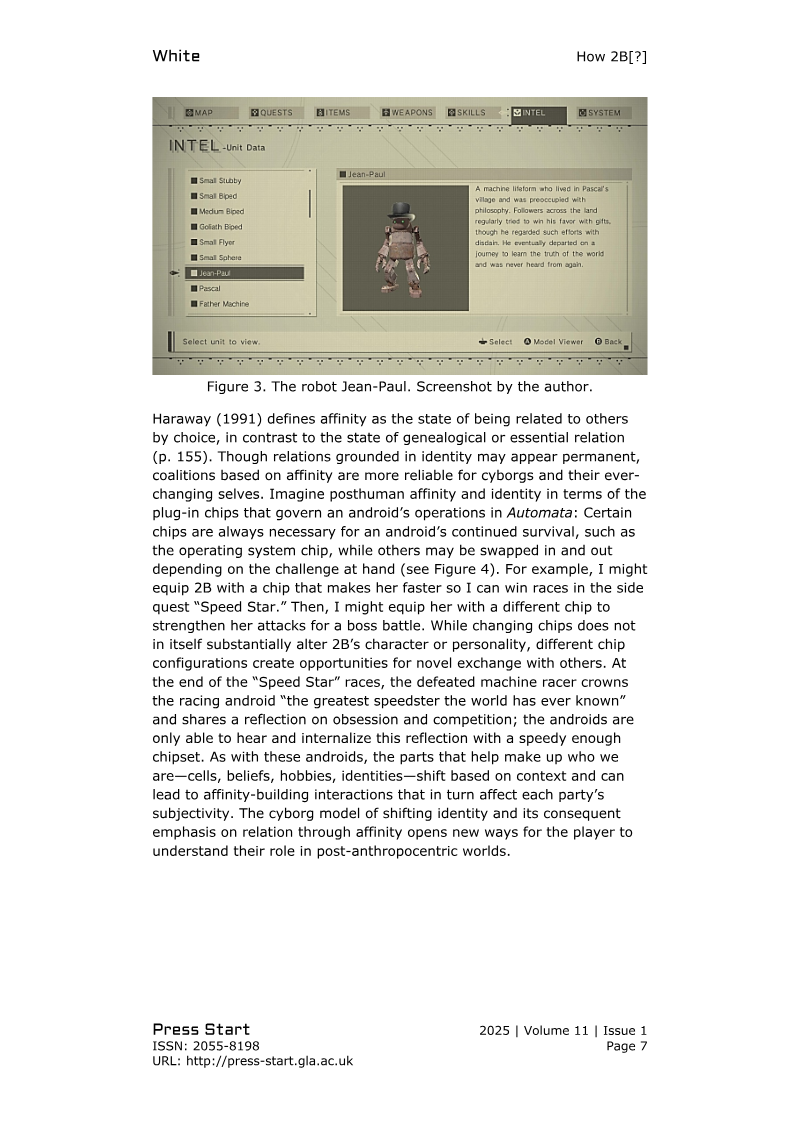
Press Start · 2025
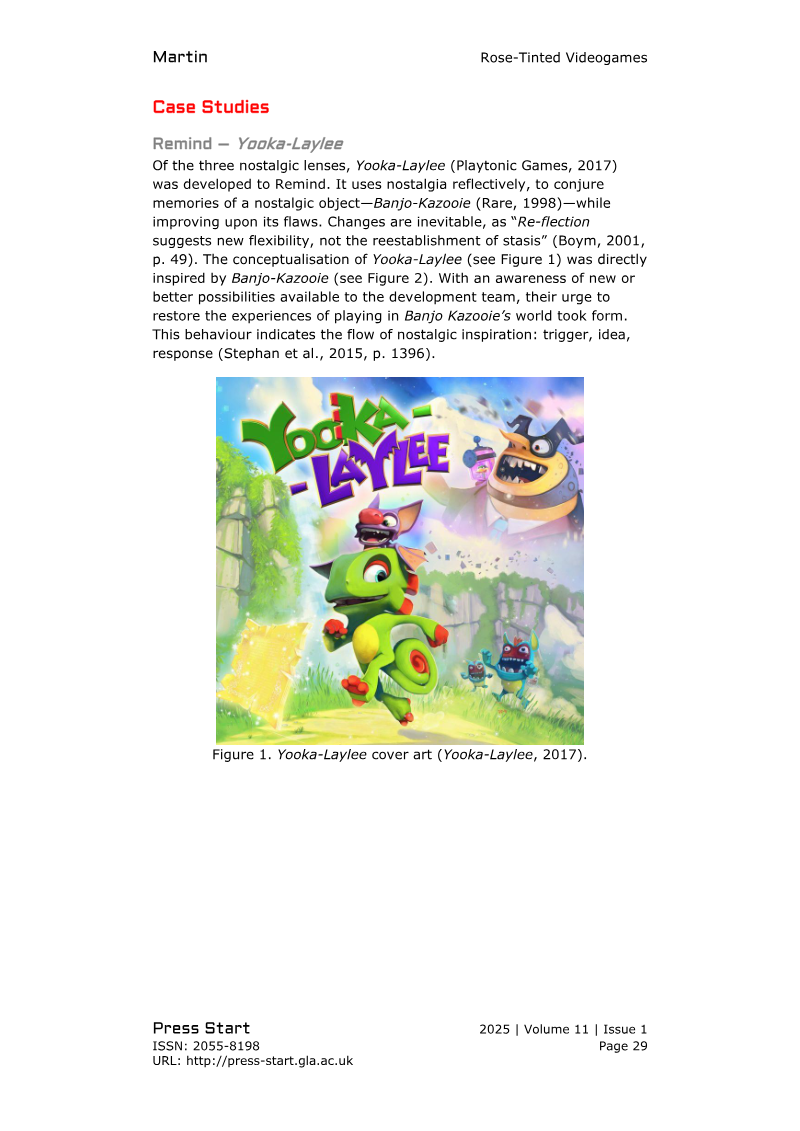
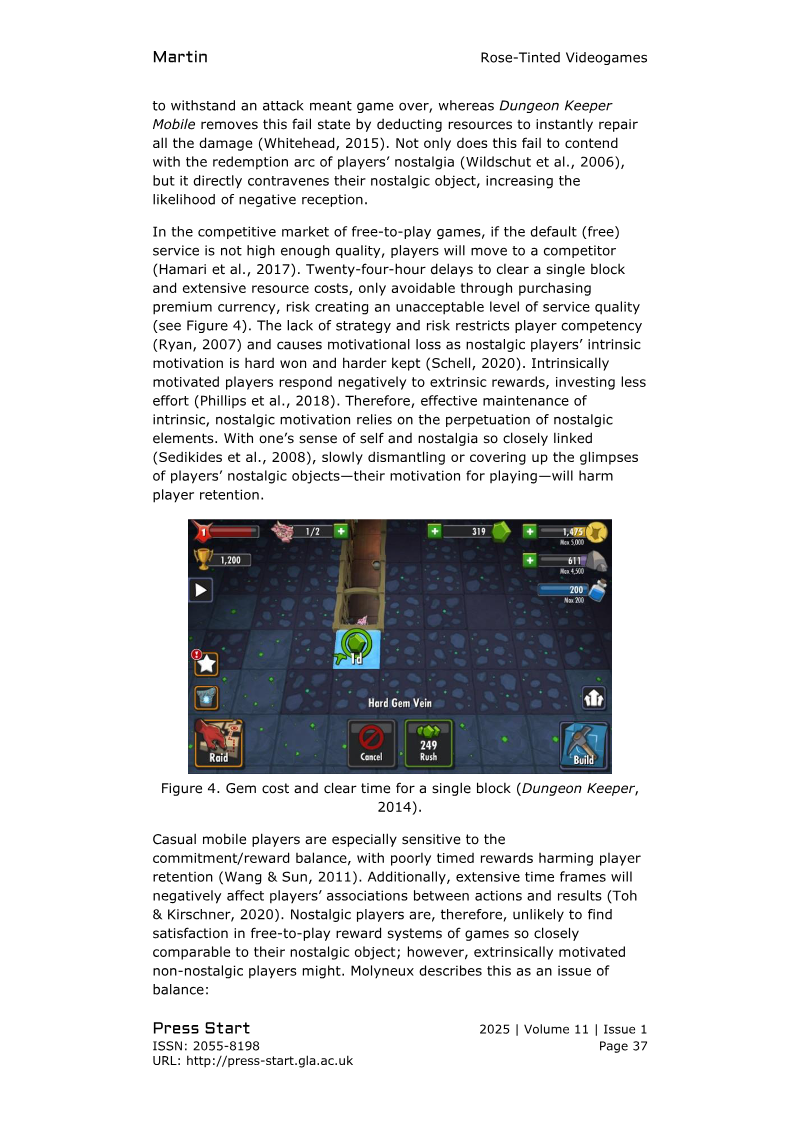
Press Start · 2025
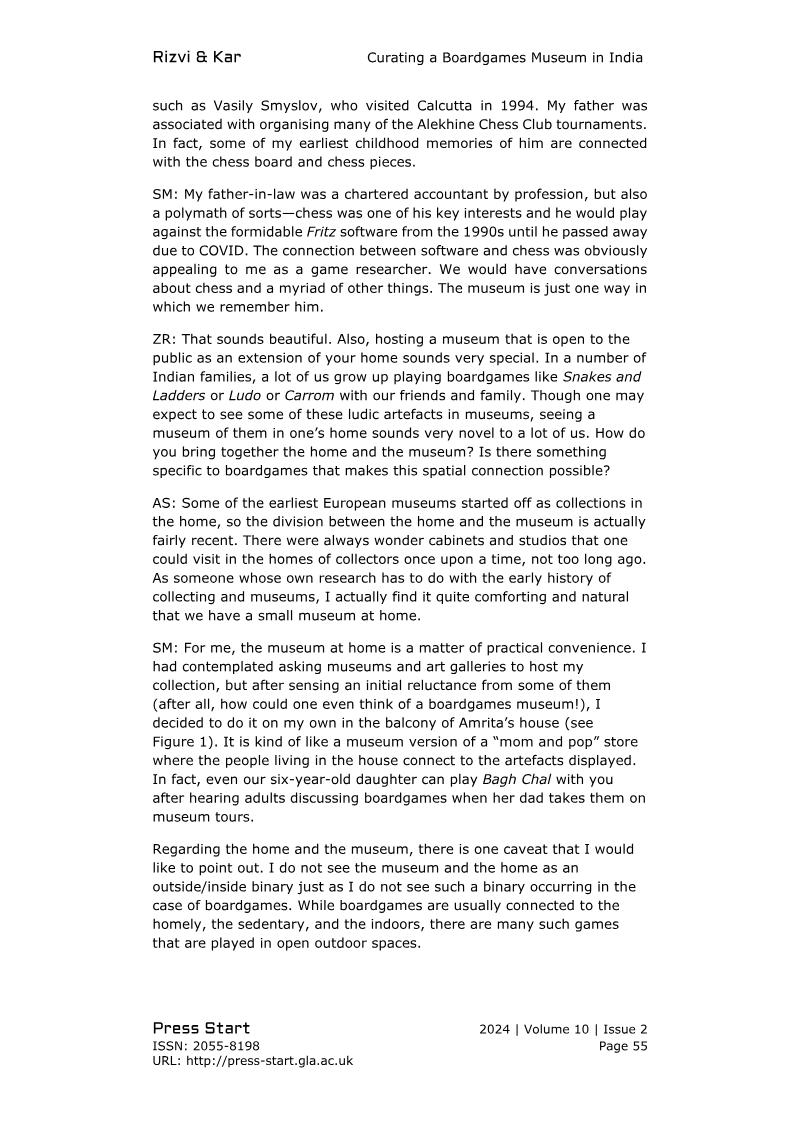
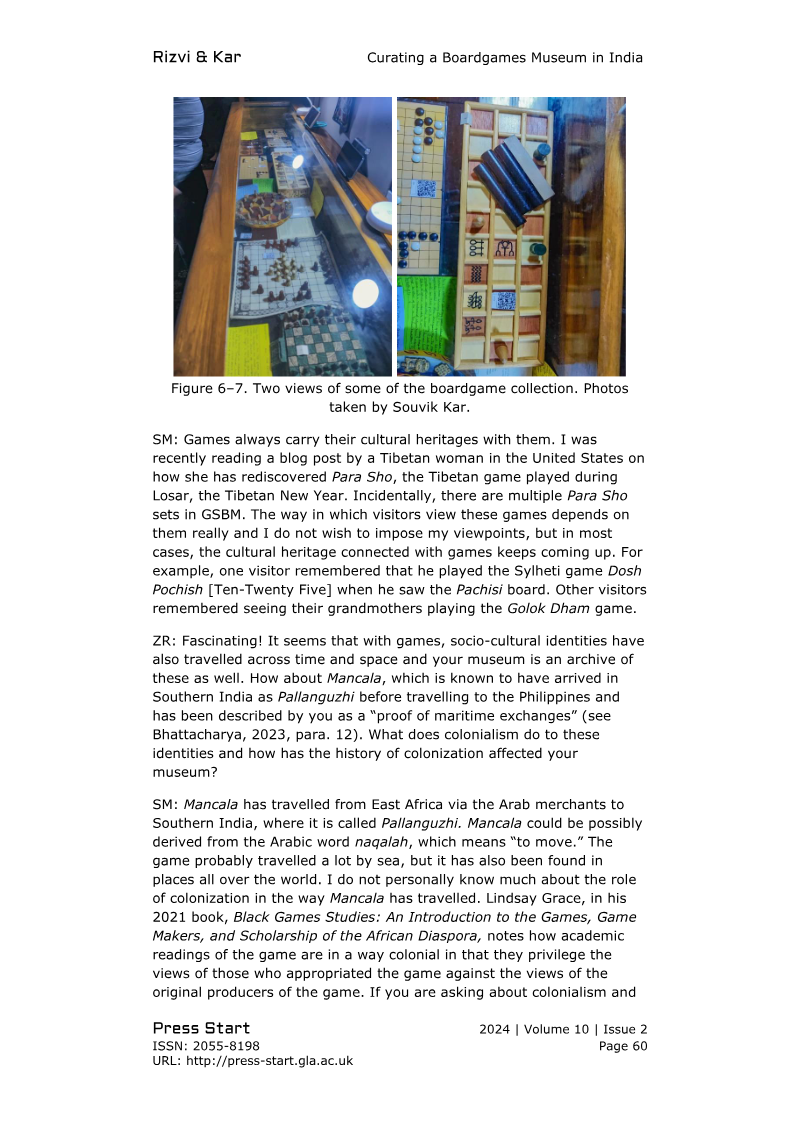
Press Start · 2024
Kinephanos · 2026