1 free read left. Create a free account for unlimited reading + AI research.
Create free accountArticleGames and Culture
The matrix model for museum videogame display requires a fundamental expansion to better account for the multifaceted nature of visitor engagement. By subdividing the experience category into playable, collective, and situational dimensions, curators can more effectively balance the inherent tension between providing entertainment and maintaining rigorous historical or cultural context. Prioritizing these experiential layers allows institutions to mitigate ideological biases often found in traditional, top-down narratives while fostering deeper emotional connections with the audience.
Museums currently face a significant challenge in reconciling the high visitor demand for nostalgic, playable exhibits with the institutional mandate for education and preservation. While period-accurate recreations and interactive displays successfully drive attendance, they frequently risk reducing complex cultural artifacts to mere entertainment. To resolve this, institutions must move beyond the artificial segregation of fun and learning. Instead of limiting exhibits to simple, accessible titles to ensure ease of use, museums should focus on improving the accessibility of complex games through enhanced instruction and social support systems.
This analytical framework applies to the global landscape of videogame curation, focusing on the evolution of exhibition strategies from the late twentieth century to the present. By shifting the focus toward the visitor’s active participation, museums can better navigate the technical difficulties of preserving modern gaming formats while ensuring that the cultural significance of the medium remains central. Ultimately, the successful integration of these experiential dimensions transforms the museum from a static repository of hardware into a dynamic space where the act of play serves as a legitimate and profound form of historical inquiry.
Games and Culture · 2025
Games and Culture · 2024
Games and Culture · 2024
Games and Culture · 2024
Games and Culture · 2024
Games and Culture · 2024
Games and Culture · 2024
Games and Culture · 2023
Games and Culture · 2023
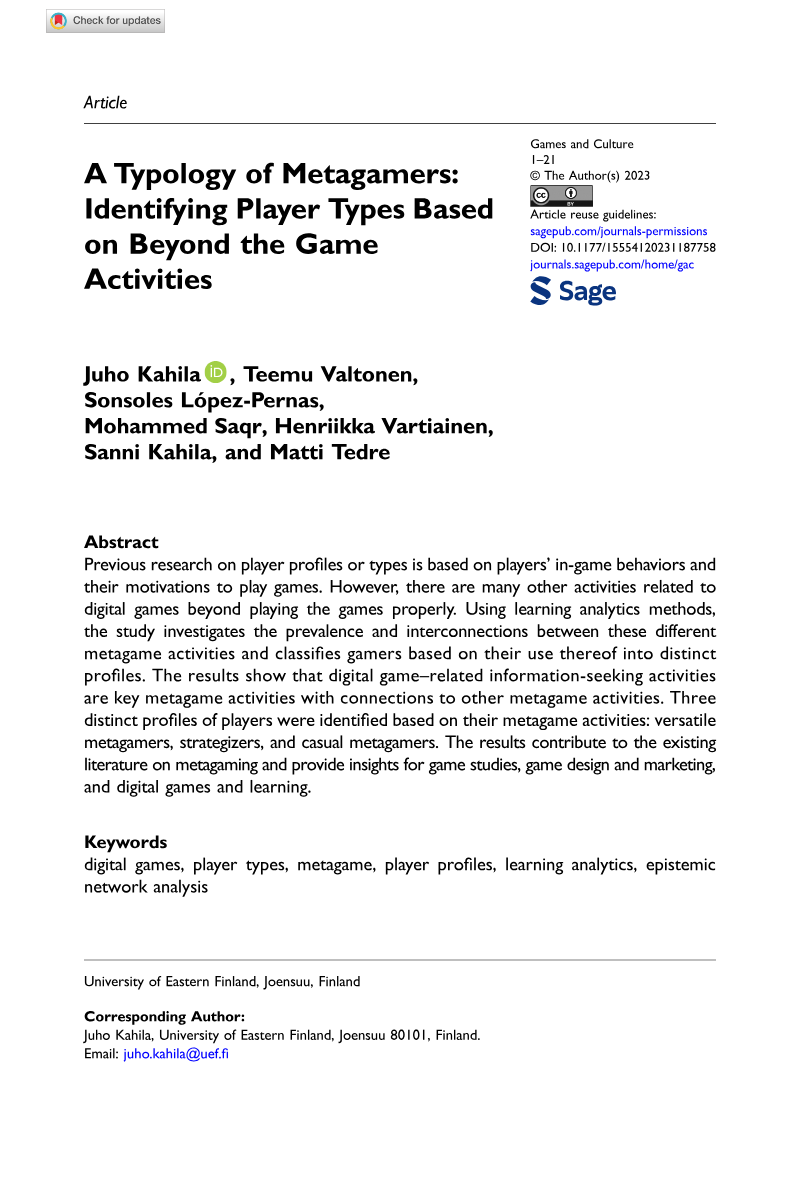
Games and Culture · 2023
Games and Culture · 2023
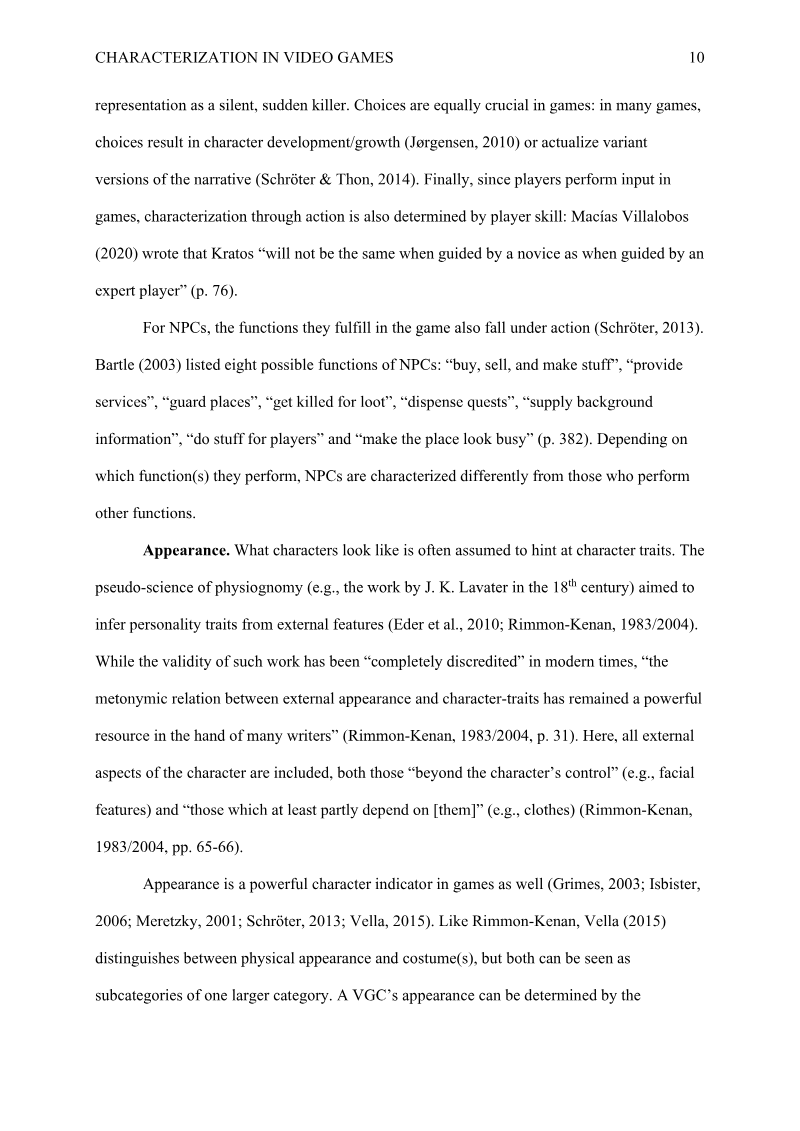
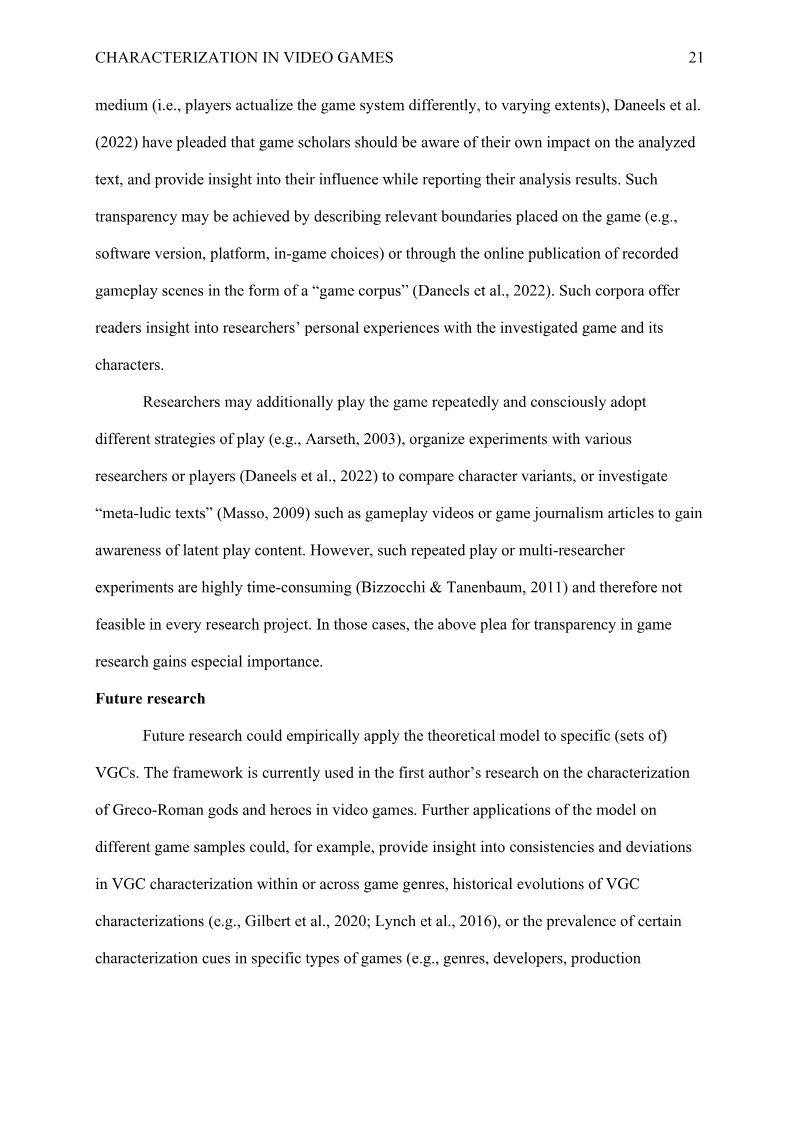
Games and Culture · 2023
Replay. The Polish Journal of Game Studies · 2026




































Comments