
Apple’s recent launch of the Apple Creator Studio represents a strategic pivot toward revitalizing legacy software through a modern services-based model. By bundling established professional tools—including Final Cut Pro, Logic Pro, Pixelmator Pro, and various productivity applications—into a $12.99 monthly subscription, the company is transforming long-standing, under-monetized assets into a cohesive growth engine. This approach focuses on layering intelligence, premium content, and cross-platform continuity over existing distribution channels rather than pursuing new product development.
The core thesis emphasizes that significant growth opportunities often reside within a company’s existing portfolio. By maintaining a free, functional core while offering value-added subscriptions, Apple avoids alienating long-term users while capturing a broader market of hybrid creators. This strategy mirrors successful bundling models seen elsewhere in the industry, where multi-product adoption significantly increases subscriber retention. The initiative specifically targets users who require flexibility across various creative disciplines, positioning the bundle as a versatile, lower-pressure alternative to specialized, high-cost professional suites.
This shift highlights a broader industry lesson: existing distribution and user trust are highly valuable, yet frequently under-leveraged assets. The playbook for such a transition involves three key pillars: upselling existing products instead of abandoning them, keeping the core experience free to maintain trust, and using bundles to appeal to curiosity-driven users. Ultimately, the strategy demonstrates that sustainable growth can be achieved by re-examining and modernizing legacy products, proving that the most effective path to expansion may already exist within a company’s current ecosystem.

Neo Ads · 2026

Neo Ads · 2026
Neo Ads · 2026
Neo Ads · 2026

Neo Ads · 2026
Neo Ads · 2026
Neo Ads · 2026

Neo Ads · 2026

Neo Ads · 2026
Neo Ads · 2026
Neo Ads · 2026
Neo Ads · 2026

Almedia · 2026
Sensor Tower · 2026

Sensor Tower · 2026

AppLovin · 2026

Sensor Tower · 2026

Modern Times Group · 2026
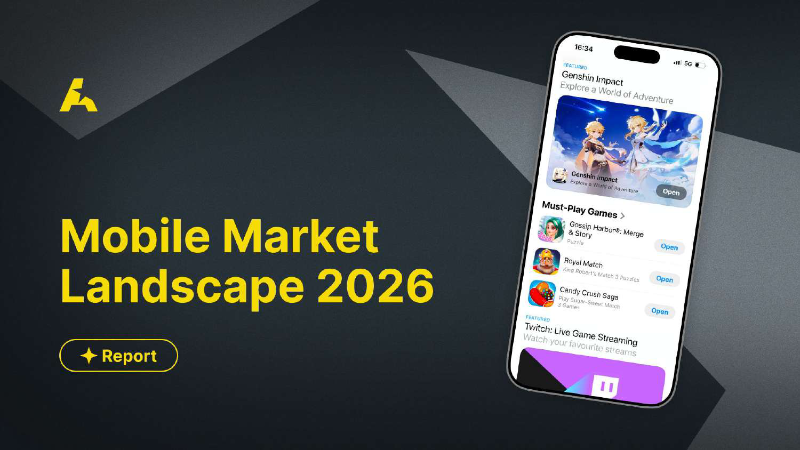
AppMagic · 2026
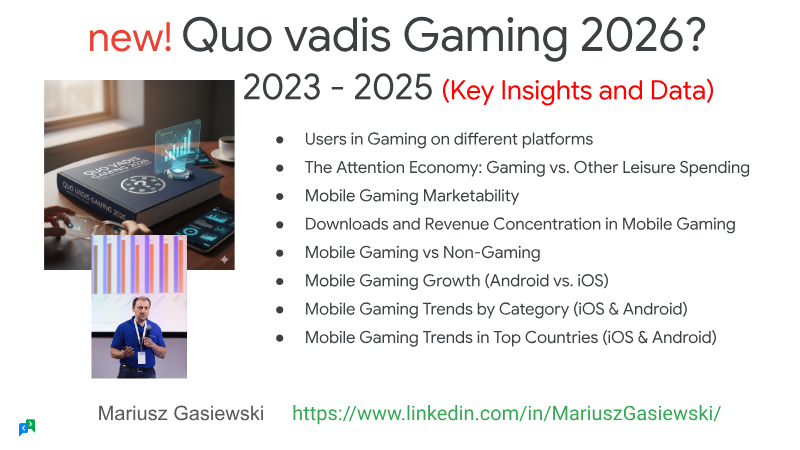
InvestGame · 2026

Sensor Tower · 2026

Sensor Tower · 2026
Coda · 2026

InvestGame · 2025