More on AI
View all


Whitepaper
Translating Elementary Cellular Automata into Tangible Gameplay: Design of Shellmate
European Conference on Games Based Learning (ECGBL) · 2026



Whitepaper
MitiGate: Risk Management Collaborative Tabletop Strategy Game
European Conference on Games Based Learning (ECGBL) · 2026
Whitepaper
Player Experience of Hybridity in a Narrative Boardgame
DiGRA · 2026
Whitepaper
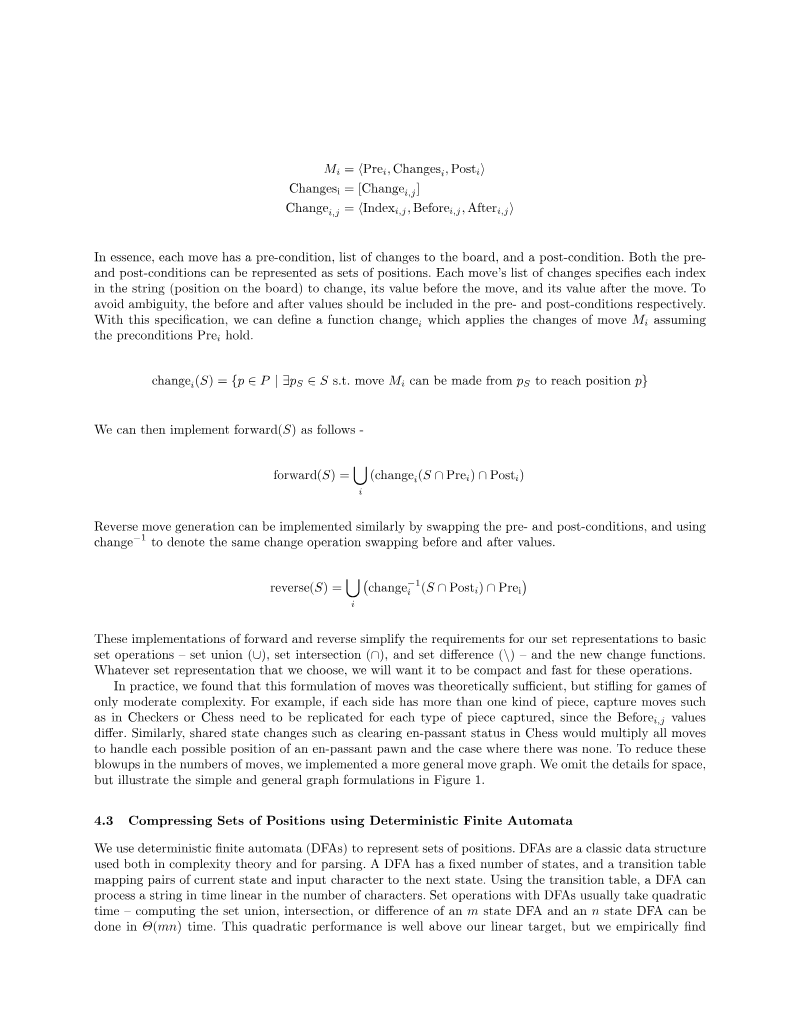
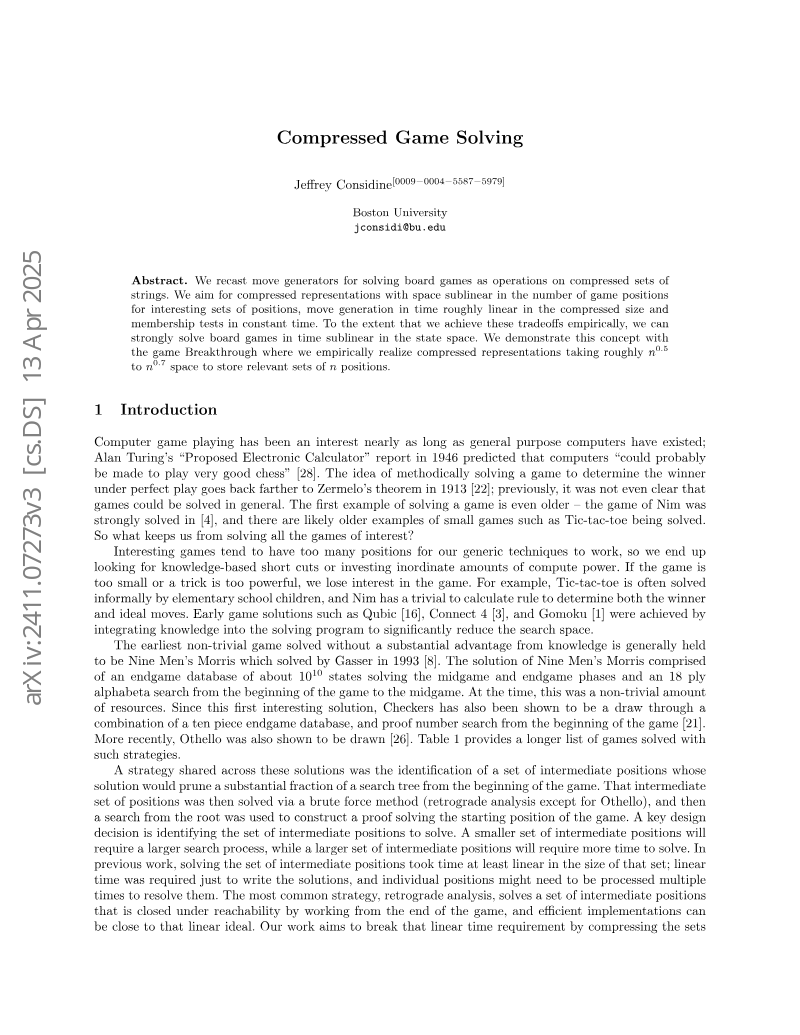
Compressed Game Solving
arXiv · 2025
Whitepaper
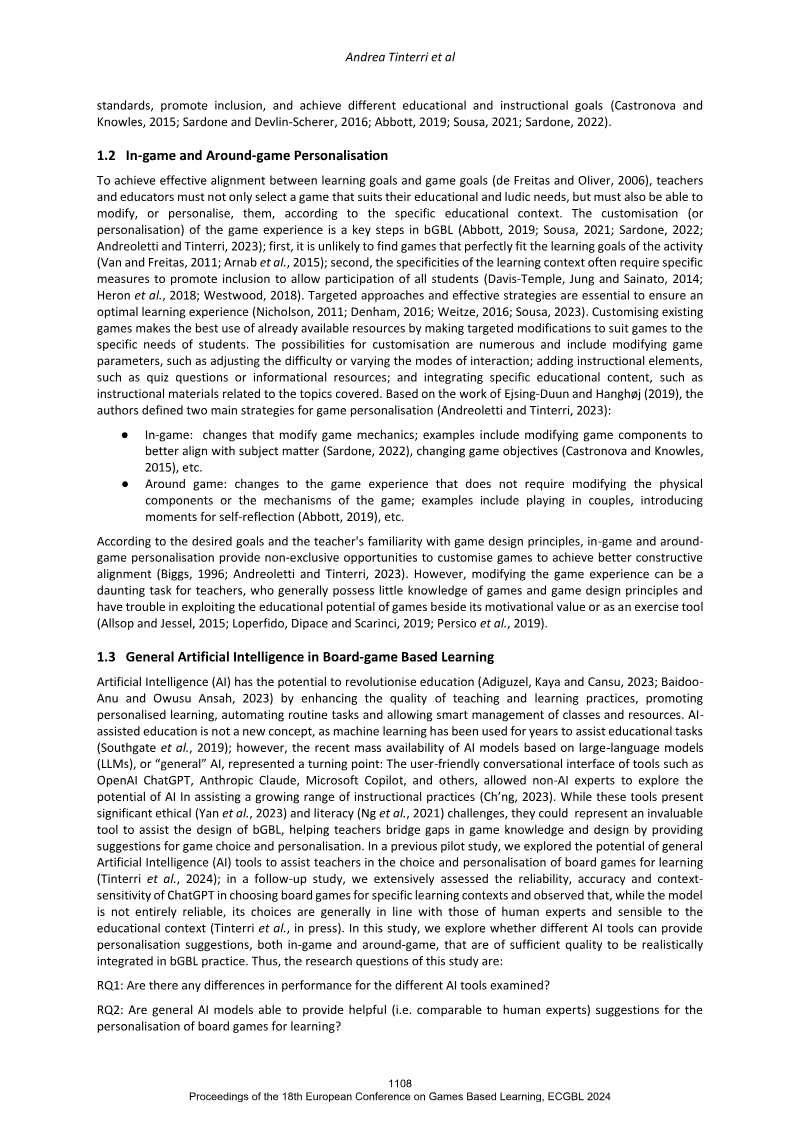
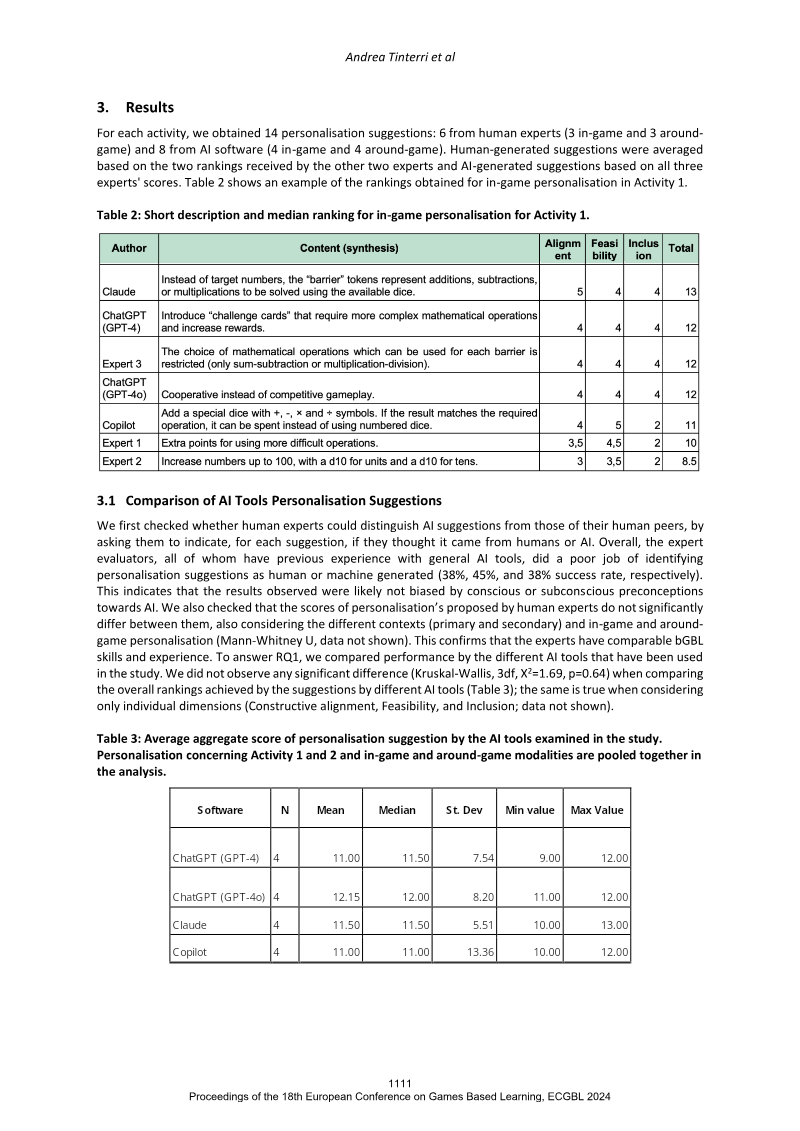
Towards AI-Assisted Board Game-Based Learning: Assessing LLMs in Game Personalisation
European Conference on Games Based Learning (ECGBL) · 2024
Whitepaper
Corporeal Capture: The Rhetoric of Boundaries in Procedurality
DiGRA · 2024
Whitepaper
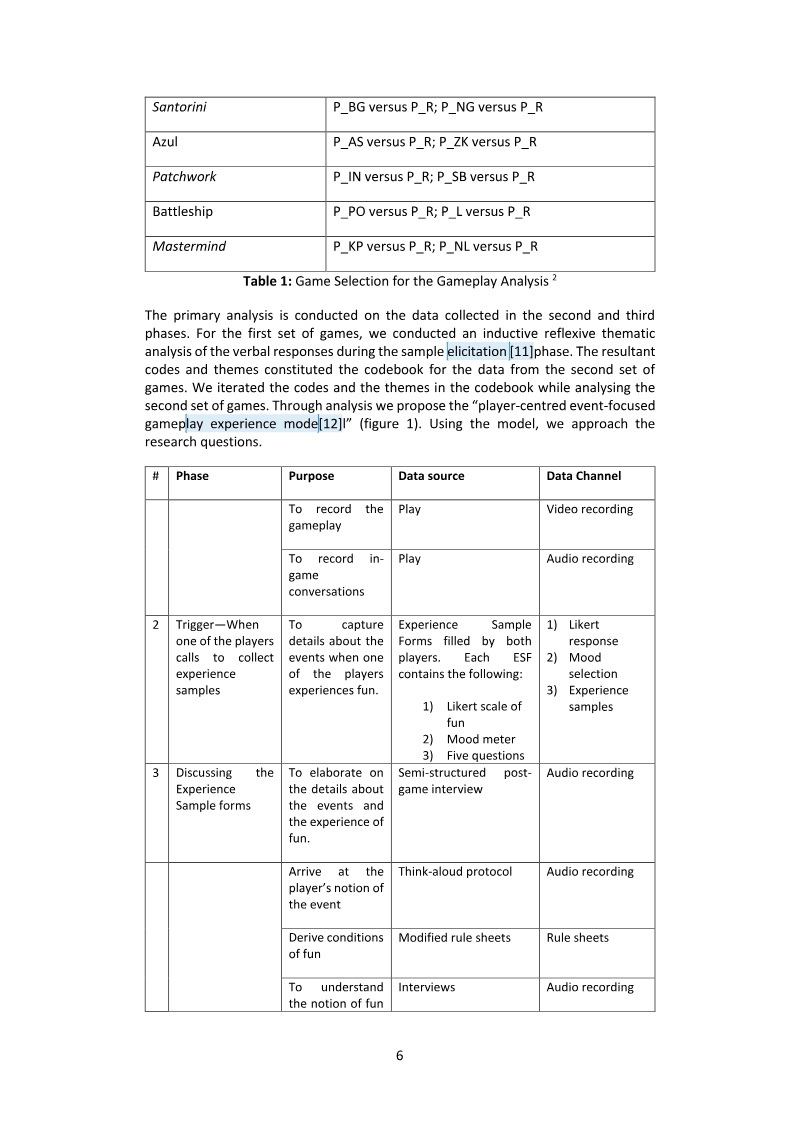
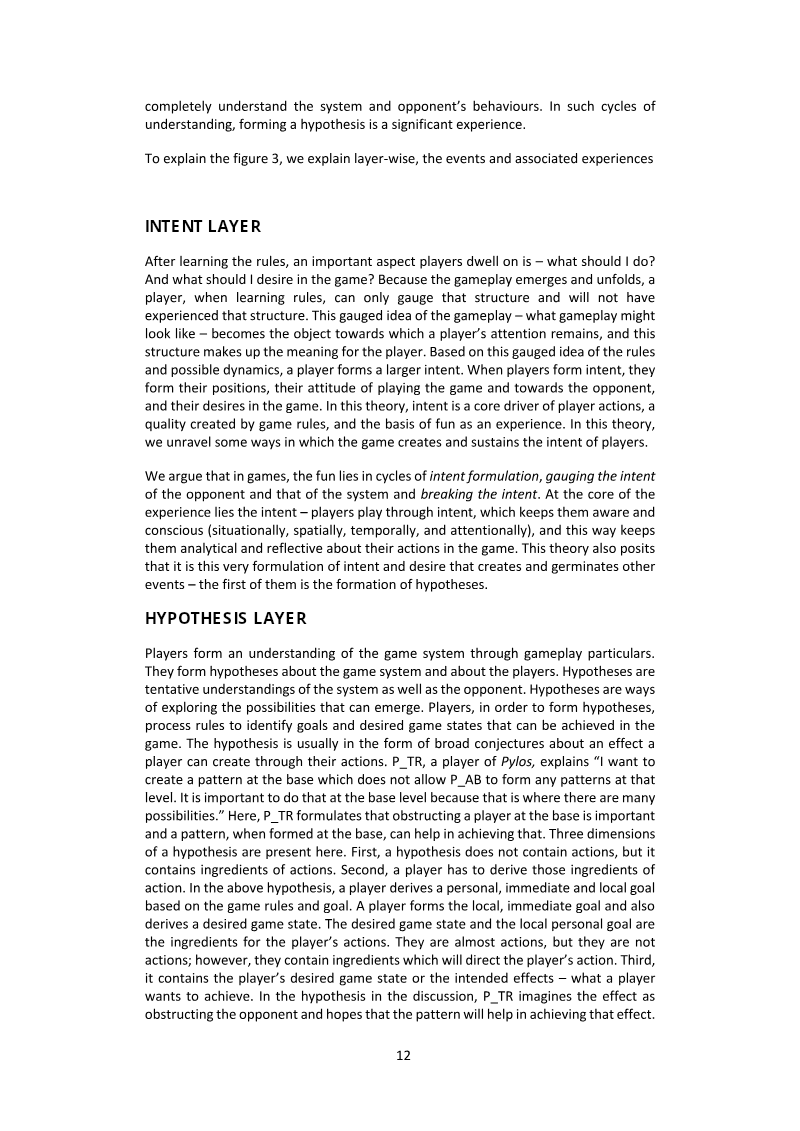
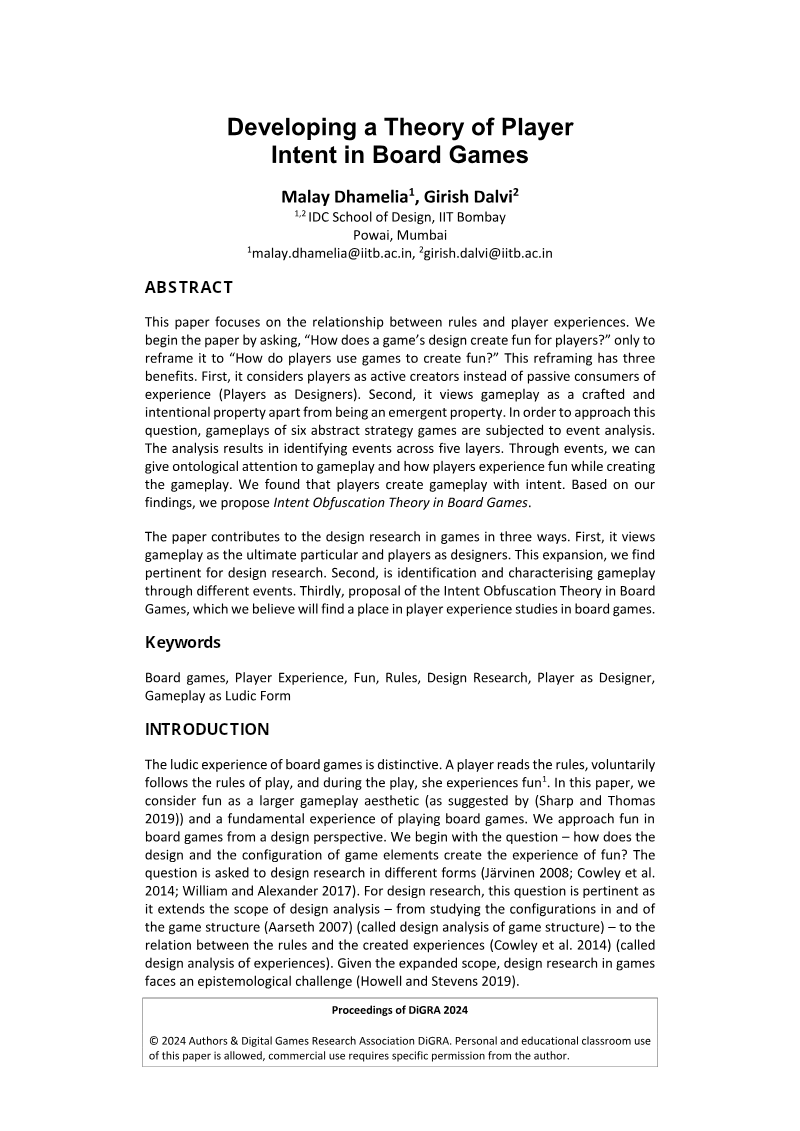
Developing a Theory of Player Intent in Board Games
DiGRA · 2024
Whitepaper
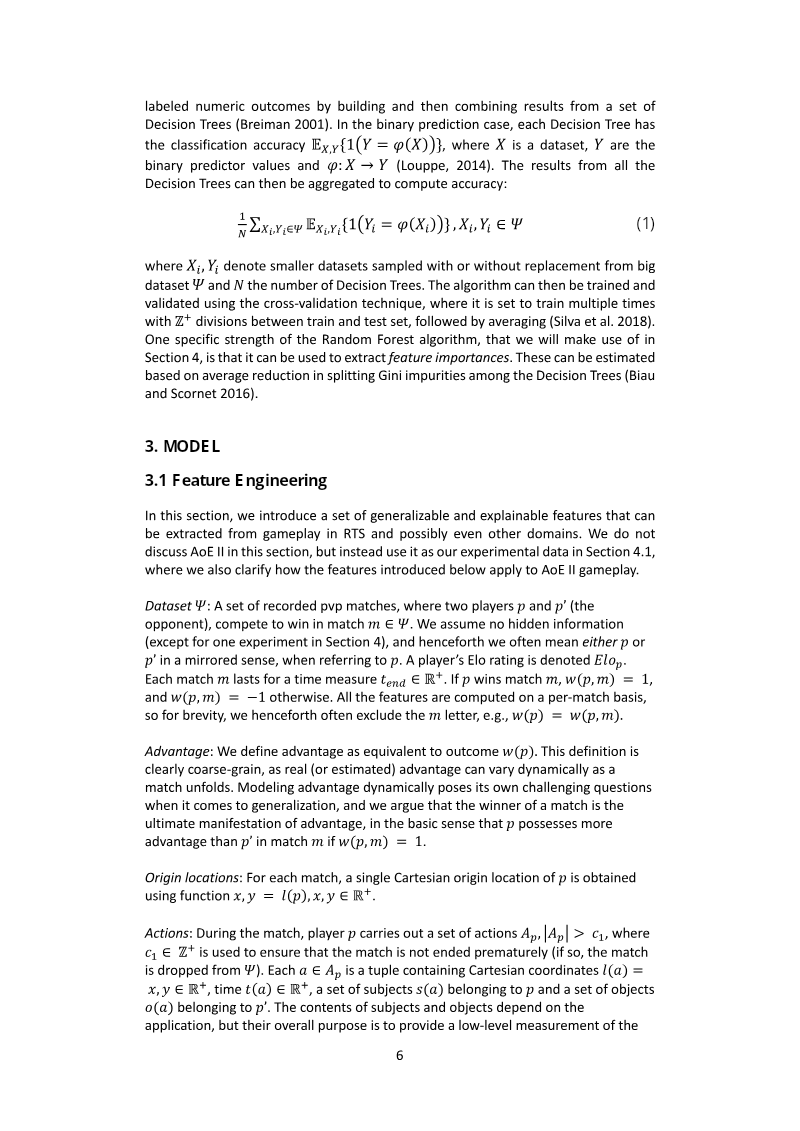
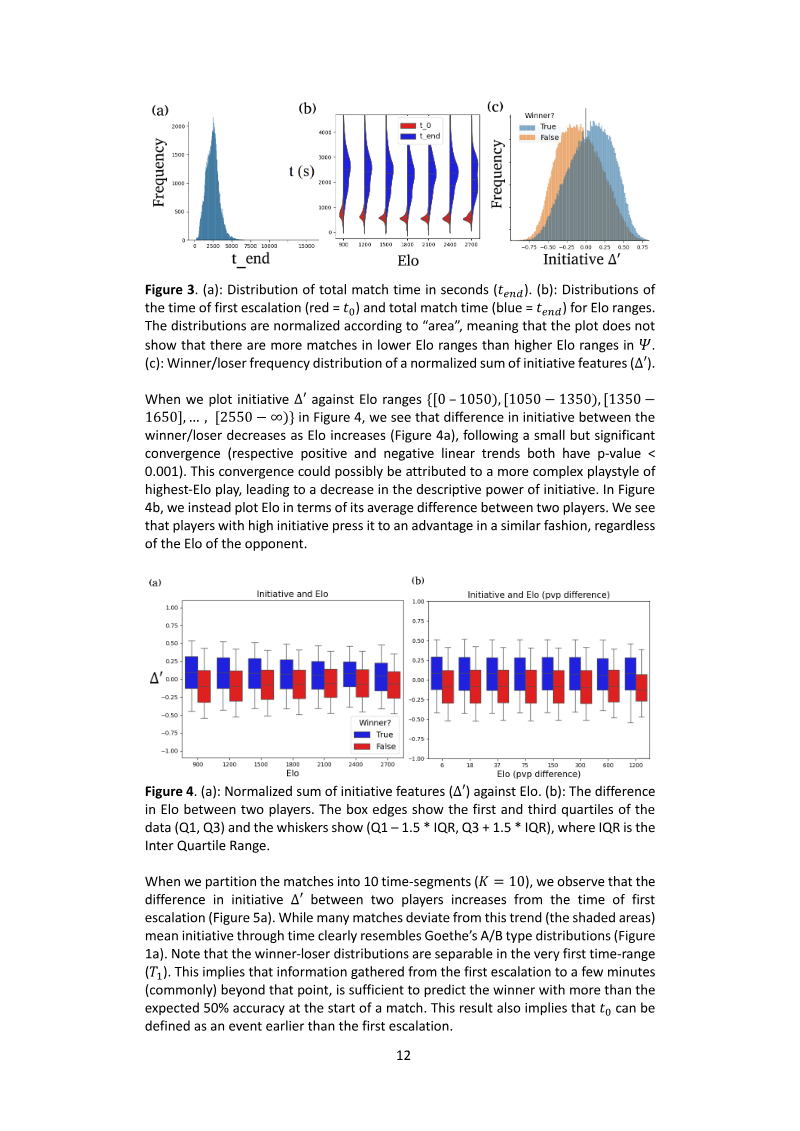
Attention-Based Initiative in Real-Time Strategy
DiGRA · 2024
Whitepaper
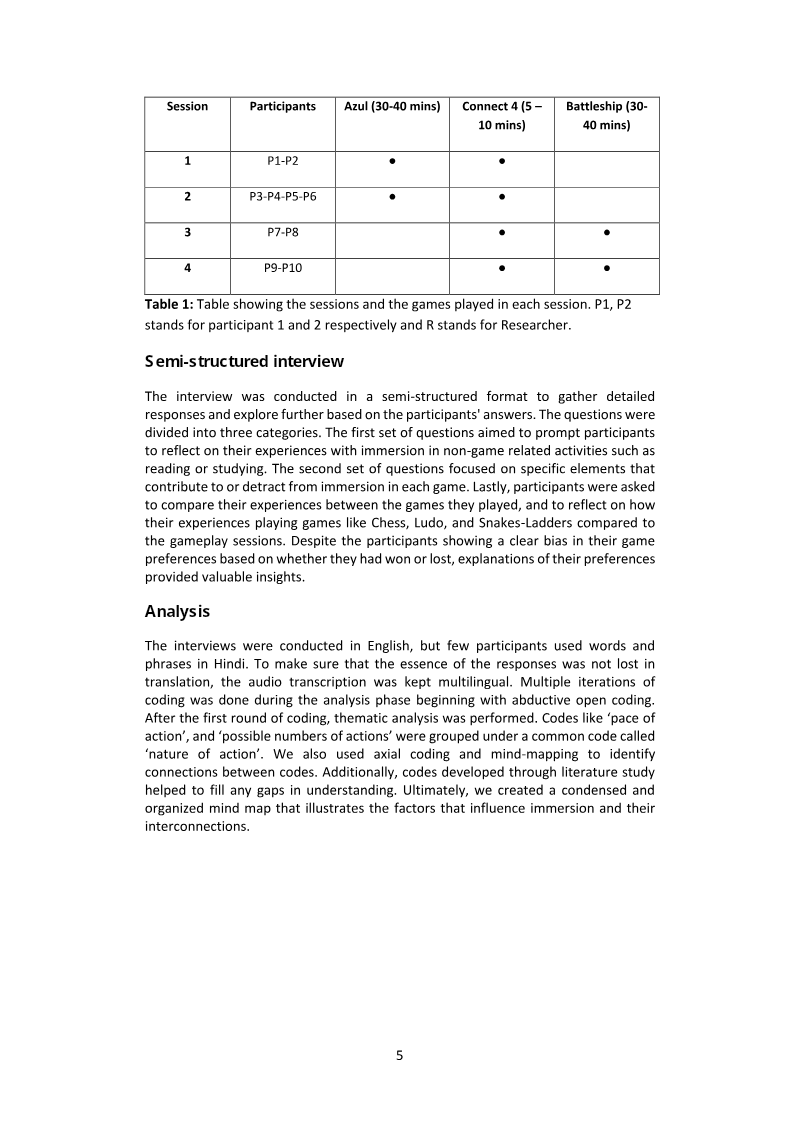
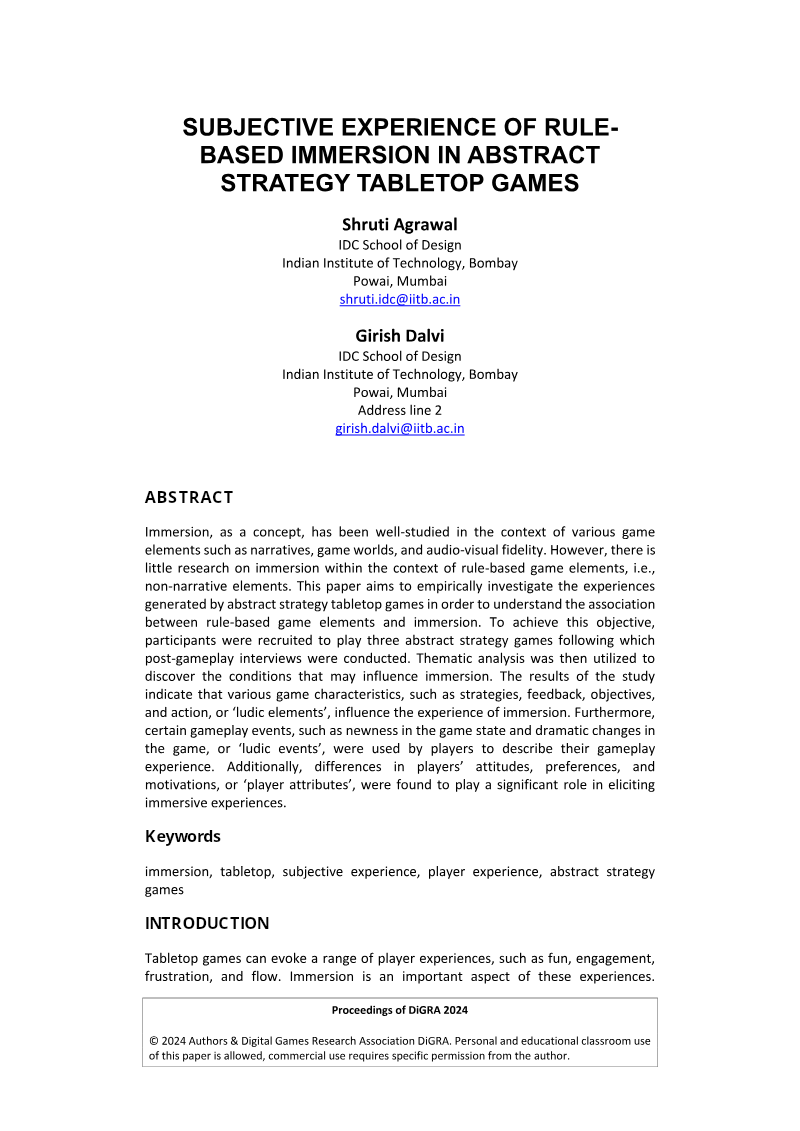
Subjective Experience of Rule-Based Immersion in Abstract Strategy Tabletop Games
DiGRA · 2024
Report
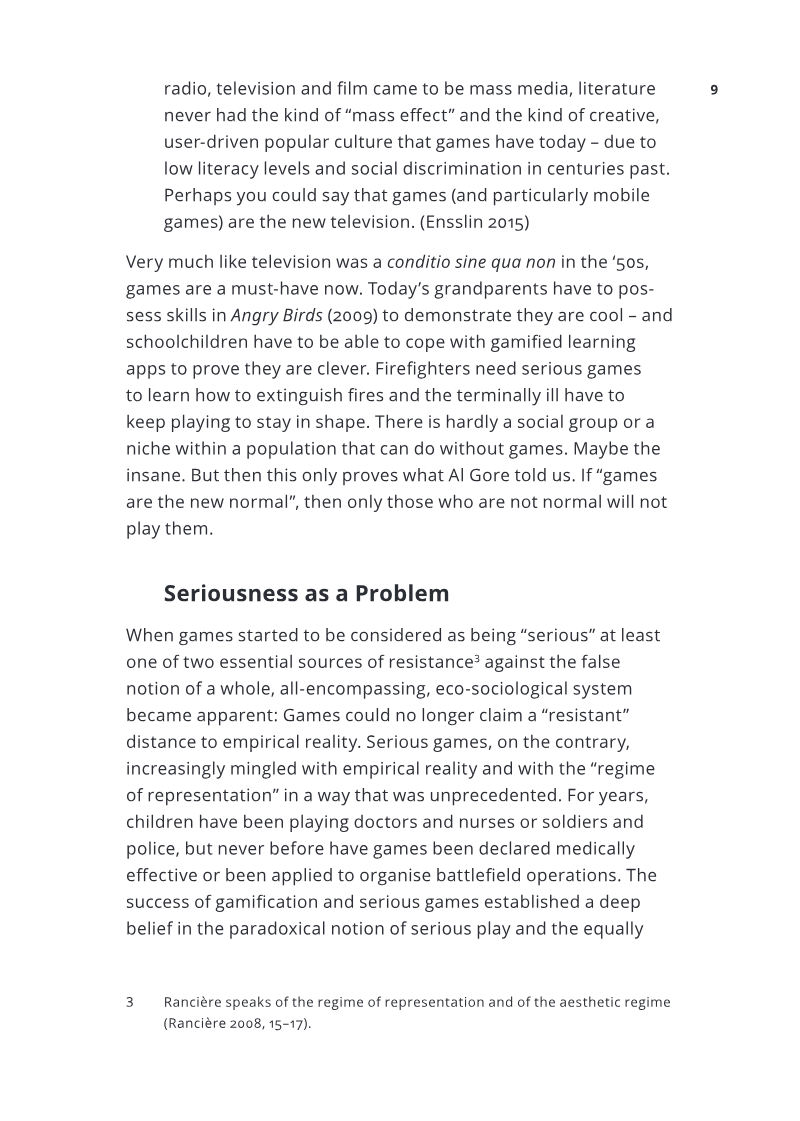
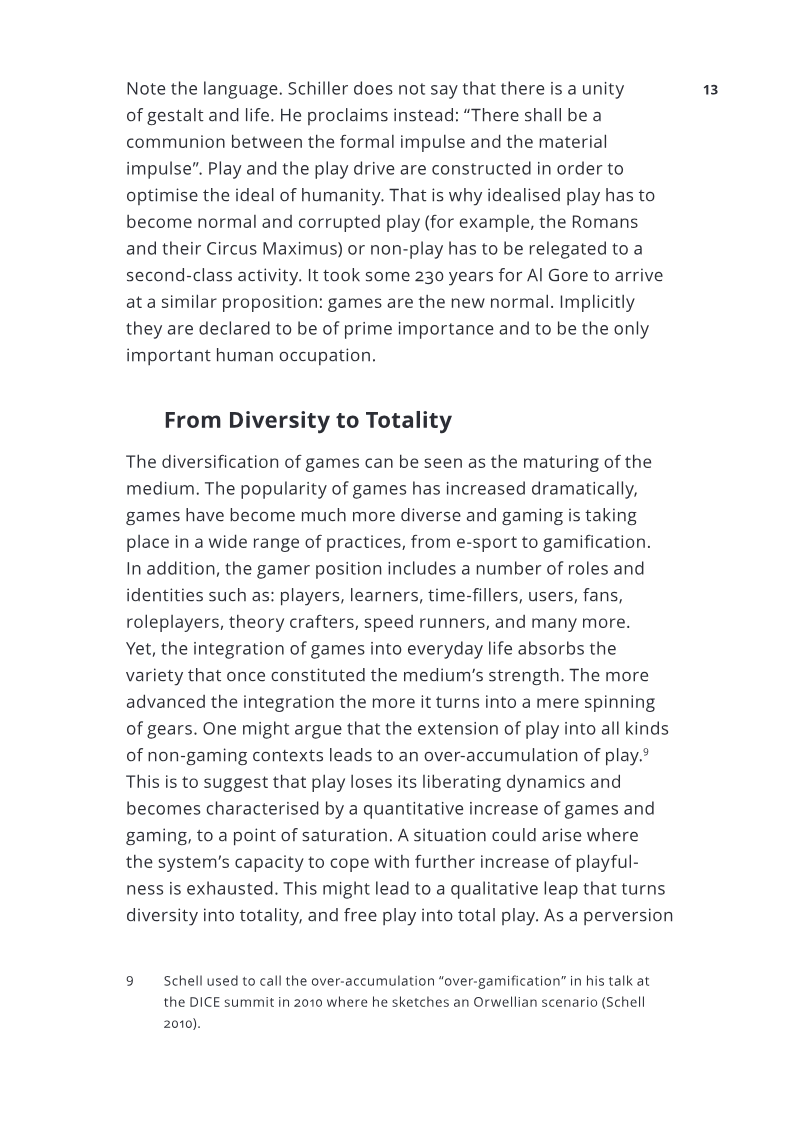
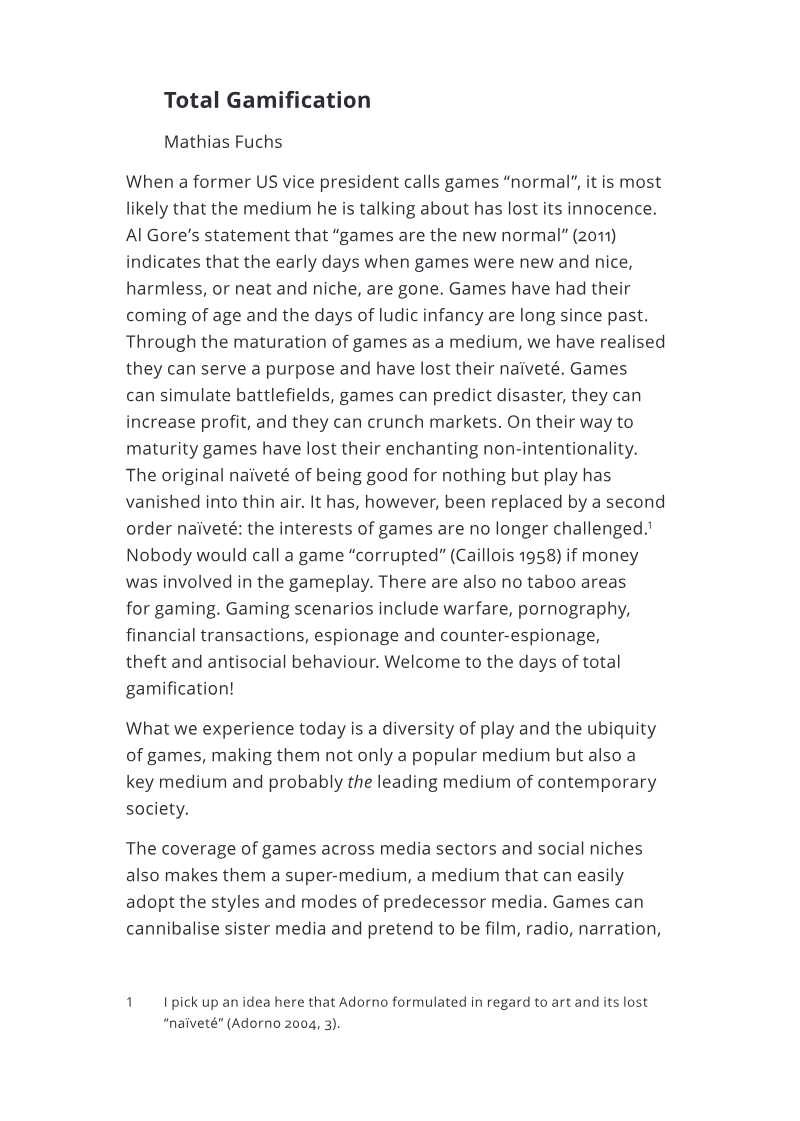
Total Gamification
DiGRA · 2024
Whitepaper
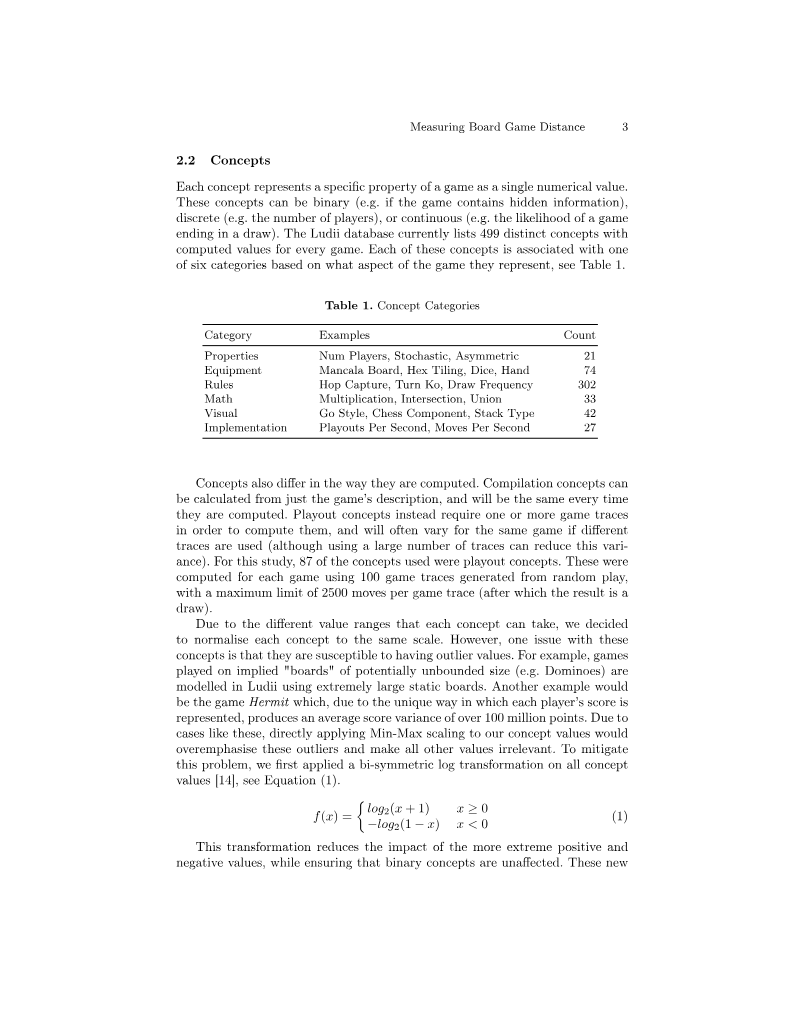
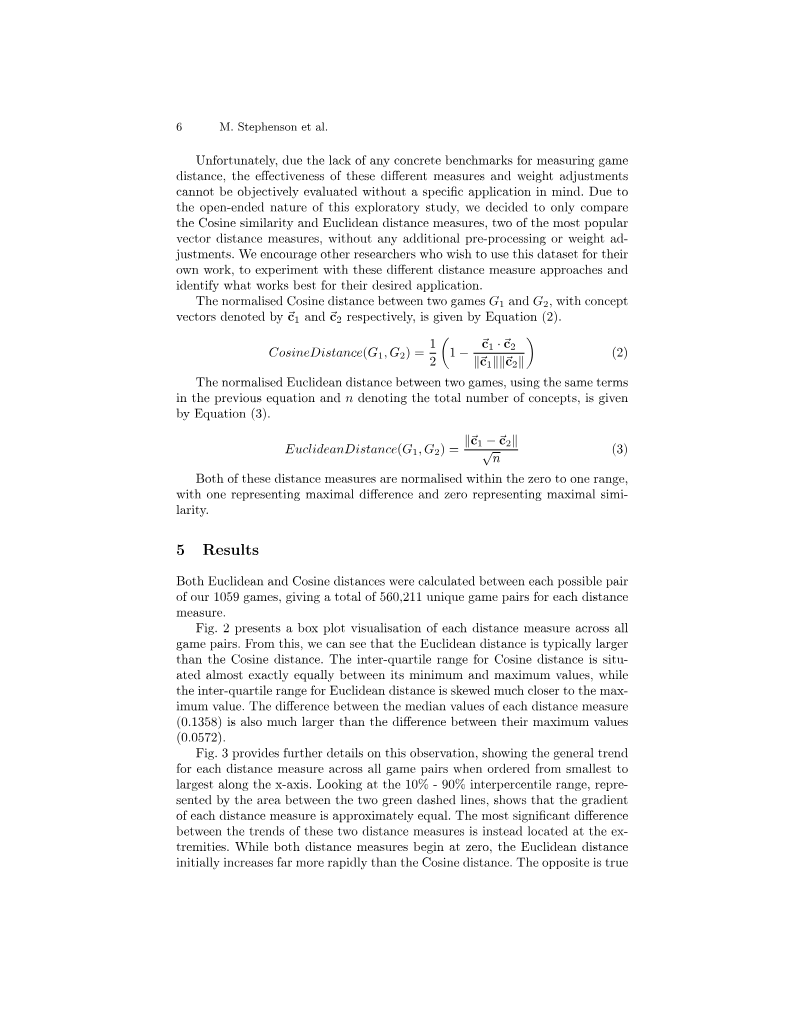
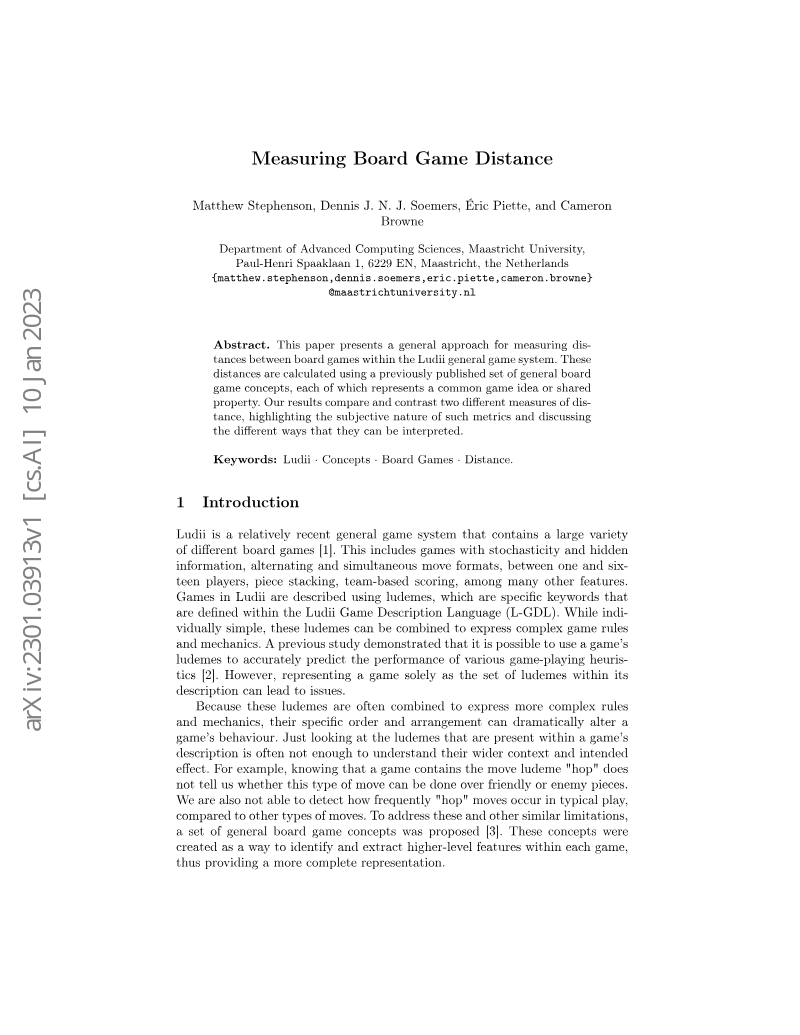
Measuring Board Game Distance
Maastricht University · 2023
Whitepaper
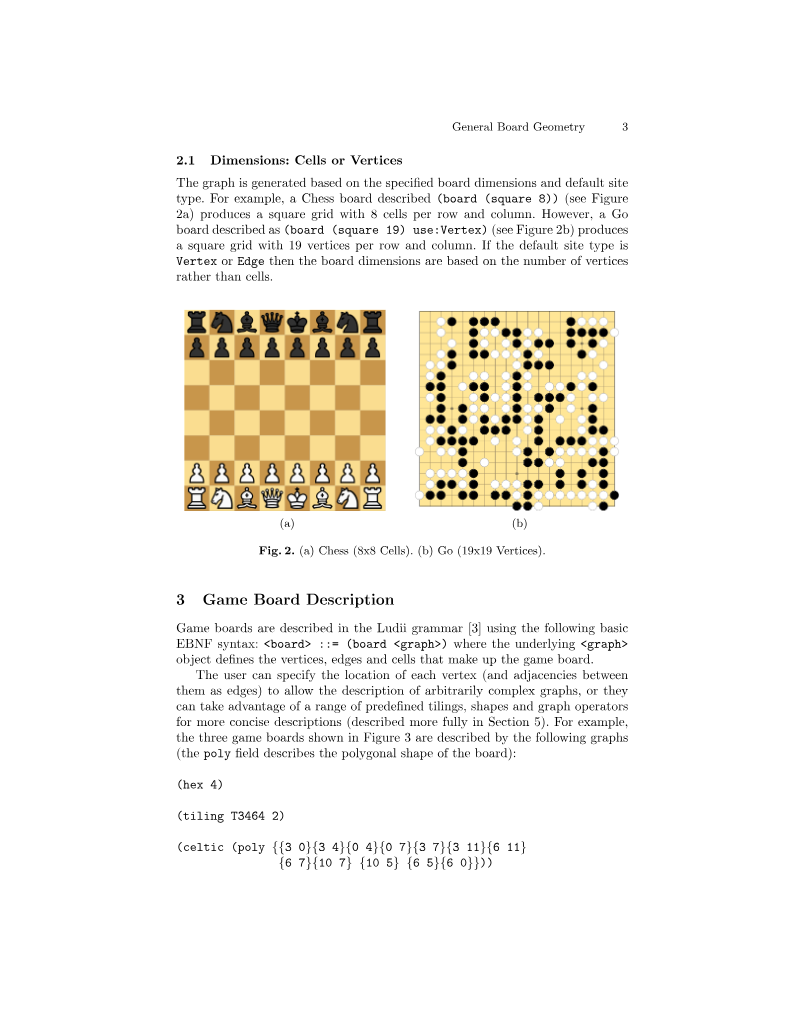
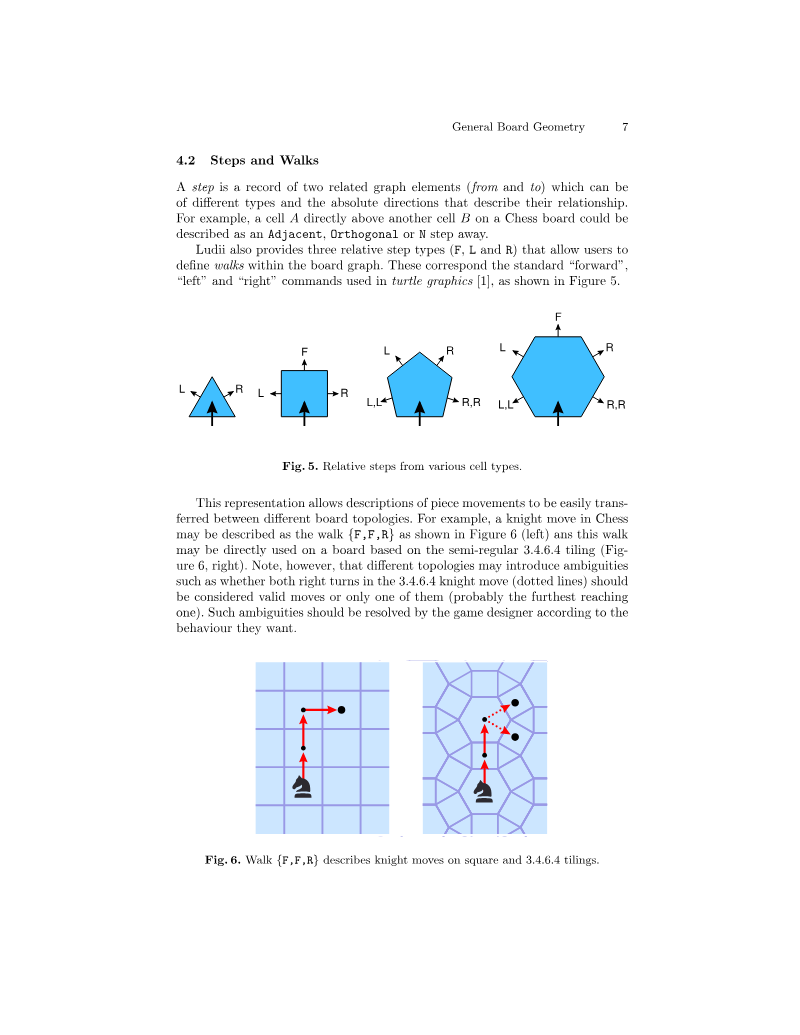
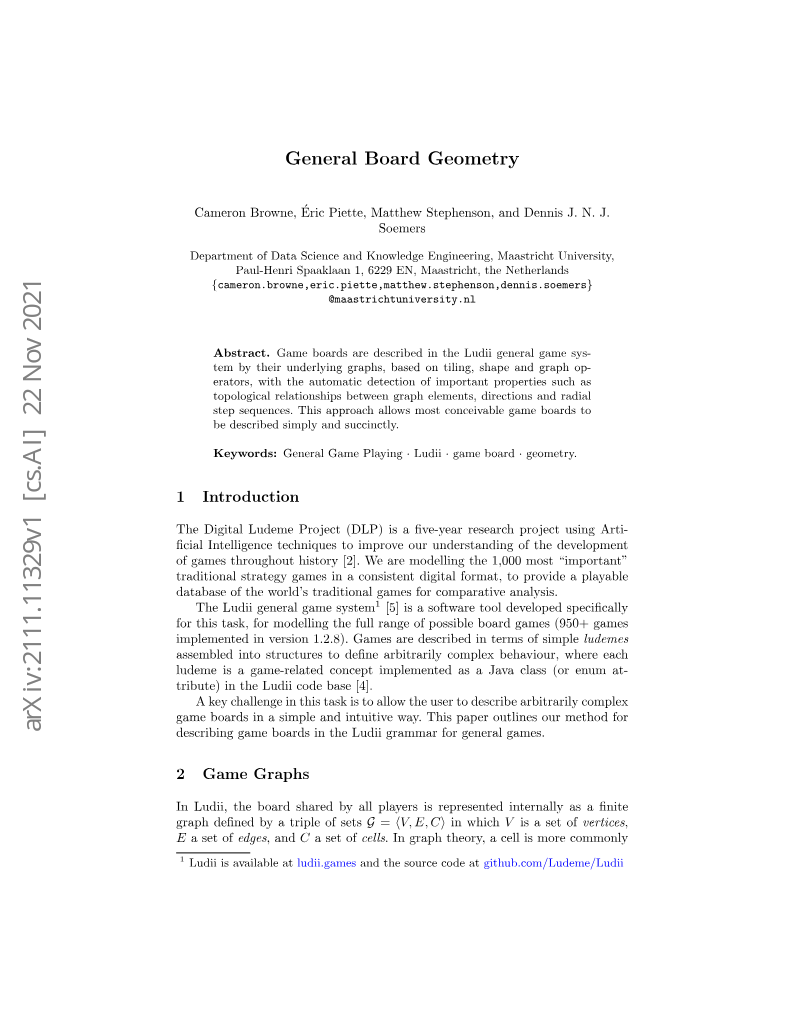
General Board Geometry
Maastricht University · 2022