The analysis challenges the prevailing belief that premium in‑app advertising sources automatically deliver superior quality traffic. By examining campaigns across multiple platforms, the study demonstrates that performance metrics for premium and non‑premium (classic) sources are statistically indistinguishable, indicating that brand prestige does not guarantee better results. The research highlights how advertiser bias, rigid KPI expectations, and agency reluctance to diversify traffic pools contribute to a self‑reinforcing cycle of skepticism toward non‑premium sources. It also critiques the current anti‑fraud ecosystem, noting that inconsistent algorithms and opaque pricing can inflate distrust of legitimate traffic while over‑flagging benign activity.
Methodologically, the study draws on a comparative case analysis of paired campaigns with identical objectives and budgets, supplemented by traffic‑source audit data from a broad sample of DSPs and SSPs. The dataset spans the United States and Europe over 2023‑2024, covering app install and engagement campaigns across gaming, finance, and lifestyle verticals. The authors employ statistical tests to assess differences in click‑through rates, conversion rates, and cost per acquisition, finding no significant advantage for premium sources.
Key conclusions urge advertisers to adopt a diversified sourcing strategy that blends premium and classic channels, supported by rigorous analytics, blacklist management, and real‑time optimization. The recommendation is that quality derives from campaign design and data‑driven decision making rather than the label of a traffic source.
SocialPeta · 2026
SocialPeta · 2026
SocialPeta · 2026
SocialPeta · 2026
SocialPeta · 2026
SocialPeta · 2026
SocialPeta · 2026
SocialPeta · 2026
SocialPeta · 2026
SocialPeta · 2026
SocialPeta · 2026
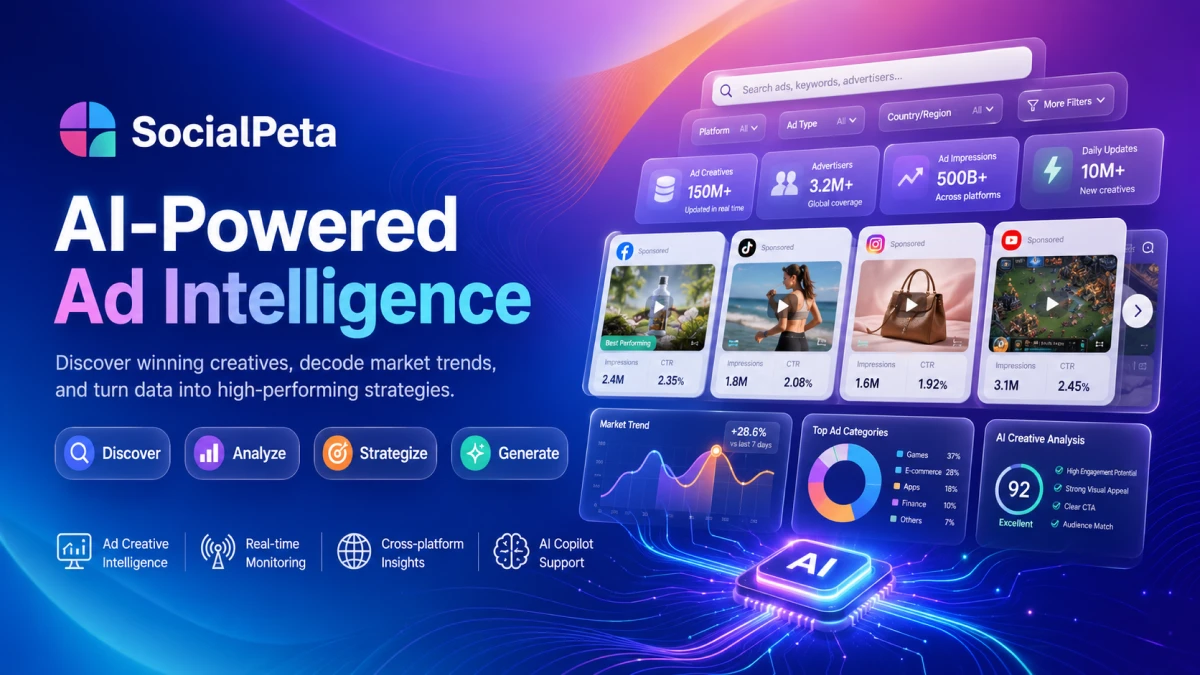
SocialPeta · 2026
Tenjin · 2023
Tenjin · 2022
AdQuantum · 2022

SocialPeta · 2021

AudioMob · 2021
Almedia · 2026
Gamesight · 2026
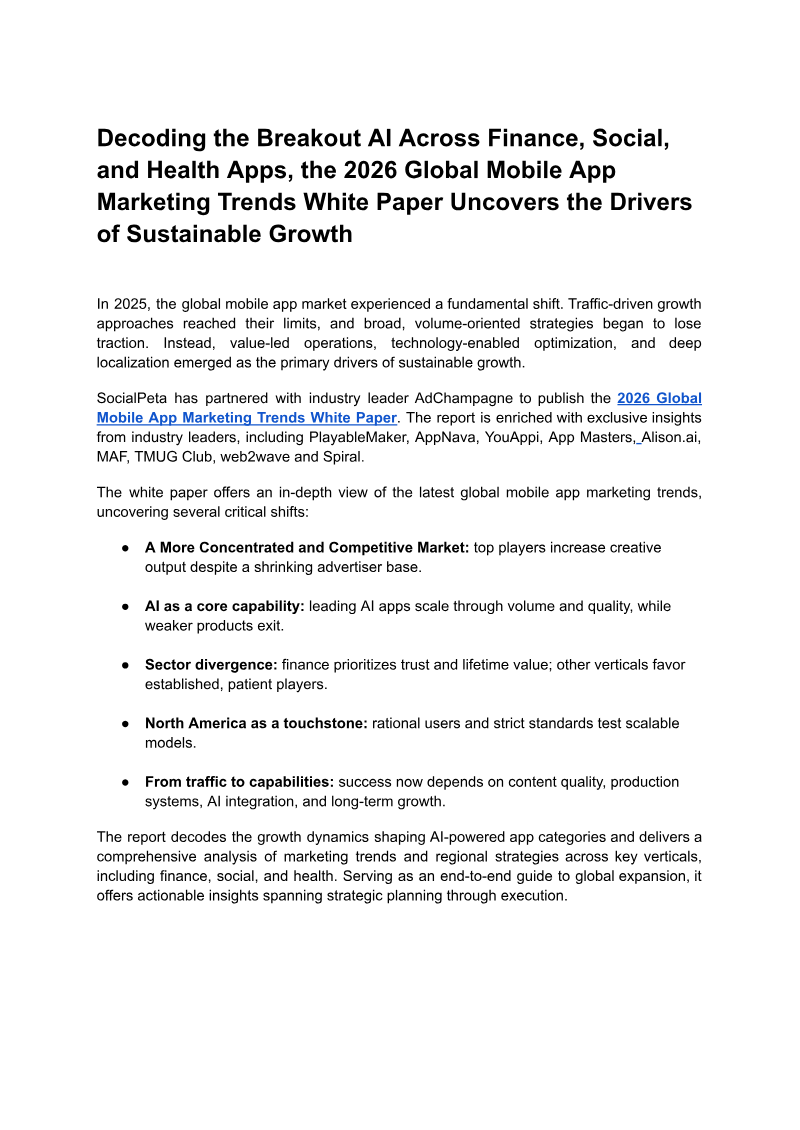
SocialPeta · 2026

SocialPeta · 2026
Anzu · 2026
InvestGame · 2026

SocialPeta · 2026