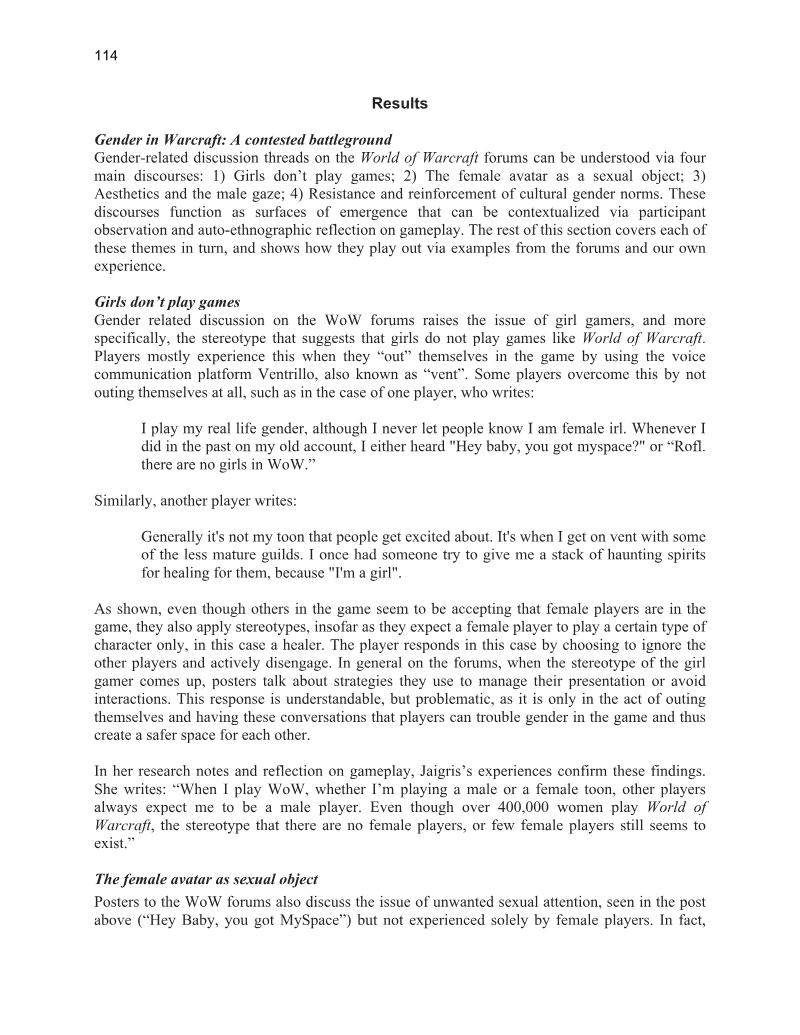
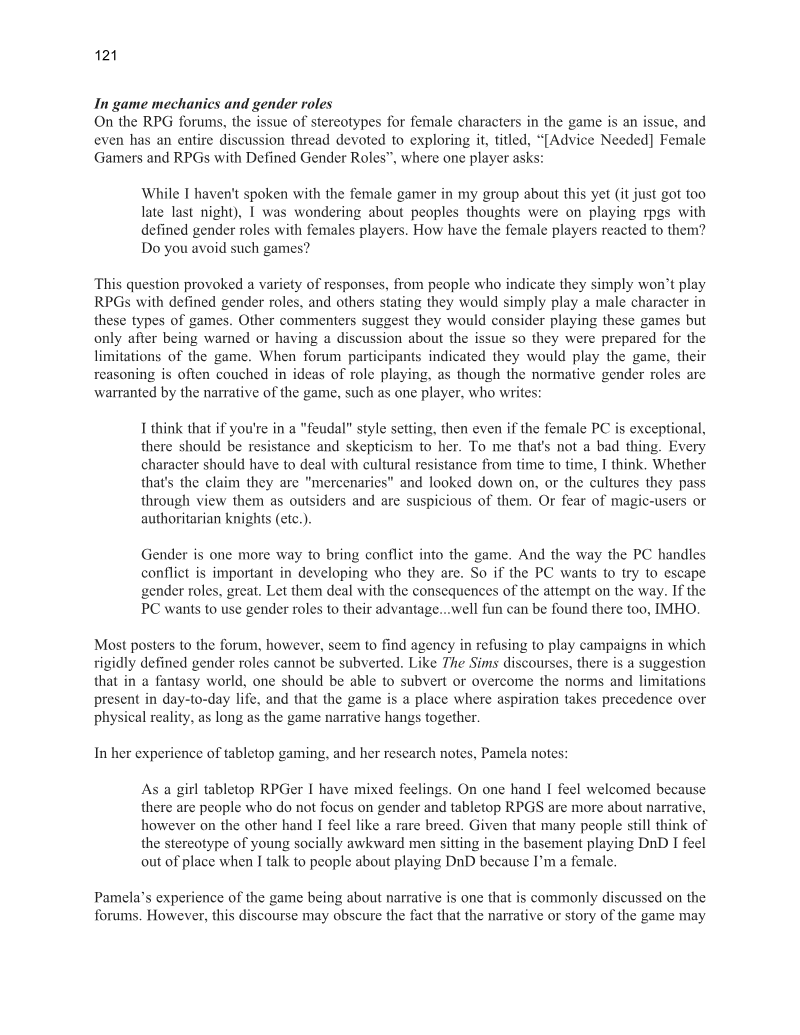
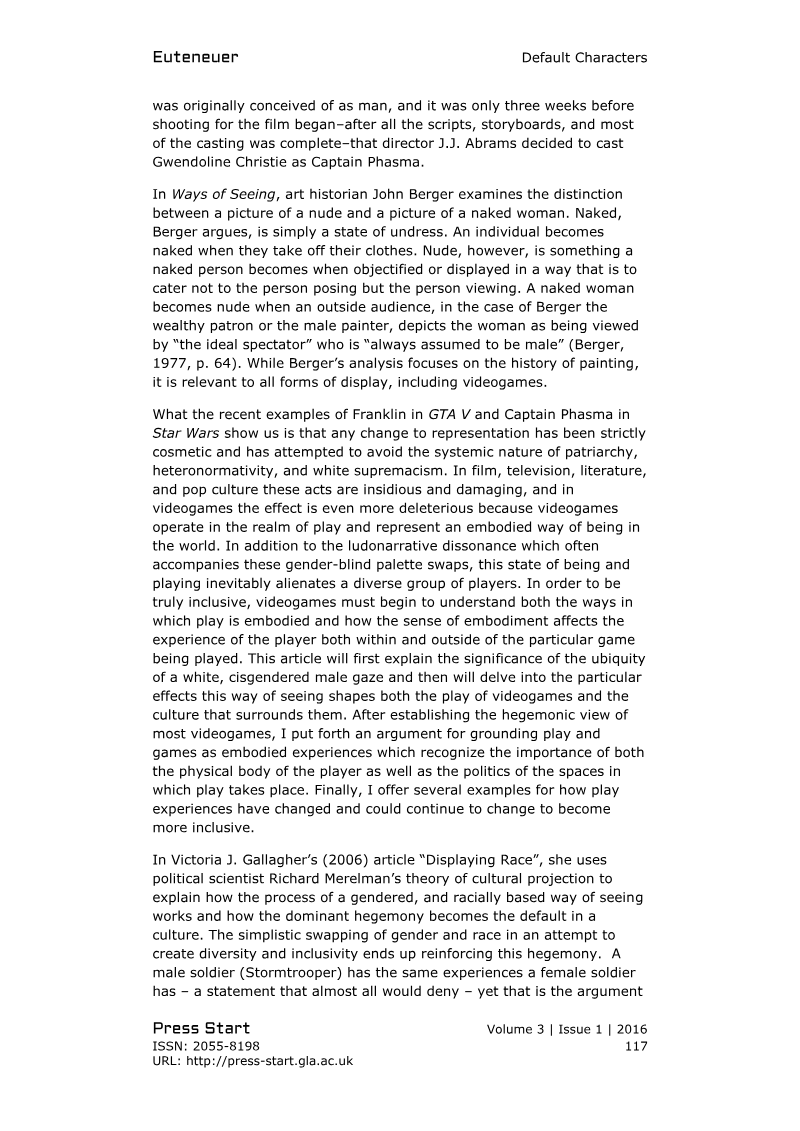
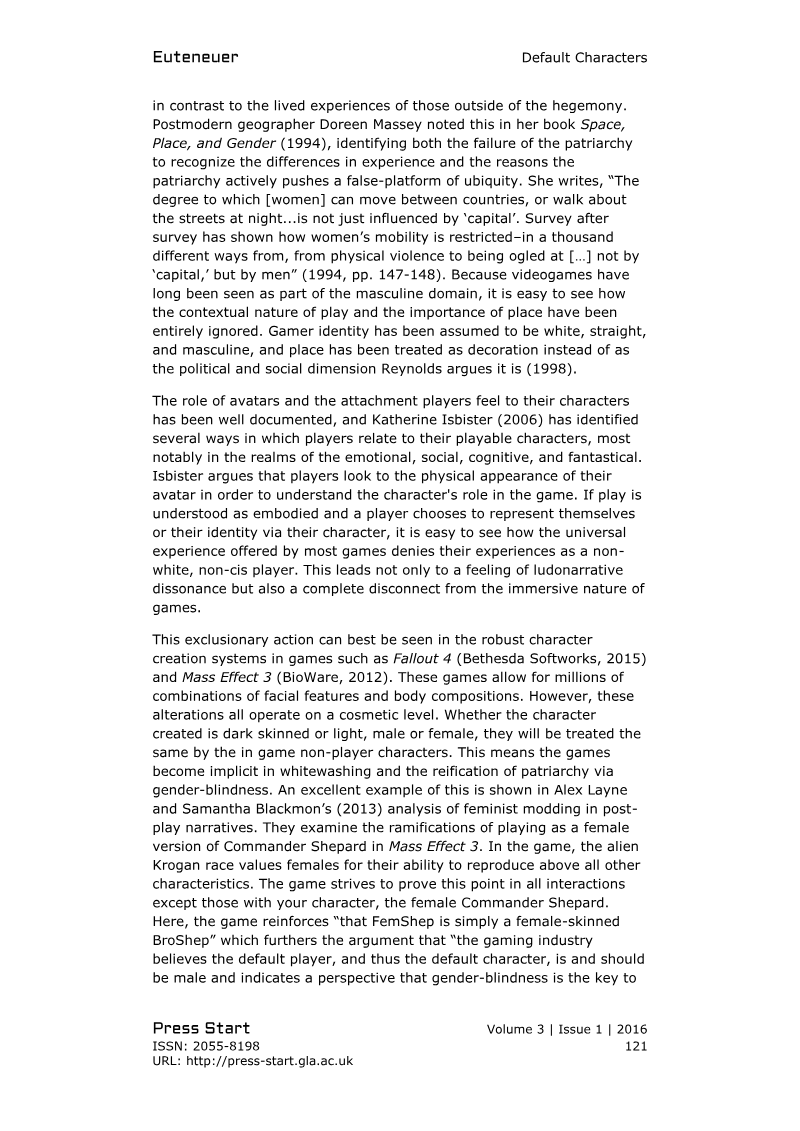
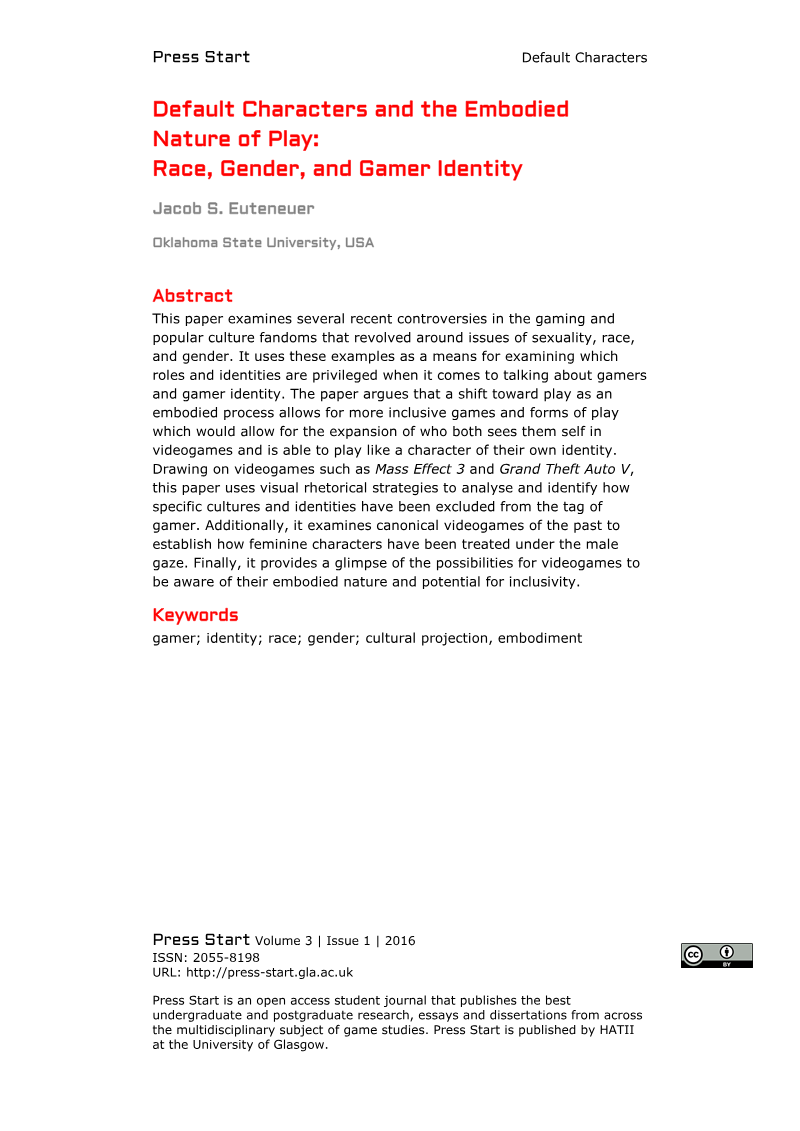
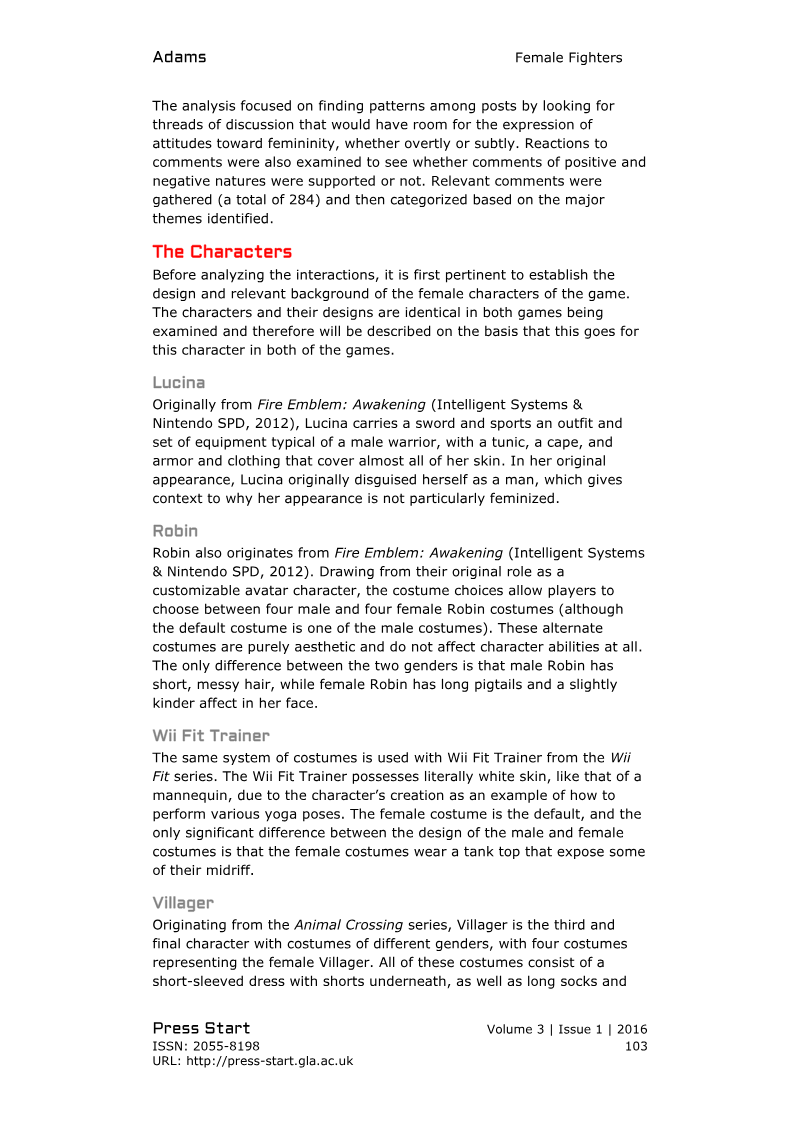
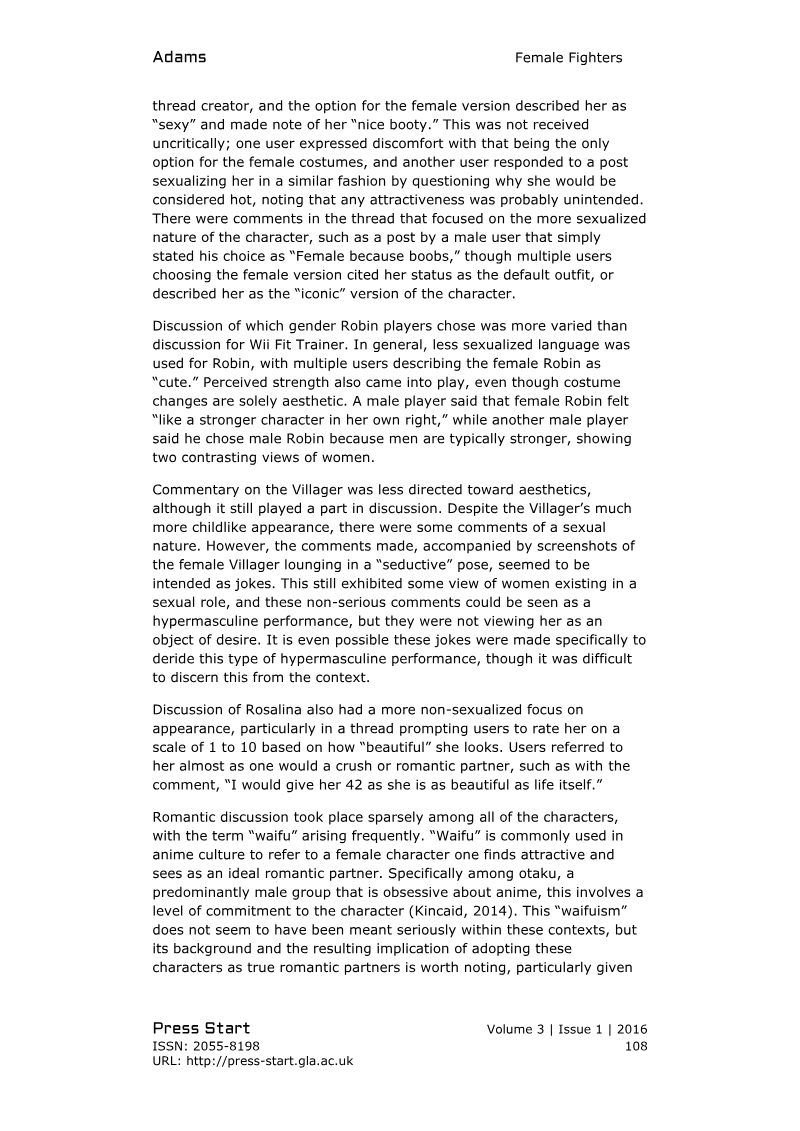
This research examines the pervasive nature of gender-based harassment and toxicity faced by women within the esports industry. The primary thesis posits that systemic misogyny, reinforced by harmful stereotypes and a lack of institutional accountability, creates an unsafe environment that actively discourages women from pursuing professional gaming careers. By analyzing the lived experiences of female participants, the study highlights how these barriers manifest as exclusionary practices, sexual objectification, and intense pressure to conform to narrow, gendered roles.
Key findings reveal that women in esports frequently encounter hostility that extends beyond typical competitive banter, often escalating to severe threats and invasive sexual harassment. Participants reported that tournament organizers and team owners frequently fail to intervene, leaving women to navigate toxic environments without support. To cope with this, many women employ strategies such as gender masking—deliberately hiding their identity or de-feminizing their communication—to minimize the risk of abuse. The research identifies a cycle where these hostile conditions contribute to the underrepresentation of women at the highest levels of competition, as the psychological and professional costs of participation become prohibitive.
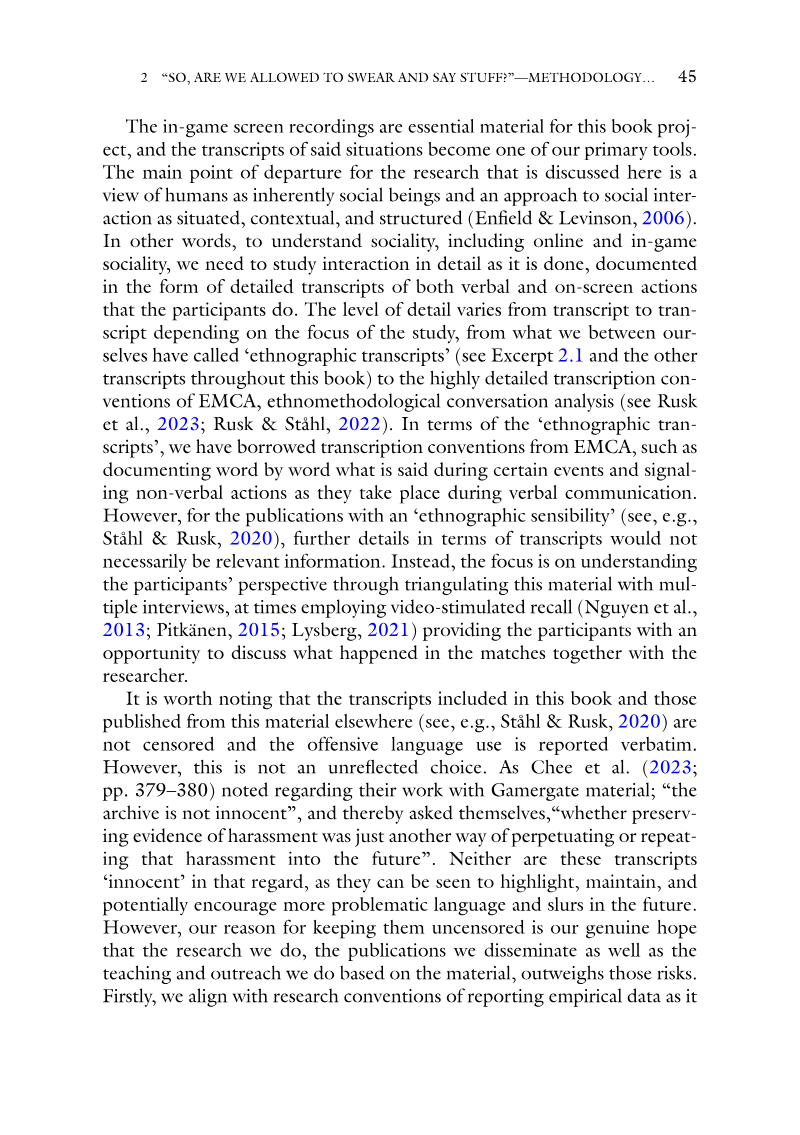
The study utilizes a qualitative methodology, drawing on personal accounts to illustrate the structural disadvantages women face, including limited access to funding and professional development opportunities compared to their male counterparts. While the authors acknowledge that gender-segregated leagues currently serve as a necessary, albeit imperfect, mechanism to provide safe spaces and pathways for women, they emphasize that long-term progress requires a fundamental shift in industry culture. The findings conclude that until systemic accountability is prioritized and inclusive community standards are enforced, the esports industry will continue to struggle with the exclusion of women, ultimately hindering the growth and diversity of the professional gaming landscape.