ArticleGameDiscoverCo
Is There a ‘Best’ Month to Release Your Game In?
21 Jan 20251 page~12 min full read
Key insights
6 slides
The persistent concern
Developers ask whether a specific month gives a strategic advantage.
The question of whether a specific month provides a strategic advantage for releasing video games is a persistent concern for developers. Data suggests that no universal best release window exists.
What changed
Digital platforms have rendered traditional seasonal timing less critical.
Historical industry practices were dictated by retail shelf space. The modern digital landscape, particularly on platforms like Steam, has rendered traditional seasonal timing less critical.
Seasonal patterns
Autumn months are the busiest periods for new releases.
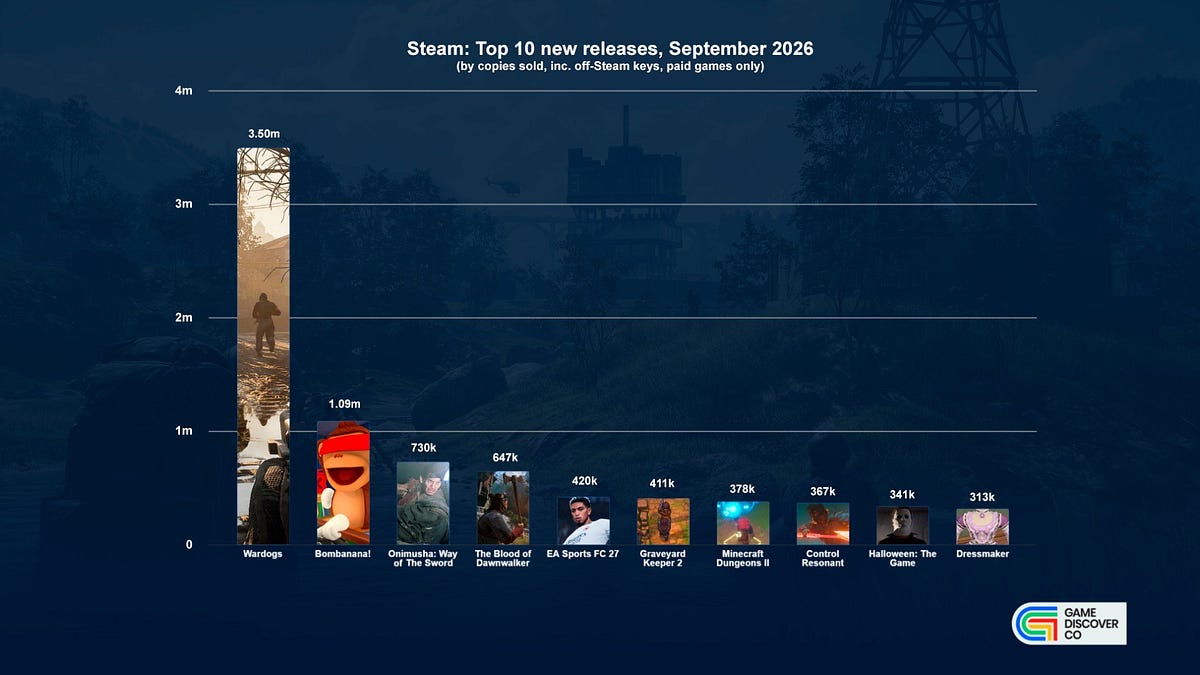
Analysis of Steam data from 2023 and 2024 reveals distinct seasonal patterns in market activity. Autumn months, specifically September through November, represent the busiest periods for new releases, while December and January are historically the quietest.
No clear correlation
Launch month does not guarantee revenue success.
Data from 2023 and 2024 shows no correlation between launch month and revenue success. Top-tier performance is often skewed by massive outliers.
Hype metrics
Pre-release hype metrics do not guarantee success based on timing.
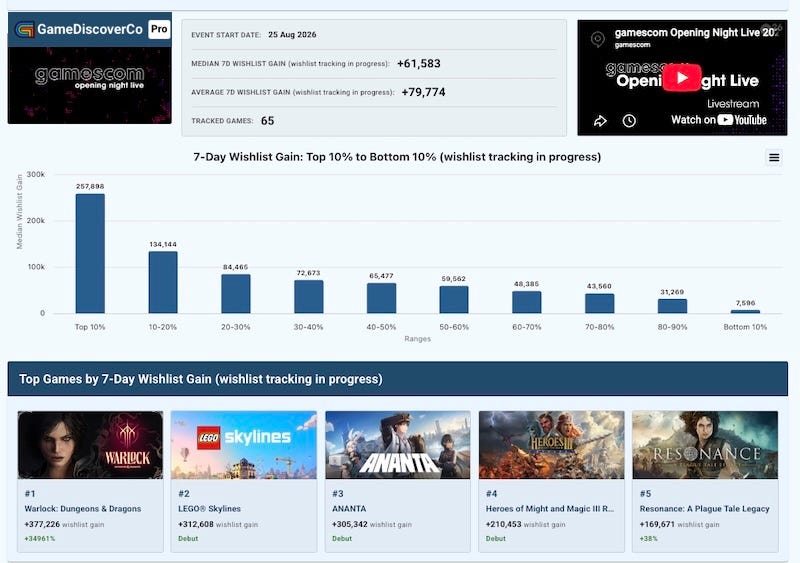
Pre-release Hype metrics, including wishlists, followers, and forum traffic, do not guarantee success based on timing alone. There is no clear correlation that guarantees success based on timing.
Practical guidance
Developers should avoid direct competition with major industry events.
Developers should prioritize avoiding direct competition with major industry events, such as Steam’s quarterly mega-sales. They should also steer clear of launching simultaneously with direct genre competitors.
1 / 6
Ask AI about this report