1 free read left. Create a free account for unlimited reading + AI research.
Create free account
IP Licensing for Small Teams featuring Mel Kirk | Game Dev Unchained Episode 246
Key insights
7 takeaways- 01Small teams should prioritize aggressive networking and disciplined project management to maintain leverage during negotiations and preserve the flexibility to pivot toward new opportunities.
- 02Licensors prioritize financial reliability and proven execution, requiring developers to demonstrate technical proficiency through high-quality prototypes or vertical slices before pursuing major partnerships.
- 03Securing high-profile IP licenses acts as a primary growth engine by reducing marketing expenditures and providing immediate access to established, dedicated fanbases.
- 04Long-term viability is best achieved by building franchises that offer compounding value over time rather than chasing rapid, high-risk scaling or singular hit titles.
- 05Studios should adopt a hybrid business model that balances reliable work-for-hire licensing agreements with the development of original IP to ensure financial stability and low employee turnover.
- 06While remote work is now a standard operational reality, maintaining creative cohesion remains a significant challenge for distributed development teams.
- 07Widespread adoption of virtual reality remains constrained by the current absence of a definitive, hardware-driving experience.
Ask AI about this video
Transcript
[Music] what's up everybody welcome to another game dev unchained podcast episode the number one game development podcast about game development and the lifestyle thereof i am your host brandon pham and with me a special guest mel kirk how are you doing mel hey good brandon uh good to be here thanks for having me of course man thanks for coming on uh this is the part of the podcast actually where i kind of asked our guests which is yourself about yourself uh where you've been where you at and where you're heading sure uh man i started in games seems like like it's been like a blur 2004 i got into the industry i started working for a pr marketing firm that was aimed at helping developers and publishers with external marketing resources and whatnot just kind of
whatever needed to be done back in those days it was it was much different than now but i ended up like helping companies get publishing licenses uh you know figure out if they should advertise a game informer figure out they should go to e3 what does a booth look like down in the doldrums of kensha hall uh things like that i got in some of my first projects i got to work on were guitar hero and guitar hero 2 back with harmonics and red octane i then got to go forward into all sorts of other wild forms of branded entertainment like a star trek mmo um worked on i don't know jackass the game uh for psp that was a lot of fun we actually went on tour on the warp tour with with jackass and the guys trying to get them to uh create levels and upload them to youtube which youtube was like a brand new thing back then um so spent six or seven years there kind of did everything and then found my way to zen studios and it was a small team based in budapest hungary uh very small back then there they were working on a pinball game
which i thought was cool because i love pinball they needed help with very specific things i just decided to join the team full time and i've been there ever since uh helping build build the company um that was in 2011 i landed there 2010 um and then we were actually we were just acquired uh by the embracer group under saber interactive just we made that announcement i think like couple weeks ago in november so it's been a wild ride uh all these years uh bringing a lot of really cool different things i think i've got a pretty good handle on pretty much all aspects of the game industry from coming with a game concept on a piece of paper all the way through to when you push the button and it goes out the door and then hopefully seeing it you know do well on players you know finding an audience and players enjoying it so but everything in between all the business related aspects not so much a designer or a coder but i do have a lot of input and i've had a lot of input over the years on very specific things on games which i believe made them uh what they are so that's a bit about me and what i do
um and you know there you go i mean that's quite a lot so there's there's we'll go through a bit right business development has always been a curiosity uh it's one like i'm actually spending a lot of my time now doing that and it's just something that haven't i feel like a lot of game developers kind of fall into it and learn through experience more so than actual schooling um is that partly true i mean were you learning things on the go or did you have a little bit of a college education behind it to get things going yeah i came straight out of university with a business degree um and also a psychology degree which is focused on consumer behavior and i wanted to get into games i mean i knew i mean i you know lifelong gamer started back in the nes days uh playstation and then and then went through there and i knew i wanted to work in games but um i wasn't really sure how to go about and get involved and so really what i try to do is just latch on to a company
that you know somebody working in the industry of course the very bottom and then always just raise my hand and just say oh uh i can do that or i'll figure that out because this was a time when things were developing pretty quickly um and you take in case the product like guitar hero where the the box is way bigger than than um you know what games were traditionally sold as in jewel cases and it cost a lot more than a game it just didn't fit and so we had to be really creative about how we sold the game into retail or how we were going to do the marketing the communication for it really there was no precedent for how that was done so i was doing a lot of biz dev and marketing and pr for that but you know my attitude was just we'll figure it out you know that's kind of my own i feel like an entrepreneurial type of spirit and just a thing so no matter what sort of book knowledge i may have come out of school with or you know what was going on around us really there was no precedent it was very experimental it was very let's just try this and see if it works if it doesn't we pivot um thinking fast on your feet uh working hard very very hard showing
up to playstation literally saying how do we get a publishing license uh i need to do this you know filling it out there in person with a pen and paper um so it was just that some of the stuff i think maybe you can't teach just the hard work to showing up that being they're ready to do something and then uh you know just loving what you do loving games wanting to see them succeed um and i think it's done differently now you know this that was a different time but now um you know i think that uh there's a more straightforward path more that you apply for a job and you know you you get in the door you might start in a certain division depending on the size of the company you know the eas the activisions the big guys of the world you you go through that process but still on the indie side if you're scrappy if you're um you know entrepreneurial you understand the web you understand viral aspects and social marketing and just how to harness the power of the web like i think you can get into a small indie team and show some real value and like really help build a company from the ground up
i still think that that opportunity really exists today yeah i think one of the um one of the things about the game industry and i i feel like this in every discipline more so in business development is the lack of documentation and in a lot of it it's kind of going through and and testing new grounds and especially uh being the business guy you're you're always trying to get out your comfort and just go out and ask and i'll i think there's naturally some reservation about developers not wanting to bother people or it's like it's too uncool to bother people where it's like the persistence actually help land a lot of the bigger deals it's like just making yourself known and your company known uh to the other interested party or potentially interested party um was that something always a kind of part of your college education was it something unique to game development or anything
particular about the game industry that pushes you to kind of push back uh as much as you can yeah well back then you know i would say i would really say nothing i learned in my college experience was practical to the game industry other than learning how to be organized and maybe learning how to learn quickly um you know i just remember in school like you know you're it kind of pushes you to um to become organized and think on your feet so i took those things with me for sure but look there's if you're working on the biz dev site you know you got to be organized on in the sense of learning and knowing how a spreadsheet works and keeping track of numbers and hopefully you're working with a team on a creative vision that is achievable within your budget within a time frame so you're you know if you do have funding in front of you you're not exceeding that and like kind of forcing yourself to go into a position where you have to make um a deal because you're kind of like man we're out of money we're out of time
like we just have to get do something so that forces you into a position where you don't have any leverage because you got to make a deal um if you are if you can manage those in the early phase and get a project shipped and have enough sense to to move some units and to get going or to knock on a door to get a publishing deal you know i would say be tenacious with it don't feel like you're bugging people a lot of times uh you know especially we've been in the publisher seat ourselves where we've published games from third parties and when i was knocking on the door of somebody else to publish our game so i've seen it both ways i've always found that like you're not going to bother somebody um it just takes the everyone's so busy in this industry like trying to do more with less kind of on an ongoing basis but if you just you know try to build a network uh you find somebody who gives you the time of day latch onto that ask them for advice just keep pushing pushing pushing and you know i think it's a hollywood story too like this is kind of you know the game industry is young in a sense that we're in a place where hollywood was maybe 50
years ago or however many it was but we're accelerating faster um due to circumstances uh you know covet or technology changing and the way that our industry operates but it was very like similar um if you have a creative vision you have a product and you're working on something it's up to you to to make a deal or to make it a financial success you know there's no there's no shortage of knocking on someone's door and asking them to take a look or being i don't know creative and finding a way to to get your stuff in front of somebody so um i don't know if that's answering the question i i think that it just it's maybe in some cases a little easier now because you can also use influencers uh for for that sort of thing if you can you know they're almost like i almost view influencers as somewhat of a way to to break in as well so there's you got a lot of them with all different sizes and scopes of audiences but um if you find um your path then you know if i get some traction i would say you know you're on your way i think one
of the the [Music] the barriers that i feel smaller teams kind of put up around them is approaching these big partners or potential big partners and having like you said having leverage definitely helps but also feeling inadequate to to even approach the big partners in the first place like how much of that is true like how much do you need to have if you have a great idea but you don't necessarily have the audience or the people to kind of push that idea across to be like hey we can handle your ip and express it in a very unique way but just lack the audience right now like what is the leverage usually in that kind of scenario yeah i i think it could be different every time if you're talking about a one you know say one person and you're working on your own project and you've you know you don't have the means to see it all the way through and so you're looking for you know if it's just an idea on paper
that's one thing if you've got a working prototype that's another if you've got a vertical slice that's another and if you're just looking for completion funding that's quite another all of those have different you know different stages to them and you're going to be received differently by with everything um i would say you're in a much better place if you have a team established or a fully functional proof of concept vertical slice you know that's where you probably have a leverage um to go in and really make something happen anything earlier you're you know you might be spinning your wheels someone might not take you seriously unless you've already shipped a project a successful project before or just can demonstrate some level of success so the barrier to entry i think kind of keeps getting pushed further and further down because games are expensive and they're risky so having some proof in the pudding or some success to show for it you're going to do that much better for somebody who's just starting out and you have an idea on a piece of paper and that's as far as you you've you know made it i'd say that you know you're you need to do more in order to
like really be taken seriously or to try to get a deal done um if you're just a business person with an idea as well you know and maybe you've got resources to go hire a team and you get to a point where you create something um sure that that's a path or if you are the creative person you don't have any business sense um but you you really have an idea you might want to then go find a business person or a bd or somebody who can help you um start to put a framework together for what a budget looks like maybe go get some funding raise some money um or you know even just get a marketing team behind you to help kick-start the idea i mean there's a lot of different ideas and paths but um it depends on where you're starting from where you're coming from what stage of the projects you are i think one of the uh the trend nowadays is cyberpunk right and we kind of know the story behind cd red project with their richard series you know the and it's something i feel like a lot of indie development team
uh should take more advantage of of existing ips and not completely wearing all the hats and trying to come up with a new idea an innovative idea but using something that is kind of known and has a lot of uh a lot of backing in story and development already years put into it and then taking that into a new medium so the witcher was kind of like that where they struck a deal with the author and it was mutually beneficial but didn't break the bank and then the rest was history still required a lot of hard work obviously from the game development but like they didn't have to sit down and completely come up with the lore that could have been time consuming and rather they put that effort into the game design um like that was one in a million type of story where i don't feel like any development is um is taking advantage of that more often i i can't really even think of another story that's like that uh being the biz dev guy
like how how much of a miss opportunity with that type of thinking is it mostly out of fear where smaller teams like we kind of mentioned don't feel like they can approach and read a book and and kind of somehow up you know figure out that path because there isn't really a clear path of doing that yeah these are these are great questions um you know zen has a lot of experience working with with ips in our uh in our pinball games you know and that's kind of where we established the company we decided to really focus on one thing and doing it really well actually doing it the best and just trying to own it and in that we work with a lot of different ips when we first got started um street fighter was the first ip we worked with and then we went into ninja gaiden and i think after that we got to marvel but the first three four deals that we did i would say like those were i mean i don't want to say they were bad deals for zen because we knew that we were going to have to cut kind of bad deals for us that were
really expensive selling your soul so to speak because you have to have proof that you can do it and if you haven't done it before they're going to look at you and in our case who's this uh small little studio from budapest hungary like why are we gonna trust them with our ip and and are they even gonna pay us royalty and are they good on their word and can they create the product that they're talking about so it cost us a lot to do that but we knew what our roadmap was we knew we could do it well uh we had already had a little success and we had some money in the bank so we felt okay making that investment um and that was our our pathway to iep with with zen uh which you know now we don't have to necessarily cut that sort of deal we have a lot of ips coming to us which is nice um but i do think that there's something to be said about going out and finding an ip that maybe is ripe for interactive and in gaming there's a ton of source material in comic books i still think comic books are the number one source for for almost everything uh movies games there's a lot i mean
that's where you find a lot of inspiration and there are a ton of comics that um you know are sitting there waiting and i know would don't break the it wouldn't break the bank in terms of you know getting rights to create material based on on those comics um and so that's where i would you know i always tell people if you want to get into ip and you want to start somewhere find like go find your favorite comic or find a story that's just waiting uh to be told in games in other forms of media and you know rather than trying to go pitch marvel or you know some global ip where you know you have to be you have to know what you're doing you have to have some sort of pedigree and proof in the pudding already established to to get there um and in the resources and the finances available to do that so um yes ip's are there the witcher is a fantastic example with what cd projekt red did i think that there's there's more of those opportunities it is harder to get above the noise these days i mean there's you know so many games so many things coming out but ip also helps if you find an ip with a fan
base already helps lower your cost of marketing and users right coming in so you can introduce something to them that they already love and a universe authority love and hopefully you've made a good game um so it's certainly um like kind of in my mind it fast forwards your path to uh to success um and you gotta do it well you know um and ip holders gonna hold you accountable um along the way they're gonna have input into your idea into your vision for the game and they're gonna wanna have a full approval and so you know it might take you longer to get something out than it would have otherwise not working with an ip but um yeah uh that's what that's what i think would be helping and i would love to kind of dive a little deeper in the beginning of zen studios and working with these ips without having like you know the the resume to kind of that you guys are enjoying now right um so there was a lot of uh give and take in that type of relationship
and uh you were mentioning kind of like having a firm road map to look at uh to refer back to when you are feeling like you're being shanked with these deals right i think that's incredibly helpful like what what advice do you have uh for people who are thinking along this path because i do agree with you like it is a path that is less traveled for a lot of indie devs because for whatever reasons right but i think it is one of the safest steps uh if they are like you said three games out uh where they're thinking up forward about three games after instead of just one hit wonders and betting everything uh into that which causes a lot of problems right uh i would love to kind of hear your thoughts about uh more insight about that process at the beginning and what uh expectations you guys had and uh you know non-expectations that occurred uh during that development
sure um so i have to like you know back up a little bit tell a little bit of a story you know about pinball itself pinball lived in arcades for for many many years and it's always been a game that's associated with ip and the pinball machine itself was designed to like immortalize a moment in an ip or a universe that people loved and there's a lot of mass market um you know all the big 80s movies and 90s movies and even bands they had their own pinball machine so it's a game that was already well known and recognized and there's flippers and a ball and people generally get it um there's also been a space cadet pinball which was oem'd on two uh windows 95 i believe which might be the most played pinball game of all time and everybody who booted up their computer on the microsoft os was was playing that game and so you know there's kind of this this well-known aspect about it and we just saw that nobody had done
a digital pinball game for consoles yet or or pc that was like really good and monetizing well so when we identified an opportunity the first thing we did was we built the game with our own original ip um and we launched it and um onto xbox live arcade back in 2007 was the first launch and you know lo and behold it became the number one game on xbox live arcade it was kind of it was a shock to microsoft it was a shock to zen but it just showed that okay here's the game that people want so we know there's a demand for it um and then we started to turn our attention our thinking until like okay pinball needs to have ip because it's the way it's always been what ips are really relevant right now and what's approachable for us in terms of something that won't totally break the bank and um you know we'll uh we'll give us a shot and so uh that that was kind of our approach to it um so we had our proof of concept we were already monetizing we had money coming in we felt like we could take that next level of risk or and make an investment
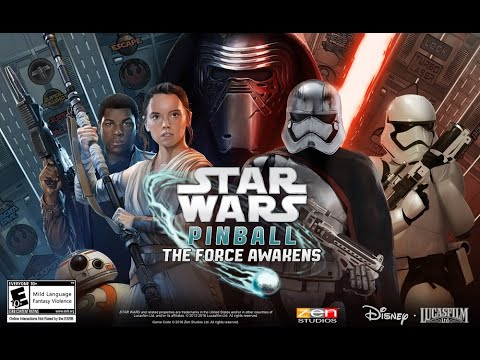
in ip um we had a friend of mine john d he's over he was at capcom at the time he's now at arcade one up we're actually reunited now working on virtual pinball machines together um he was instrumental we approached him and we showed him the product we showed him what we thought we could do we got a deal done for street fighter now it's the most royalty we've ever paid um it was you know crazy because it's a japanese company very uh um you know i would just say street fighter was hot at the time and you know commanded commanded the the money that we were going to pay them so we did it we jumped in and we did it and um and it was great that we did because we felt like okay if we can show that we can do a successful table uh with a with an awesome license uh going forward we're gonna be able to do this with you know who knows what and we had our next we you know we were like uh because we had success with the japanese company then we went to ninja gaiden but we always had our sights on marvel and star wars in jurassic park
and things like that but we knew that we just had to take the right steps to get there be patient pay our dues so to speak but always focus on the quality products because licensors want to know that you're going to take care of their ip but they're not going to chase you if you make a bad game and it comes out and it hurts them and everyone's like what's this crappy street fighter game you know like that hurts more than anything and that'll kill your chances more than anything so we were committed to quality products to paying our dues understanding the road map knowing that if we did this well we could own digital pinball and move forward so we we put a lot of eggs in that basket and we went for it and it paid off and uh that's that's a bit about the process that we took care of jen and i always equate the uh the road map and i would love to kind of hear your more your take on it because being the biz dev guy uh it kind of equates to like like a crime scene where they're like seeing the red string connecting to what
and to me it feels like that's how we should approach and are approaching a lot of how these networks kind of connect and one step at a time and it's one of those things where game developers don't have that background into thinking that way [Music] or at least transferring their game design knowledge over to business where uh they're taught to think that way uh i would love to kind of hear your your thinking process behind that like how how were you able to did you look at people did you look at the licensing you said you guys kind of had like your beacon towards star wars and marvel licenses uh and how did you draw the string from street fighter to ninja gaiden like was that all planned from the beginning or was it it kind of happened and then you you're constantly like reevaluating and and re-plotting your road roadmap yeah it's a bit of both uh first of all we had we had some sales data right like we showed what happens when we sell games with based on our own ip what happens when we
sell a game based on street fighter and ninja gaiden and also when we when somebody comes in because of street fighter what happens to those original tables that we had which are our own well we found like cool we can go after the street fighter audience pull them into pinball effects and now they buy they also bought the uh the zen original table so we saw kind of an all ships rise um situation and that gave us kind of some case studies going forward so we went to you know marvel we said marvel here's some fruit from the pudding like we made uh whatever 80 metacritic game that metacritic had was important back in the time as well showing that quality bar um and here's the sales proof here's what we think we're going to do be able to do with marvel if we create a you know pack of tables and if hey you guys have enough ipa so we can build the universe here like marvel pinball can be its own universe so there's the pitch putting together the the the forecast the um the long-term range of what this relationship looks like the product road map we want to do these characters these characters in ho by the way now you have movies coming over here for mcu like
when we can get into that you just start to put together a big picture plan that they can get behind you show that you're very specialized and very dedicated to your craft you know we go in the pitching pinball we don't later pivot and say now we want to make like a um you know ultimate alliance game for you no like we don't go outside those bounds we know what our role is we know what we're trying to do with marvel we stick to that um and then we go we get into product development you know and it ships and hopefully you exceed expectation um and and then you just continue on working together and that's why we've been working like say for mark with marvel for uh she's a decade now i mean mar uh 2010 december was oh we're right here at the uh ten year anniversary um and so you know as as you prove yourself out you know you you continue on and then of course yes you you're revealing re-evaluating the roadmap you discover certain things um you know one-on-one opportunities will show up like plans for zombies for example right it hit it was huge pop cap you know another at
the time in indie studio very approachable we had mutual friends we just said hey zen you're making the best pinball hey pop cap you've got awesome plans for zombies let's do a plans for zombies table and we do it you know and that was not like on the map that was not something that we planned it was just those opportunities start to reveal themselves to you it's a good and bad thing i mean it can be distracting it can get you a little bit off your strategy but then you say well we haven't done this sort of a game yet maybe it's going to bring us a whole new audience and it did it brought us a huge amount of female players which i believe brought you know started then giving the game to their kids we saw that come in we saw you know sales of everything else go up because they came from plans for zombies uh but they stayed for everything else and so you know that was just the nature of the game that we found ourselves with pinball specifically um and it turned into us building this franchise right pinball effects became a franchise which is still going today and i think that's another thing that you want to focus on is when you start working on something you want to be very true and make sure
you nail it the first time make it as good as an awesome as you can but like do you see the roadmap for this thing to become a franchise and can i be working on this three five eight ten years from now it's a game now it can there also be merch can there be a tv show can there be this that's where game developers find themselves now is we are creating the ips and the entertainment that is going to shape i believe a long-term future of entertainment at this point this is all new thinking i mean game developers traditionally haven't thought this way i think you see the companies who have and have developed these power franchises that just sell year after year now it's a question about whether or not they're innovating with those but once you establish a franchise i mean you it's worth your while to continue investing and let that compound for you and let that work for you over time in history um on the pinball side i mean we've done a lot we continue to go there but you know it's a never-ending uh where do we go next what do we do next how do we keep it fresh how do we make it feel like we've done over 100 pinball tables now um there's 20s marvel there's 20 star wars do we need
to keep making more tables and we're constantly re-evaluating those um so that's a little bit of an insight into the way you know we process here and what what my job is essentially is to help sort out yeah and first of all you know congratulations on the acquisition hopefully that was i'm i'm i'm guessing that was part of the the business roadmap of like acquisition right um how how do you how do you usually plan for something like that you know you have a target audience uh you're building momentum are you also looking at the inner road map like possible potential suitors uh that this business of yours will eventually be attractive enough for them to consider things like how do you usually factor that in is it a lot of research on potential suitors or or or is it just happenstance kind of culmination of things happening and then it opportunities kind of popping up i think it happens uh for companies
differently every time um look uh one thing i love to point to is like insomniac and sony you know they got together and they made um spiderman which was yeah a fantastic game and marvel was involved it was this exclusive deal you know i think that that made a lot of sense there they probably figured out that they loved working together they had long-term interests aligned they had a great time making spider-man together so that's one way an acquisition happened you got a company like zen we're we're kind of an og indy you know we're one of the first hybrid developer publishers going to digital content sort of thing had a longer a much longer path just of finding our way stumbling making the mistakes learning from them somehow staying in business uh maneuver maneuvering around changes in technology and all this stuff uh somehow somebody thought yeah i mean like you know we've had other fish circling our our our us for a long time he said zen can be a part here come do this come you know can we acquire you it's always been about like you know i don't know if we felt that
this time was just right or what was going on in the industry what's in front of us but we just felt like we kind of got to the point where we took this as far as we could go on our own um and that we had we saw a huge potential in front of us exciting potential we kind of whittled that down into a framework of what we thought it would take to achieve and we just said all right we can do this on our own but it's probably going to take us another 10 years and what happens if we just find a partner that can help us accelerate now and this partner has a similar vision a similar culture similar um you know idea of just how we treat people just all the things that go into making because making a game is really really hard and then making it commercially successful charge so finding that right partner with the right fit and would help us accelerate this vision and that's what we found with embracer group and you know saber interactive so for us it was just it wasn't like we were building this to sell it or that that was our end goal we wanted to have an exit it was just the right time the right circumstances suddenly we were like
okay we built this thing and it's awesome here's what we go with it but how do we do that and this will enable us to do it much faster um and i think without like aging much more because starting to get gray hair so uh you know that that's where it's at yeah i i and uh i i feel like the internal struggle with indie development or any game developers has always been um the alert of creating your own ip from scratch right and i would love to kind of ask you you guys were experimenting with that done that many times as well as having these these sure deals you know mid and later development where like hey this is sure money it's a good license and you guys kind of find a happy medium there where you like these are awesome marvel ip star wars i think we love doing this but there's always that you know kind of like uh pool for like you know i have my ideas too i would love to contribute to that like how how did you navigate that with
the creative team to find a balance that works for you guys uh without you know taking too much risk uh which is always seems to be the deterrent of of new ideas yeah well i can answer this now for you in a in two ways now thinking about zen's uh non-pinball business which we basically we do pinball and non-pinball and that also includes our rpgs on the pinball side it was it was about taking like not taking the risk was actually the risk because then the game the game might feel the same or they might some a player might say oh they just reskinned this um we have to be sure that with every new table that we're making there's a new gameplay mechanic based on the ip that we're licensing or on our own creative idea but that the core gameplay for example like um for the infinity gauntlet with marvel that was an opportunity to go bonkers because you know thanos and all the gems we could use a different gameplay mechanic around each gem and
one of them was i believe it was a reality gem where we flipped the entire pinball table upside down so you know that's the first time that's ever been done and that just wowed people and it was they're like okay you know like zen is really going for it this is crazy uh we always walk a fine line between what could be done in the real world and what is our video game it's that we embrace obviously being a video game to its fullest potential i believe but the risk there was like like i said we've done almost 100 tables making sure that they're fresh that we're doing something innovative um and i think the risk is not taking the risk now on the rpg side where we're doing um you know rpgs are a whole different animal um and we've made some really good ones that nobody's known about um and i think that's another reason you know sabre can help us with that as well and the acquisition will help us make sure no no our rpgs are more known but a game like castle storm back in 2013 was this crazy super genre mashup we're just throwing a whole bunch of different things together rts rpg physics space destruction angry bird
style gameplay but it was born out of our ability to do games really well with physics obviously pinball being a physics-based game we took our physics engine we applied our love of pen and paper rpg kind of a you know a story that didn't take itself too seriously because we weren't really good at storytelling yet and we started to build out our capability to do rpg that was a huge risk for us because we are now departing from our core competency and said we want to compete over here and we think we can do well here we had this kind of cash engine going you know like a pillar in the company that could fund an rpg development and if we fail completely we're not out of business so we waited until we were at that point where we felt like we're not going to kill ourselves if we don't make it luckily the game was awesome like cast storm was a you know very it was a big success um for for our company um and then from there we've gone on to make others um and as there's just been more competitive and gaming altogether so it's harder to you know to market that it's clear that marketing and selling an rpg is completely different
than our selling a pinball table um we've learned a lot of lessons along the way about that but there's two different types of risks right there's the risk of innovation with something you already do really well then taking a risk and doing something you've never done before but you think you can and you're ready to make that leap and let's see what happens while not completely killing your company if you fail so we went through through both of those sort of risk you know assessments uh another point is that um that i love to kind of hear more about is the uh the risk assessment assessment is great and um [Music] a lot of it too is about team growth or you know just maintaining the talent without putting too much at risk by growing the team too fast right i always attribute to studio success through sustainability
more so than those one huge hit wonders right i much rather have a company that i adore around the next 30 years than than one that you know has like a massive explosion of popularity and then was is gone the next two years right which is a lot of uh game development um studios so i would love to kind of hear more of your thoughts about that like how did you guys balance between the two from [Music] you know especially with all these ips coming to you guys and you know if we do more then more money will come in so the alert of that is always attractive but at the same time you know we have a map we want to grow this team to a certain degree we want to maintain the culture as much as possible and focus on the creative more so than just managing people and and constantly just having to get them in and stuff like i would love to kind of hear the balance of that yeah you know zen has never we've never had a time in our history where we ramped up
for a game launched it and then like let people go we've been conservative in our approach to growth adding a couple people every year like finding the right people um and actually turn over it's then is super low i mean really we've only lost a couple people over these last 10 years which i think is a testament to the way we manage things we don't crunch like there's been like two or three instances where it was like a month of craziness but i mean generally speaking we try to be zen in our culture like zen studios is zen we do certain things nobody wears well we're back in the before coven nobody wore shoes in the office we wear slippers and just things about it that are zen and the culture is very important and sustainability is is very very important um also we found you know guys working on pinball games for many many years and they wanted to do something else that was another driving decision to start working in rpgs or these non-pinball titles these guys did have ideas um and team members wanted to do other things and so we said well can't just expect people are going to want to work on pinball for a decade and
do nothing else so that was you know part of our sustainability and part of our effort to make sure people were happy and finding fulfillment um and you know sure why we want we want to grow we think like all this like let's just hire a whole bunch of people double down go for it that's never been our approach um we've always been conservative we've always tried to make sure that we're not getting too far ahead of ourselves we've seen plenty of examples of like you mentioned of scale up build something it doesn't work everyone's gone down to this little core team again you know and that in my in my mind like that's harder to deal with than slow growth i'd rather grow slow methodically successfully make sure people are happy and this is a sustainable effort and you look at zen you know i said like 2007 published your own game before that was worked for higher but here in 2020 still going um i think it's sustainable that's huge yeah i feel like that's a lesson that indie developers uh can definitely learn from because i i
i see a lot of potential where at the first idea maybe the marketing timing and all that wasn't right and the game is great or vice versa the marketing thing was great but the game isn't quite there it needed more time like there's a weird combination of those two but it's always uh people put all their eggs in one basket for that first game and it's like this is a studio that could have been really great three games in but unfortunately because of poor planning they just don't last that long or the core team gets dispersed right and because a lot of the expectations is just too high it's like this is your first time doing anything you're gonna have a hit that's insane most games are like five games in before they actually get the rhythm right um i kind of want to go back to the history a bit right you you were talking about uh getting hired and going to budapest hungary like is there a story to that location particularly where why the studios is kind of based out of that and grow where was it grown from there yeah yeah
there is um so the the founder uh jolt and and then uh the the core group of like four guys and by the way like all but one of them are still there through all this um you know hungary was it came out of a russian communist period and um you know the the country economics demographics what they had access to was very specific during those times so while they didn't have necessarily like nintendo they had a lot of pinball they had more pinball machines per capita than anywhere else in the world during that time and so there was this that's what they grew up doing that's what their fun and their outlet was and so pinball was part of the dna of especially the guys who were at our company their their age their their profile when they grew up and so so they love it it's it's passionate about it it it it means more to them maybe than most people so um that's where the company was started joel and i were introduced through mutual friends at microsoft an event in gdc i want to say back in like 2006 or seven
that's where we uh we we first met um and we stayed in touch kind of you know i was happy to give ideas make connections do things and then it was this time you know i just you know joel flew me out there he's like what do you want to do what do you want out of life what do you want to do and i was like well you know i've helped people make their game successful and just kind of been uh whatever i can do to help but i would love to get more into what is the actual product what is the strategy what's the focus and division for a company in a studio and like help build it really from the ground up and so we just found mutual respect for each other common ground we both had a lot of ideas about how to how to treat people what it would look like going forward so i jumped in and uh and yeah i got to go to budapest a lot i love it's like my second home which i've only been there one time this year due to all the kovitch stuff but um i found kind of a um interesting the hungarian people you know are maybe they've been misunderstood in the past or they didn't have every opportunity they were kind of hidden away so to speak but like there's so much
talent and there's a lot of amazing ideas and artists and musicians and creative thinkers so i think that like for the hungarian scene itself you're going to see some amazing things come out of there that's a little bit about the origin the history um you know a game called operencia that we did uh last two years ago now time flies um was about central european folk tales and this is kind of the first time we embraced our hungarian heritage uh as a studio to in a game and so you'll find that that game more than anything i think embraces what a hungarian uh culture and what a game looks like you know specifically when you turn it when you turn that creativity loose and their their flavor of game maybe how you would think about how um cdpr did and for for the polish game scene is hopefully what zen can do for the hungarian game scene long term yeah i mean uh kind of jumping off of that like the kovid is of course overall
a horrible thing but like the byproduct of that has been the uh the open arm uh of the industry to all these kind of marginalized parts of the world that haven't really been tampered or or played into as much right like i feel like now that we're allowing a lot of remote workers that we're kind of looking into talent pools that we've never looked into certain markets it's allowing a lot of these talented artists and developers from around the world to kind of participate on a bigger scale uh and then give their perspective i think that's one of the biggest things like i feel like uh you know japanese market at first was was huge and then the western it kind of shifted to the western and now we have like a good combination of the two but then in between that time period you know cd projekt red is one of the biggest games right now right and it's it's uh i think a lot of this barrier of entry is lowering enough
that a lot of these developers are finally kind of giving their unique take that we're not used to um because of the big ips kind of doing the same thing right uh i would love to kind of hear more about um your your take on on how much this is gonna affect uh your industry uh other parts of the industry like how how do you feel like the remote is gonna change or this decade of 2020s that differs from the last decade yeah we've been learning this on on the fly as we go i told you it was it was a little scary like okay everyone just work from home bring your workstation home build an internet more secure sort of internet communication tools um you know off we went that in march of 2020 and um it's been okay i actually think in some ways productivity is increased because people
are just like they don't have to get up and travel into the office and commute or something they spend that time actually working and thinking um they so in in that sense it it's been okay projects that were already in gear already on their way and have their creative vision have been okay where we're finding maybe some challenge now is we're starting on some new ideas new concepts and it's always nice to be like in a room with somebody just bouncing ideas off the creative process is flowing you got a whiteboard so that's where i think we might run into some hiccups or it might take longer or maybe not be done as well as just like brand new creative process and understanding you know how to kick something off and green light it because the you know we were used to doing things a certain way it'd be fun we could have a meeting a big long meeting that we could go out to dinner we'd go to the pub and like we could just carry on the conversation and it would morph and it would turn and now we're just like doing it like this with zoom and
it's not the same uh so we're we're finding our way there but yeah like big picture long term i think game developers are actually adept um and we're maybe the best position to make the most or be able to transition to this this new sort of environment because sort of how we operated already um without knowing it when a new xbox is coming a new playstation's coming or just new technology whatever you suddenly have to pivot and you kind of start a new direction and you need to figure it all out and it becomes new it's a new environment it's a new thing so i think that we're actually doing we've done quite well i'm shipping a product in an era where you know you're not all together but all the buttons are pushed correctly and all the back-end systems are set up and here we go we published it we've we've been able to do it i think it's true for most of the industry i think it's pretty impressive um long-term i think it's sustainable i think people are bringing things out a lot of uh game designers and people who work in the creative process are um i would say they're you know a
little more internalized anyway they're not so extrovert so being around people maybe doesn't hurt as much but i do know that there's some people especially at our studio that and we know who they are we we check in with them more because like we were their family we were their source of interaction and when they're just by themselves and you know maybe they're not married they don't have kids and they just don't have a network in their living space that can be lonely and so we have to be very cognizant as the managers of the company are responsible for all these you know people to check in with them and make sure that they have what they need to to function and and to be appreciated so i think it's all of us anybody who's in our position is like the management you know we're at least at zen we're we're very cognizant of that and it's important to us so hope that helps answer the question definitely helps um naturally very curious about you know heads of studios about what they're thinking and i think there will be some more of a hybrid approach i think people who lean too far
into like zoom forever uh for the rest of our life is like nah man like there is a creative energy that you feel within a room more so than a zoom room right there's just something there that you bounce off it's a little quicker um but uh this is an option for those who can't be in the same locale that is the next best thing and i think a combination of the two is the best scenario for for moving forward uh i'm gonna tarantino this question because this is kind of harking back a little bit a little bit earlier in our interview right you were talking about before zen um you were working on uh guitar hero right and and getting that peripheral a new concept of like peripherals into your living room aside from the system that's not packaged with something right just packaged with the game i kind of draw the correlation between you know vr kind of having that that issue at the beginning and finally starting to get some footing with requests too right now right uh what lessons do you have from that
experience to what you're kind of just your own opinion and perspective of how vr is playing a factor and how people are are still somewhat resistant of fully adopting that technology well it takes time takes a lot of investment in content i think once you have the killer game that everyone's talking about that if you haven't played this you're missing out you know that's what it ultimately takes to uh to win people over i think with half-life alex um you know that we saw a moment where it kind of was like this that was maybe one of the first times where it it hit and people like you have to play this like it's now mandatory i look out in the landscape and like knowing some of the vr experiences that are coming i think that you know we'll continue to break down the the like that need or just that thinking of like ah i can live without this for now i'm gonna wait for something really big to come um i think oculus is investing a tremendous amount of money and great content
um in in in helping there so as is valve um i'd like to see playstation um you know i mean like uh the iron man vr was there but i feel like they've kind of exited this a little bit if microsoft uh came in with something uh talking about vr in the future i think that would help but you know they have they have the mixed reality or um i forgot the name of their their thing lens hololens yeah so i think you know ar as well um but like thinking back to guitar hero you know we focus on the experience um the the big thing was how does this make you feel like when you put when you shot the guitar on and you start playing the music do you feel like a rock star and like yes you do and that's what we really tried to push so all of our marketing the demos everything was when someone walked in the best buy and there was this like home room set up for the first time with the couch the tv and there was guitar hero and you played it and that was how you experienced it and you felt like you could see this in your home and how it worked you felt like a rock star and that's
that's really what broke it down so um it's a little bit different right now right if you want to put a headset on for the first time um i don't know if you can in best buy i mean then you got the coded stuff and like yeah are we passing disease around and there's all the thing about it someone's got pink guy and you know how do you cleanse it so there's some of the same or some different hurdles to jump through there's got to be that killer app there's got to be an experiential experiential element in which somebody can feel comfortable in that space and try it it is nice that there's no more wires and craziness attached it's really out of the box you get a quest to now out of the box you got an app you're on you're in you could be playing a game in like 10 minutes so you know there you go yeah i think the what the vr experience is still very a lonely one like the the mere fact that it's technology requires you to put it put something over your eyes and just trying to zone out everything around you it's a very lone experience i think that's part of the the issue there where it's not a party
game where you know guitar hero was more of like a a communal type of experience right um it is a slower adoption i don't know what it is i think alex like you said is is definitely one of those helpful killer apps where i felt like i felt the same thing it was the only time where i felt people were actually pushing other people that doesn't work for facebook to god to go out and get like a vr set or to play this game right um i'm just naturally very curious because you have that kind of background to kind of see you know it is a sector that is peripheral based and uh and and it's just slowly gaining some grounds and there are a lot of interest on that in that field it's just not you know developers are kind of like with some reservation not all in yet and then uh thankfully you know a big company such as facebook is the one that's pushing it but um besides the point uh we are at the hour mark i wanna
thank you for coming on and sharing your biz dev knowledge um i i do wanna just ask one last question uh before i hand the mic over to you so if you have like a few words of wisdom to the indie crowd out there for that solo artist who who wants to go about doing something uh what advice would you give them to kind of get them started as well as best practices for plotting out a road map that's realistic or somewhat of a not guaranteed but some average success where you're not just going out there in in in the ocean with surrounding sharks all the time well i would say you know work on your network try to you know utilize what it's social media i mean like every once in a while you know you mention an artist i see this uh hashtag go by once a while like
it costs you nothing to share my work or um you know artists who are established themselves at big time developers will just start sharing other people's work if you send it to them you know i think that that's you know just getting visibility on your stuff obviously um is helpful um having a portfolio that's you know easily presentable um sending it to studios if you're looking for a job or you're pitching a project like having a presentation that's well put together always helps making yourself look as polished and professional as possible so i would say that you know back in the day we used to have the gdcs and all these events in the world you can go and network or get an interview or whatever um unfortunately those don't exist right now but there are digital events that are trending and popping up igda you know the independent game developer association um you can become a part of your local chapter and start to make the inroads but i think networking is really the the key um and just
finding ways and creative ways to to intercept people and to hopefully start a conversation um if you're like more of a you know if you're an indie studio you're working on a game i would say try to you have to think you have to get some business knowledge or iq um and you have to manage a project and you have to try to ship you have to have a budget in mind and a target and like try to hit deadlines i know it's difficult and it can be theoretical but try to operate like a real functioning company if there's a lot of talks online as well that you can subscribe to or look at the free talks every everyone from like xbox the playstation or to other devs who who do these sort of things just you know listen to the experts listen to people who have done it before don't be afraid to ask questions or to tweet at them or send them something because i think i think game developers people who are successful actually are inherently um tuned to want to help others like that's what i love about this industry is we're all very helpful to
each other we love to share information i think i've you know i'm an open book usually when i'm talking i'm happy to share um we do want to see others succeed you know something that we hold close to our chest and say oh this is this is the secret sauce you can never we're never gonna let it out but you know i think that we're all happy to help each other um and then i don't know i always say this thing like kind of maintain startup mode to start with like it is crazy it's crazy amount of work it takes you have to be driven you're gonna fail a couple times before you succeed that's just kind of the nature of it um but just having the tenacity to continue on and to learn from those those failures and to not get um you know don't be distraught about it just use it as a learning opportunity and just know it's part of the process um and stay with it so um i think those are some of the ingredients that and some of the things you need to keep in mind if you're going to embark on this journey and you want to really you know find your way um in the game industry and ultimately one day like really ship a game that hopefully watch lots of
people um can enjoy and you know that's one of the things that i always try to keep in mind is like i feel like we're bringing joy and happiness to somebody and that's something i really wanna i'm proud of that i wanna do and finding the really the heart of why you wanna do something and make sure that your goals and what you're trying to accomplish always aligning with those so that's where we're at well thank you mel for uh for sharing that and uh as mentioned before this is the part where i hand over the mic to you to give attention to shout out and to point the the good people out there that are listening and viewing this right now uh where to go to find you to connect with you talk with you to learn more from you sure if you want to follow me directly like uh i try to i try to be active on twitter sometimes i go long periods of time without but i am at uh mel underscore g underscore kirk something like that mel g kirk um otherwise i would say go for uh for zen's channels we're on we're very very active on twitter youtube
instagram facebook we always try to respond literally to every comment or question that comes in so um you can find us or any number of our people just i think it's zen underscore studios is the most channels um every once in a while you'll even i'll be tweeting from the zen twitter if need be you'll see like dash from mel so try to be accessible um and and that's where you find us awesome well uh thank you for for spending the hour with me and chatting it up and and i hope everything and everybody over there is safe and sound uh that concludes this week's podcast i'll see you guys all next week [Music]
you
Summary
Securing high-profile intellectual property licenses serves as a primary engine for growth and risk mitigation within the independent game development sector. By leveraging established franchises, studios can significantly reduce marketing expenditures and gain immediate access to dedicated fanbases. Success in this arena requires a methodical, long-term approach where developers build credibility through smaller, high-quality projects before pursuing major partnerships. Demonstrating technical proficiency through prototypes or vertical slices is essential, as licensors prioritize financial reliability and proven execution capabilities when vetting potential partners.
Sustainable business development relies on balancing reliable work-for-hire licensing agreements with the creative pursuit of original intellectual property. This hybrid model protects studios from the volatility of the market, fostering cultural stability and low employee turnover. Rather than chasing rapid, high-risk scaling, developers should focus on building franchises that offer compounding value over time. This strategy allows teams to maintain leverage during negotiations and provides the flexibility to pivot toward new opportunities, such as genre-mashing titles, without compromising the studio’s core financial health.
The broader landscape of the gaming industry continues to evolve, with remote work becoming a standard operational reality despite the ongoing challenges of maintaining creative cohesion. While emerging technologies like virtual reality offer potential, widespread adoption remains constrained by the lack of a definitive, hardware-driving experience. For small teams, navigating these shifts requires a combination of aggressive networking, disciplined project management, and an entrepreneurial mindset. Ultimately, long-term viability is achieved by those who treat game development as a persistent business endeavor, prioritizing professional relationships and consistent delivery over the pursuit of singular, high-risk hits.


Comments