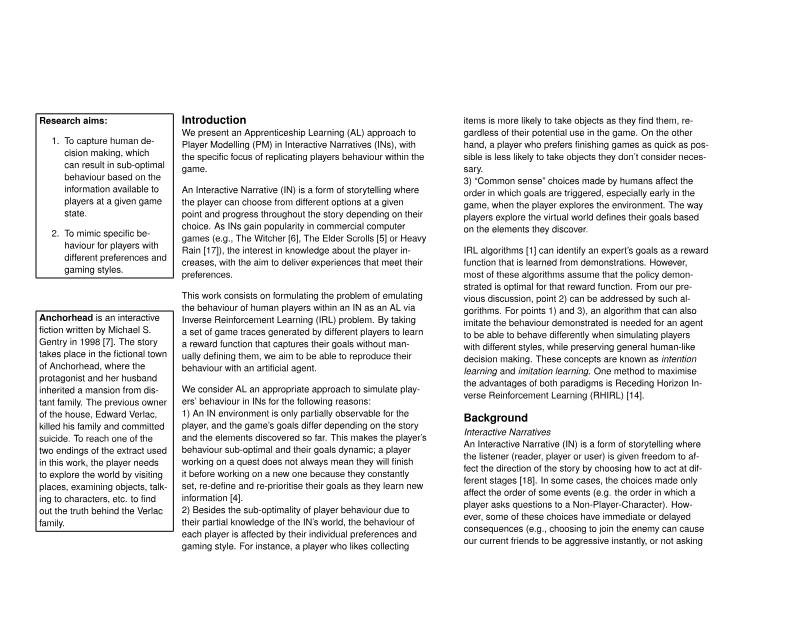
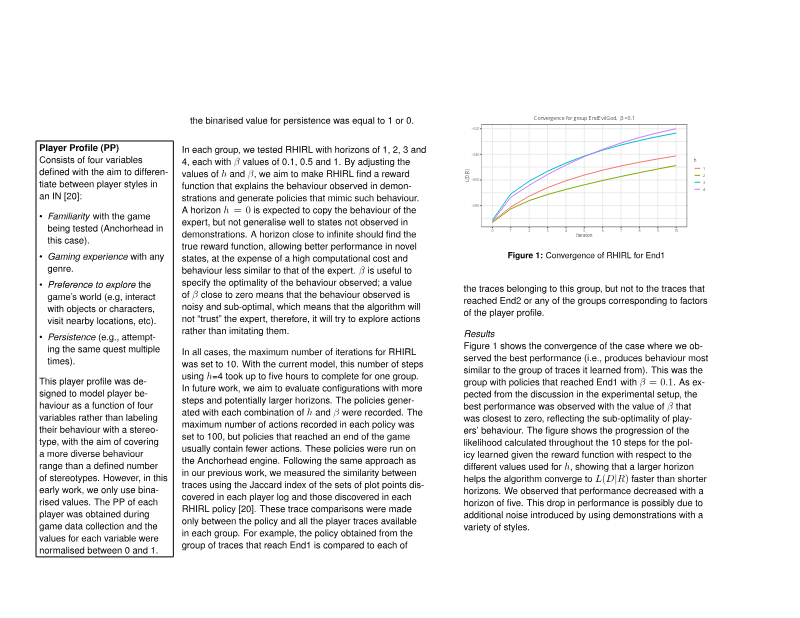
The integration of Belief-Desire-Intention (BDI) frameworks into interactive narratives offers a robust method for simulating diverse, non-optimal human behaviors within digital environments. By incorporating specific player characteristics—namely game familiarity, general gaming experience, preference for exploration, and persistence—researchers can better emulate distinct player styles rather than relying on purely optimal decision-making agents. This methodology utilizes the text-based game Anchorhead as a primary testbed, employing a combination of quantitative game traces and qualitative semi-structured interviews to map how motivational states influence real-time decision-making processes.
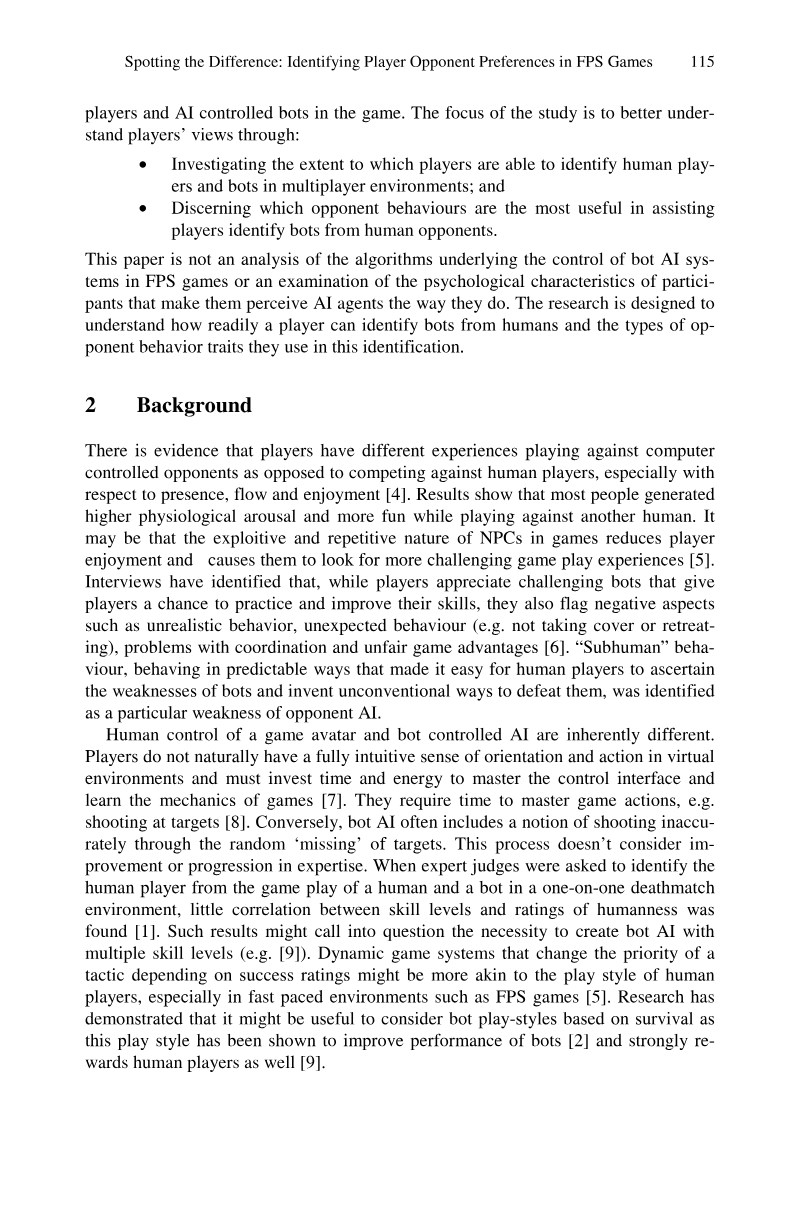
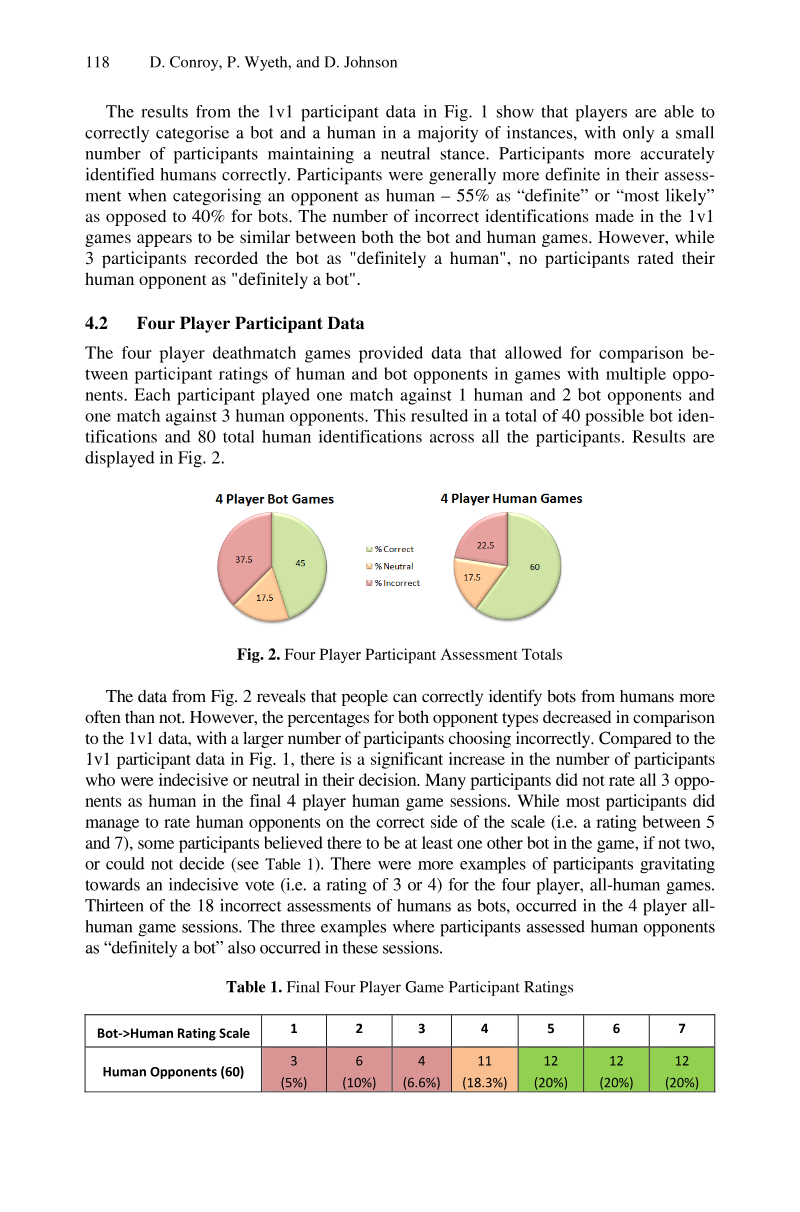
Despite the theoretical strength of this BDI-based approach, empirical testing reveals a significant disconnect between player self-assessment and actual in-game performance. Data derived from subjective questionnaires consistently fails to generate accurate player profiles, resulting in simulated agents that perform no better than uninformed counterparts. The reliance on self-reporting introduces biases that undermine the predictive power of the model, suggesting that human perception of one’s own playstyle is often misaligned with observable behavioral patterns.
Consequently, the development of effective player models requires a shift away from subjective data collection toward more objective, automated techniques. Future advancements in interactive storytelling and agent-based systems should prioritize methods such as Plan Recognition or apprenticeship learning to capture dynamic player behaviors. By moving toward data-driven personalization that relies on behavioral evidence rather than self-reporting, developers can create more responsive and personalized narrative experiences that accurately reflect the nuanced, often irrational nature of human play.