1 free read left. Create a free account for unlimited reading + AI research.
Create free accountArticle DiGRA
1 free read left. Create a free account for unlimited reading + AI research.
Create free accountArticleDiGRA
Released by SNK in Japan in 1990, the Neo Geo AES aimed to reproduce arcade-quality play in the living room.
Benjamin Nicoll's paper examines the Neo Geo Advanced Entertainment System, a home console released by SNK in Japan in 1990 and marketed as a "home arcade" capable of reproducing arcade-quality play in the living room. Its central thesis is that the divide between arcade and home gaming was not purely technological but discursive and psycho-social. Drawing on a body of 1980s and early 1990s videogame magazine coverage, the author argues that the arcade functioned as a cultural benchmark and source of identity for videogame culture, and that the Neo Geo AES was positioned as the means of bridging the perceived gap between public arcade spaces and private domestic ones.
The paper's key argument is that the console's commercial struggles stemmed less from technical shortcomings than from a shift in collective desire. Magazine reception of the platform was largely critical despite initial enthusiasm that described it as "the future" of videogames. The author contends that once the machine entered the home, writers recognized that audiences no longer wanted fast-paced arcade experiences there, but instead desired more sedate, long-term, narrative-oriented play. Technically, the author suggests, the Neo Geo AES arguably succeeded in its goal, and its market failure reflected SNK's mistimed entry into a moment of changing "structure of feeling."
Theoretically, the paper frames the Neo Geo AES as an "imaginary platform," drawing on Lacanian psychoanalysis, particularly the concept of object a, the lost object that commodities repeatedly promise but fail to restore. The console is presented as a paradigmatic case in which a supposedly foundational desire was satisfied only to reveal an underlying lack. The analysis is based on a qualitative archival study of magazine materials rather than quantitative sales or survey data, and its scope is limited to the platform's Japanese and early Western reception during the period.
The paper concludes with three claims: that the Neo Geo AES should be understood more as a victim of its own success than as a simple failure, that the arcade-home divide was discursive rather than technological, and that videogame history is shaped by displaced desires and recurring experiences of loss rather than by generational technological advancement alone.
Each row is a game or company this document names, each column a document, oldest first. A mark means that document names it. Select a row to see those documents.

DiGRA · 2022

DiGRA · 2022



DiGRA · 2022



DiGRA · 2022

DiGRA · 2022

DiGRA · 2022



DiGRA · 2022

DiGRA · 2022

DiGRA · 2022



DiGRA · 2022



DiGRA · 2022

DiGRA · 2022

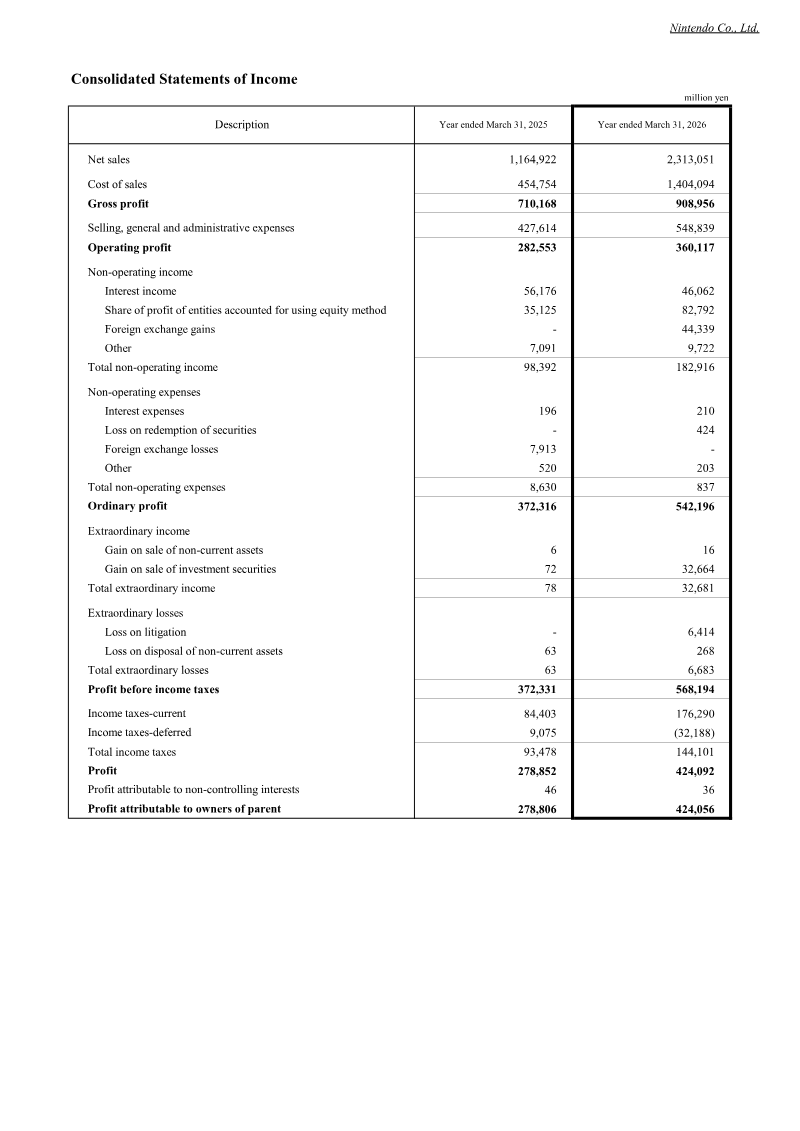
Nintendo · 2026