VideoPocketGamer.biz
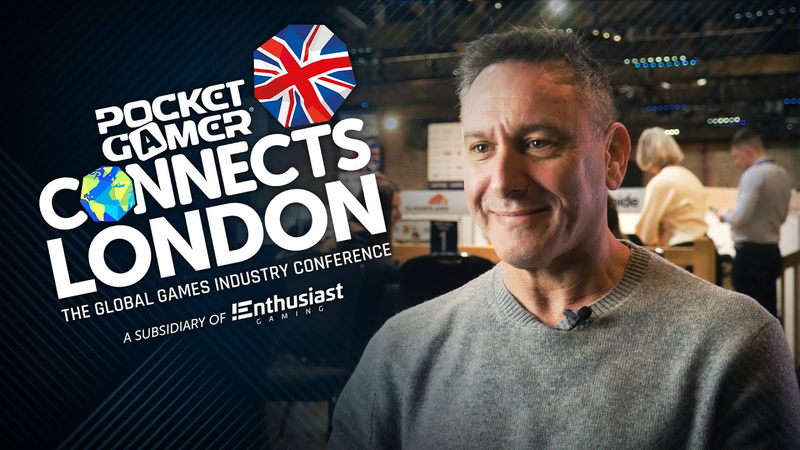
How D2C can build personal relationships | Liam Wiltshire from Tebex #PGConnects
4 Feb 202612 min video
Transcript
I am now joined by Liam Wiltshire from TEX. How you doing today, sir?
Really good. It's been a great show so far. Uh really enjoying it. Meet met some really cool people.
Lovely. I understand that you're going to be doing a talk later on. Is that right?
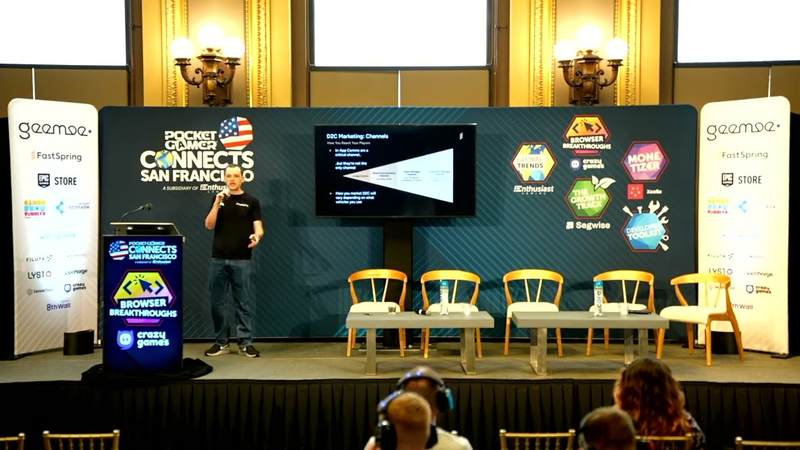
Yeah. So, I've got a talk later on talking about kind of what DTOC kind of really means. Obviously, now that we're starting to get some clarity around, you know, Google and Apple probably aren't going to give everyone a free lunch. As much as it would be nice, um you know what's that actually going to mean? What does DTC look like and and what the real opportunities are over that kind of saving on fees? You know what the opportunities that maybe have been overlooked in some of the early kind of headlines and the early messaging that we've seen. So we're doing that as well and then joining a panel with some other very very uh talented and intelligent people from all over DTC kind of coder and stash and those sorts of guys. So yeah, that's M grid and we're going to talk about webshocks more generally, kind of what DTC might look like this year and and beyond.
Nice. And if folks aren't familiar with
TEX, give them the slug. What is it you folks do?
So TEX is the monetization team that your studio never had to hire. Um, so we're very much, yes, we are a merchant of records, but it kind of underplays a lot of it where we really integrate ourselves with the teams that we work with. So we we see ourselves as an extension to your internal team. Um whether that's aligning on sales messaging or support messaging like our support teams will tailor our responses to say billing inquiries based on how as a studio you would reply to a player. So like we use the same terminology, the same tone of voice, those sorts of things. We don't just do the monetization, we we look at like how we can support in user acquisition. We're part of Overwolf. So obviously very broad kind of uh influence in the gaming space. We know a lot of players from, you know, PC, mobile, console, and so we we can kind of bring all these different things together to to really like, you know, not just say, hey, we'll do payments and tax and and handle
chargebacks. We do all that stuff, but it's the other things how we we can sort of see this as our own game and we treat it like our own baby almost like how can we really make the most of the opportunity so lots of players are aware, lots of players are buying, you know, making the studio win because ultimately that's how we win as well, right?
So, well, two things. First of all, UA versus user attention. I think everyone focused at the beginning of their app store thing about it was all about UA. It was all about getting users, getting users, getting users. Then it became about finding valuable users or maintaining the audience that you've got. D2C is one of those things that looks like it might assist with that. I know there's been a lot of chat around it and the potential positives and negatives, but the idea of being able to direct someone to not just something that might be a shop, but also maybe attached to a forum or a community or something like that. Do you feel that's one of the kind of hidden benefits of DDC?
And this is I I Yeah, you've almost stolen my talk a little bit, but it's fine. All right.
No. So, so I mean, yeah, joking aside, yeah, like the whole point and the way we see kind of DTOC is yes, there are
savings to be had, but it's also much more around, you know, how you, you know, kind of have a much closer relationship with the players. So whether that is a forum or whether that's a discord or whether that's, you know, kind of through content creators and Twitch streamers and YouTubers and and all of these different ways that you can have a much closer relationship with the studio uh with the players. um and you know not not control but you know be able to sort of say look we understand our player base. We understand what makes them tick. We understand that you know certain types of players might want to support us in one way but through say subscriptions you know the really committed players that want your game to continue to grow and thrive probably very open to a subscription like a battle pass or those sorts of things where they're really going to you know provide that long-term sustainability versus maybe a new player that's still dipping their toe in the water. Maybe they're playing other games as well and you want to show them the uniques on your game, which might even be through kind of free items. It might be, you know, like a loyalty life cycle to kind
of get them used to, hey, you know, this is how the game works. We're going to give you drop you these little bonuses so you can really make the most of the game and build that relationship. And DTOC really gives you that control both with the commerce section but also then you know having them in in Discord in in forums and and really like having a personal relationship rather than it being through a faceless inapp purchase third party kind of wall wall almost.
Has the subscription service thing really taken off now that everyone's conditioned to paying monthly for basically every service or utility that they have in their lives? Uh, has that been reflected in the way that people interact with games or is the one-off microtransaction still alive and well?
I mean, one-off transactions will always be there. You know, clearly there's going to be those things, you know, you're in the middle of a game, you're in a pinch, you're like, I just need this extra few coins. I just need these extra gems, you know, I just need this like short-term boost, whatever. That's always going to exist. Um, but we're definitely seeing now a lot more of that subscriptionbased kind of model that, yes, has been made
popular by the likes of, you know, Spotify and Netflix and all those and all those companies, right? But we're seeing it now in gaming, you know, and not just in the traditional sense. You know, we've always had battle passes, okay? That was like the first model. Um, but, you know, TEX as well as doing the studios and working with the games also, um, works and one of our kind of specialisms almost is games as platforms. So games that then have a whole economy uh and like creator ecosystem within them. You know the big ones that people know are things like you know Roblox and things but we work very closely with Rockstar. So so 5M is a roleplay kind of multiplayer layer that sits on GTA 5 but it's also this massive kind of modding and scripting and map building community as well. Um and we work with Rockstar. So Rockstar own 5M. We've worked with the 5M team for for about four or five years now. Um, and that whole kind of ecosystem of, you know, buying kind of the map so it becomes this like fulfilling loop where a someone who's running a server might
want to have a new burger bar in their in their world or whatever. So, they can now buy these maps from from modders and and creators and designers and include them in their game. So, the modders making revenue for selling that map and then obviously enhances my server so that I have more players so I can make more revenue. But even with those like mods and scripts, we are seeing people move to that subscription model. Um, so you know, which which also it's that long-term sustainability again that if you buy a script as a one-off, well, how long is it going to be maintained for? You don't really know. You know, if they if they stop making sales, it you know, it becomes a point where it's not commercially viable to keep maintaining. If there's an update to 5M that might break it, there's an update to CJ5 that might break it. You know, at what point do you kind of have to draw the line? Whereas when it's a subscription base, uh, which a lot of these creators are now going down, they know they've got that revenue coming in every single every single month. So they will keep maintaining it. They're being, you know, effectively paid to maintain these scripts and these maps so that they are long-term sustainable solutions. And
we're seeing that across modding, we're seeing it across games, obviously live life live service games, very long, you know, life cycles. You know, we measure life cycles of games in decades now. you know, whereas it might have been, you know, months to years, we're now talking decades, you know, for for some of these games. Minecraft is a brilliant example. And that kind of subscription model really powers the longevity of these games. Well, I think you were talking about the DTOC stuff earlier and I've been talking to other folks about it as well. I think one of the reasons people might have some trepidation is precisely because of the slight unpredictability of what's coming next. So, I go to the trouble of setting up my own store and I try and drag people over and they maybe start making some payments because at the moment the legislation says I can. Well, we're going to wake up tomorrow, we're going to find that Apple's decided to push back against this, which is almost like inevitable as you mentioned at the start and who knows what they do. They start charging for linking out every time you click out or whatever other thing they might try and get. And so, there's this possibility a chance you built this place for nothing and now
no one could go or it's not feasible to run. Do you see people still who are a little bit ky about adopting the model or do you think that people are generally like on board?
I think it's a bit of both. So I think you know I'm going to make a fairly bold statement. DOC is here to stay. Um and I will say that now what is that going to look like? Now that's the real question. So, we've had this conversation, you know, over the last few years kind of generally, you know, web shops that aren't linked to the game are across almost all kind of platforms, whether that's Steam, whether that's, you know, Apple, Google on mobile, whatever it is, you can do that. Um, you know, Roblox is a great example. You know, they have their web shop. They do not link to it at all in game. But if you buy Robux on their web shop, you can use them on console, you can use them on mobile, you can use them on PC. uh and that that is always going to be a route like the the emergency lever route almost is like we can have the web shop and then we have to come up with imaginative ways to drive traffic because we can't link to it from the game. So that's I guess like
the worst case scenario. Um and I think you're right. I think you know the ideal is that you can link you know either have these completely in game but using kind of you know third party payments and merchant records like TEX or at the very least be able to link out to it. Now, you're right. We're already seeing, you know, the proposed settlement between um Google and Epic where there's some slightly, you know, fees that I think, you know, will will that be the final numbers? You know, probably not. But the reality is it's not going to be free. You know, Apple and Google, you know, do provide value in that discoverability and all the infrastructure that goes behind it. That's never going to happen for free. But it then becomes a a balance of okay, so you can have your web shop that isn't linked to from game. Uh, and you can make those 20% savings or 30% savings, whatever that might be. Um, or you can kind of lean to it from a game in the ways that you're allowed, and it might cost a little bit more, but you still have all those other benefits, the the the direct relationship with your players, the way to optimize and grow your revenue by offering kind of on
the-fly, you know, bundles and offers for individual players that make sense for them for targeting kind of the right payment methods, the right the right monetization models, subscriptions, etc. that match individual gamers, not just like the segments that we tend to see when you're doing it through APS.
Yeah. Because once you've got them in your your portal, basically, you can then collect data differently to how you do from the platform. And I know there's still, you know, GDPR and and all the rest of it and the regulations have become much more strict, but you are able to capture different kinds of data from that point, aren't you? And I assume that's of benefit 100%. And a lot of that, you're right, that behavioral data and things like, you know, Yeah. So, so what kind of what purchases do they tend to to buy? Is it does it happen on a regular basis? Like do they tend to buy towards the end of the month, towards the start of the month? Um, do you know that actually in the moment they're in like a really difficult part of the game or a classic example we have is, you know, a lot a lot of the mobile games we play with obviously will have like the tutorial phase where you're you're learning the
game mechanics. So, they'll like they'll step you through the first few kind of in-game events and you're learning it. But the kind of for a lot of gamers that leap between the end of the tutorials to being like a fullyfledged kind of invested player is still quite a big step. But you can kind of know that and tailor specifically for like what are the what's the thing they're doing right now? What is the struggle they're having right now? and tailor like maybe discounted offers or in you know like you know bespoke on the-fly kind of packages of of items that going to help them get over that hurdle and get them to become a fullyfledged member of your of your community. And yes, you might discount that quite heavily to get them to that point, but if they go on and make, you know, 3 4 5 6 seven purchases afterwards, that pays itself back many times over.
[music]
Auto-generated captions from YouTube — names and numbers may be misheard.
Key insights
Distilling the key insights…
Ask AI about this video
Cite this video
Citation
Generating citation…



















Comments