Games and companies in this document

Connections
Each row is a game or company this document names, each column a document, oldest first. A mark means that document names it. Select a row to see those documents.
More on Game Development
View all
Deconstructor of Fun
Google Wants You to Make Games With Prompts
Deconstructor of Fun · 2026
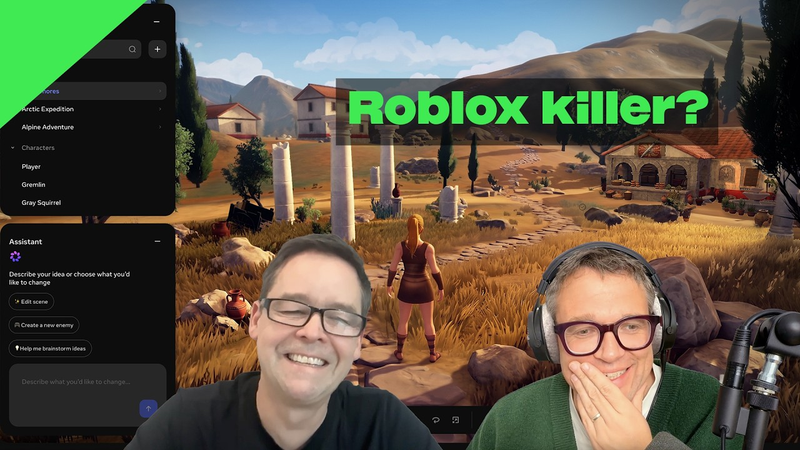
The Game Business
"Anyone can make a game now" — Meta Horizon VP Interview
The Game Business · 2026
The Game Business
Unity CEO: “The cost of building a game is coming down markedly”
The Game Business · 2026

Deconstructor of Fun
Why Most Game Engines Die, and How AI Builds "Living Worlds"
Deconstructor of Fun · 2026

Extra Credits
Only XBOX Can Kill Xbox, Unreal 6's AI Update & Pokémon Training Drones | Games For Breakfast
Extra Credits · 2026
Whitepaper
The Infinite Game in the Engine of Control: Proletarianization, Platform Capitalism, and the Future of Playful Pleasure
DiGRA · 2026



Whitepaper
A Ludic PSY AI-Game-Engine for Utopia: Exploring Pl[AI] for a Viable Future
DiGRA · 2026

Naavik
Building AI Tools for Roblox Creators
Naavik · 2026
Mobile Dev Memo
Mobile Dev Memo Podcast, Season 7, Episode 8: Games and AI (with Joost van Dreunen)
Mobile Dev Memo · 2026

Deconstructor of Fun
Pim De Witte on Turning Down $500 Million from OpenAI... Then Raising $134M.
Deconstructor of Fun · 2025
Game Developers Conference
Making Connections: Real-Time Path-Traced Light Transport in Game Engines
Game Developers Conference · 2024
Whitepaper
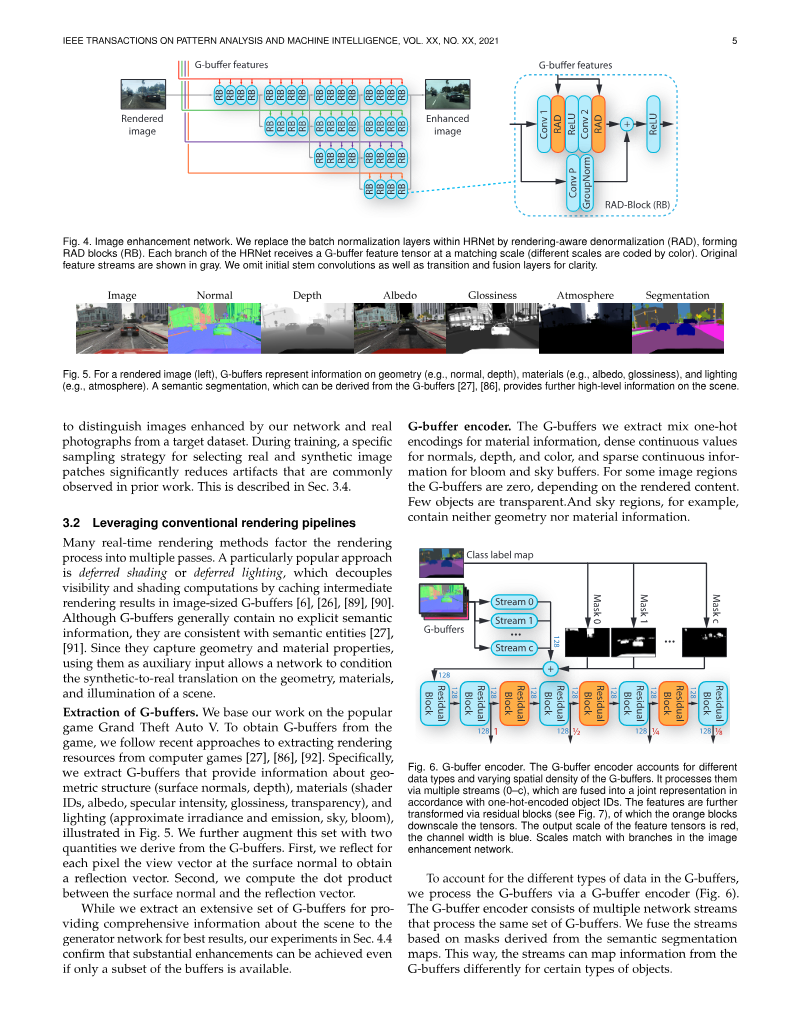
Enhancing Photorealism Enhancement
Intel Labs · 2023