Games and companies in this document
Connections
Each row is a game or company this document names, each column a document, oldest first. A mark means that document names it. Select a row to see those documents.
More on Monetization
View all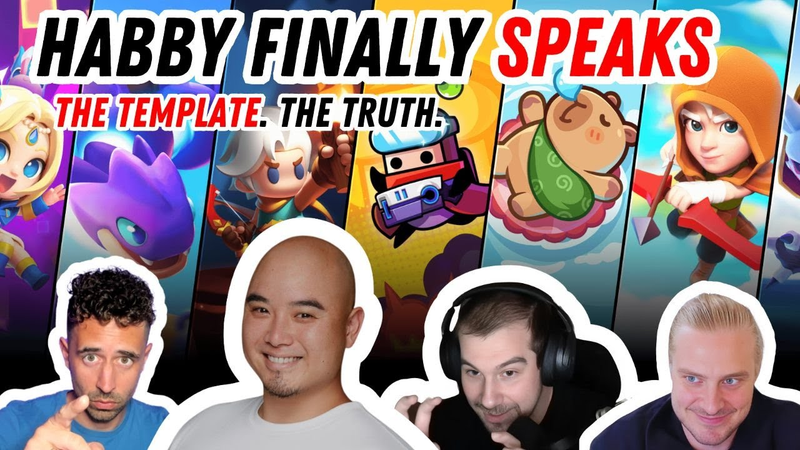
Two & a Half Gamers
🎮 Habby finally SPEAKS: The template evolves! First-ever Habby Western interview
Two & a Half Gamers · 2025

Two & a Half Gamers
🚂 Full Steam Ahead: Steam Games That Could Be Mobile Hits (Q2 2025)
Two & a Half Gamers · 2025
PocketGamer.biz
Week in Mobile Games E34 - Subscription without upsell is death! And IDFA changes are good now?
PocketGamer.biz · 2024
PocketGamer.biz
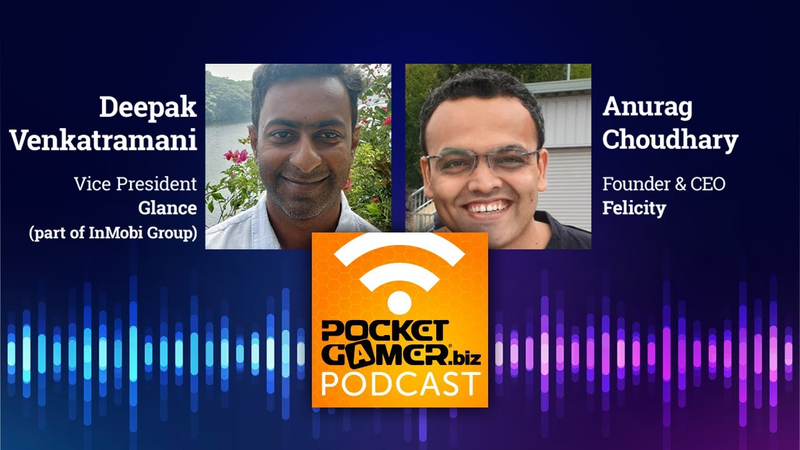
Inside Nostra's Game-Changing Lock Screen Experiences
PocketGamer.biz · 2024

Naavik
Inside Voodoo’s #1 Hit: The Story of Mob Control’s $200M+ Rise
Naavik · 2024
Two & a Half Gamers
From hypercasual to hybridcasual - The Homa Games story (#76)
Two & a Half Gamers · 2024
Two & a Half Gamers
From Hypercasual to Hybridcasual - The Estoty Portfolio story (#86)
Two & a Half Gamers · 2024
PocketGamer.biz
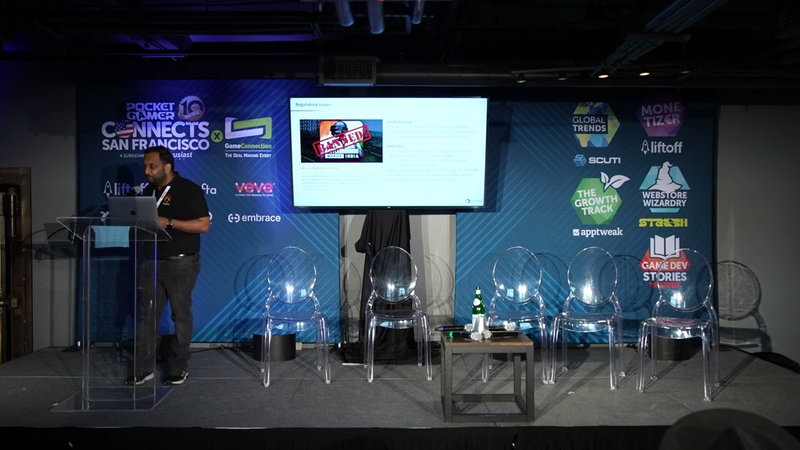
India’s Gaming Revolution, Opportunities & Challenges, Vamil Doshi, Nazara.
PocketGamer.biz · 2024
PocketGamer.biz
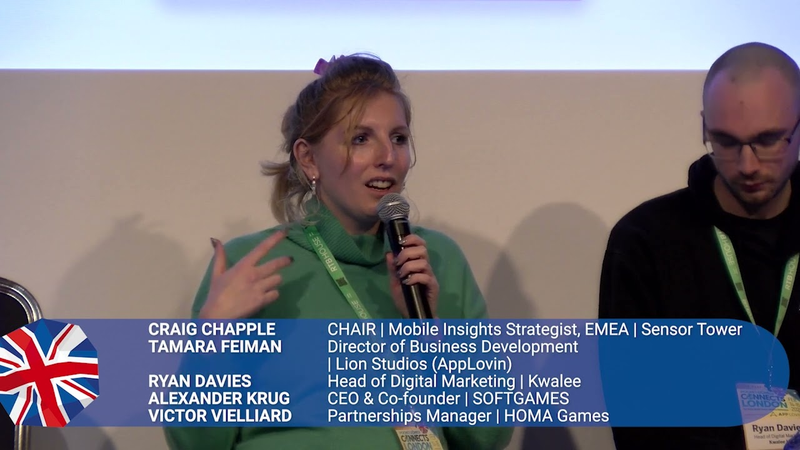
Panel: What is Giving Hypercasual its Longevity? The Recipe for a Successful Game
PocketGamer.biz · 2022

PocketGamer.biz
Panel: The Challenges of Being Innovative & Unique in the Hypercasual Market
PocketGamer.biz · 2021
PocketGamer.biz
Superstar Session: Long-lasting Publishing- How to Create Hypercasual Hits That Cross 100M Downloads
PocketGamer.biz · 2021

GameMakers
India F2P Games Conference | Aug 26, 2021 (Thurs @10AM - 2PM IST / Aug 25 Wed @9:30PM PST)
GameMakers · 2021