More from Game Developers Association of India
View all

More on Market Analysis
View all
Game Dev Unchained
Europe and Asia Game Industry is Booming! | Games ReCAP
Game Dev Unchained · 2025

PocketGamer.biz
How mobile will boost the games market to over $100 billion
PocketGamer.biz · 2014

Two & a Half Gamers
🚨📢BREAKING NEWS: Mobile Gaming Hits $121B + Makers Fund's $250M + AppsFlyer's $400M Loan
Two & a Half Gamers · 2026

Deconstructor of Fun
TWIG #398: Gaming's 2026 Reality Check, The GTA 6 Leak Nightmare and Why Jobs Are Still Vanishing
Deconstructor of Fun · 2026

Two & a Half Gamers
🚨📢 BREAKING NEWS: GTA 6 Pre-Orders Hit $260M + Tencent & Superplay for $1.5B + PubMatic-Zynga Deal
Two & a Half Gamers · 2026



Presentation
Sega Sammy Management Meeting 2026
Sega Sammy Holdings · 2026

Report
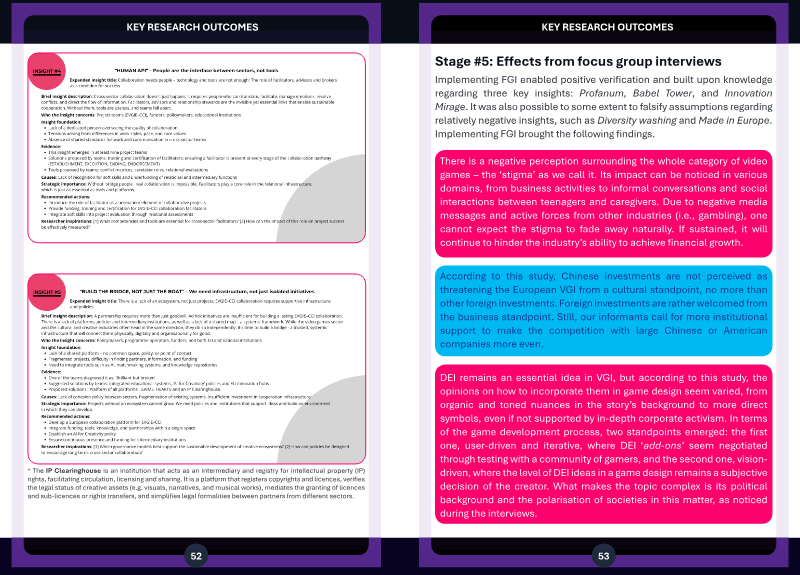
Connecting Creative Sectors to Unlock Europe's Gaming Potential: Strategic Recommendations for Europe's Creative Economy
GAMEHEARTS · 2026

Report
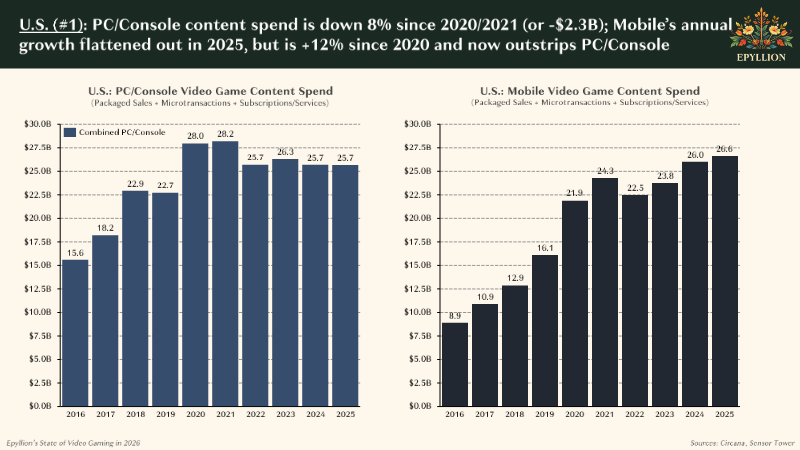
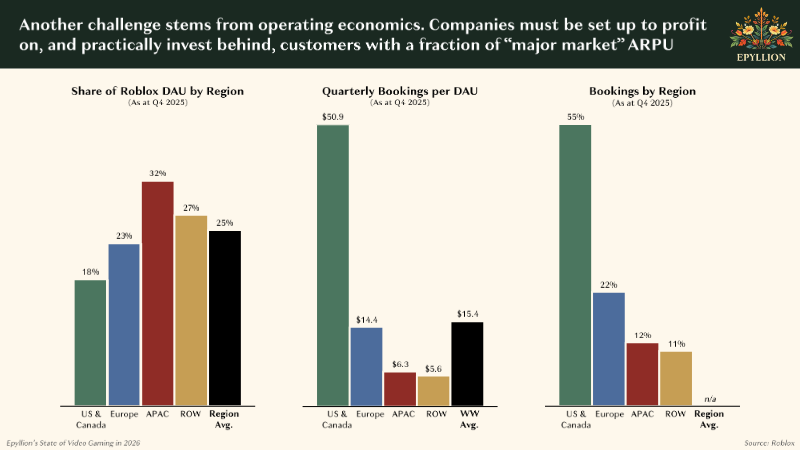
The State of Video Gaming in 2026: Growth and Where to Find It
Epyllion · 2026
Report
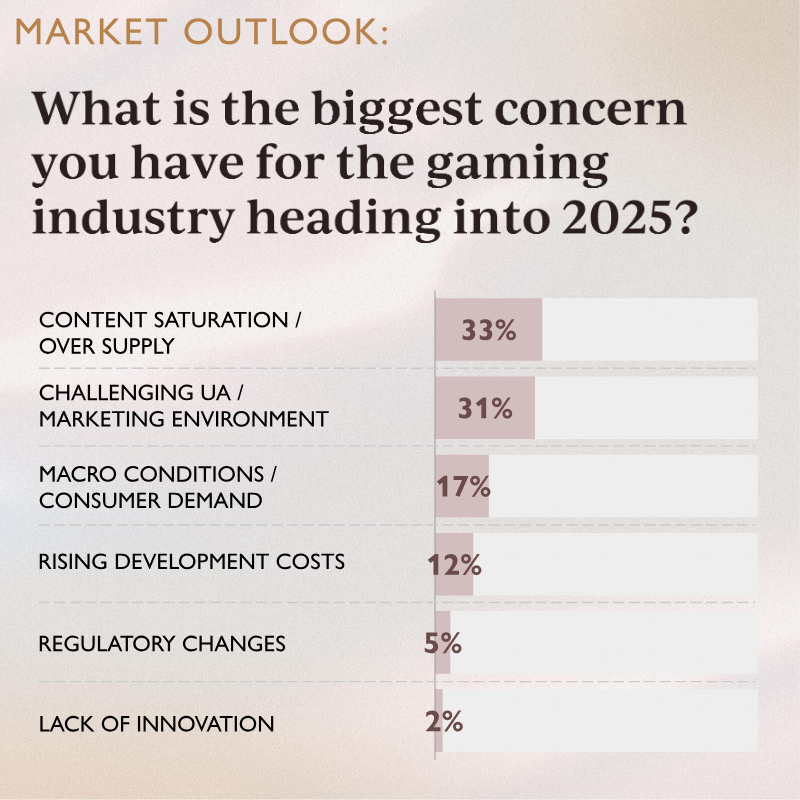
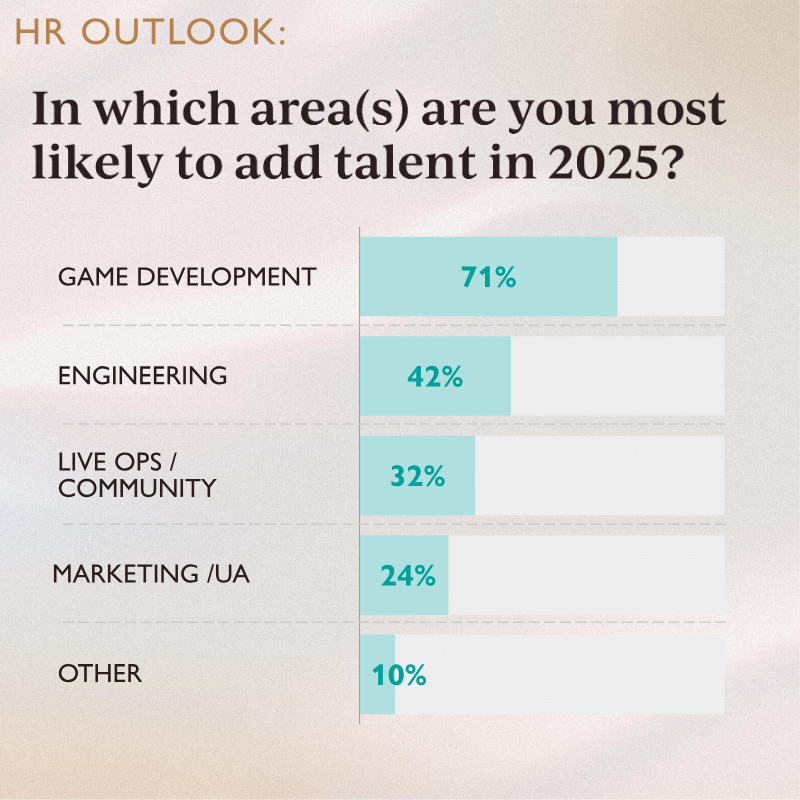
Aream & Co. Gaming CEO Survey 2025
Aream & Co · 2026

Tenjin
Apps vs Games on Mobile 2026: What’s Growing Faster (And Why)
Tenjin · 2026

Deconstructor of Fun
12 Game Industry Predictions: The Numbers Don't Lie!
Deconstructor of Fun · 2025

Report
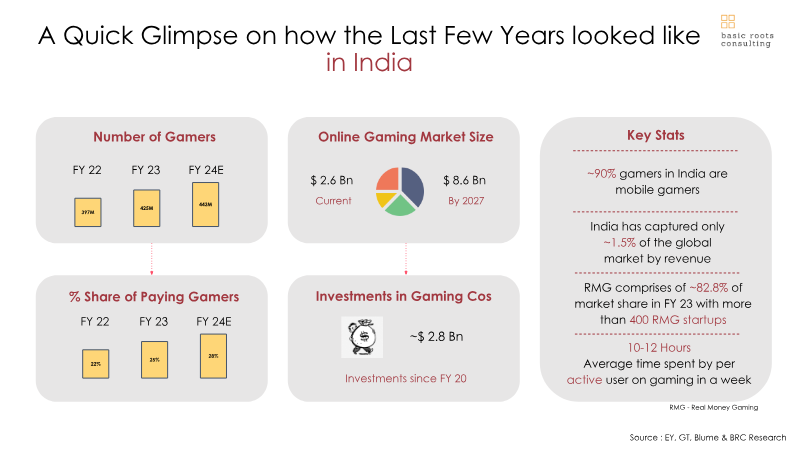
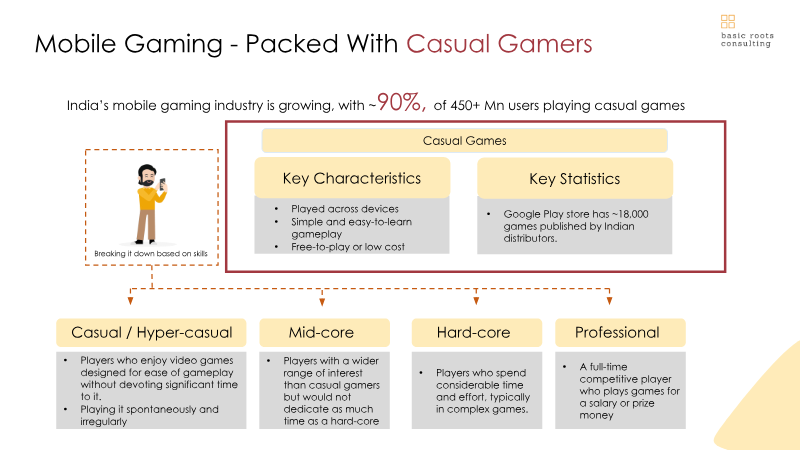
The Power of Play: Exploring the Growing Gaming Market
Basic Roots Consulting · 2025