Loading the document
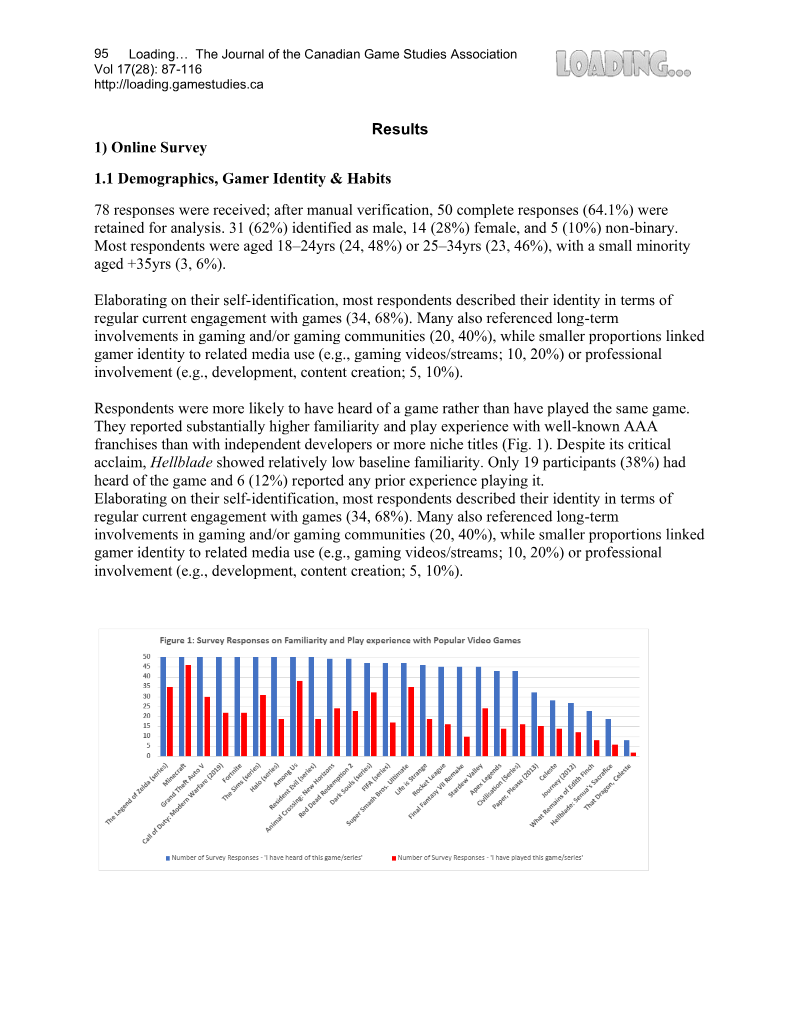
Key insights
6 slides
New role
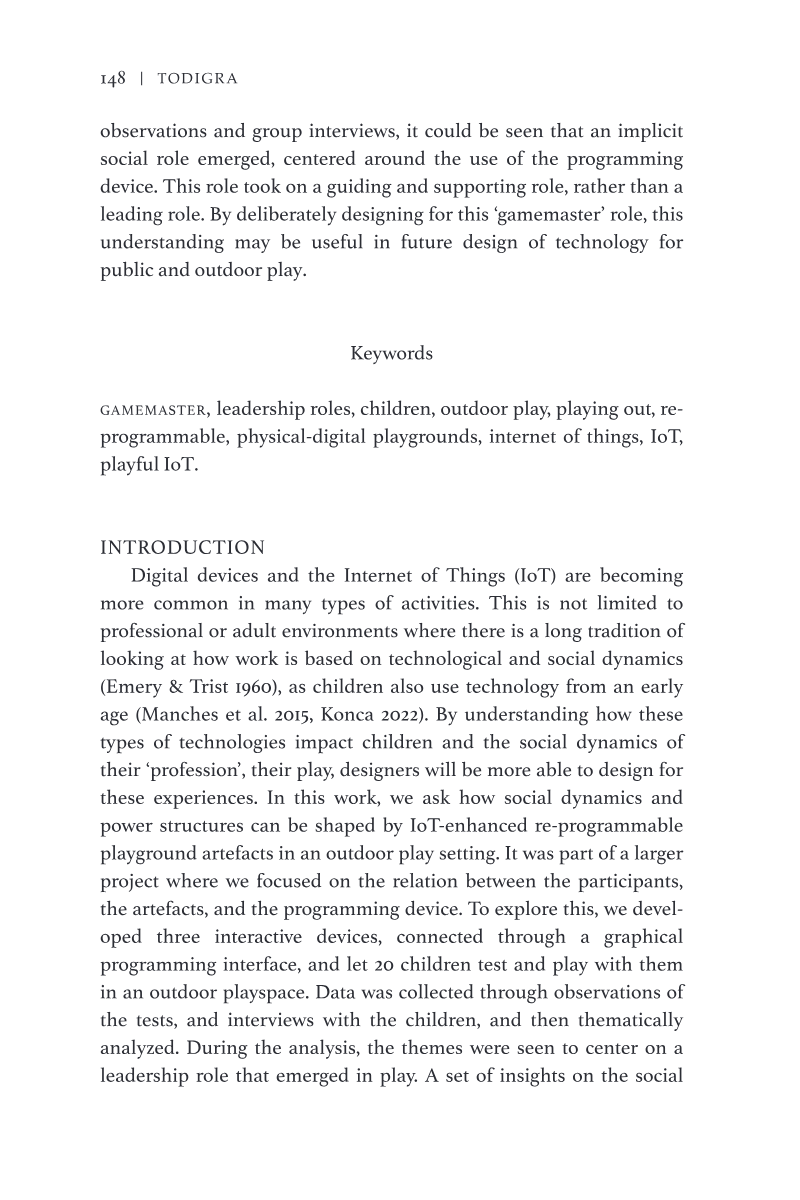
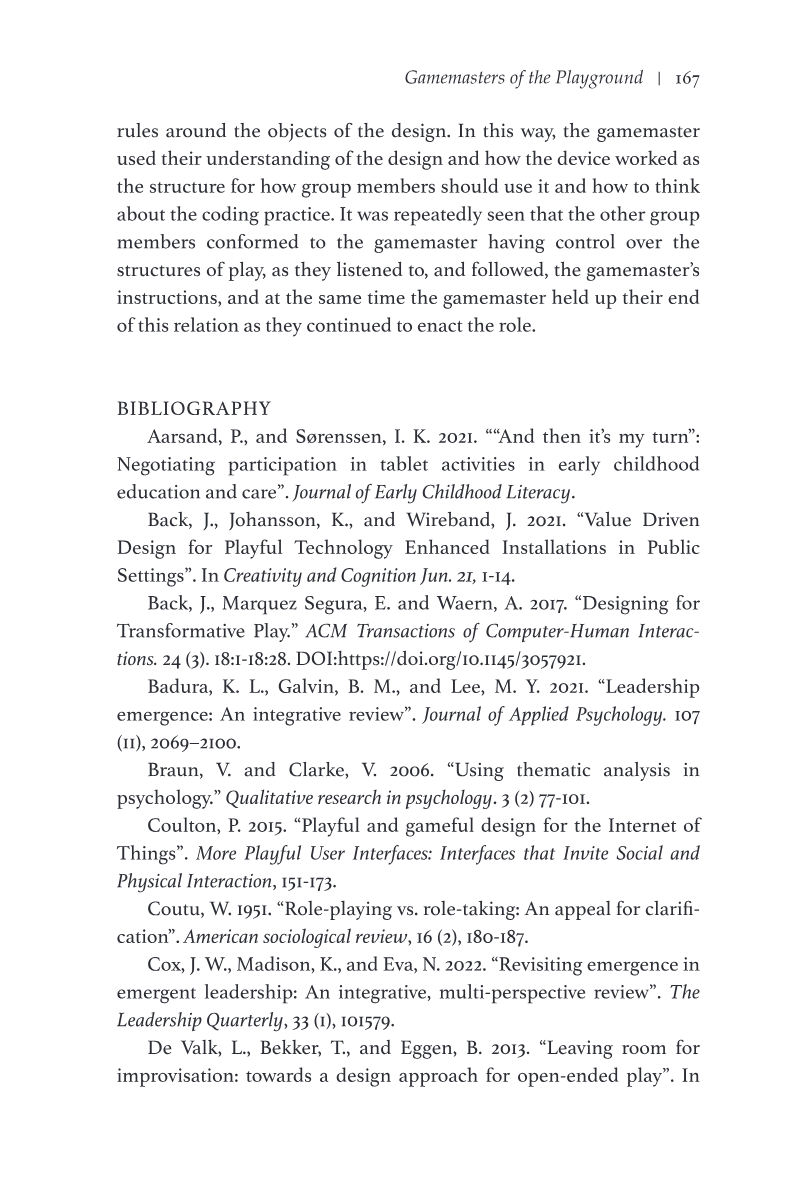
Integrating IoT equipment into playgrounds creates a 'gamemaster' leadership role.
Children gain authority by mastering the digital interface to coordinate group play.
Key finding. IoT-enhanced equipment in playgrounds leads to the emergence of a 'gamemaster' leadership role.
1 / 6
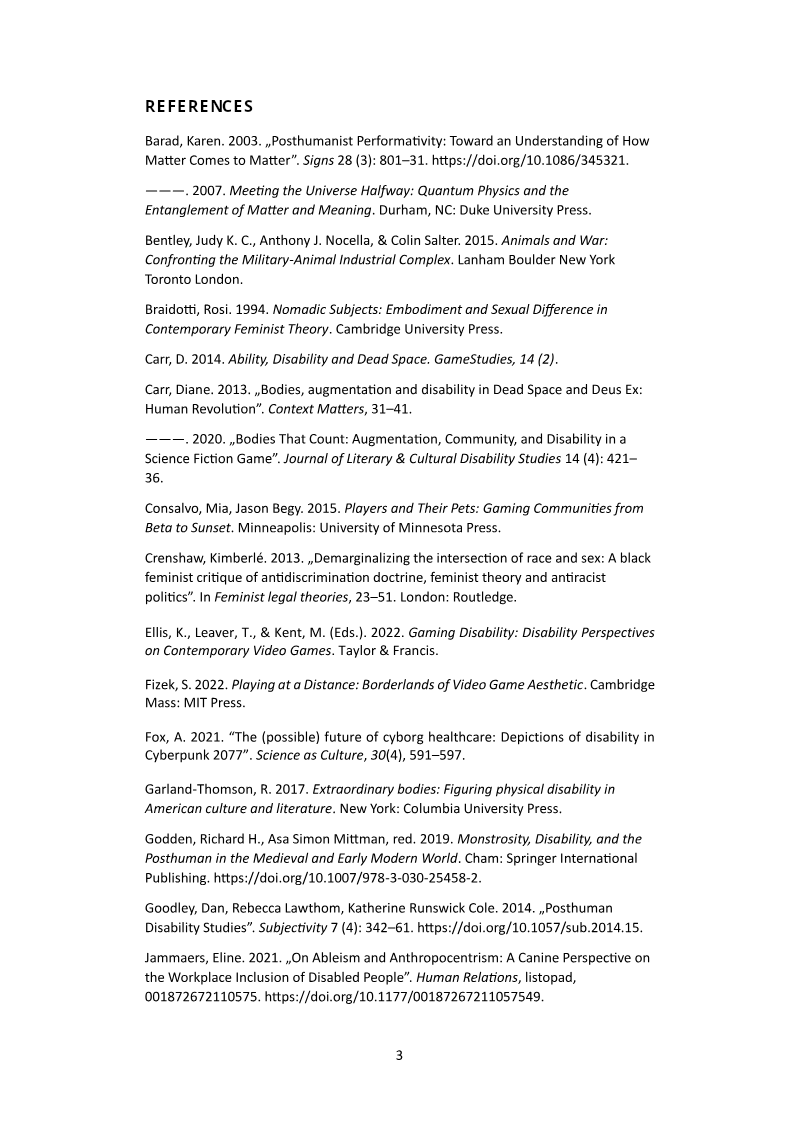
- 01An implicit social role, termed the 'gamemaster', emerged in a participant in each of the five groups, centred on use of the programming device.See it on page 2
- 02The gamemaster role was about helping and coordinating as well as directing, and the role extended beyond the group in follow-up interviews.See it on page 14
- 03In four of the five groups, the first participant to pick up and successfully use the prototype went on to act as gamemaster.See it on page 16
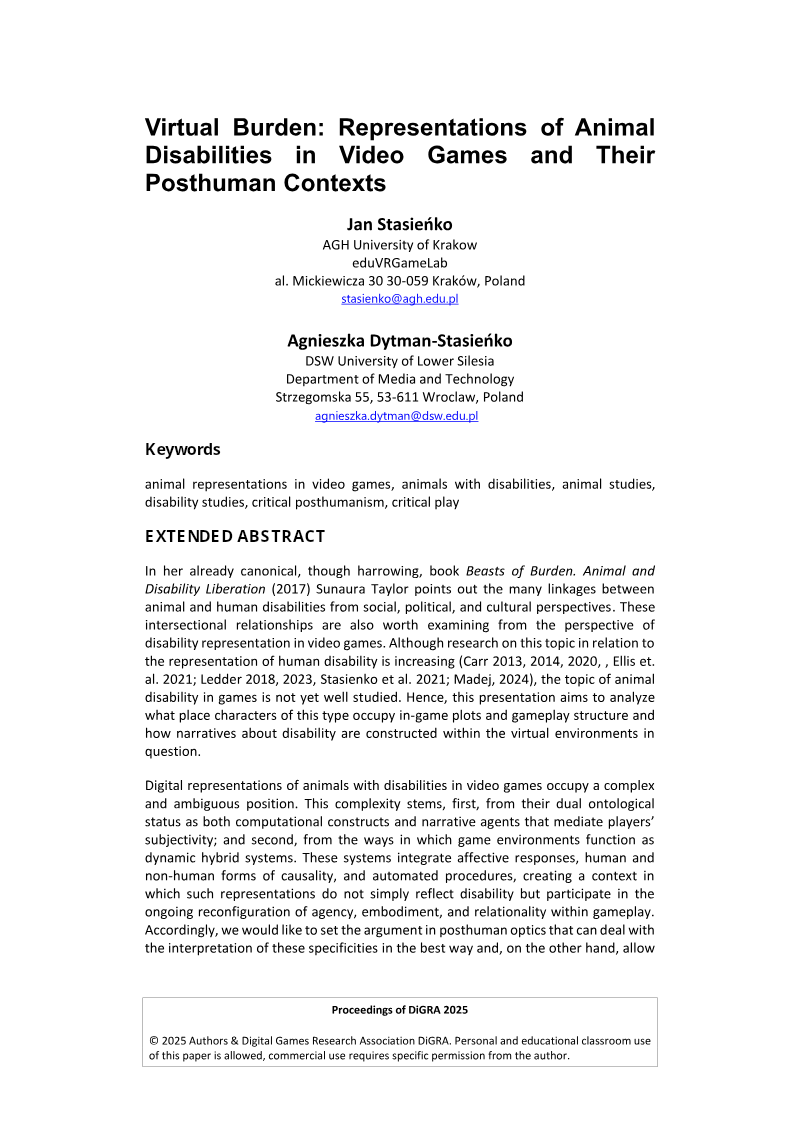
- 04The tablet was treated as something used by one person at a time, while the artefacts were seen as a common resource rather than owned objects.See it on page 13
- 05The authors suggest the single portable touchscreen tablet forced participants to group closely to observe it, while the artefacts' large buttons let several participants interact at once.See it on page 18
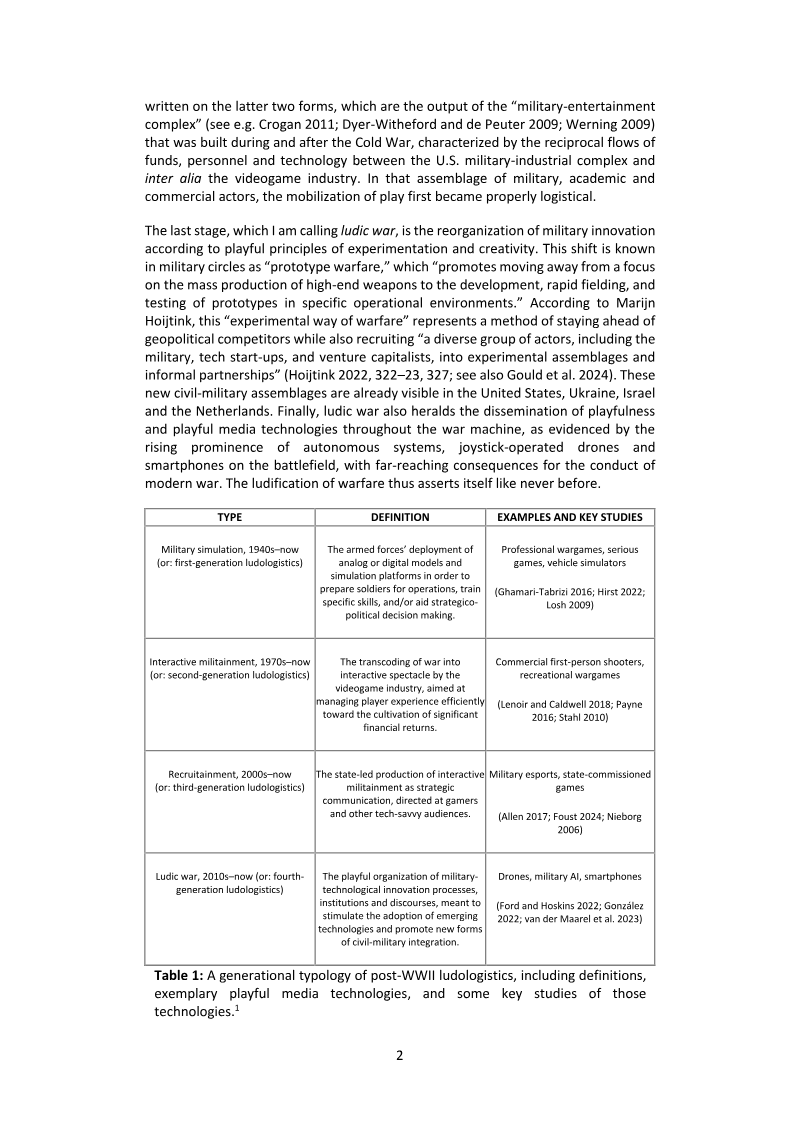
- 06The study cannot determine whether the role emerged because a natural leader took the tablet or because the tablet created the leader, as personal traits were not examined.See it on page 19
Ask AI about this report
Summary
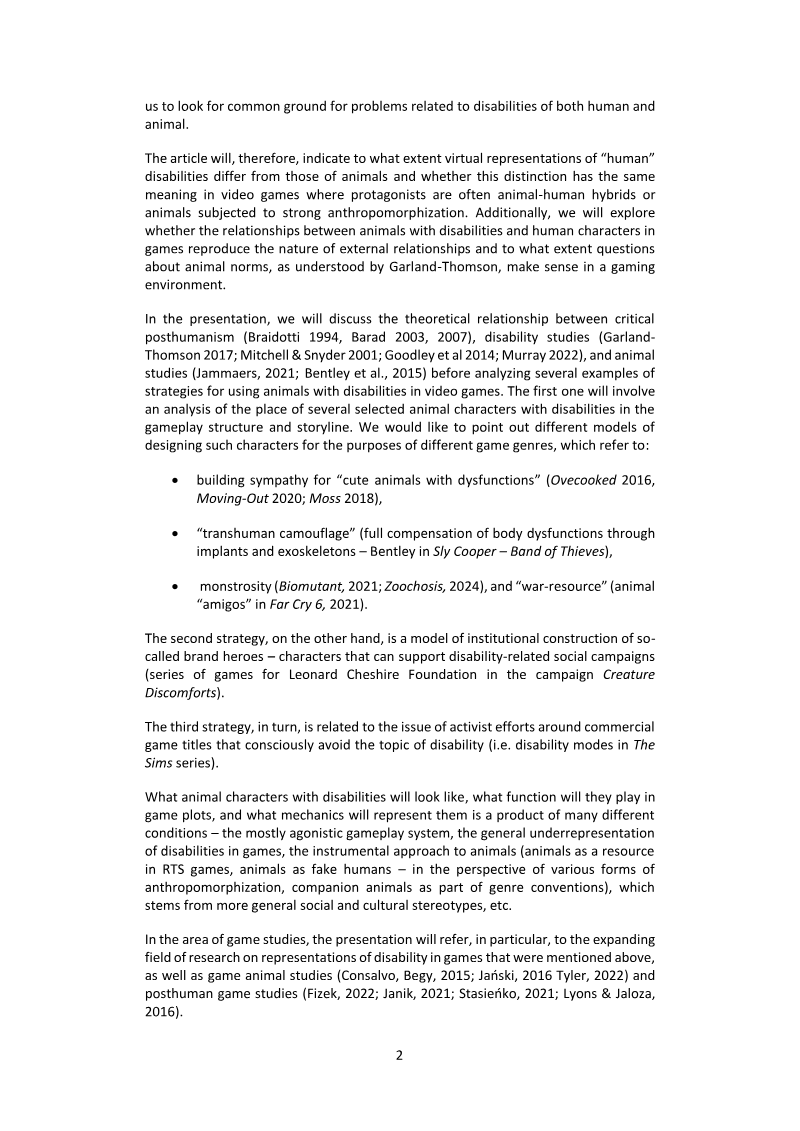
The paper by Andreas Bergqvist and Jon Back, published in Transactions of the Digital Games Research Association (July 29, 2024, Vol. 6 No 3), explores how re-programmable, IoT-enhanced playground artefacts can shape social dynamics and power structures in outdoor play. The authors designed three wireless insect-shaped artefacts and a tablet-based drag-and-drop programming interface. Twenty children aged eight to ten, in five groups of four Swedish scout-troop members, were given 15 minutes per group to explore the prototype. Data came from observations, log files, video, and group interviews, analysed through inductive thematic analysis.
The analysis found that in each group one participant took on an implicitly defined leadership role, which the authors call the gamemaster. This role centred on the tablet, and the participant who first showed control of the prototype typically emerged in it. The gamemaster focused on helping and coordinating rather than overseeing, managing turn-taking and instructing others to press buttons. The role persisted when the tablet was passed on.
The authors also observed that the tablet engendered a sense of ownership and was passed between users as something used by one person at a time, while the artefacts were seen as a common resource. They attribute this partly to the tablet's portability and touchscreen, which required the group to gather closely around it.