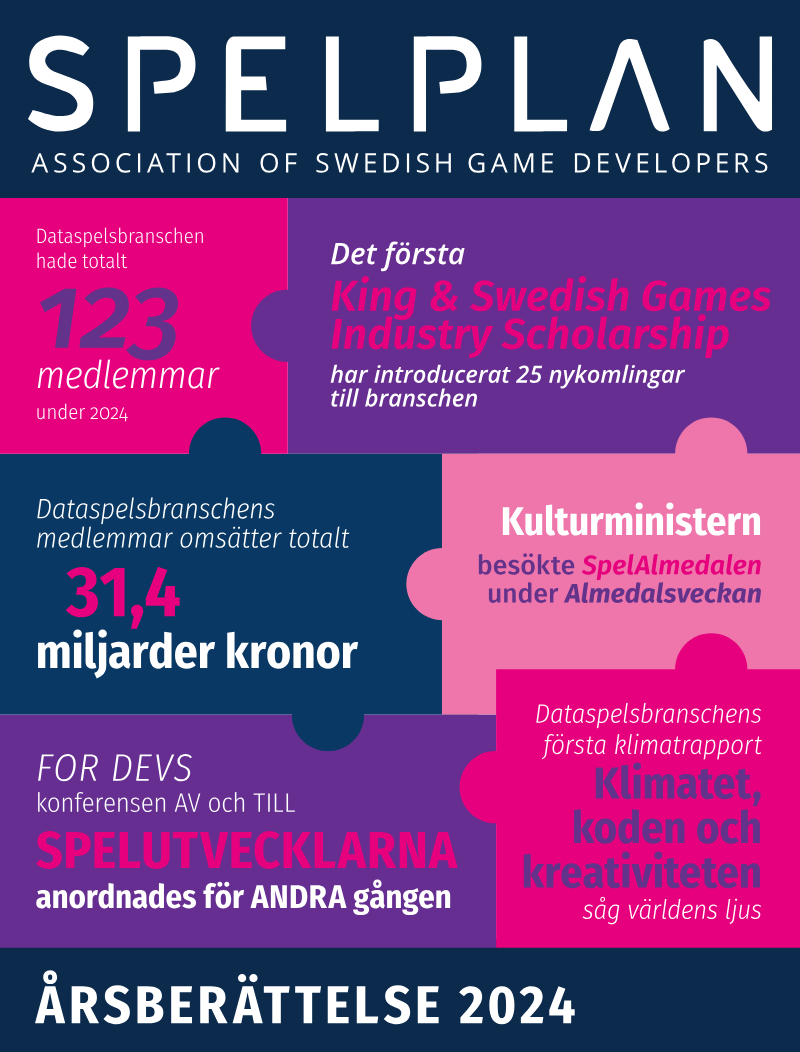
The Swedish game industry generated SEK 34.6 billion in domestic revenue. Its global footprint, including Swedish-owned companies, reached SEK 90.4 billion.
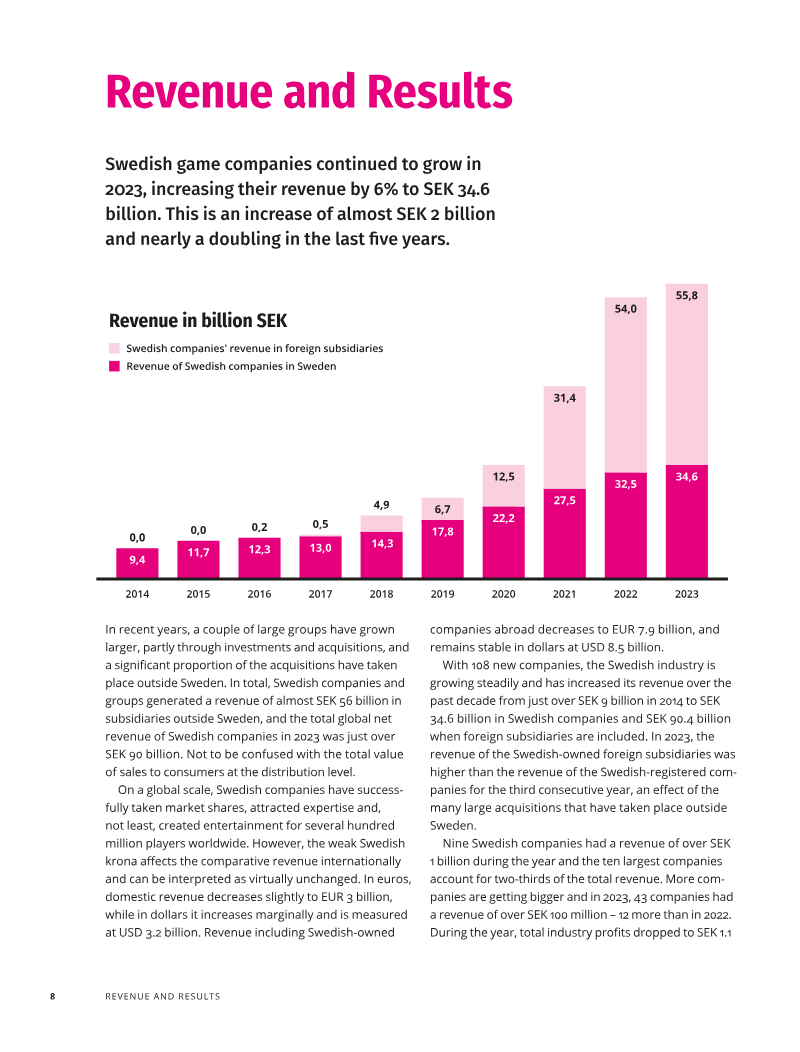
The industry is characterized by a dense ecosystem of companies, primarily concentrated in key regional hubs.
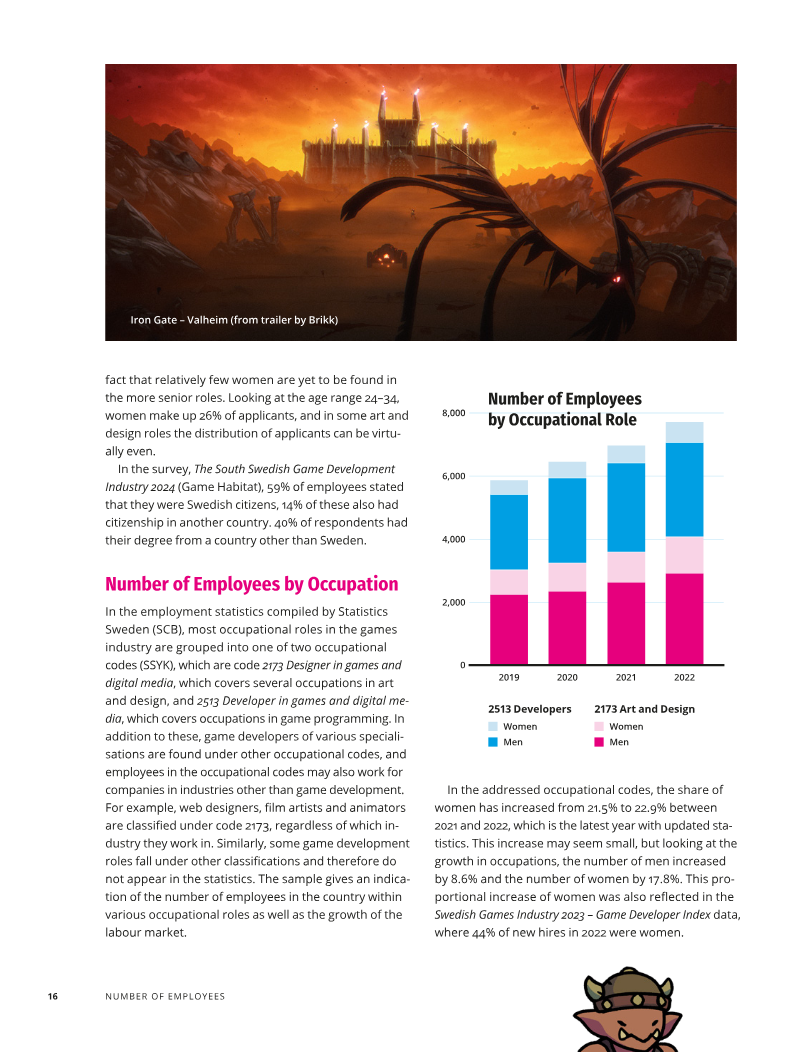
Page 30 of the reportThe industry, historically male-dominated, shows a steady increase in female representation.
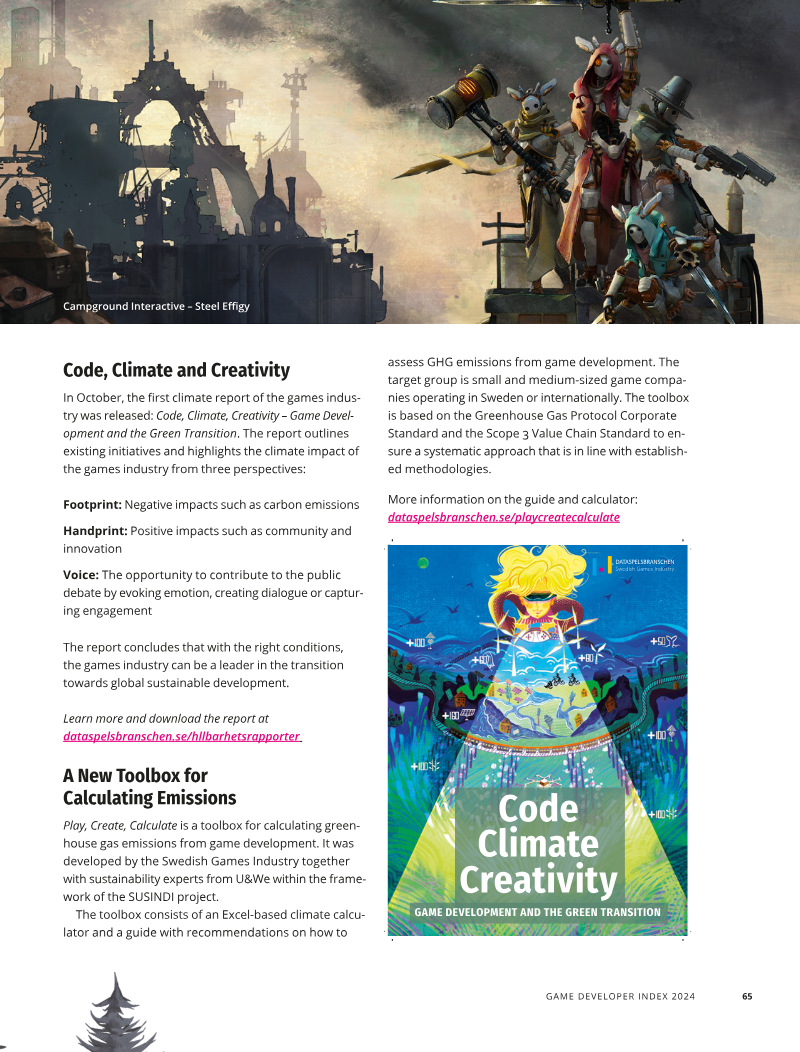
The sector is maturing its operational standards by implementing environmental sustainability measures. It is also integrating advanced technologies like artificial intelligence into development workflows.
The Swedish game industry serves as a cornerstone of the global digital entertainment market, demonstrating remarkable resilience and sustained growth throughout 2023 and 2024. Despite facing significant economic headwinds, including restricted capital access and corporate restructuring among major listed entities, the sector achieved record-high employment and revenue. Domestic revenue reached SEK 34.6 billion, while the broader global footprint of Swedish-owned companies generated SEK 90.4 billion. This robust performance is underpinned by a dense ecosystem of 1,010 limited companies, 87.5% of which are micro-enterprises, concentrated primarily in regional hubs like Stockholm, Skåne, and Västra Götaland.
The industry’s influence is profound, with Swedish-developed titles reaching an estimated one in four people worldwide. This cultural and commercial impact is supported by a sophisticated infrastructure of academic institutions, regional incubators, and specialized staffing agencies that address the persistent demand for skilled labor. While the workforce remains male-dominated, female representation is steadily increasing, currently accounting for nearly 24% of employees. Furthermore, the sector is actively maturing its operational standards, prioritizing environmental sustainability through Scope 3 emission tracking and fostering inclusive workplace cultures to mitigate risks associated with rapid expansion.
Looking forward, the industry is transitioning from a period of market volatility toward a phase of renewed investment and strategic consolidation. By integrating advanced technologies like artificial intelligence and adhering to rigorous player safety standards, Swedish developers continue to solidify their position as global leaders. The sector’s evolution reflects a broader shift toward viewing video games as a vital component of national art and culture, supported by a factual, research-driven approach to public discourse. Ultimately, the Swedish games industry remains a highly competitive, innovative, and globally integrated powerhouse that continues to define the trajectory of modern interactive media.