
ArticleAlkonost
Game Localization Playbook: A Guide to International Growth
2 Oct 20251 pages~48 min full read
Expanding into international markets is a fundamental necessity for game developers, as English speakers represent only 18 percent of the global population. By failing to localize content, studios effectively ignore the vast majority of their potential player base. Successful international growth requires moving beyond simple translation to adopt a comprehensive localization strategy that treats language adaptation as a core component of the development lifecycle rather than an afterthought. Integrating these processes from the initial design phase prevents significant technical debt and ensures that games remain scalable across diverse cultural and linguistic landscapes.
To achieve a positive return on investment, developers should prioritize the top ten languages that provide access to 80 percent of the global market. This process is most effective when supported by professional localization platforms rather than manual spreadsheets, as these tools provide the necessary infrastructure for managing complex assets, maintaining stylistic consistency, and streamlining translation pipelines. While crowdsourcing and freelance models exist, professional agencies offer superior value by combining rigorous quality assurance, technical expertise, and AI-assisted workflows that retain essential human oversight.
Ultimately, effective localization is a long-term commitment that necessitates a blend of data-driven market analysis, local marketing efforts, and active community support. By leveraging specialized partnerships and proprietary technical tools, developers can navigate the complexities of global distribution. The industry is increasingly defined by firms that bridge the gap between software engineering and linguistic precision, ensuring that games are not merely translated, but culturally adapted to resonate with players worldwide. This strategic focus on integration and quality control remains the most reliable pathway for studios seeking sustainable growth in an increasingly competitive global gaming environment.
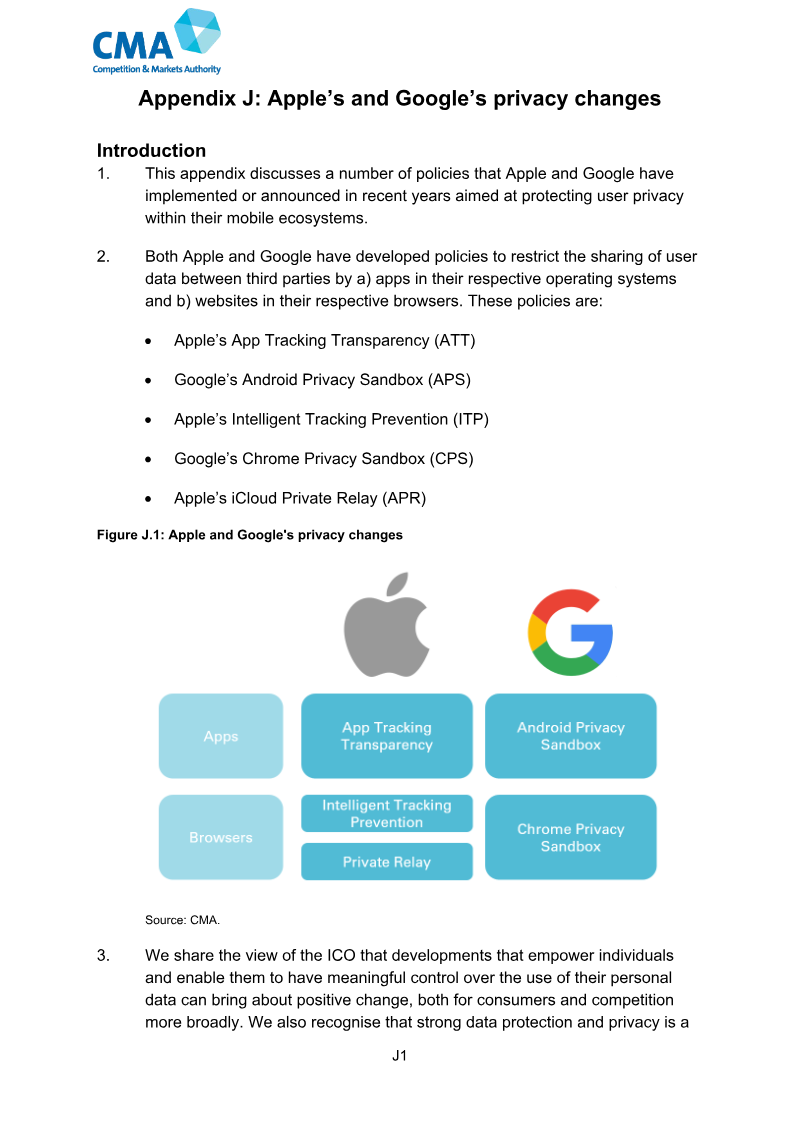
Competition · 2026

Almedia · 2026
Gamesight · 2026

Sensor Tower · 2026
Modern Times Group · 2026

InvestGame · 2026
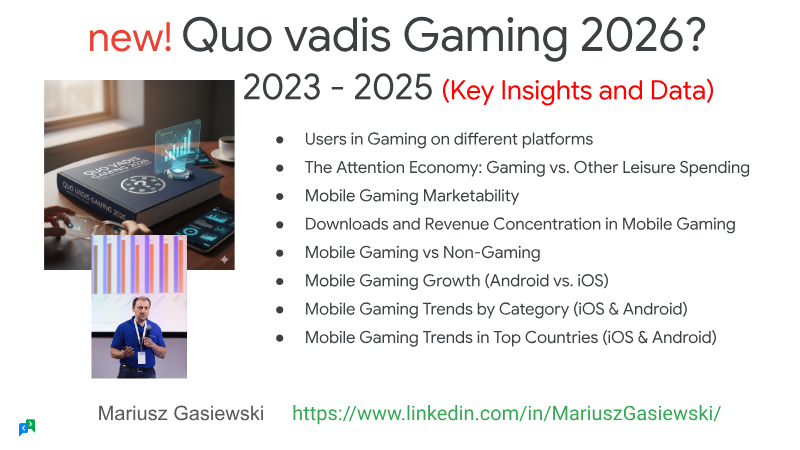
InvestGame · 2026
Adjust · 2026
Sensor Tower · 2025
Sensor Tower · 2025
Unity · 2025

GamingReport · 2025