1 free read left. Create a free account for unlimited reading + AI research.
Create free accountArticle DiGRA
1 free read left. Create a free account for unlimited reading + AI research.
Create free accountArticleDiGRA
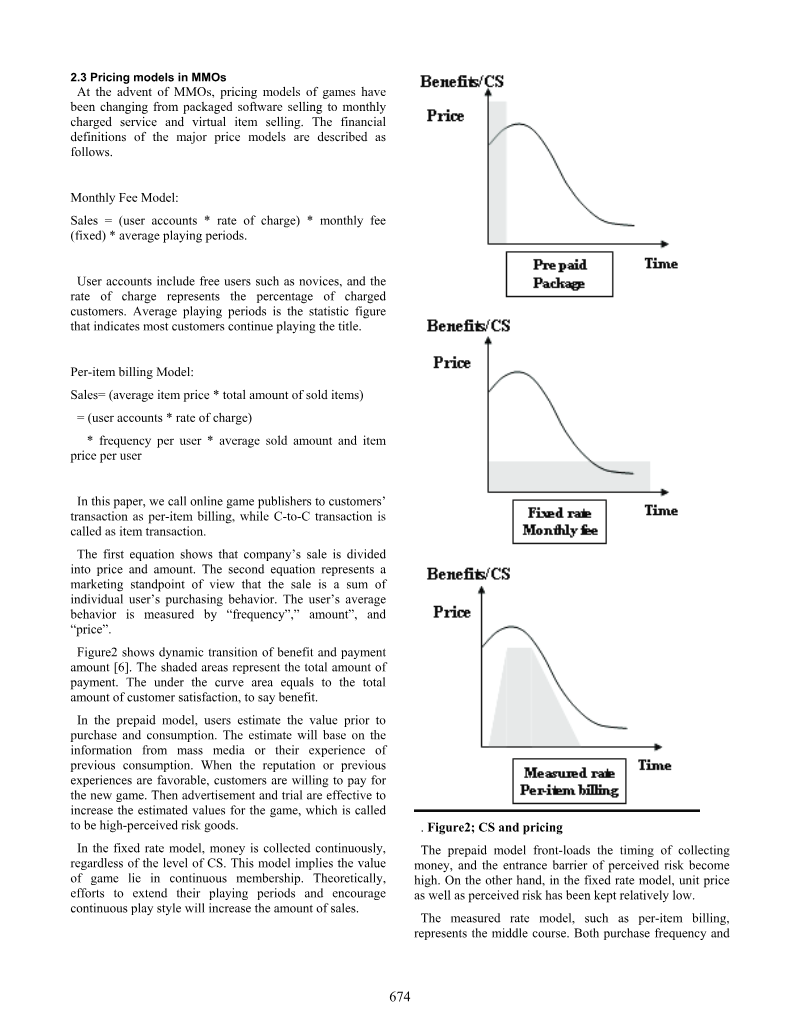
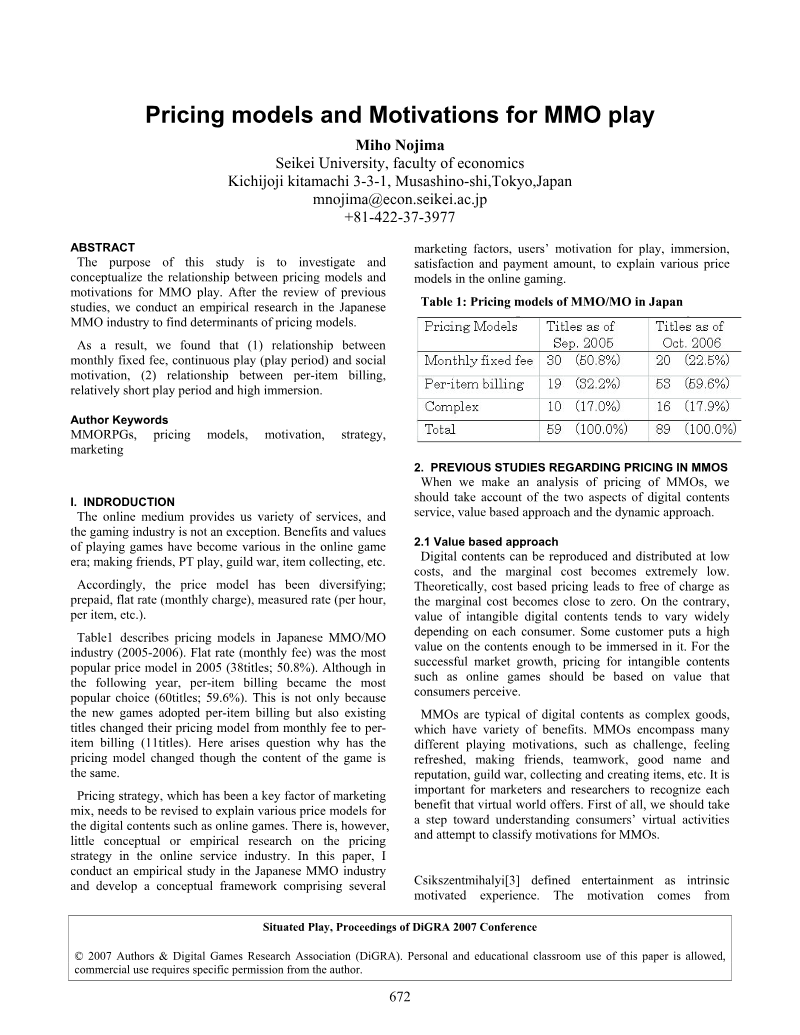
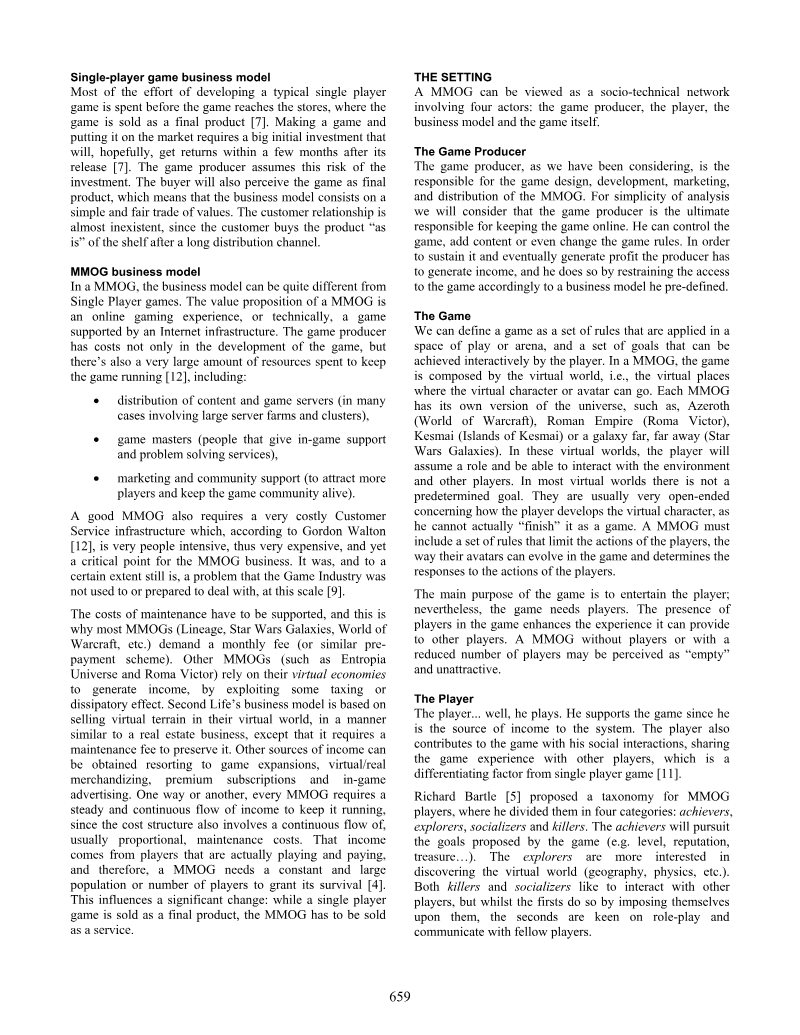
Free-to-play competitors and price cuts eroded the subscription model that had long dominated the market. Item-selling offered a lower financial barrier and broader reach.
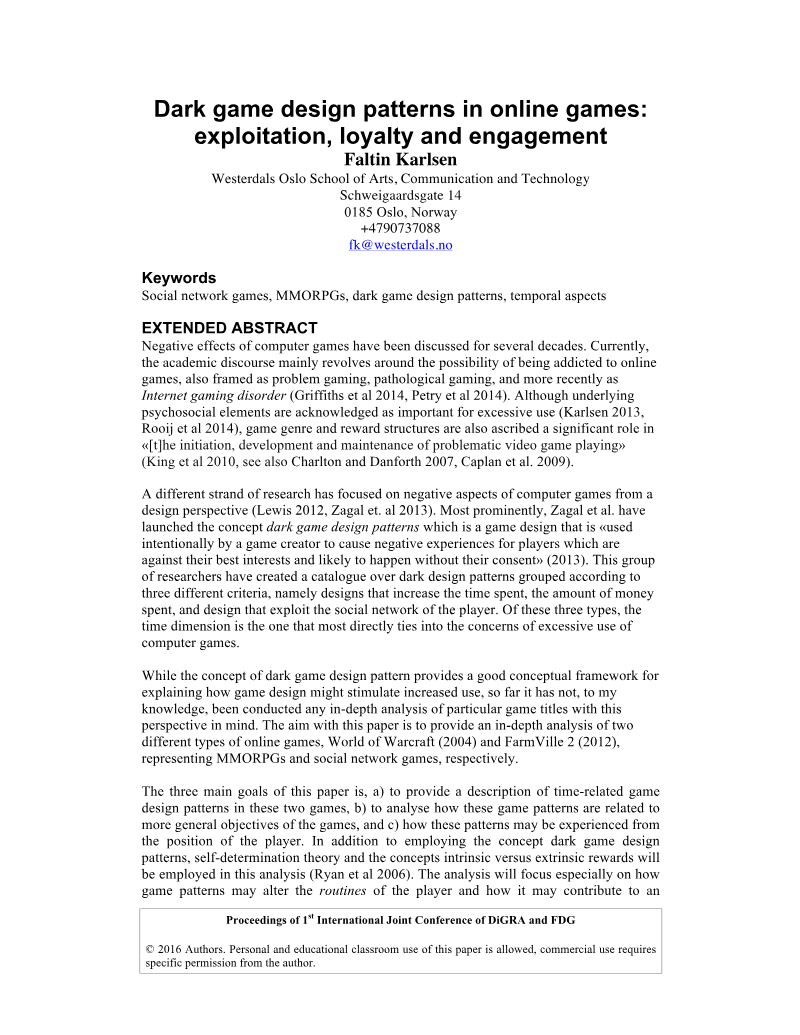
This paper examines the item-selling, or micro-transaction, payment model in Korean online games and the design choices it demands. Its central argument is that Korea's market has moved away from the subscription model that long dominated MMORPGs, eroded by free-to-play competitors and price cuts since 2006, and that item-selling offers a lower financial barrier and broader reach, particularly to younger and female players. Early examples such as the 1999 title "Quiz Quiz," widely regarded as the first successful item-selling game in Korea, establish the model's roots in the domestic industry.
The study's most concrete findings center on Korean titles that have demonstrated commercial viability under this model. "Kart Rider" reportedly generated roughly KRW 3 billion in monthly revenue in Korea and reached 10 million subscribers within eight months of launch. "Special Force" earned about KRW 5 billion monthly with roughly 90,000 concurrent players and approximately KRW 20 billion in cumulative profit through January 2006. These figures support the paper's claim that item-selling can sustain large player populations and substantial revenue streams.
A key design recommendation concerns currency structure. The authors argue that separating pre-paid "Cash Items" from game-earned currencies such as "Lucci" or "SP Items" protects game balance and encourages sustained play, because paying players cannot simply purchase competitive advantage outright. The paper also recommends time-limited items, bundling, and descriptive rather than numerical disclosure of item effects as practical safeguards for player experience.
The concluding portion broadens the scope beyond Korean online games to alternative distribution models, citing examples such as the "Chapter 2" expansion of Ghost Recon: Advanced Warfighter purchased with Marketplace Points, and The Legend of Heroes VI, playable at one-third of the package price or paid for by the hour. The final section offers no formal quantitative analysis or closing conclusions, and its substance is largely a reference base of Korean and international MMORPG sources.
DiGRA · 2019
DiGRA · 2019
DiGRA · 2019
DiGRA · 2019
DiGRA · 2019
DiGRA · 2019
DiGRA · 2019
DiGRA · 2019
DiGRA · 2019
DiGRA · 2019
DiGRA · 2019
DiGRA · 2019
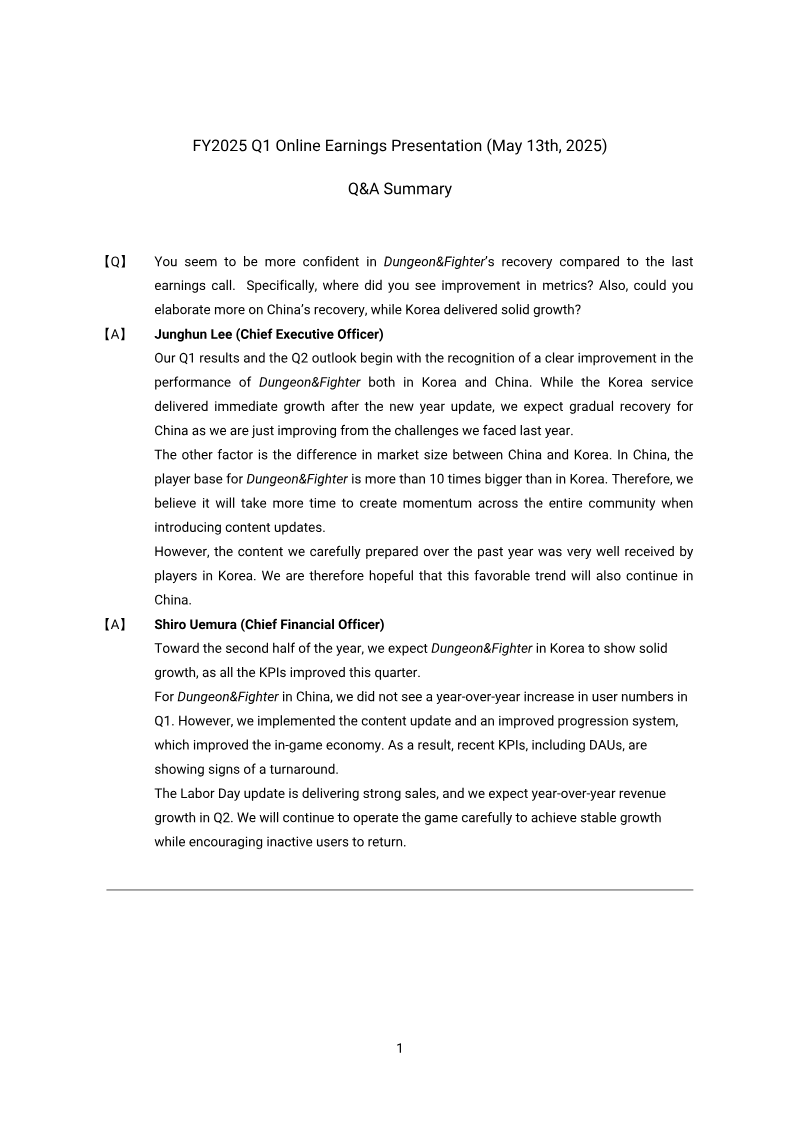
NEXON Co. · 2025