Loading the document
Key insights
6 slides
Current tools
Game authoring tools streamline development and reduce coordination overhead.
These tools simplify production through visual programming and domain-specific languages. They also enable non-technical users to create digital games.
1 / 6
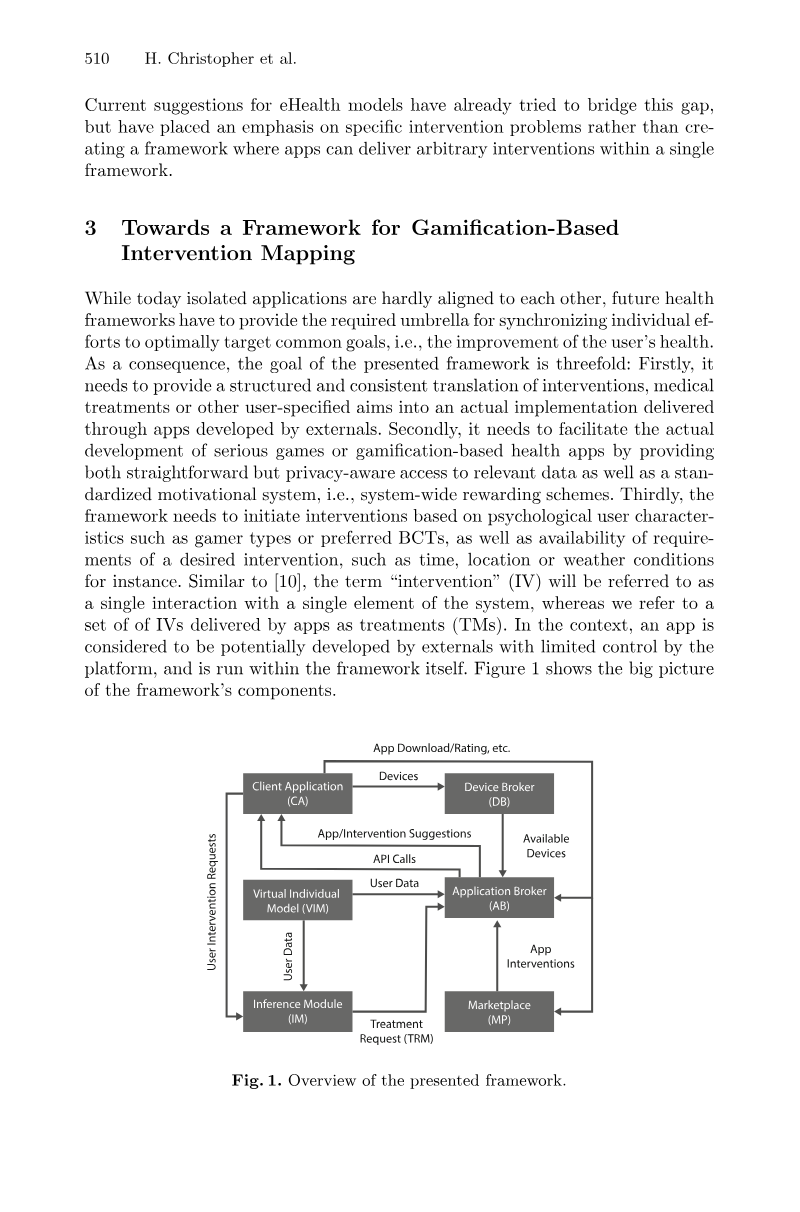
- 01Future game authoring tools must integrate advanced computational techniques to support complex game designs while minimizing cognitive load for users.See it on page 1
- 02Procedural content generation is a critical development area that will automate asset creation and reduce the industry's reliance on specialized experts.See it on page 2
- 03The adoption of AI-driven model checking is necessary to detect semantic errors and logical dead-ends, particularly for managing the complexity of multiplayer game logic.See it on page 3
- 04In-game editing interfaces are emerging as a key innovation to provide developers with immediate feedback during the production process.See it on page 4
- 05Gamification strategies are being explored as a method to incentivize the creation of user-generated content.See it on page 4
- 06Advancements in authoring tools face significant challenges, including the risk of copyright infringement from automated content retrieval and the need to maintain creative freedom against restrictive language constructs.See it on page 5
Ask AI about this report
Summary
Game authoring tools serve as essential frameworks for streamlining development, enabling non-technical users to create digital games, and reducing coordination overhead among multidisciplinary teams. The primary thesis posits that while current tools effectively simplify production through visual programming and domain-specific languages, significant innovation is required to enhance their expressiveness and accessibility. By integrating advanced computational techniques, these tools can evolve to support more complex game designs without increasing the cognitive load on the user.
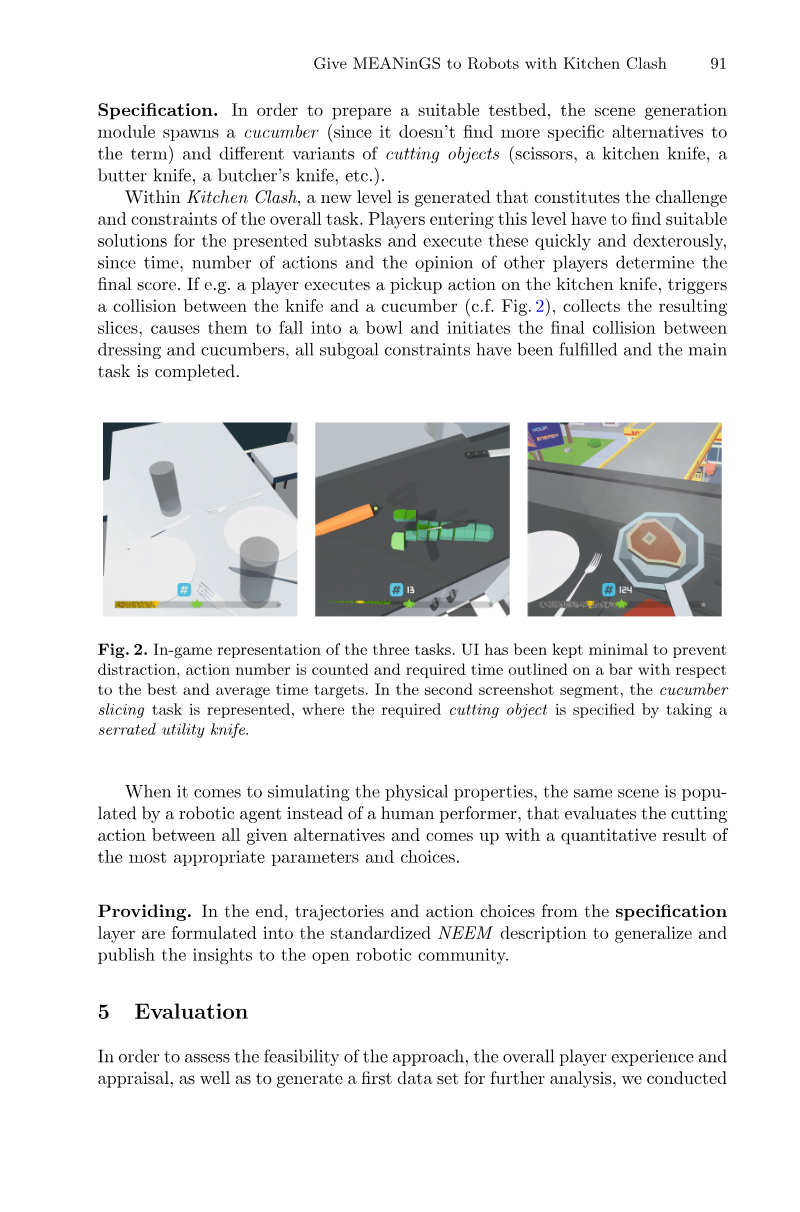
Key areas for future development include the integration of procedural content generation, which could automate asset creation and reduce reliance on specialized experts. Furthermore, the adoption of model checking—leveraging artificial intelligence to detect semantic errors or logical dead-ends—is identified as a critical advancement, particularly for managing the exponential complexity of multiplayer game logic. Other promising innovations include the transition toward in-game editing interfaces, which provide immediate feedback, and the application of gamification to incentivize user-generated content.
The analysis covers the broader landscape of game development, with a specific focus on serious games and educational applications. While the research highlights the potential for these advancements to lower the barrier to entry for novice developers, it also acknowledges significant challenges. These include the potential for restrictive language constructs, the risk of copyright infringement in automated content retrieval, and the ongoing need to balance automated efficiency with the creative freedom of human designers. Ultimately, the synthesis of these technologies is expected to transform the production chain, allowing for more collaborative and adaptive gaming experiences.