1 free read left. Create a free account for unlimited reading + AI research.
Create free accountArticle Board Game Studies Journal
1 free read left. Create a free account for unlimited reading + AI research.
Create free accountArticleBoard Game Studies Journal
Micael Sousa analyzes the games that held the top BGG ranking from 2000 onward to identify transferable design elements called ludemes.
Micael Sousa's study examines the seven games that held the number one ranking on BoardGameGeek (BGG) from 2000 onward, ranging from Paths of Glory to Gloomhaven, in order to identify "ludemes," the atomic or compound conceptual design elements that can be transferred between games. The work argues that ludemic analysis has been underexplored for modern board games relative to video games and historical games, and that such analysis could help explain why tabletop games continue to thrive despite the dominance of digital play. The methodology relies on BGG's crowdsourced rankings and a framework adapted from MDA/MDE models that considers physical, dynamic, and interactive dimensions of the experience.
The profiles of the top-ranked games reveal a notable shift over time. Earlier titles tended to be longer, conflict-heavy wargames, while newer leaders are shorter, typically playable in one to two hours, and more often cooperative or constructive in design. Complexity ratings for most of these games sit above 3.5, card play has become a dominant core mechanism, and randomness is generally low to medium. Across this trajectory, the author finds that the top games increasingly foster player agency and strategic depth, and that asymmetry and multi-layered interaction among components have largely replaced player elimination as design goals.
The central analytical finding concerns board progression, which the study understands through two dimensions: growth or accumulation, in which players fill adjacent grids or areas, and movement or advancement, in which pieces travel along networks or paths. The spatial network or grid structure emerges as a plausible compound ludeme that could transfer across titles. Roughly four in five recent top games are highly complex, and the study notes a trend toward cooperation alongside the combination of many interacting mechanisms such as worker placement, set collection, and card-driven actions.
The study concludes that ludemic analysis proves less conclusive than anticipated. Physical components, color schemes, and themes resist isolation from one another, so the author argues that a systemic approach is needed to capture how these elements function together. The work appears in the Board Game Studies Journal (Vol. 17, 2023).
Board Game Studies Journal · 2025
Board Game Studies Journal · 2025
Board Game Studies Journal · 2025
Board Game Studies Journal · 2025
Board Game Studies Journal · 2025
Board Game Studies Journal · 2025
Board Game Studies Journal · 2024
Board Game Studies Journal · 2024
Board Game Studies Journal · 2024
Board Game Studies Journal · 2024
Board Game Studies Journal · 2024
Board Game Studies Journal · 2023
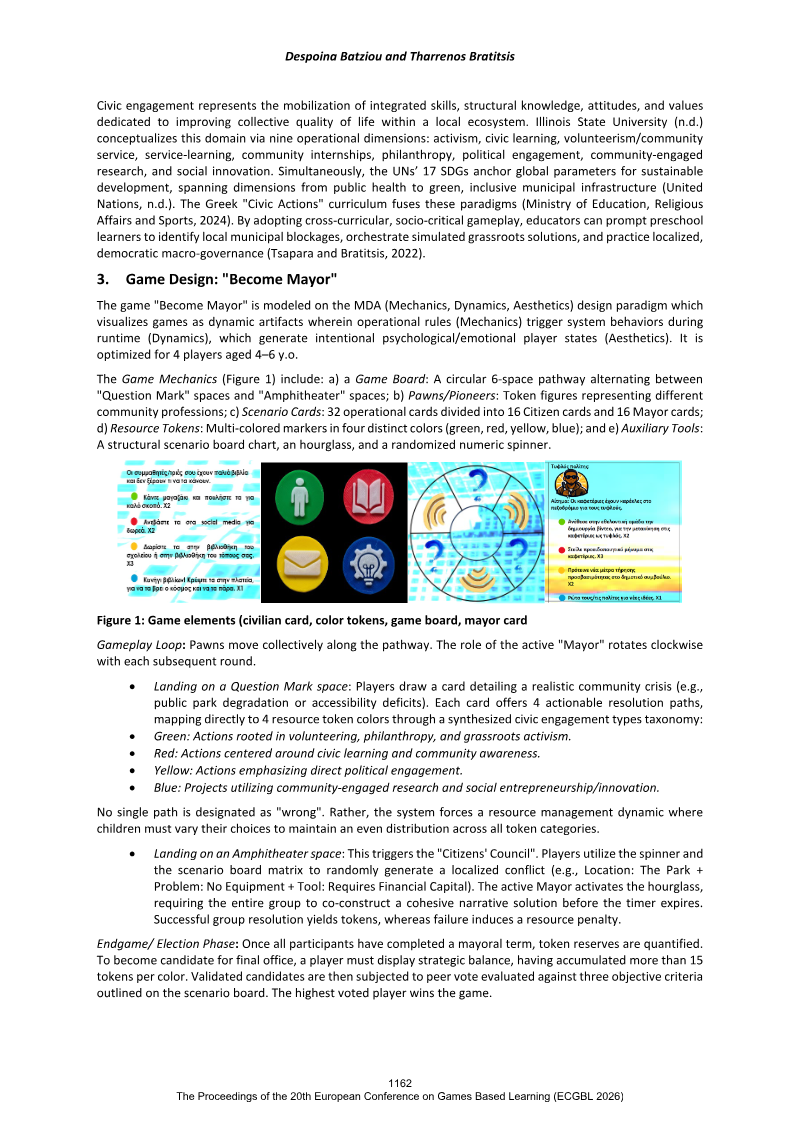
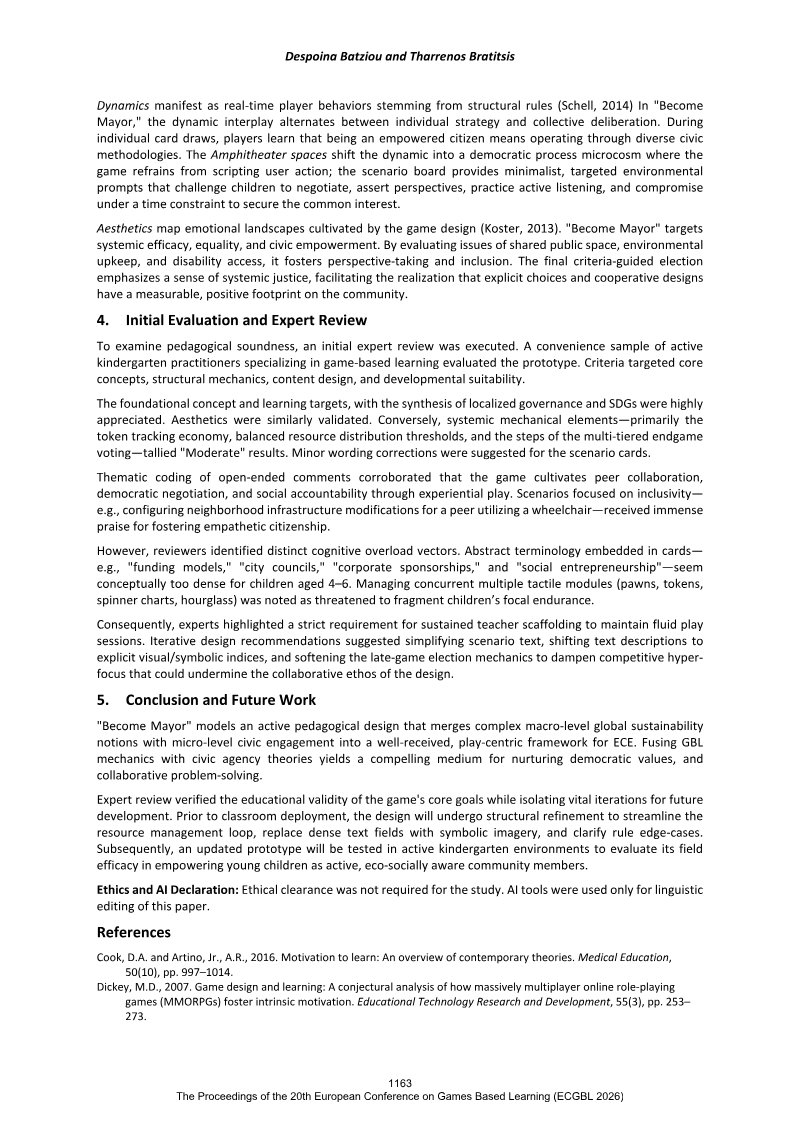
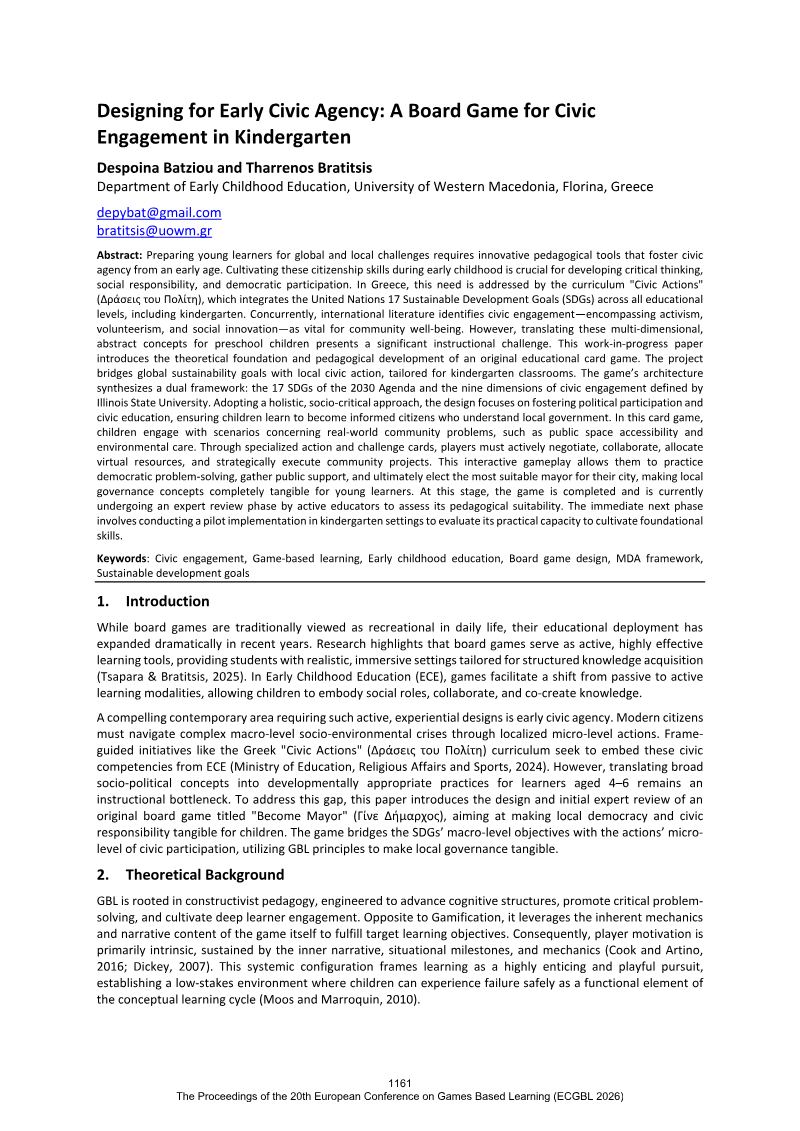
European Conference on Games Based Learning (ECGBL) · 2026
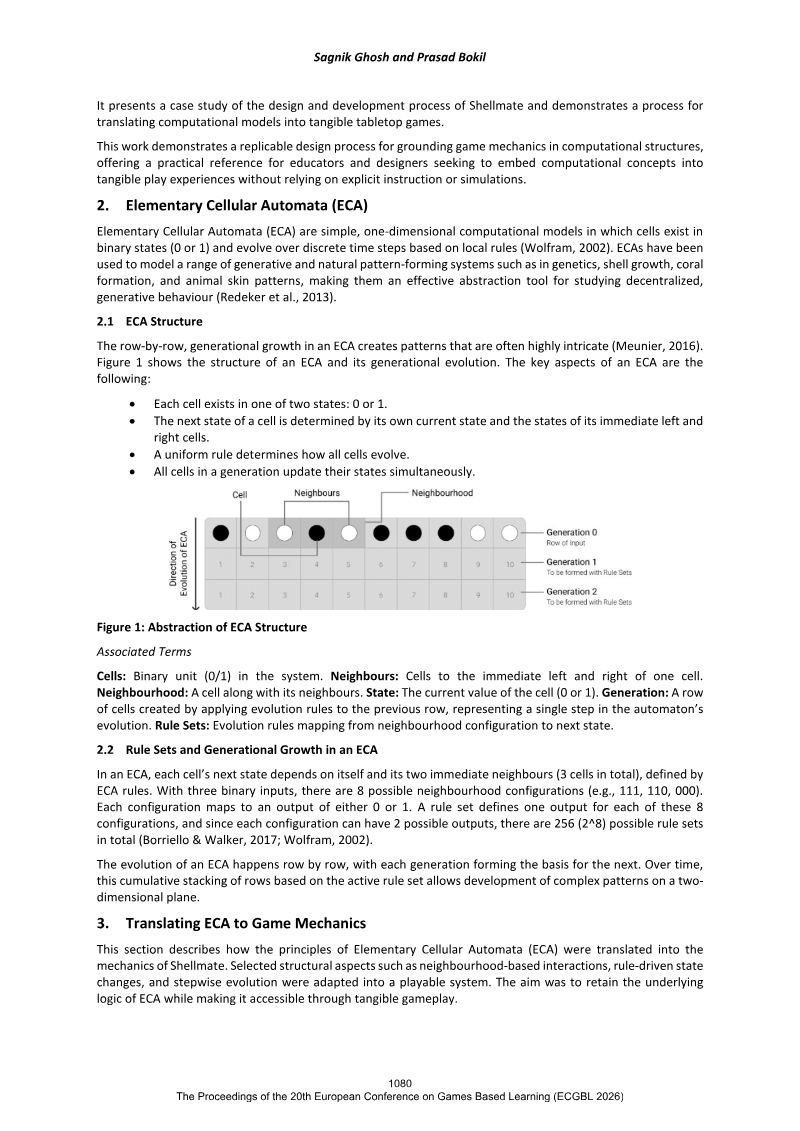
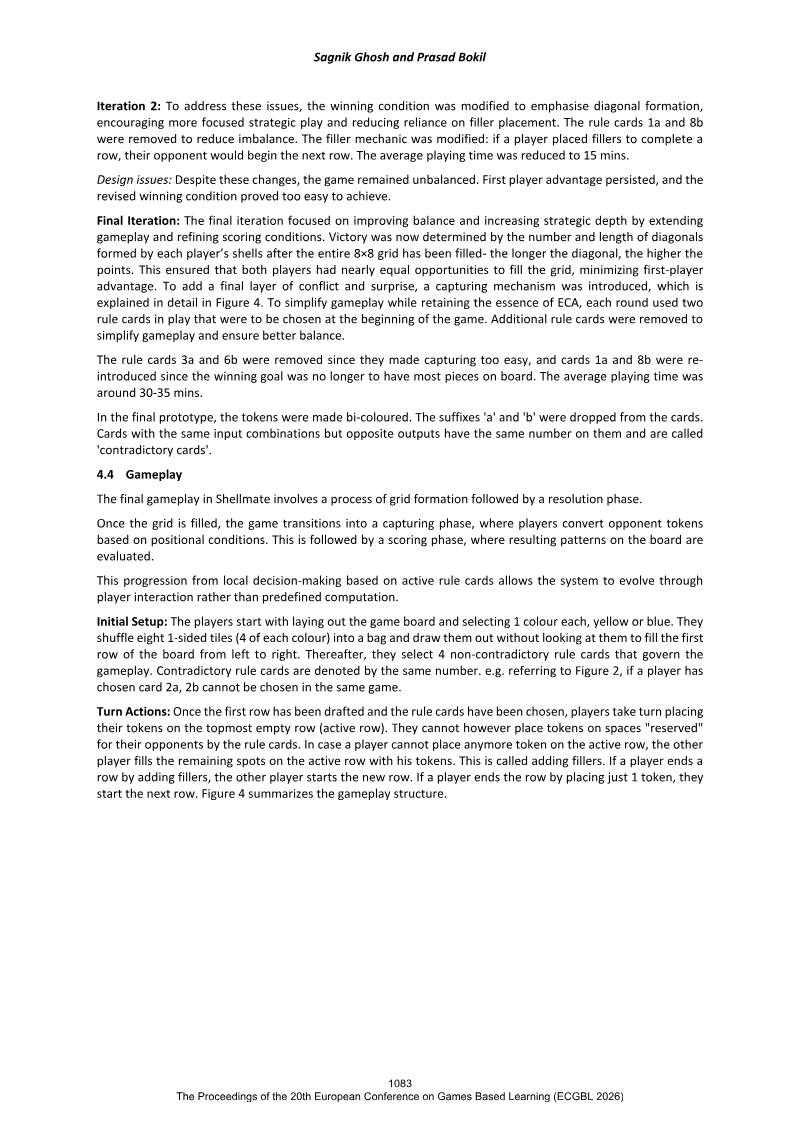
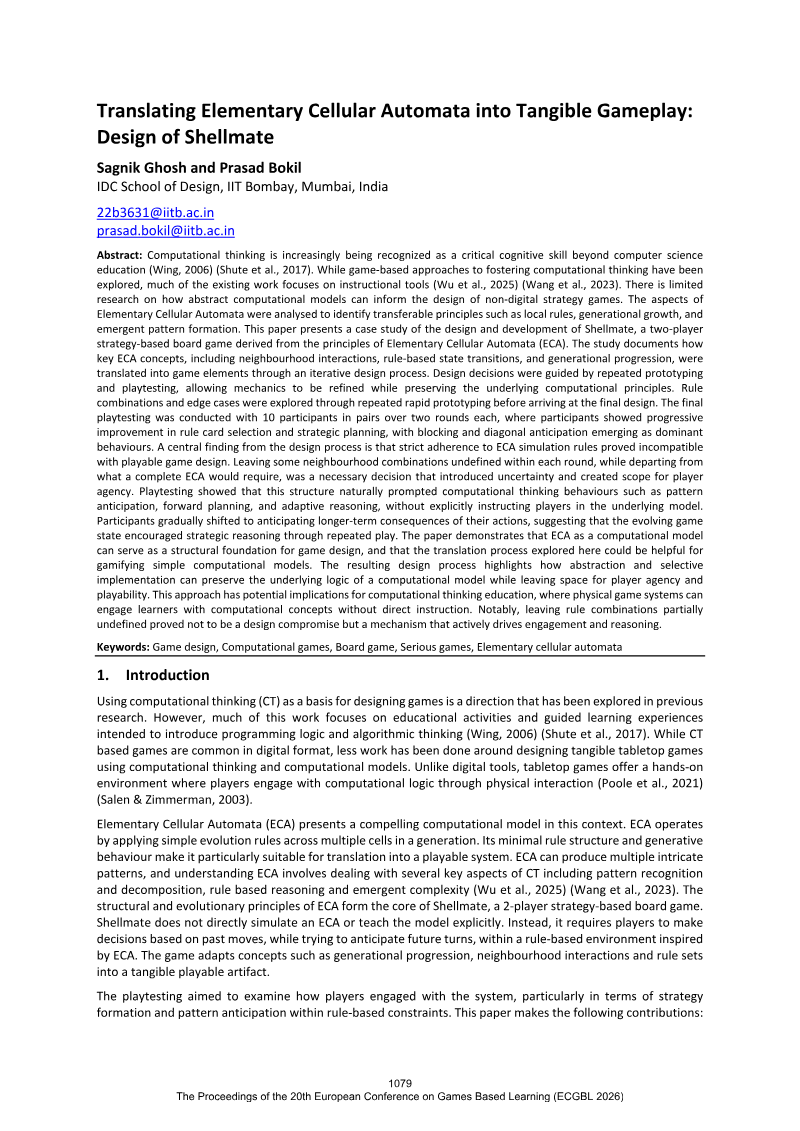
European Conference on Games Based Learning (ECGBL) · 2026



European Conference on Games Based Learning (ECGBL) · 2026