Key insights
5 slides
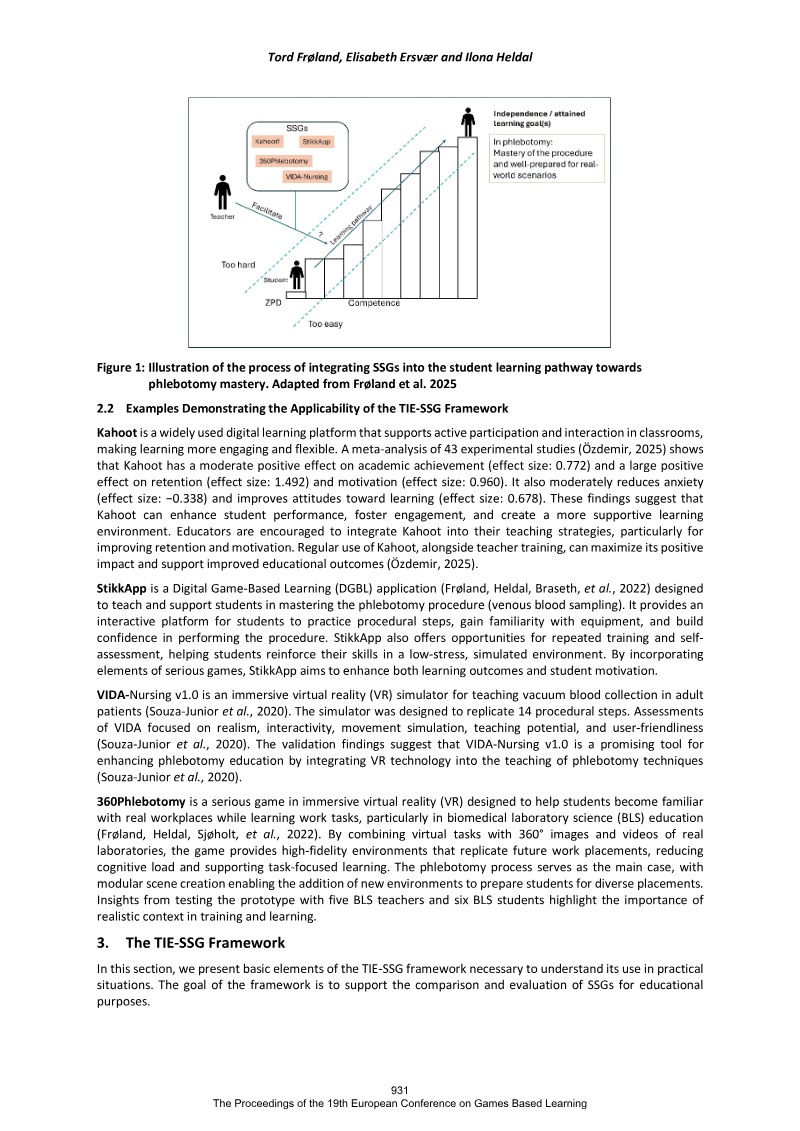
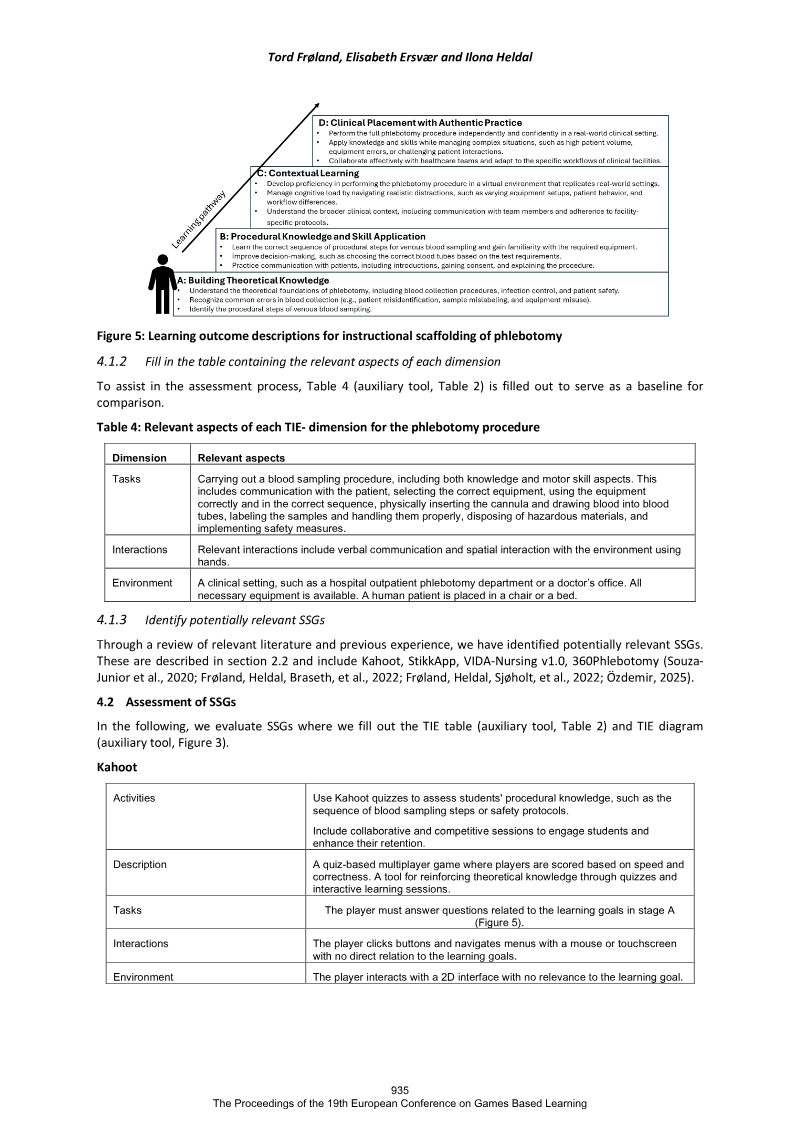
Key finding
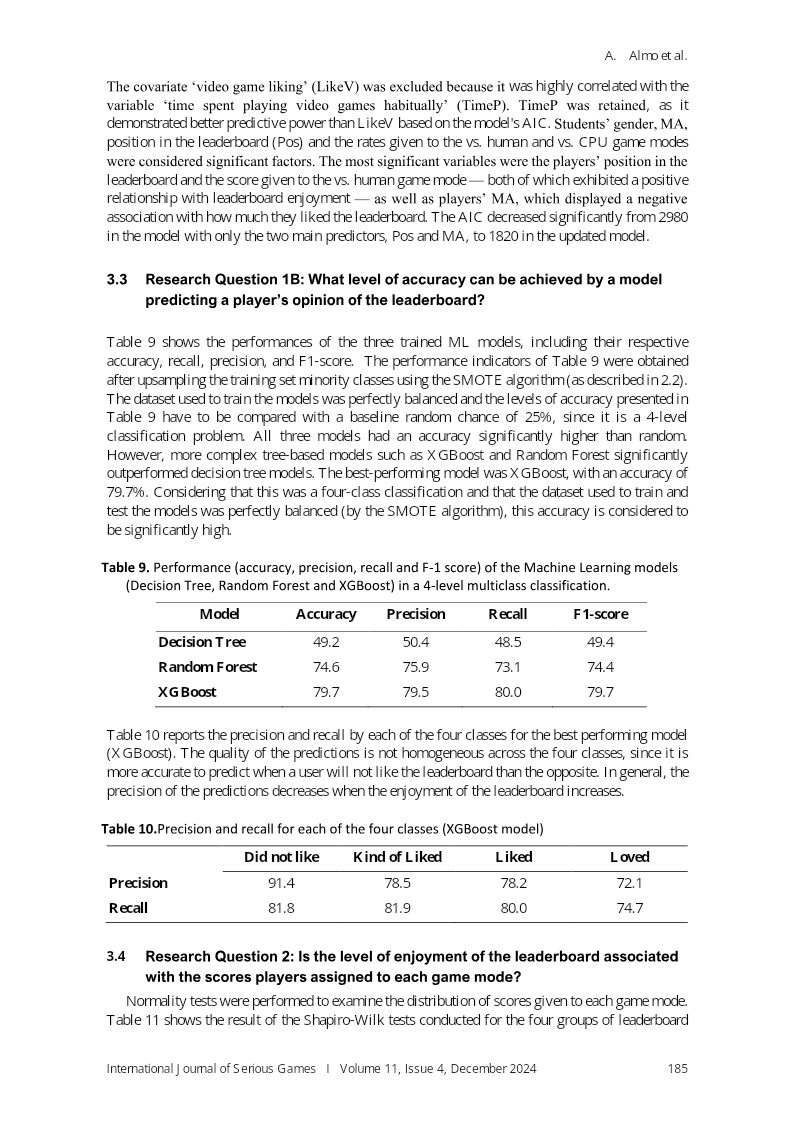
Most students report a positive experience with infinite leaderboards.
80% of the 1,300 surveyed students in Irish primary schools found infinite leaderboards positive. However, the remaining 20% experienced alienation.
1 / 5
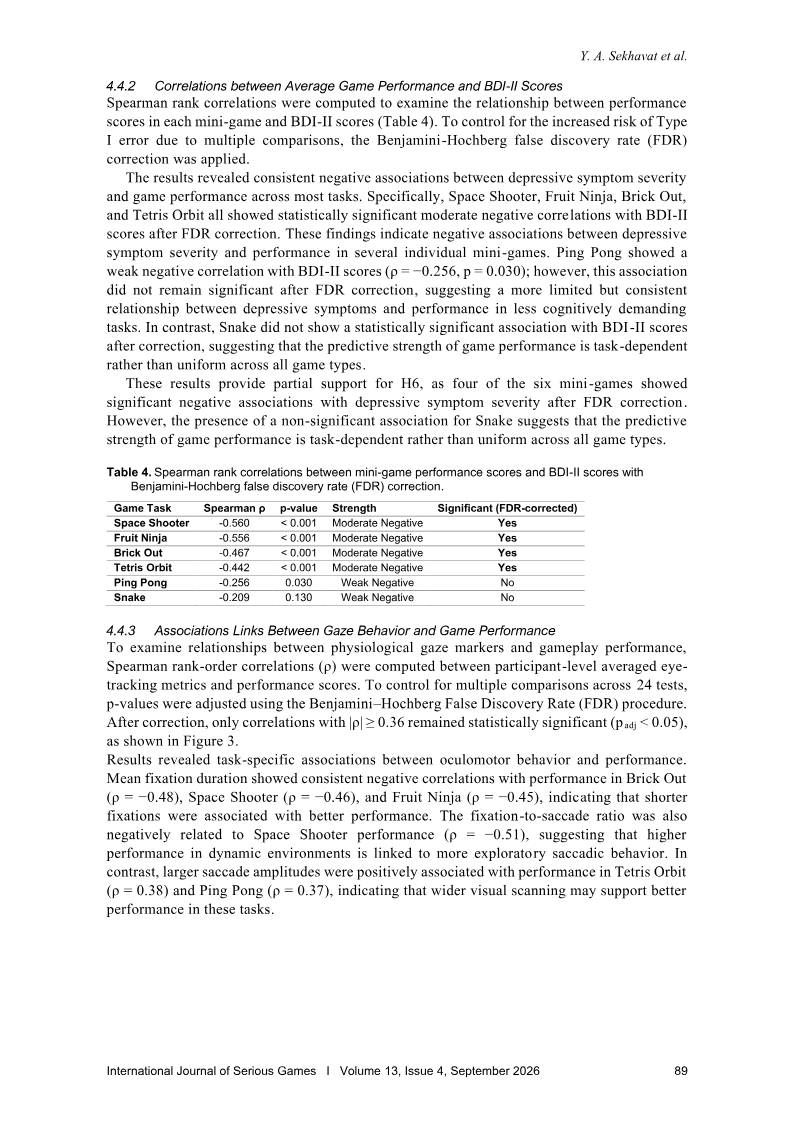
- 01Mathematics anxiety is a primary determinant of negative leaderboard sentiment, consistently undermining engagement regardless of a student's actual academic performance.See it on page 18
- 02Leaderboard enjoyment is fundamentally driven by relative social standing rather than intrinsic learning goals, with rank serving as the critical bridge between ability and satisfaction.See it on page 18
- 03While 80% of the 1,300 surveyed students report a positive experience with infinite leaderboards, the remaining 20% face alienation due to the mechanics of social comparison.See it on page 20
- 04Predictive modeling using XGBoost algorithms can forecast player sentiment with nearly 80% accuracy, confirming that behavioral patterns regarding competitive gamification are highly predictable.See it on page 13
- 05Developers should abandon static, infinite leaderboard designs in favor of adaptive or relative systems to better accommodate students with varying levels of mathematics anxiety.See it on page 20
- 06Prioritizing psychological well-being alongside competitive mechanics is essential to creating inclusive digital learning environments that sustain engagement for all users.See it on page 22
Ask AI about this article
Summary
The integration of infinite leaderboards within digital mathematics games serves as a double-edged sword for student engagement, functioning as a powerful motivational tool for some while simultaneously alienating others. Research involving over 1,300 Irish primary school students demonstrates that leaderboard enjoyment is not a uniform experience but is instead deeply contingent upon a player’s specific psychological profile and competitive standing. While approximately 80% of students report a positive experience with these features, the data reveals that leaderboard rank, performance in competitive game modes, and individual levels of mathematics anxiety are the primary determinants of user sentiment.
Mathematics anxiety emerges as a critical variable that consistently undermines the effectiveness of competitive gamification. Students experiencing high levels of anxiety report lower satisfaction with leaderboard systems regardless of their actual academic performance, suggesting that social comparison mechanisms can inadvertently diminish confidence and engagement. Mediation analysis confirms that a player’s rank serves as the primary bridge between their mathematical ability and their enjoyment of the game, indicating that the leaderboard experience is fundamentally tied to relative social standing rather than intrinsic learning goals.
Predictive modeling, specifically through the application of XGBoost algorithms, achieves nearly 80% accuracy in forecasting player sentiment, highlighting the predictability of these behavioral patterns. These findings suggest that developers must move away from static, infinite leaderboard designs to avoid the negative consequences of social comparison. Instead, the implementation of adaptive or relative leaderboard systems is recommended to better accommodate diverse student needs. By prioritizing psychological well-being alongside competitive mechanics, game designers can create more inclusive environments that sustain engagement without compromising the learning experience for vulnerable students.