1 free read left. Create a free account for unlimited reading + AI research.
Create free accountArticle European Conference on Games Based Learning (ECGBL)
1 free read left. Create a free account for unlimited reading + AI research.
Create free accountArticleEuropean Conference on Games Based Learning (ECGBL)
The authors argue that games and facilitated playfulness each carry distinct benefits. Combining them produces synergistic effects, including a normalisation of failure as a route to learning.
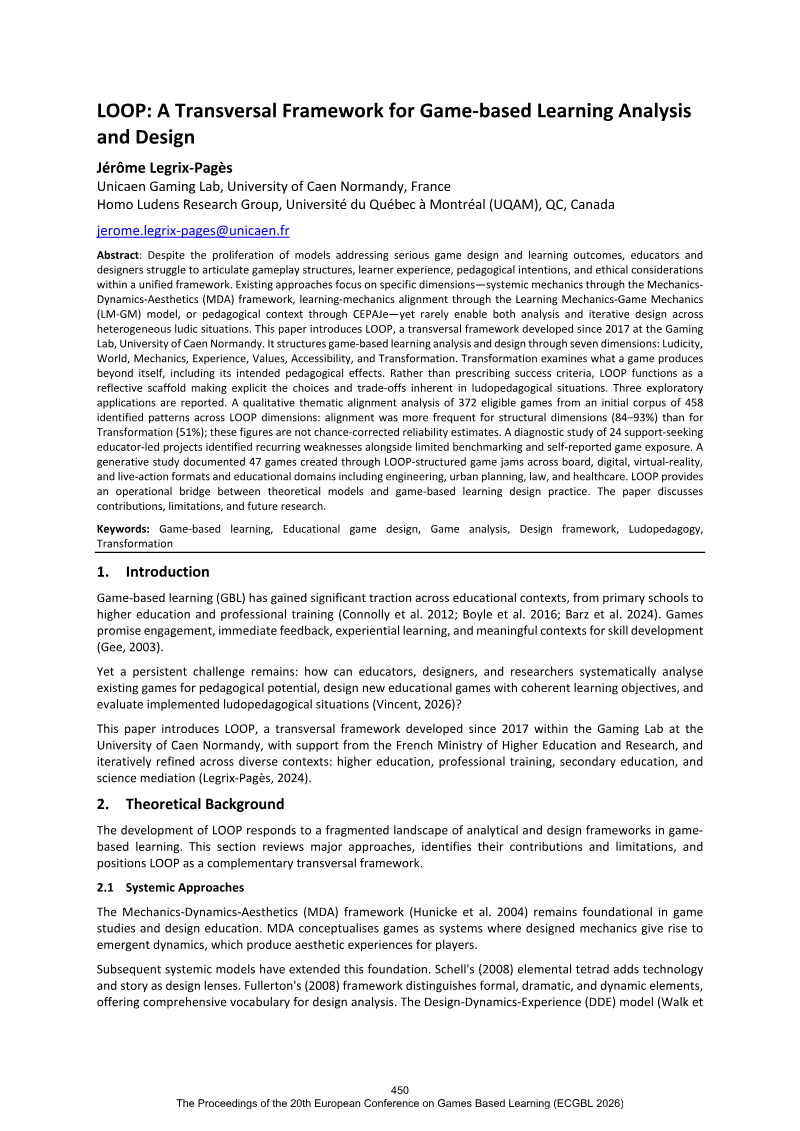
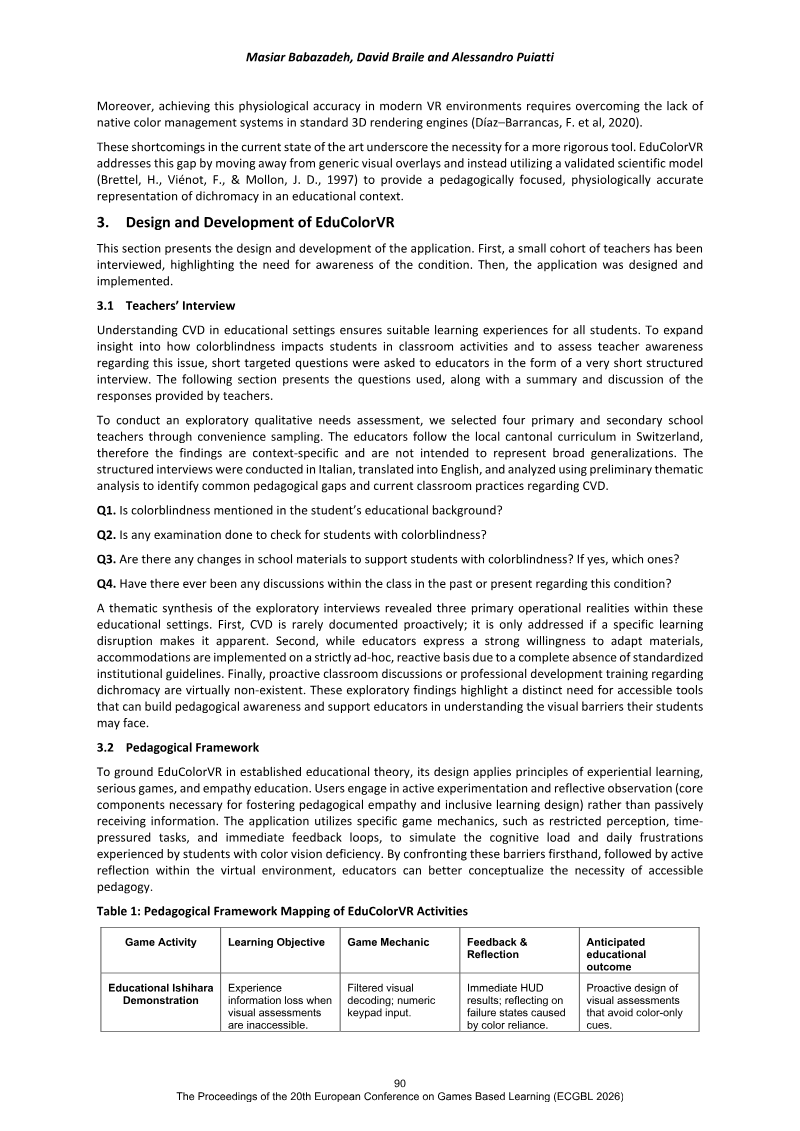
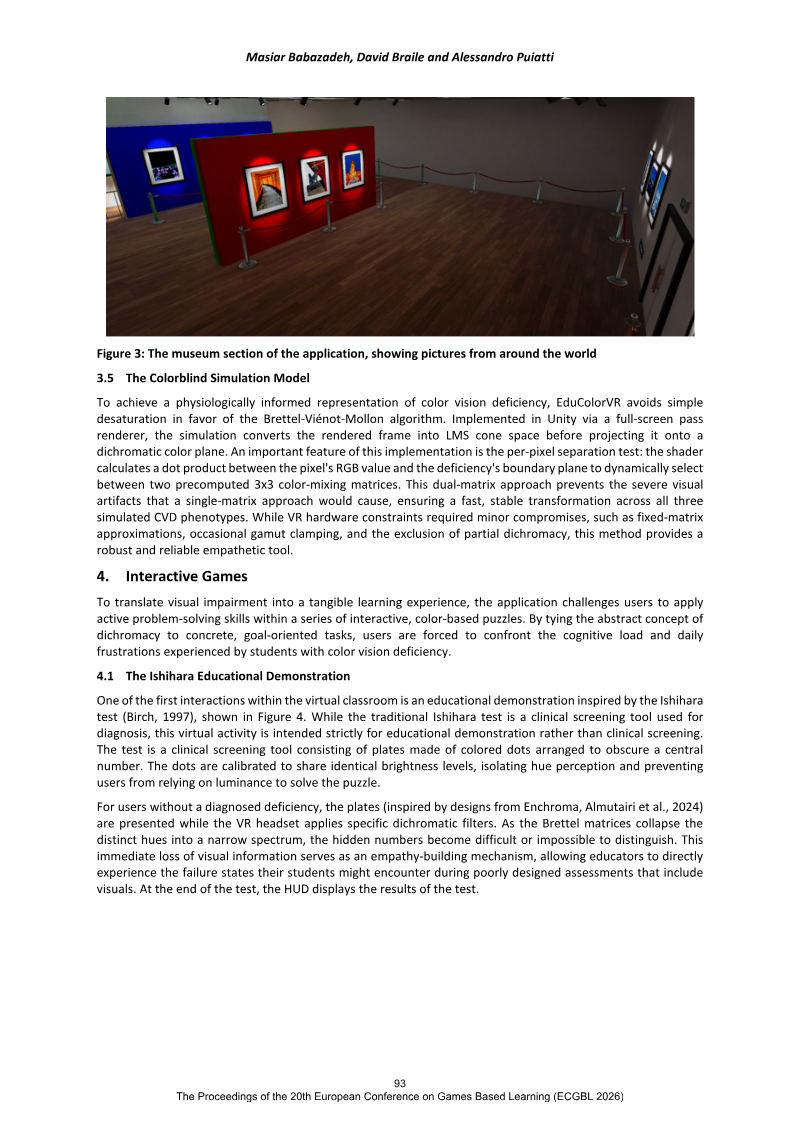
This paper proposes a theoretical framework for understanding the relationship between games, playfulness, and play, and applies it to the practice of playful learning in higher education. The authors define games as objective, rule-bound problem-solving systems set in an unreal context with a goal and lusory rules, and playfulness as a subjective, light-hearted attitude that can be applied to any activity. Play is positioned as the nexus where the two meet, occurring when a learner engages with a game playfully, voluntarily, and for enjoyment. The central argument is that games and facilitated playfulness each carry distinct benefits, and that combining them produces synergistic effects, including a normalisation of failure as a route to learning.
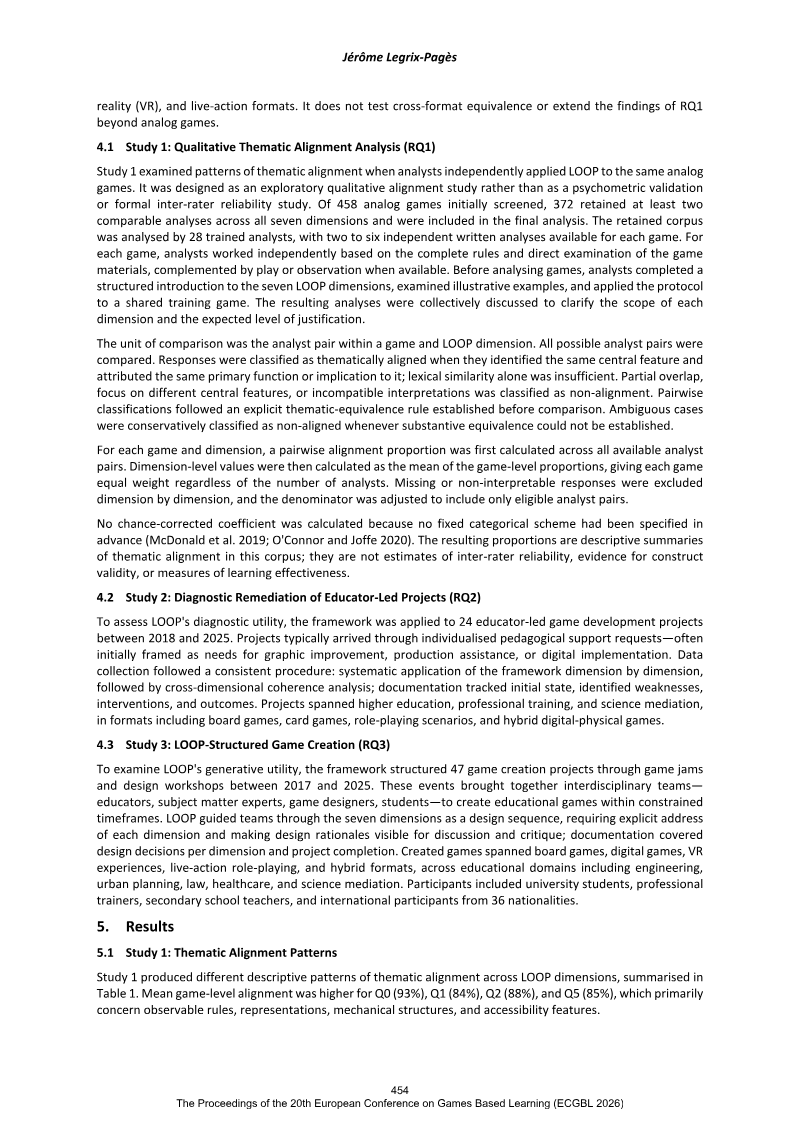
To test the framework, the authors draw on a literature review of 1,090 English-language journal articles published between 1973 and 2022, retrieved from the Scopus database, on the use of play in higher education. From this corpus they derive a taxonomy of seven playful learning approaches: roleplay, simulations, traditional play, play worlds, ludification, playmaking, and alternate realities. Each is examined for how it uses games and how it facilitates playfulness, with examples drawn from health education, business, archaeology, chemistry, computer science, and other disciplines. The authors observe that roleplay is most often used to facilitate playfulness, while simulations, play worlds, ludification, and playmaking lean toward games, and traditional play and alternate realities combine both.
The authors acknowledge limitations, including inconsistent terminology across the reviewed literature, most notably the ambiguous use of "gamification," and the taxonomy's provisional status, which they expect to expand as new forms emerge. They conclude that practitioners using games should consider adding playful facilitation, and those facilitating playfulness should consider incorporating game structures, with the aim of creating conditions for genuine play.



European Conference on Games Based Learning (ECGBL) · 2026



European Conference on Games Based Learning (ECGBL) · 2026



European Conference on Games Based Learning (ECGBL) · 2026



European Conference on Games Based Learning (ECGBL) · 2026



European Conference on Games Based Learning (ECGBL) · 2026



European Conference on Games Based Learning (ECGBL) · 2026



European Conference on Games Based Learning (ECGBL) · 2026



European Conference on Games Based Learning (ECGBL) · 2026



European Conference on Games Based Learning (ECGBL) · 2026



European Conference on Games Based Learning (ECGBL) · 2026



European Conference on Games Based Learning (ECGBL) · 2026



European Conference on Games Based Learning (ECGBL) · 2026



European Conference on Games Based Learning (ECGBL) · 2026
European Conference on Games Based Learning (ECGBL) · 2026
European Conference on Games Based Learning (ECGBL) · 2026