1 free read left. Create a free account for unlimited reading + AI research.
Create free accountArticle American Journal of Play
1 free read left. Create a free account for unlimited reading + AI research.
Create free accountArticleAmerican Journal of Play
The game demands specialized vocabulary, interrelated card-text interpretation, symbolic and mathematical reasoning, and embodied play.
Magic: The Gathering is examined here as a multimodal literacy environment, one that demands specialized vocabulary, the interpretation of interrelated card texts, symbolic and mathematical reasoning, and embodied physical play. The central thesis is that a player's entry into the game's "Magic Discourse" is a form of situated, socially mediated literacy development, and that the game's print-dense, community-based context can build productive vocabulary, comprehension, and strategic reasoning. The analysis draws on James Paul Gee's concepts of Discourses and good games, Lave and Wenger's communities of practice, and Vygotskian social constructivism, and it is grounded in an autoethnographic account of a novice learning alongside an experienced player.
Several findings stand out. Learning is driven by just-in-time, challenging-but-achievable demands: card texts, symbols, flavor text, and terms such as "leviathan" or "Simic" prompt newcomers to research unfamiliar language, while guided participation with "old-timers" supports movement from peripheral to fuller community membership. The analysis of the card Nimbus Swimmer illustrates how comprehension combines linguistic, mathematical, and strategic reading. The author further argues that comprehension is embodied, as players enact abilities, narrate play, arrange and sleeve cards, and negotiate meaning with opponents and judges. These practices, the author concludes, reveal multiliteracies that challenge print-centered definitions of literacy and support the view that game texts, like comics and picture books, remain valid literacy tools beyond childhood.
The scope is deliberately narrow. The evidence rests on a single novice-expert pairing and one author's experience, so the findings describe a particular situated case rather than the experience of all players, and the author explicitly cautions against such generalization. The study is theoretical and qualitative, offering no original quantitative data, and its supporting references concentrate on Gee, Lave and Wenger, and scholarship on comics and graphic novels.
Each row is a game or company this document names, each column a document, oldest first. A mark means that document names it. Select a row to see those documents.
American Journal of Play · 2025
American Journal of Play · 2025
American Journal of Play · 2024
American Journal of Play · 2024
American Journal of Play · 2024
American Journal of Play · 2023
American Journal of Play · 2022
American Journal of Play · 2022
American Journal of Play · 2021
American Journal of Play · 2020
American Journal of Play · 2020
American Journal of Play · 2019
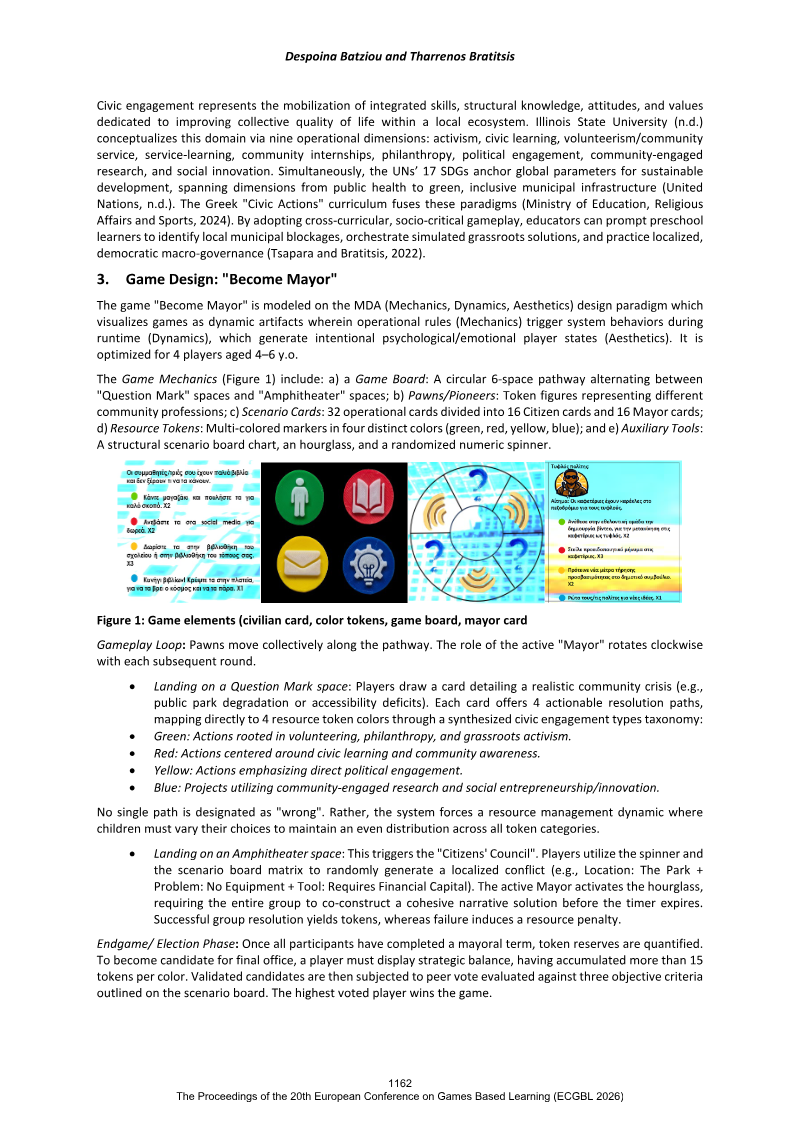
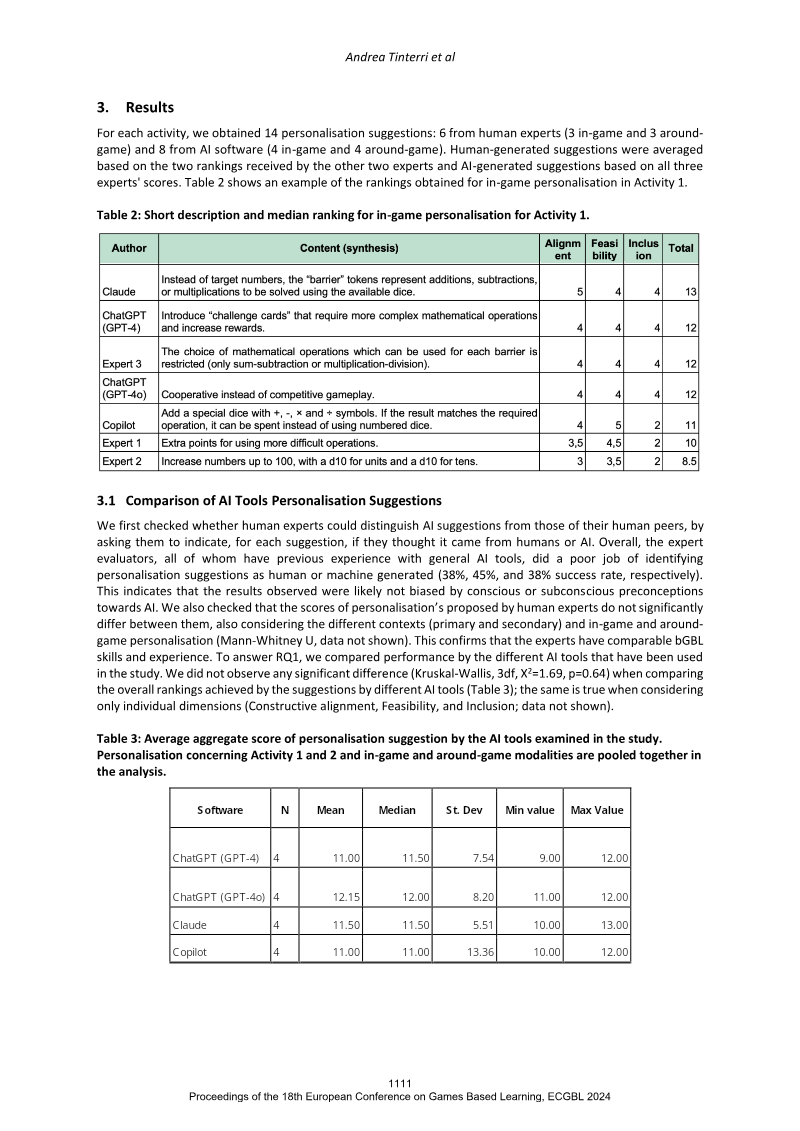
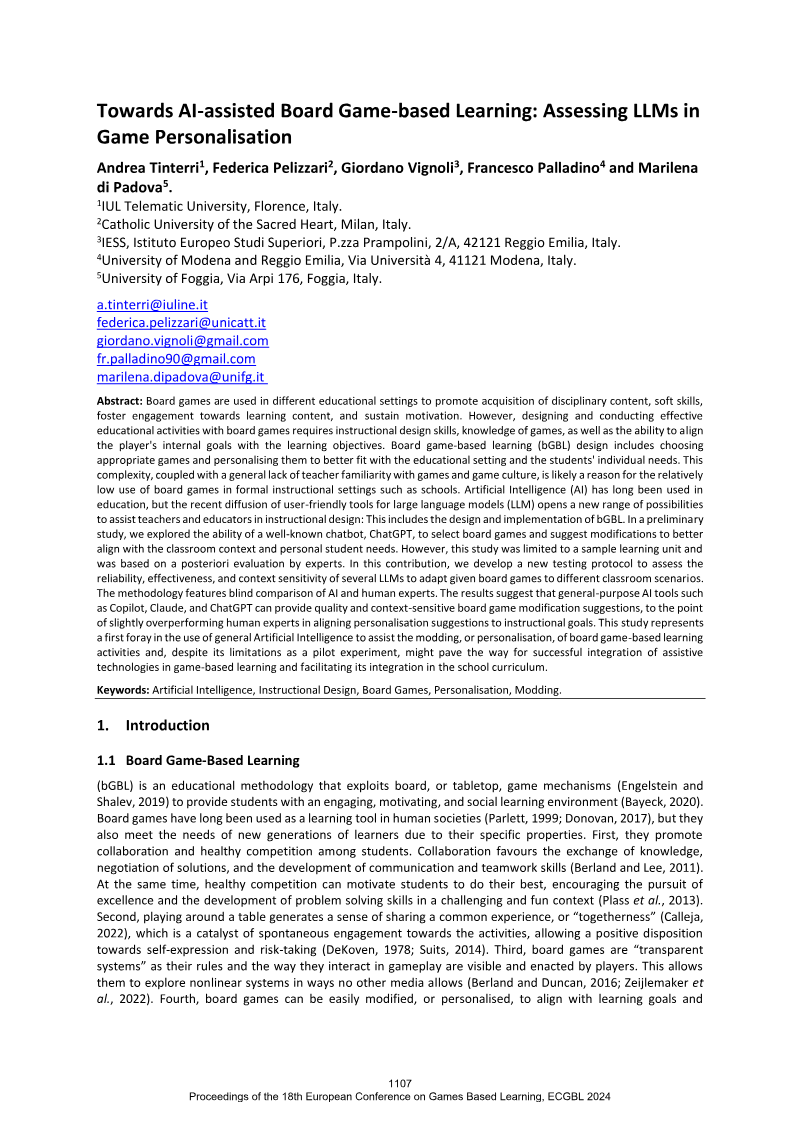
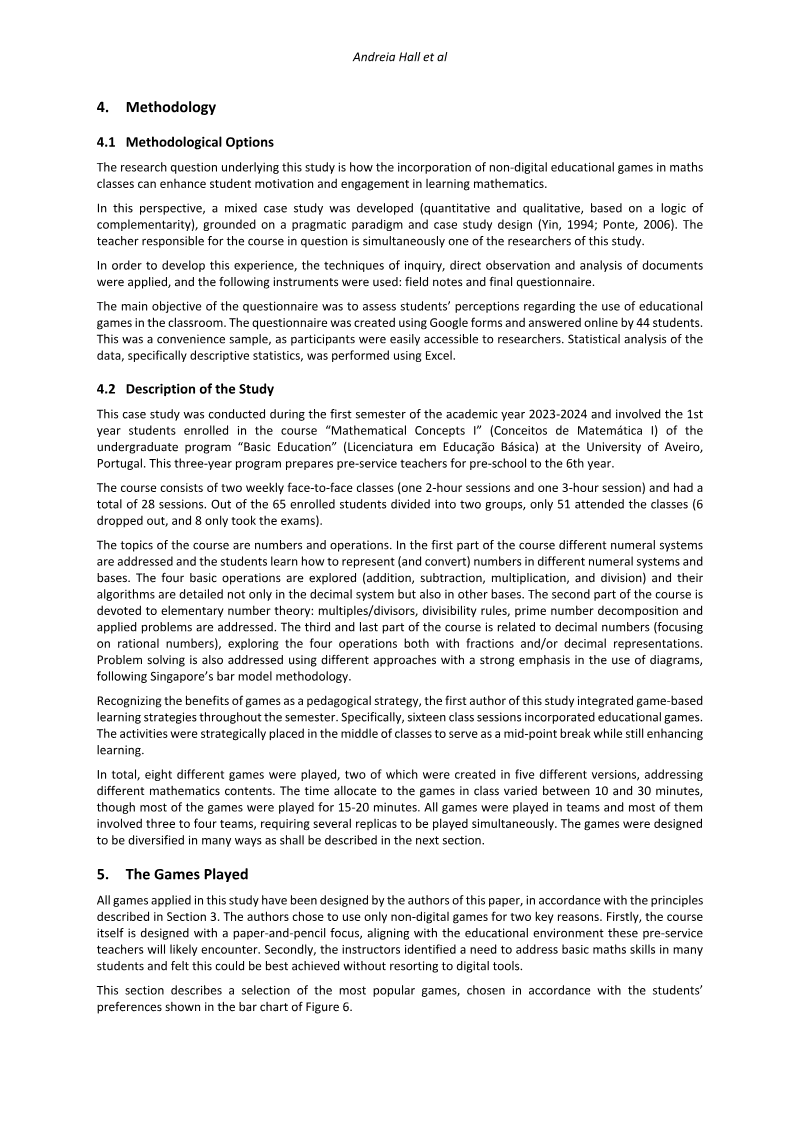
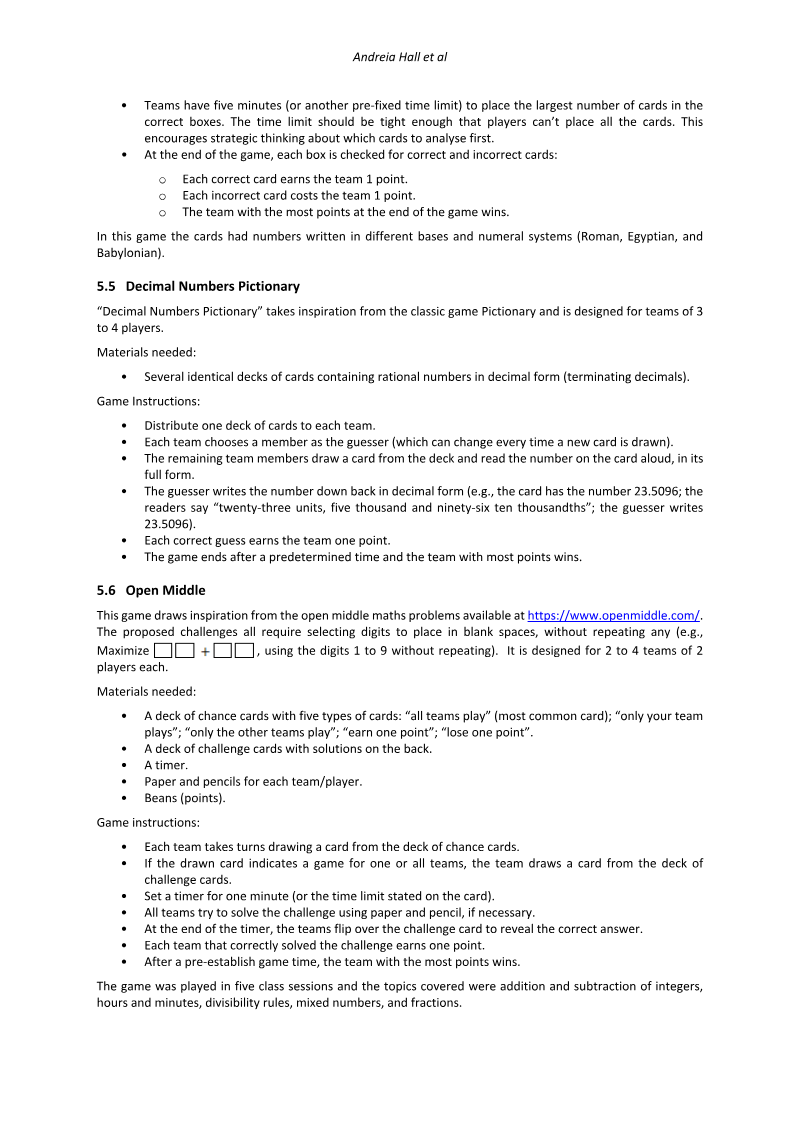
European Conference on Games Based Learning (ECGBL) · 2026