VideoGameMakers
Embracer vs. Ubisoft: A Deep Dive into Two Struggling Gaming Giants (Pixels & Profits)
20 Apr 202479 min video
Transcript
Hello folks and welcome back to Pixels and Profits with my co-host Matthew Conturman and Brian Piganoff. Today we are going to be talking about two public gaming companies that have been beaten down a bit and we will discuss their current business, reasons for their current performance, valuation, and future outlook. And those two companies are the Embracer Group and Ubisoft. And finally, we'll kind of compare the two companies and give our thoughts on which of the two companies has the higher potential to break out in the future. And so just to go ahead and just get this thing kicked off, I think we could start with Embracer. So what I'll do is just do a quick overview on the business and then I'll kick it over to Matthew to talk about the financials. So in terms of the Embracer business, they are a fairly scaled roll up of mini game studios across PC, console, mobile, and even board games and other kinds of media like comic books. And they basically grew during ZIRP, the zero interest rate kind of policy environment, easy money times, but now
we're in a new environment. And so in in terms of the the company itself, the head office is based out of Sweden out of Sweden and owned at least a year ago 12 operational groups, THQ Nordic, Play on, Coffee Stain, Amplifier Game Invest, Saber Interactive, DECA Games, Gearbox, Easybrain, Asmodee, Asmodee, I don't know how to pronounce that, Dark Horse, Free Mode, and Crystal Dynamics Eidos. And the group at that time owned 850 franchises, 138 internal game studios, and had 16,600 employees across 40 different countries. So we're talking about a pretty big scaled organization that's global. And further, the high-level organization of the of the company is based off of four operating segments, PC and console games, mobile games, tabletop games, and entertainment and services. And that
last category is mainly things like, as I mentioned, comic books, manga, physical games for consoles, and publishing and distributions of actually film and TV shows. Now, since that time, about a year ago, Embracer over the past year has been shifting its business. They've closed down a few studios, including Volition Games, the developer behind Saints Row, and Free Radical Design, known for the TimeSplitters series. And furthermore recently, Gearbox, known for Borderlands series, was sold to Take-Two, and Saber Interactive, known for World War Z, was also sold. And even beyond that, their in-house game publishing team, the former Perfect World USA team, which then became Gearbox Publishing, they got spun out as Art Games. And so, that's just like a high-level overview of the the business and the company. And with that, Matthew, if you want to go over the financials of the company, that would be great. Yeah, so this is this is a weird one,
and I'm actually not going to go like super super deep on the numbers because the numbers are really kind of unknown at this point because of so how much they've sold, right? We're all kind of waiting to see when they report their fiscal year earnings sometime in May, kind of like what I mean, they In in all these deals, it's always like what they retain, what they sold, etc. So, I did my best napkin math to kind of come up with what the business looks like going forward, but you know, it's still very very kind of we need to exactly see where all the pieces fall to see exactly what this business looks like now and then going forwards. But overall, you know, as you kind of laid out, this was a roll-up story during the ZIRP era. But unlike what we saw with like Zynga during the 2010s, where they bought these studios and kind of made them their own little city-states that then scaled from there. All of these studio organizations did everything independently. There was no central functions, there was no synergies, there was no cost savings. It
was literally just financial valuation arbitrage. Buy cheap assets, put them in a parent company that's valued at more on a on a valuation basis than these private assets, and use stock to do it. So, that way you're you're creating arbitrage. And that works as long as your stock price keeps going up and your stock valuation is greater than the valuation of private assets. As as as the valuation arbitrage went away and as interest rates started going up, there was fewer deals to be done because they couldn't take advantage of of a relatively expensive equity currency to do deals anymore. And interest rates were going up and the last few deals they did were large ones. They did the Lord of the Rings acquisition for the IP. They did Asmodee, which is huge. I think that was $3 billion if I'm not mistaken. It was It was a large deal and they took on more and more debt to do these large deals towards the end of the cycle. And with European companies and Embracer is a good example, they used bank loans as opposed to as to corporate debt, and that's all floating
rate debt. And so, when spot interest rates started going up, your interest your interest expense, which is a spread over the benchmark rate, which was zero, now that's a spread over 4 or 5% whatever the benchmark rate. I haven't looked specifically at the at the loans, but it's usually some overnight SOFR rate or whatever. So, you're talking about going from 1 and 1/2 to 2% cost of debt to 6 and 1/2 to 7% or whatever it is, right? And so, that that that completely changes the P&L when your interest expense goes up by that much, right? Both in terms of the the quantity of debt you've taken on and then also the rate on that debt. And so, now that what they've had to do is to meet their their debt covenants and for those that are not familiar with credit markets, covenants are restrictions placed on the borrowers by the lenders or the creditors in this case the banks doing the bank loans that say you need to maintain certain financial measures or we can force you into default to make you pay us back our money, right? And so they had certain terms, certain covenants in these debt
which basically said they had to maintain certain, you know, valuations of EBITDA, interest coverage, etc. things like that. And they were getting very close to breaching that. And so that precipitated this huge deleveraging plan which included all these large asset sales that kind of you just discussed with Saber, Gearbox, etc. and also internal restructuring. I feel like in terms of the debt, how existential of a threat is the debt in terms of the scale of the debt and based upon ZIRP, low interest and now we've got high interest and as you mentioned it's floating and I really want to underscore for the audience this this could be pretty serious, right? Depending on the scale of of the debt. Is is this a potential existential threat uh given how much debt that they currently have? Mhm. These things tend to be long slow bleeds. They don't happen overnight cuz you know, traditionally solvency crises don't happen overnight. Liquidity crises can, right? You know, if if if you know, if they if they start to hit a maturity wall and they can't they can't refund it cuz the bank shut them out for some reason, then a liquidity crisis
becomes a solvency crisis. But with all these divestiture shares to raise cash, you know, even Saber and Gearbox get will get them $500 million ish of cash net after all of the expenses to sell the stock and everything from Take-Two, right? So you know, when you kind of think about what they've done, it's not existential now. They've done I think they've famous last words as I said with Nvidia and I've been wrong since then, right? But you know, based on my napkin math that I did looking at the numbers, it seems like they probably done enough at least in the near term to avoid that that significant risk in the near term. But obviously now it's all predicated on execution, right? Because if the games that they release don't execute and they miss their numbers and EBITDA comes down further, you're back in a situation where well, okay, the the debt ratio of net debt to EBITDA is a numerator and denominator, right? You can reduce that by reducing the numerator or increasing the denominator. But if the denominator goes down, your leverage ratio goes back up, right? And so that's so I mean, I remember this
back in my days covering telcos when I started as a junior analyst and you know, there's a lot of telcos that go through this issue. They're highly leveraged and they do all these weird, you know, financial engineering things to avoid liquidity crises. EBITDA comes in short because it always does cuz it's a dying business and then they have to do it again. So, I'm not going to sit here and say that that's what I expect to happen for Embracer, but that is still a risk, but I think the near-term risk of a significant event has probably gone down because of these moves that they've done. And so if we look at the numbers at the end of 2023, they had about 1 and 1/2 billion dollars US dollars of debt. It was 16.1 billion SEK. If we think about what they've done to reduce that with the sales, you're probably looking at 465 to 500 million based on the the filings they did for the Gearbox and the Saber deals. These deals were also these these assets they sold were also loss-making. This is on a EBITDA, which is EBITDA before the I mean I'm sorry, it also includes the capitalized R&D because for those that
don't know accounting things between Europe and the US in the US, you have to expense most of your R&D on games, but in Europe, you get to capitalize it. So, you don't actually hit the P&L, but it's still a cash outflow. So, that kind of adjust for those differences and so, you know, they it actually helps their their profitability cuz they're selling assets that were losing money. That again, based on the filings. And so, I think their debt covenant is is 2 and 1/2 times of adjusted EBITDA. That's the main one for the debt that they have. And so, this kind this this should keep them in compliance at least for now with their debt covenants with what they're doing with how much they've sold, how much they've raised, and actually selling loss-making assets to help their EBITDA as well. So, what's left of the business? Okay, so I tried again to do some napkin math to kind of guesstimate what's left. In calendar 2023, the core business that's left, which is the studios they haven't sold, is about 3.6 billion dollars of revenue. So, still a a a substantial large enterprise as a whole, and still with about 11,000
employees, and about 135 games in development. So, by no means a small organization, right? It It's just a lot smaller than it than it was 12 months ago or so. In terms of segment revenue and profit contributions, JK, as you mentioned, with all of these moves, I actually think the tabletop games business is now the largest by revenue, and I I think also by uh profit as well, it's going to be the largest segment. So, yeah, that was a really surprising thing to me when I was looking at their financials. I was like, "Wow, their tabletop business is this big?" I was like, "They're Um yeah. And and so, you know, just to kind of wrap it up, and then I'll pass it to Brian for any thoughts, cuz this is I know we've chatted a lot about this, but you know, when you kind of put the PC and console and mobile games together, that that makes up the rest of the business, and together they're they're large. Um But yeah, you know, so they still have I listed down the studios they still have. So, they still have THQ Nordic, Plaion, Coffee Stain, Crystal Dynamics, and Eidos Montreal. And that's on the PC and console side. And then on the mobile side, they still have Easybrain, Deca,
and Crazy Labs. So, whole mess of a financial engineering, and you know, if if you love debt, and you love special situations, this is all for you, but it's definitely a complex story, and I hope I did a good job of explaining it. Brian, I know you want to jump in and talk about some things here. Yeah, it's funny. I think when we designed the content roadmap for our shows for the next few episodes, we were thinking about I guess it was around GDC, and everything was really expensive, right? Like, tech was screaming up every day, and we're recording this on Thursday night. So, a little bit different backdrop here. So, the rationale behind going behind a few laggards was, you know, are these catch-up trades with everything else working. But anyway, really sorry that you had to do so much work on Embracer. It feels extraordinarily immature to me as a company still. I don't really mean that in a negative way, but like you guys have noted, it was built by financial engineering, lacks a specific focus or energy outside building games with a bunch of studios and launching
them. And part of me likes the purity of that. It's exciting at a certain scale of profitability and revenue mass, but for all intents and purposes, their current strategy is a restructuring program. And that's supposedly wrapping up. So, it's, you know, it's a bit boring. This is definitely from a development perspective the old shotgun approach to video game publishing versus today's more sniper mentality at the big publishers, where they focus on the biggest and best franchises only, and then small measured shots on goal. But you know, as it stands now, Embracer's success in generating free cash flow for the foreseeable future is going to go towards servicing debt alongside selling some, you know, key strategic assets and IP. I still haven't fully gotten over the whole 2 billion of revenue without a term sheet guidance. The stock has been dead flat since then when we last talked about it, and rightfully so. I've also had some personal disappointments here, like the last Saints Row game in 2022. What a mess. I still think that game has
like a special future if the right team is behind it. But you know, that that IP stayed with them after the Gearbox sale to Take-Two. They do have some good games though, too, right? Like Remnant 2 is one of my favorite games of the year so far. Deep Rock Galactic, pretty cool. So, I'll I'll certainly be pulling for the company long term, and we all have friends there that are in that organization or are parts of that organization. And I think Lars does have good intentions for the gaming industry. Heard good things about him as an operator, but some of these like cyclical issues, you know, it's hard This is not an enviable job, right? Like, you know, shuttering studios and and firing folks and things like that to get cost contained out of due necessity. It's It's got to be tough and it's got to be weighing on him, but I guess I'll leave it there and see what JK thinks. I was just going to say my big problem with Embracer, and it ties to Ubisoft as well, who we're going to talk about next, is you've got 135 games in development. How many of them are going to sell more than 10 million units on console? Right? The problem with the games
industry, and to your point about being snipers with the large publishers, and not the shotgun approach, is economies of scale and and profitability of scale in gaming doesn't come from having lots of games that sell 2 million units. It comes from having three games that sell 20 million units, like Activision and Blizzard does, right? And so, that's the problem here is even if some of these games are great and the teams are fantastic, it doesn't really move the needle because like it's it's just you have a bunch of like I I mean this not in a negative way to the teams that build them. Again, this is a financial conversation that you have a bunch of games that kind of like don't matter and don't move the needle for an organization this large. And and and so and so yes, they can be profitable and they can be cash flow positive, but unless you have so many of them that are doing that or you have a select few that really hit that scale, it just doesn't move the needle. And that's kind of the the big problem here is you have all these unsynergistic assets and no centralized strategy to extract value from them more so than
just having them as be separate pieces. You know, I I threw out I know and and I I I joked about it in a chat with us, but like what if Embracer built their own mobile app store, mobile and PC and console game app store, and competed with what Epic is doing with all of the studios and games they have, right? What if they built a subscription service for all of the games they have? I don't I don't know if it'd be more or less successful, but there's no centralized strategy to take advantage of all these assets. It's just they have a bunch of games and we're going to release them and see what happens. Yeah, I think Yeah, it's kind of like a mom-and-pop development studio ETF. With library. Yeah, you know, I think that's one of the interesting contrast when we talk about Ubisoft and when we talk about Embracer. To your point, Matthew, like the difference in terms of the strategy is is is far as like going for scale, big hits versus kind of I mean, not necessarily like, you know, kind of like, but not not necessarily like the the the top tier as far as scale. And if we're moving towards an industry or or environment in which
we have greater parallel distribution in terms of outcomes and in which more games are moving towards live operations so that it gets harder and harder to take time away for more like, you know, B-tier C-tier type of games, then it may be rough sledding for these guys. But, you know, so before we jump into like the future outlook for the company, I I thought maybe also if you guys could speak a little bit about you know, your thoughts on the valuation. Like from a investor or financial perspective, how do you currently think about how they're currently valued today? Yeah, I mean, I'll jump in and I'll pass it to you, Brian, cuz I know we've chatted about this and you have some thoughts here. In terms of like on paper, the valuation's cheap. You know, I think it trades less than one times trailing sales and like under nine times EBIT adjusted EBITDA adjusting for the capitalized R&D. So, like not expensive on paper, but this is a special situation, you know, and and and when I say that, I don't just mean it's
like special, it's Embracer special situation in finance means there's like this whole bankruptcy risk thing plays a factor in the equity valuation. What I say that is when you have highly leveraged companies, the equity of that trades more like a call option on the default risk. Because a lot of creditors will actually short the stock as a hedge against their a long bond position. That are playing the distress If they're playing it as as a distressed play, that's a very common trading strategy. I experienced that a lot with the telcos I used to cover cuz a lot of them were distressed, right? And so, you know, the equity being cheap doesn't necessarily mean that it makes a good investment because you have lots of weird dynamics around distressed structures that come into play with with special situations like this. I do think overall, like if you step back and you just look at everything they've called and the steps they've taken to realign their business, it is, you know, applaudable to a degree how deep of cuts
and how aggressively they've sold assets to to right-size the ship. If you were really aggressive and risky, you might be looking to potentially nibble on some equity here at a cheap valuation and, you know, maybe we get some rate cuts, who knows, that then also fuel the fire. But, for someone like me, it would be too premature. I'd like to see a couple quarters of of what the numbers look like and kind of them executing on sustaining the profitability growth and the cash flow that they need. But, if you're kind of looking to be early, I you know, you could say, you know, you could start nibbling and see what happens. Brian, are you nibbling here? No. I mean, the stock it doesn't come up very much with institutionals given the market cap now, the trading liquidity and exchange, and then, you know, the loss of credibility we talked about the last time. So, I don't see a ton of urgency getting involved right now. But, you know, if you're bullish on the video game industry and have high hopes for 140-ish launches to be absorbed well into a very competitive market, there's there's some
value here. Like that that could all change if they have like a dead ass hit, right? Like like a a game that's just absolutely massive. And if if taking 140 shots on goal, maybe that's in there somewhere. So, that would get me interested. And the mobile business is not super interesting. It's like 500 million run rate. They've kind of wound back revenue but spending less on UA, so MAU and DAU are on decreasing trend, but it's probably how you want to manage that business. So, the upside really has to come from PC console, and that's got to be like a high-def, you know, co-op multiplayer type of experience. It's not going to be these single-player games that can only sell like 5 6 million boxes. I do think it's a it's a nice PA trade that to set and forget about for a year, but to put, you know, real capital to work here, I think, like you said, I need to see another quarter or two to see how all this math shakes out and how the numbers get massaged. It's just that there's a lot of moving parts right now, and you know, especially in the context of the market we're operating in right now,
everything is down quite a bit. Earnings are coming up. There's earnings catalysts, and people are going to flock back to certain names, but this kind of stuff in that backdrop just kind of stays dead in the water, unless there's some huge huge catalyst. What you're saying hearkens back to what I said, like a lot of the games that they make for console and PC, and I know subscriptions are kind of were a buzzword and now are kind of not, but like these are the games that make sense in a game pass, right? Single-player games that are consumable in under 20 hours. Like Embracer should be considering different distribution models that take advantage of the assets they have, rather than competing with the games that are out there. They should not be selling these games for $70 or $60 or whatever. These should be part of a relatively affordable subscription where you're going to get little nuggets of engagement, but you're going to have it consistently cuz you're going to have a lot of content coming. Just that content is consumed quickly as opposed to Call of Duty, which you get thousands of hours of play time per year per user,
right? Yeah, that's a big calculus problem for for someone in management, right? It's like it's how sacrificing boxing units for recurring revenue and can they retain users in that ecosystem with the kind of games they have? Maybe it's a cheap subscription, but it's worth thinking about for sure. Okay. All right. So, maybe just shifting to future outlook for the company and I'm going to try to bring you know, as a game developer game developer perspective, but at the same time I'm very biased. So, and some of my some of my views are a little bit extreme. But having said that, I I I think that for me the way I think about Embracer's business right now is really in the context that as we kind of opened about this transition in terms of the environment, right? So, not no longer being a zero environment when I look at their business and I see negative organic growth really across the board and if they're not able to emanate their emanate additional growth
then that's, you know, very very troubling. I I would say. Yeah, they are not uh not available. Right. And That's not even a question. And and I I just think that Lars you know, he didn't get Mark Zuck- Zuckerberg's age of efficiency sort of playbook early enough. I I did do think he he saw this a little bit too late. Now, having said that, you know, just as a person and I've had the opportunity to do a few podcasts with Lars. I think he's a aw- awesome guy. I I think that he seems like a good person trying to do good things and I really like the ambition of what he was trying to do with Embracer. But yeah, so so maybe what we could do is just kind of look at the various um businesses and and and kind of like speak to each, but as far as what's left of Embracer, I I mean, one thing to highlight is that they still do have a lot of IP. In an age where IP is becoming increasingly important and so I think that number is still around 850 different game IPs and things like that.
And the to the point that you made Brian earlier about restructuring, I don't know exactly what they're doing from a restructuring perspective besides selling off assets, but I do think that there needs to be some level of restructuring at the operational level. That the the model that you spoke of Matthew as far as being kind of hands-off versus the Zynga model of at least having like a some kind of central team that helps some of these studios learn best practices in some way of becoming more operationally efficient or more operationally effective so that you're not continuing to see delays and things like that. And sometimes Yeah, an easy an easy one that's a layup is like there's no centralized publishing. Like every of these studio organizations has their own publishing arm. And Like that just that just makes no sense, right? And like, you know, all large gaming AAA HD console publishers centralized publishing, centralized finance. Like these are the the easy things that can be done. Let alone like more strategic synergistic things.
Yeah, and just, you know, just speaking honestly as a game developer and and someone who I think like I think of myself as someone who's able to have very hard discussions and able to do things in a pretty dramatic way to save our business, but even then sometimes we need a kick in the kick in the ass, you know, sometimes. And so I'm not sure if there is whether it's Lars or some central group to go in and really like the I'm I I just am not convinced whether their operational model across all of their studios, whether they have enough guidance or that that that central function of somebody going in and helping them with best practices or giving them a kick in the ass is good enough. So there's that that part. And then maybe just kind of thinking about each of their operational divisions. So on the console and PC side, I do think losing Borderlands was a huge loss. And
Brian, you mentioned some of the titles that you like like Remnant 2. It's probably worth mentioning some of the other titles that that are kind of bigger for them, which are like Hot Wheels Unleashed, Dead Island 2, Goat Simulator, Star Trek Online, Deep Rock Galactic, Valheim, Neverwinter, Payday 3. They also have Warhammer, Space Marine, Homeworld 3. So, they you know, and then the I think the big thing is the Lord of the Rings stuff, right? And so, I guess that would be the title that I have my eye on the most. I I think Matthew, you mentioned they've got a lot in the pipeline. And so, 19 AAA games by April 2026 is the current plan, and then 31 AAA projects for fiscal '27 or '28. So, maybe the best way to characterize this is that they've got a lot of optionality. And so, if you are a potential investor, the the way to think about your outlook for this
part of the business, which Brian, I I think you're saying is probably the division that has the biggest potential biggest impact on their business, is to really look at those titles and the studios and your outlook in terms of the quality of those studios and the ability for those games to actually have success would probably dictate the future success of the entire company. Yeah, I think that's spot on. Like and further to that, they have a lot more IP now than they have development prowess to make it. So, really if there is a central function, one of them ought to be and I'm sure they are working on ways to, you know, farm out that IP to other studios that that could make a difference there or, you know, selling more of it or whatever else, but it just gaming does not do well with content that's stagnant for long periods of time. And so, you have just this window of maybe it's 5 or 10 years, but after that if you haven't released a game in 5 or 10 years you're you're kind of smoked, right? So like a game like for instance like Saints Row like we were
talking earlier, if that if that lapses for another 3 years and then they have a sequel in 2028, no one's going to care anymore. It's like I'll be dead or you know, retired or something, but I really want one of those to come out again. Matt, you're on mute. Oh, sorry. I was going to say that game hasn't been relevant for like 15 years and only released a new one, but it did nothing cuz it hasn't been relevant. So it's like I I I fully agree with you. They have all this IP, but how much of it is actually valuable? Like I don't know. A lot of these like Valheim was a COVID one-hit wonder. You can't reliably predict that that's going to be successful one event in a sequel, right? Like a lot of these games that were successful were COVID one-hit wonders and when you take those out Goat Simulator was kind of a meme-y game. I don't know if you can reliably replicate that really. Like Hot Wheels, okay, whatever. It's a popular IP with kids, sure, but like kids games are is a limited market, right? Unless you're building on Roblox, which is a different story, but like I I think, you know, overall it's just it's back to the point that none of these jump out as 15 million unit
selling opportunities. Like nothing in this pipeline jumps out to me and says they're going to make several hundred million dollars in one game and that doesn't interest me, honestly. Yeah, Valheim was probably the best shot at that, but it was a low ASP. You could play that game for 2,000 hours and never spend another dime, right? And there wasn't much for content path post to monetize or if any. I kind of lapsed after 3 months or whatever and haven't been back. But yeah, those kind of games aren't going to change the the dynamics of business and I would say very very small percentage chance of a hit game coming out of their mobile backdrop. So yeah, it has to be PC console. Right. And so speaking of mobile and maybe shifting there, what we see from Embracer are just just like the other categories, a bunch of studios, Easy Brain, uh uh strategy game developer A Thinking Ape who, you know, I think we all are good friends and love Table so hopefully they do really well and we're rooting for her for him. Crazy Labs focusing on hyper-casual. And Deca Games
has been big They've got a little bit of a different strategy which is to go out and acquire a lot of older games and then live operate them. And and if I were to think about the mobile business, I I I would say like the the big headwinds here is more on the hyper-casual side so more around Crazy Labs. And especially if we think about the potential for a bigger impact on hyper-casual. We're already seeing an impact on hyper-casual today. But post whatever happens with fingerprinting depending on how that goes, that could have a an even bigger impact on their mobile business. And just in general, mobile is pretty tough right now. It just in terms of you know, the success on mobile does seem to be pretty rough. I think it's going to get better, but uh I would say just to just to simplify, you've got a tough operating and success environment for mobile. You've got potentially a sector in mobile that
one of their main studios is is big at and which might be declining and so overall I would say I I guess just reinforcing the theme that for Embracer it might be, you know, PC console or bust and on the mobile side, I do think they're going to remain to be a little bit challenged as much as we're rooting for for them especially A Thinking Ape. I don't know if you guys have any other thoughts there before we we jump into tabletop which I don't understand at all. I haven't dug too much into the mobile games cuz it is quite small relatively. But I think from an IP perspective, like is there room to license IP and make IP games based on mostly Lord of the Rings but anything else like but again, like, you know, you have to see it to believe it, right? That's kind of I mean, but yes, like, in theory, there's But EA made a Lord of the Rings game and it did nothing, right? So, I don't even know. Who knows? Right. And then, tabletop. As you mentioned, Matthew, now, today, I think, last year, tabletop comprised 3.5% of the revenue
for the last fiscal year. So, it is just like that was a shocker for me. I was like, "Wow, is this a This is kind of like a tabletop company." Tabletop games is a real business. Like, They they bought, like, I think the largest Asmodee was or Asmodee, is it French pronounced or whatever? no idea. I think it was the largest tabletop games maker in the world when they bought it. Settlers of Catan, Ticket to Ride, you know, Exploding Kittens. Like, these are staples in my household. I have them all in my in my basement, like, in my game room. Right. So, like, you know, these are all in Star Wars Legion, if you're into that stuff. So, they have, like, and they also have like distribution rights for lots of big games as well. So, like, this is a real business. And and, you know, argue the price that they paid for it to the end of the day, which we can, but like, this is a real business that has real revenue and profit with it. Right. It's a big group, 2,500 people, 22 internal studios, and 397 IP, of which Matthew mentioned the biggest ones. But, in terms of the profitability of
that business, what what is it looking like? Guys, I I actually don't know. Like, is it a relatively okay or attractive business? Yeah, I wrote it down. It's I think it came out I'm just pulling it. Where did I write it? It had an EBITDA or EBIT margin of 19%. So, like, pretty pretty good. Okay. I I would say for like selling like physical goods, consumer products, like, 19% is pretty good. Okay. All right, so that's really it. Like, they also do have the entertainment and services segment. As I mentioned, that's more like comic books and kind of physical games and things for consoles and things like that, but just so we don't bore the audience here. We'll we'll go ahead and skip that. But, I guess netting all of that out, my outlook would be kind of a little bit grim, but just really again as per our discussion on the PC console side, I think it's really going to boil down to your outlook as far as the studios that are at least for me that
are working on some of the the titles that have the potential to really break out based upon the IP like Lord of the Rings or things like that. I don't know those studios. I haven't really looked at them that closely. So, it's for me that's what it kind of boils down to. What do you guys think? Yeah, I think for me this might sound strange, but I think they're past the point almost where this company makes sense to run in public markets. And I think if the situation gets a bit more distressed or there's prolonged weakness in the stock, this would be a very good take private deal. Give this 3 to 5 years of work without the stress of public markets. Start building up those central services. Figure out We're joking about tabletop and I don't play games like that and I don't I don't want to. But, I imagine they have big audiences and I imagine they would be adapted well to video games. This entertainment services division there's a lot of money to be had in in video games going into traditional media
like Netflix and things like that. So, giving that 3 to 5 years and then re-IP'ing or whatever else I think makes a lot of sense. I hope we don't get there cuz that would also be a bit disruptive to the industry and things like that, but you know, right now it's just it's just it's like catching a falling knife and I have enough bloody hands. What what do you think about Embracer as a takeout target for Matthew? You mentioned a lot of their titles Private only. Okay. I can't see this thing going to like another video game company. Like a Microsoft. I mean I mean well, Savvy bought a stake in it before it tanked. Okay. Yeah. And like at the time the rumor was they're buying a stake to take the whole thing out and they're going to make Embracer like a big part of their strategy. Since then they bought Scopely and they've done other things, so don't know if that's necessarily going to happen. I but like I think if the valuation stays depressed and they can start to right the ship like that could maybe become a thing like in Saudis have effectively unlimited money to spend, so like you never know with
them. Other than that like it would have to be some sort of management buyout MBO and Yeah. I I don't think another publisher would want to take it on. There's just too many, you know, their publishing arm is not too dissimilar from like what Take-Two does with Private Division things, right? Like they throw a lot of things at the wall, but I think Take-Two has enough enough there. EA is very focused on big franchises. It's just it doesn't fit well into the narratives of those other companies and you know, maybe the price isn't too bad. Maybe it's $3 million or something like that, but you're inheriting the debt, you're inheriting a lot of employees, you're talk about integration nightmare, right? Like Yep. Embracer has more employees than some of those companies I just mentioned. So it would be quite a yeah. I was going to say the difference between Take-Two Private Division, you're a publisher. Like you don't have to you don't you don't have the risk of the R&D and the development. I mean you just you get 30% or whatever of of everything that's sold and so like you have very incremental cost in in distribution, right? But you know, like so I agree with you in the sense of the games that are coming out of those businesses are going to be similar, but
the economics are very different, right? What do what do you guys think for like a Microsoft or a Sony? Does it make sense for them at all or no? Same with you. It's just too just too much too much stuff. Embracer should want to put their content in Game Pass because it's probably a better way for them to distribute it and get more eyeballs, especially like after the launch window, right? I think Valheim came to Game Pass at one point. I have to double check or one of those services, right? And then it and then And then you saw another wave of engagement, right? Like that makes a lot of sense for these games. And whether they do their own service or, you know, after 3 months they they then make it available inside of Game Pass or something. Like these games that are only going to sell a couple million units, that's a good way to get incremental revenue off your catalog, especially if you have some live ops plan, you can time it around a live ops drop and and monetize, you know, whatever live ops you have in plan, whatever expansion DLC. So I I I think that there there are ways to to to kind of, you know, expand the reach of some
of these games, but again, it not nothing individually moves the needle. I think that's the difficult thing where we'll talk about Ubisoft in a second. Like you look at a company like Ubisoft, you can identify here's like two or three games that if these take off, the whole business changes, right? And they're in a different stratosphere. And you don't have that with Embracer. Okay. All right, with that we can close the loop here on Embracer and move on to our second company, which is Ubisoft. As I mentioned, I think in particular the Embracer Ubisoft contrast is quite interesting, which we'll go into. And I actually wrote a post that went a bit viral. It actually got copied and a lot of my diagrams just got scattered all over the place on social media, but it was actually based on a recommendation from you, Matthew, when we were talking about Ubisoft and and you suggested that we look at Ubisoft's revenue per employee. And basically when it comes to that metric, Ubisoft is actually dead last of at least public
companies as far as I know, and may probably still valid today. Which means that when we're looking at revenue per employee, it really suggests and and they're last, meaning that they make the least amount of revenue per employee, that it's kind of a gauge on their employee efficiency. And just similar to kind of Embracer, I do you they didn't the age of efficiency note? And so they've been moving pretty late to kind of um try to write their operational efficiency, which I think just industry-wide is something that again, during the age of ZIRP and easy money was not a focus, but now companies just have to be more efficient, and that's something that I think that when I look at Ubisoft, I do think that that's their biggest problem. I know that that post did create uh a lot of folks who aren't who don't like me too much around that Ubisoft, but hopefully you don't hate me. I was
actually hoping that that post would not necessarily be like, "Haha, you know, screw you guys." I was hoping that it would be a little bit of a wake-up call for some of those guys to agitate for more change because Ubisoft does have great products, right? And I look, I I'm a just just to be clear, I'm a fan of the industry. I would love to see Ubisoft be great and to make great products. I just don't think that the current path for them, as I pointed out very early last year, I you know, clear clearly they're they're kind of reacting to to it now, but I I just wish they would have reacted to it earlier, and I'm not sure if they're going to be doing enough. Now, speaking about the strategy of the company, which I'll go ahead. I just want to add I just want to add one thing on that. What you're What you're describing with Ubisoft, where you know, this operational mis-structuring Like a lot of companies over grew during COVID and now have to shrink. This has
been a problem for Ubisoft for many years. This is not a new issue in the sense of they they have this massive scale of developer base and they don't effectively leverage it. And even in the times when they were releasing really good games and hitting record numbers, like I think when you ran those numbers, it was in a down year where they had some delayed games, so the revenue was down and everything. Even if you look at their numbers in a good year, they still don't stack up against EA, and Take-Two, and Activision on revenue per employee, profit per employee, whatever metric you want to look at. And I think that's an important kind of set of context as well as this is not just a recent issue for them. They've had a long-standing issue of operational inefficiencies. And I think that's an important consideration just to have as part of this And maybe and again, bringing my game developer perspective here, maybe I could characterize that a little bit better. So, when I say they're not very efficient, what does that actually mean? And so, uh actually, the the conversation I first had with Matthew at the beginning
of last year, when I was even thinking about or discussing Ubisoft, was in the context that when I went to LA, I talked to a lot of game developers as I do when I travel to LA. And I just kept hearing this feedback from various folks in LA, like, "Oh my god, this another Ubisoft guy. Never hire Ubisoft guys. They are so political. They're so inefficient." And what they mean is that So, taking Supercell as the complete opposite, right? So, one in the spectrum, you've got Supercell, very small teams, compact, cross-functional, meaning one person could potentially be doing very different jobs. And then at the other side of the spectrum, you have Ubisoft who And And again, look, I haven't worked at Ubisoft. Don't kill the messenger. I'm just telling you guys what what I hear. I have worked with a Ubisoft guy before, and I did notice these tendencies, which is like that they have sliced up roles very, very finely. Like, this person does this thing, this person does
this thing, this person does this thing. And you can't touch or comment on that other person's thing, or it becomes very political. And it's And like, people would be asking permission, like, "Oh, can I do this? Can I do that? Can I talk to you about this? Can I talk to that person?" It's just like the overhead in terms of so many sliced-up responsibilities and all the communications overhead to just even coordinate trying to do something between one thing and another is massive. And so in that context, when you then look at things like revenue per employee and Ubisoft is dead last, then you're like, "Okay, the way that they are operating and developing kind of doesn't make sense in the age of efficiency, right? Where sure, everyone can have their sliced-up roles and they can own their little thing, and you've got all this communication overhead, and I'm sure these guys are probably sitting in meetings just because of the way that they've that they do their development,
but I'm sure they're sitting in like tons and tons and tons of meetings and have to coordinate and things like that. So you've got massive overhead for that kind of development model. Anyway, okay, I probably speaking a little bit too much for that, but just for our audience so you kind of understand the context in which that inefficiency potentially exists at Ubisoft, that's what I'm talking about. Now, let's talk about the strategy, which again, I believe is a really interesting contrast to Embracer. And the strategy according to their CEO, and I can't pronounce his name, but it's something like Yves Guillemot. But basically, so he he he basically the strategy that that he describes is very simple. It's two things. First, expanding the reach of big brand games. So for example, the Assassin's Creed franchise. So as Matthew pointed out before, like, you know, like focusing on kind of these big titles that have the potential to to to kind of explode. And secondly, building
a recurring revenue model through live games such as Rainbow Six Siege. So, big titles, and then let's try to do live operations, which is again very different from Embracer, where they're not trying to go for those big titles. Well, maybe they are with Lord of the Rings, but and then I I don't I'm not sure if on the PC console side they're pushing as much on live services, but anyway, it's an interesting the similarities as far as Ubisoft and Embracer is in in in terms of like their their platform mix, right? So, they also develop games for a console, PC, and mobile. They also have an entertainment X games, so not games division involved in movies. So, from a product mix perspective, besides a tabletop stuff, I would say that they they are very similar. Uh unlike Embracer, Ubi has for whatever reason, and may maybe we'll see this through the financials, they seen a sharp decline in console and PC, but seems like a bigger boost in mobile. And besides that, Ubisoft, like Embracer, is huge.
They have Ubisoft studios scattered across like over 30 countries. And and as far as the the kind of upcoming titles for fiscal 24, you've got kind of like again aligning with that company strategy, Avatar: Frontiers of Pandora, Assassin's Creed Mirage, Assassin's Creed Nexus for VR, Just Dance 2024, Prince of Persia: The Lost Crown, and Skull and Bones. And on that second piece of their strategy as far as live live ops and recurring revenue free to play, you've got Rainbow Six Mobile, The Division Resurgence, and something called XDefiant. So, with that, that's kind of like a high-level simple encapsulation of their business, and I'll kick it over to you, Brian, to talk about the financials. Yeah, okay. Let's let's dive in here. So, their last full financial year was 2022 to 2023. They closed their fiscal in the March quarter, which will will reported next
month on or around May 15th. Uh last fiscal they did 1.74 billion euros in net bookings, which was down 18% versus the prior year 2021-2022. So, going down the income statement, COGS at 217 million euro, leaving 1.5 billion in gross profit, about 87.5% margins, all good. And now this is where things start to get a little hairy as JK alluded to with headcount. R&D is 80% of net bookings. SG&A another 36% of net bookings. You can do that math really quick. The company lost a half a billion dollars, half a billion euros for the year. This is a stark contrast to the year prior where they made just over 400 million dollars. euros I would I would just add a lot of this was driven by game delays. They delayed a lot of games at at that point in time, so revenue came down a lot, right? You saw that the numbers. And so obviously you lose that operating leverage. So
that's an important consideration, but I want to touch on that because that's a bigger part of the Ubisoft story when you're done going through the numbers. Yep. And then R&D for 2022-2023 was almost 80% higher year-over-year. Obviously with some leverage there in a year with 18% lower revenue. So, an investment year in a down revenue year. So, it's hard to say whether or not that was a mistake necessarily until we learn what the R&D produces. So, let's let's keep moving. In Q3 those numbers came down a bit with R&D expenses at 49% of net bookings. Part of that's due to higher year-on-year revenue, but also because head came headcount came down a bit to 19.4 thousand versus 20K in the year prior. But it's still double the staff they employed in the 2014 to 2016 time frame. So, all told R&D plus SG&A expenses remain about 15% or sorry, yeah, 15 points higher than historical norms. As I said, 2020 and 2021 was a banner
year for Ubisoft, just like for the rest of the gaming industry. They did 2.24 billion euros in net bookings for 46% year-on-year growth. They followed that up with 2.21 billion in 2021-2022. That's down 5%. Then as mentioned, a big gap down to 1.74 billion in 22-23. So these prior results are important to the setup, so move into that. At a high level, Ubisoft has been a bit cryptic on guidance lately using words over hard numbers. They initially guided net bookings for strong growth year over year. So one could assume something like mid-teens growth off 1.74 billion, so we can just call that 2 billion for a nice round number. On net income, which is a proxy for euro EBITDA basically, they've guided that to 400 million euros versus again the 400 million loss the year prior. First half 23 bookings of 822 million euro were reported last fall, which is a mid-teens acceleration on the prior
compare. Then they guided Q3 to 610 million and delivered 626 million, which is a pretty solid beat. So quick math on that is 822 + 626 is 1448 means you need 522 million to go for the full year. But they changed their outlook on the 2022 and 2023 revenue growth suggests that Q4 would be sharply up, leading to record annual net bookings. And it's worth noting this was in the remarks, not the formal press release. So their prior record on annual bookings, as we just mentioned, was 2240 million euro. And then running the math on that again suggests they need to deliver 792 million euros in Q4, which is a big number for Ubisoft. So now let's step into the revenue story. Q3 was actually quite good. Over the last year, they've launched four frontline games to strong reviews or strongish reviews. Those have booked about 400 million revenue over the first
three quarters. It's Assassin's Creed Mirage, Avatar, The Crew, and then Prince of Persia. And I think that slate of games kind of underscores what Ubisoft excels at, right? Like huge, gorgeous, expansive maps that can easily eat up 200 hours of playtime, episodic layering and microtransactions top of premium games with low attach rates. And it's also worth noting that adventure content that ages well and most gamers find themselves playing over time, but not always with urgency, right? Like there's a variety of methods to consume over subscription, the full ASP on release, obviously, or deep bundles and discounts in the catalog. Now, the gem in Q3 was the continued strength of the back catalog, which is driving nearly three quarters of bookings for 2023 to 2024. And it was up a staggering 40% year-on-year. Uh part of that strength was a halo effect for Assassin's Creed given they had a new release, but the major strength has been Rainbow Six.
Um R6 was released back in December of 2015, so almost a decade in operation. Uh lately, it's been back in the top 10 games based on current players on Steam. Uh average players almost doubled in March from February, hitting levels they haven't seen since April of 2020. This is pandemic lockdown time period. And this was driven by deep discounts. The game was on sale for four bucks and uh a week of free access. So, this was the first substantial price cut for R6 over that 10-year period, which monetizes heavily on MTX for character packs and seasonal content, and it could be a candidate for a a true free-to-play push. So, this game has arguably been, you know, Ubisoft's live biggest live operation success of of all time. So, all told, we've got some momentum heading into Q4, but with a almost 800 million euro nut to crack, with the catalog on pace to maybe print half of that. So, what's entering the model for the quarter? Prince of Persia: Last Lost Crown, which
is a premium box sale ranging from $50 no MTX. It's a side-scroller game, kind of like Metroid, decently well reviewed, but kind of a lid on it given, you know, it's not multiplayer, there's no MTX. Skull and Bones, which was announced E3 back when I still worked in financial services, so this is like eons ago. The reviews are absolutely heinous. I have a hard time even reading the reviews. I'm I'm getting bored, but you know, I guess one silver lining here is that Ubisoft has been pretty proficient at making bad launches decent over time, like Division and R6 both kind of come to mind, but that's a that's a really hard way to live. They also expected a limited contribution from XDefiant. That's the game that Joe mentioned earlier. That's a free-to-play shooter. Being mildly dubbed the COD killer, and according to management, was going to have a limited contribution. As of 3 weeks ago, the game has been delayed, so this will be a zero. But, you know, worth noting they have a server test session starting tomorrow night on Friday through 421 pre-launch.
So, really, going into the quarter, you're you're leaning on Prince of Persia and the three other games we mentioned to have a a healthy sell-through, and also some outliers like the significant partnerships they've talked about at nauseam, including non-exclusive rights for the console and PC Activision distribution over a 15-year time period. So, the setup in the numbers here is like, you know, Ubisoft's down 13% year-to-date. Take-Two's are up five, EA's down seven and a half, Take-Two's down 10 to 11. The stock has clearly been faded on game delays and reviews, particularly on Skull and Bones. And that sentiment has led to concerns of a miss on the full year 24 bookings guidance. That's the 800 million they have left. And then potentially adjusted EBIT, of which the recognition of licensing agreements would be a major driver. And there's also some expectations to give full year 25 targets. Basically, it's just going to be another peak year in Ubisoft's fiscal heading into a trough. And And that's not necessarily what investors want to see. Like the stock trades at a discount, but that's
why. And then And anybody have anything to say there? Yeah, I'll I'll jump in before you go into kind of 25 and and the guidance and what we're going to expect from the new games. Like I'd also just point out Avatar was December 7th. So, yes, it's going to be front-loaded, but in theory they're going to get more unit sales in in the in the March quarter from that. So, that helps you get some of that number as well. But I think, you know, if you just look at the games that are contributing, right? It speaks to the the overall kind of strategic question of Ubisoft. And I I remember in our in our friend Jeff Cohen, shout out Jeff, he and I when we first met was at an E3 at a Ubisoft investor event. We sat next to each other. And they basically showed a slide that I don't remember exactly what it said, but it was a line I actually probably have the slide deck here if I can find it. But it was along this was along the lines of if our games sell more units, we're more profitable. If each game just sells more units and we get more scale, we're more
profitable. Well, no That was like our joint reaction at the same time. And I think you look at the games like if they just focused on Assassin's Creed, maybe Avatar, probably Star Wars, Division, R6 and got away from these games like The Crew, which is more like the Embracer type games only going to sell a couple million units, right? Prince of Persia, right? Like Like yes, these are nice-to-have games, but these are the games that similar to Embracer, you don't get the economies of scale. You don't have live ops attached to it, right? And so, like I remember what was Assassin's Creed Valhalla? I think it was the most successful Assassin's Creed of all time. Yes, it was COVID, so they obviously had a boost, but it also had probably in my opinion as someone who's played a lot of them the best live ops of any of the games in the franchise in terms of how the map was done and how the live ops was done and the story and you know, I think when when they have these big expansive live ops games, they're very successful. The problem is you can't reliably trust them to release them on time. You can't reliably trust them to release them at quality.
And then they have all these other games that like you just question why. Like Skull and Bones, any other company would have killed that five years ago when it would There's a whole I think you I think this was like reported on Kotaku. It was on there. You can go read like what happened with the Singapore team that was building it. I'm pretty sure they started the team thrice over. So like the team got restarted and then restarted again. And like I think the game got restarted like six different times. Like any other company would have trashed that after maybe two of those, right? And so it's just There's There's There's There's all sorts of questions strategically around like yes, they want to build these big games that have live ops and monetization, but then they still do these weird like The Crew. There was an extreme sports game they did recently like a couple years ago. It was like a snowboarding game. It's like why? It Yeah. JK, anything? No. to go over the 25 titles. Yeah, go go go for it.
All right, so we just mentioned, right? Like investors want to see this handoff from 24 to 25 suggesting I'm not saying this this thing has to grow precipitously off of a high base or a record high, but even like down 10%, down 15%. Like what are we looking at? So here here's the titles they have coming up. The first one is Assassin's Creed codename Jade. This is the mobile open-world action-adventure free-to-play title. It's an RPG. It's being developed by Level Infinite and Tencent. Probably the most leverage of the group, the most potential anyway, if it's done right. But, I can also see a million reasons why this could Assassin's Creed Codename Red. This is a premium flagship AC game set in feudal Japan that should maybe be up there with Valhalla if it comes out and does well. Star Wars Outlaws, which is uh September-ish time frame. A third-person action-adventure game being built by Massive Entertainment and they're best known for the Division
series games. The kicker here is that it's a single-player game, which kind of puts a low ceiling on units again. The trade-off is it's Star Wars, so maybe that brings in a good audience. Division Resurgence, this is Ubisoft's attempt at shifting one of their better IPs into mobile and free-to-play, and it's also approved for release in China. I've watched some videos. It has some similar similarities to both Division titles, and while it could expand the audience, I'd say my expectations for this one to be a commercial success are are measured. I'd probably rather see Ubisoft investing in a proper Division 3 or licensing mobile development like they did with Assassin's Creed to other folks versus developing ports in-house. There's also a forward event on June 10th that could serve as a catalyst for dates or hype around existing releases. So, the the biggest debate again here is like investors don't care much about the current year peak growth story, so how are we going to see a sustained growth in in 2025? There's also R6 Mobile, September of '24, and that's built by Montreal. So,
another internal studio building a mobile game. Anything there before we talk about valuation in the call here? I think a lot of these games are promising. I mean, I can't recall like a core Assassin's Creed game that was an utter flop. I think they do a very good job. I think there've been degrees of success within the franchise, but it's largely been successful, and I don't really have a question their ability to release mainline Assassin's Creed games. Mirage was not a mainline game, right? It was kind of like a It was like a double-A It wasn't like a full triple-A Assassin's Creed game, if I remember correctly, right? And so, like, this is like the first triple-A, like, fully immersive one since Valhalla. And so, like, you know, I think this is very exciting and and this is a game that you can kind of as much as you can with Ubisoft, kind of like, have confidence is going to live up to expectations cuz they're very good at these. You know, I think the mobile game I'm not sure cuz it's not really a genre
that like like, I'm curious what it looks like and how they adapt the IP for mobile cuz like, a mobile action game like doesn't You talking Jade? Assassin's Creed Jade? Yeah. Yeah. Like, I'm I'm curious to like see what it looks like and how they tweak the IP to be more mobile-centric and monetize and JK, maybe you can jump in here, but like like, I just don't see a traditional Assassin's Creed game like, if they just make an Assassin's Creed game on mobile, like, I don't see how that works as a mobile game, right? I feel like they caught like the the Genshin bug. Yeah. It's like Tencent makes follow like that, then I can definitely see it working, but like, I'm just curious what it looks like. that only costs 200 million to build. Well, Tencent built it, so Oh, yeah. So, yeah, I I think if I For me, I I think the more, to your point, Brian, I completely agree with you, like, the Chinese just dominate in terms of being able to create high-quality experiences on mobile. As far as I can tell, with respect to R6 mobile, right? Like, I don't I haven't seen a successful Western company build a very high-quality shooter yet, a very
successful one yet. I mean, it's all out of China. So, and being developed out of Montreal, moving to like 4-day workweeks, I I I just don't know. I think they're going to continue to see delays and uh it's it's tough, like, you know, I have personally spoken to some of the the engineers that have worked on some of these shooter games and man, these guys are like they're at another level. These guys are way pro. So, yeah, I'm a little bit fearful for them in terms of some of their mobile titles. But, you know, obviously wish them the best of luck. I I agree with you, Brian. I think that the better strategy is just to partner with China for some of those bigger IPs. Yeah, I'd say like Division to me I would put almost nothing next to that in my numbers. R6 Mobile almost nothing. Jade, I think is an outlier. It could be really big or it could be made by Tencent. So, so that's that's a big problem with that.
I I and I think Star Wars is is going to do well. I mean, it to your point that it's a single player game, it's not going to have a lot of live ops, but like we've seen very successful Star Wars single player game from from Respawn recently, the last couple Fallen Order games, right? And so, like I think this game this game will do well. I fully expect it to be broken as when it launches and there and and it's going to and it's going to take time to actually be playable, but it will sell well. I'm I'm fairly certain. Yeah, I would say that those are those of those three, Jade, Red, Outlaws all have some potential. And then of course, like I said, June 10th, we'll see what else they have packed away for the year. But, I would also go back to your kind of your overall thesis and what you were kind of saying about the outlook is like this is all very exciting for 25, but to your point, like okay, you just you just emptied the tank. Are we back to a you know, are you going to go through a period of 3 years again where it's kind of nothing before we get another year like this or is there more in the tank? And I think to
your point, the forward event on June 10th is going to say a lot to that. It's going to tell us it's going to confirm stuff for fiscal 25, but I think it's also going to give us a preview to 26 given that they they have the two studios that for Assassin's Creed that operate on 3-year cycles. So, we should expect another Assassin's Creed probably in 26, right? Cuz they have they'll have which is the Japan game, and that's the main line once. They probably should have another main line fully AAA Assassin's Creed in 26. So, assuming all of that, you can at least kind of hang your hat on that again. But, I agree with you. Like, you know, they're kind of emptying the tank. Star Wars is done. Avatar is done. All these like big games that we were kind of, you know, banking on. And so, what else is there? Beyond Good and Evil 2, like I know that's kind of like a cult. Everyone wants that game, but like it's been kind of in on ice for like 5 years now. So, like you know, who knows what's next. It's been a stretch since we've had a good Far Cry, too. That would That would
make sense for 25, maybe. Who knows? We'll see. But, it's a it's a catalyst path, if nothing else. Valuation So, the Go ahead. Yeah, valuation I would say is undemanding. It's about three to three and a half EV EBITDA versus the peer median group of 11 to 12. Again, I'm not saying it deserves to be in the peer median group by any stretch, but I think a a 70% discount is potentially a little bit a too much. Some of that's warranted, right? Choppy growth, bad execution, uh the fears of the 25 roll over. But, they do have a lot of strategic value and IP. We're also in this gaming bear market right now or a gaming recession from from a variety of vectors, and I don't think that will last forever. But, we're also seeing like like the stock's bombed out. I I think if if this thing looks like earnings are a little bit better than feared, and the setup looks pretty good, a decent catalyst path after that, the June 10th reveal, and I don't think they need to talk up raucous growth in 25 for the stock to work. It's still
like it's a it's a smaller name now. It's not a ton of liquidity, but this one I I don't have too much of a problem stepping into at least for a partial position. Yeah, I'm I'm in the same boat. I think it's interesting and I got my little my little ash and my little, you know, Mario rabbit here for Ubisoft out there. You know, I I I agree. I think given the valuation, given the pipeline that's coming, a the stock like this does tend to rally into good years like this, even though you start to then look ahead at kind of what's beyond it, but at least in the near term with, you know, earnings coming, they'll give the guidance for next year, you got the June 10th event, we'll build the build the hype for the games coming. August is Star Wars, right? You probably enter a cycle that that's conducive to some sort of an up cycle and feel like historically, Ubisoft stock has kind of gone through these cycles and the stock kind of goes with the hype cycle. So, but I think once you kind of get close to Star Wars and then it's and then and then towards like the end of calendar 24, we really need to know what 20's fiscal
26 looks like. So, beyond March of 25, to kind even with Assassin's Creed coming later in the year, like that's going to start to get priced in, especially if you we as we have more visibility as to what the game looks like. And until we kind of know what's after that, it's going to raise a lot of question marks, I think. It's It's similar to like a dynamic with Take-Two at this point where we're just kind of waiting for GTA 6. And whereas like Take-Two rides the GTA 6 hype cycle now and, you know, the joke is always every time there's a GTA cycle, you just buy Take-Two on every dip until basically the game comes out and then you sell it when the game comes out. And to a degree that that that that might work with Ubisoft here and with the with Star Wars and Assassin's Creed, but, you know, I'm still skeptical of the execution. They've significantly struggled with execution in the past. You can never reliably rely on them to release games on time and you can never rely on them to do it at quality. They have a track record of fixing broken games after launch, but Brian used that before. Like, that's not a way to build your business, right?
So, it's the especially with mobile they've never done before and and all these things they're doing and trying to push live services you know, in in in games that it hasn't necessarily worked in before. That's kind of just where I get cautious down the road if if the valuation moves higher and the stock moves higher, right? But at this valuation, I think there's a lot of you know, a lot of safety room, a lot of safety net built into the valuation here, right? Yeah, I feel like it'd be a different story if they were just architected from a head count perspective to just launch code name Jade, code name Red, and Star Wars, we we'd be having a different conversation cuz these these mobile games to me just seem like There's these all these studio and again I'm sure these are wonderful people and I'm not like bashing the people, the crew. I forget again, I forget what the extreme sports game was, the South Park games that they've done, The Stick of Truth. Like like Why? Like it's just not worth the
investment. Like you're not The investment dollars are better spent on improving the live ops of Assassin's Creed than they are on South Park. Like that's just how I look at it. Right. Okay, so maybe we could wrap with just like maybe a little bit more and maybe I could provide a little potentially controversial takes as far as their outlook is concerned, but I would like I would agree with you guys as far as the conclusions you're reaching. I I the the overall strategy I like from for them in terms of focusing on big titles. Maybe to your point, Matthew, they could be doing more of that and being more laser focused and you know, having an orientation where they're trying to develop capabilities around live services, live games is right. And but just kind of going back and maybe is bringing up a few things as far as more macro what's happening. I I think some of the trends are not playing into their favor. So, what like there is a kind of maybe
not so controversial take, but there there has been a lot of discussion about how games are going increasingly bigger budget, and as the budgets get bigger, those teams become more more risk-averse, leading to potentially not so great game designs and products ultimately because of the risk aversion. We've seen over the last year a lot of these small one-person to three-person studios develop number one hits on on Steam. So, whether that's Valheim or Battlebit or Lethal Company or games like that, what we're starting to see is that maybe this model of bigger budgets with risk aversion may not be the right approach, and it seems that if you stack that on top of their lack of efficiency and operational effectiveness, wow, is that a like not a great uh strategic position to be in.
And I I think as far as where the industry potentially is headed when we think about things like AI and the ability for smaller and smaller teams to become more agile and to develop better and better experiences, then I think from a structural perspective, the way that their culture has been established of you know, as I mentioned before, finally slicing up roles and and not being very efficient and having all this overhead, I just think that they're playing into a longer-term very rough situation. I think the future is against them from an operational perspective, and I think we're going to continue to see delays in production and execution and things like that. And again, I'm not trying to I'm not trying to be super negative. I'm not trying to like overly criticize them, but the reason why I would bring these things up is I would hope that they actually really take a look at this and think about their future so that
they're not super late in terms of restructuring things like that, which they were. So, with that I would say I am bearish on on Ubisoft. Although I I wish the best for them. I don't know, what do you guys think about some of the you know, again concerns from a game development perspective? Yeah, and I think some of this stuff in their pipeline feels you know, extraordinarily reactive to me, right? Like they're seeing they're seeing games that have a like I had mentioned Genshin, right? They're seeing games with similar game styles that are doing big numbers out there and like, "Oh, well, we have an IP that could plug into that. We've always wanted Assassin's Creed to go mobile, so like that's a logical conclusion for us." Uh the good thing is they they hired someone capable to do it, but they've had other R6 games come out. There was a side scroller that was maybe 2019 time frame that was absolute garbage because it was homegrown and like again, they just don't have mobile DNA at at Ubisoft whatsoever. They tried making They tried making like
a collector RPG like a Galaxy of Heroes game with Tom Clancy. Yeah, just stop doing that kind of stuff. Yves Guillemot's son was this was the producer on it who I'm pretty sure is like an art school guy. Like again, you know, you can you this is all like public information, so like I I played it. It was it's horrible. Like it was like I played Galaxy of Heroes and I invested way too much money in that game, fully admitted and I was like, "Let me try this cuz like maybe Ubisoft can hit it." Absolutely not. Yeah, or like Division is an HD game. I don't think anyone wants to play that on mobile and it looks it just doesn't look great visually. Maybe it works in in China, but I I I don't think that's a a viable thing to underpin your thesis on either. And then, you know, R6 Mobile. For a game that is rewarding you 10 years after launch with some of the biggest user growth they've ever seen, an engaged community, and you want to make a mobile game? Like didn't we learn this with Blizzard and you know, other things in the past? It's just like just because you have a game that that does well does not mean mean
it needs to be on mobile. They're they're very different form factors. They're very different specialties. And you know, for most like I'm not sure those teams are capable of making those things. And I'm not sure they want to be making them. I I don't know, but I they just you know, again, like I would put a zero against those things in my model. I do agree there's a lot of holes to poke in the story around strategy and development prowess, but I still think the stock can work despite those. I mean that they're not mutually exclusive outcomes. You know what we're due for in fiscal 26, which I forgot? Watch Dogs. We're due for a new Watch Dogs game. I think I think we haven't had one since 2020. So, and Watch Dogs Legion was fun to play. I will admit. They had like this like they had this like NPC system that they built, they called it an AI NPC system, but basically anytime you interact with an NPC, you recruit them to your team. And like they had just had like uh generative like generative is a is a buzzword today, but like basically they just had a bank of like personalities that would randomly load into the NPCs. So, they they they do cool stuff. Like and and that was a fun game. I played that way too much, more so than any
Watch Dogs game anyone should play. So, like maybe we're due for a new Watch Dogs game. Yeah. They make some really good games whenever they stick to their their you know, their their path and what they've been historically good at. All right. So, maybe to to close this out real quick, final question, 5 years from now, who's up more? Ubisoft or Embracer? What do you guys think? Well, I don't know I don't know if Embracer will still be public in 5 years. Yes, this is the second IPO. It might It might go private and come back by then. That's true. I mean, Ubisoft Ubisoft has been rumored as a takeout candidate also. I know there was like there was rumors with Tencent, there was rumors with private equity at some point. You know, it's it's it's always on the table as well. Like I don't think you can take it off the table cuz Tencent does own a significant piece of Ubisoft now and has for a while. You know, politically it might be difficult for them, but you know, I I I just don't think you have enough visibility on Ubisoft that long term to be able to say that. Like with with Activision before they got acquired, EA,
you could at least like hang your hat on FIFA, Madden, sports games, the live ops, right? You know, with Take-Two you can reliably rely on again, sports, GTA, etc. Like I just don't think you have something that you can rely on with that level of visibility at Ubisoft or Embracer. Right. But roughly, who do you think is doing better? I mean, there there are different scales of businesses, but on a relative basis, who do you think improves more? I'm going to go with Ubisoft just because I'm going to have to back into like just the quality of the IP and how long they've been around in the industry and, you know, it's like Embracer to me feels more like a like a Berkshire Hathaway that went the wrong way. I think again, it's just a matter The only caveat I'll make there is that you know, 5 years from now it could be the year where they have Ubisoft has a reset again. Right? Like we could get to a point where they've exhausted the pipeline. They haven't addressed the operational issues cuz they haven't done it for as long as I've been following the company
in any significant structural way, and then they have to reset again. And it's happened a couple times since I've been following Ubisoft as an analyst. So, you know, I I like it, you know, so it I I just it's hard for me to have any certainty. I do lean with you and just say I I don't think that like Embracer's model will work long term, so I'm with you, but there's always the chance that 5 years whatever date you're picking is the year where they have the big reset and then the stock tumbles again. Saty, if you look at the model and break it down just by game contribution and things like that, Ubisoft has more high-energy pipeline and they have higher sensitivity to big outcomes. So, therefore, Ubisoft. I would just I would just leave that one. Okay. And on my side, I'm going to I'm going to go with Embracer. But I I mean, I agree with you guys. I do think that the quality IP is higher with Ubisoft, but I think like I I just I know more people and like people more than Embracer. So, I'll just
go I'll say the two like I would say that if I had to take a the counterpoint there, Embracer's going through an extraordinarily difficult time. And they're going to learn some from that. And if they can see through this and they get to a rates environment that's a little less punitive and pay down their debt and Lars is still at the helm and he has this design on the gaming industry, uh that could be interesting. Ubisoft is never going to change, right? It's it's majority owned by the CEO and he's going to kind of keep going the path he's going and and farting around until he's not anymore. So, I like the develop I like the executive kind of strategy and energy out of Embracer over a 5-year time period more than Ubisoft. They just don't have the same quality of games. Right. So, if you were to choose Embracer, you're basically banking on management and leadership optionality that they're going to figure some stuff out. What if Lars runs Ubisoft? All right. Okay, well, I think there you
have it. Embracer versus Ubisoft. You got all of our thoughts on the business. Hopefully, you learned something from that. And to Brian and Matthew, thank you so much for all of your insights. And with that, we will catch you next time on Pixels and Profits. Catch you later, guys. Bye. Woo!
Auto-generated captions from YouTube — names and numbers may be misheard.
Key insights
Distilling the key insights…
Ask AI about this video
Cite this video
Citation
Generating citation…
















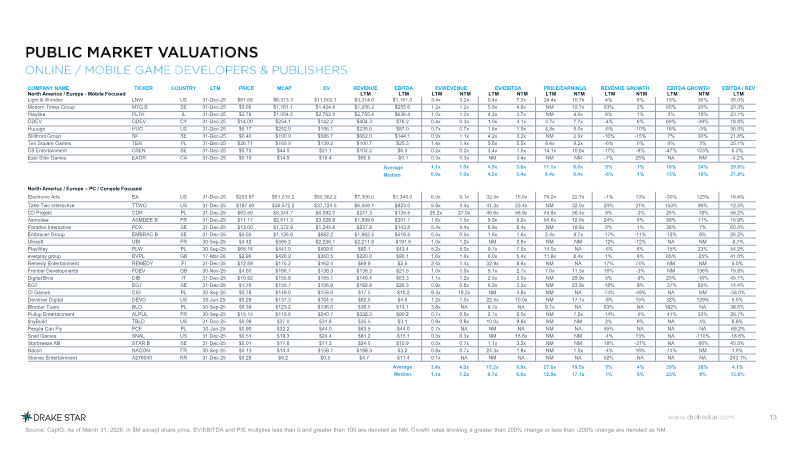
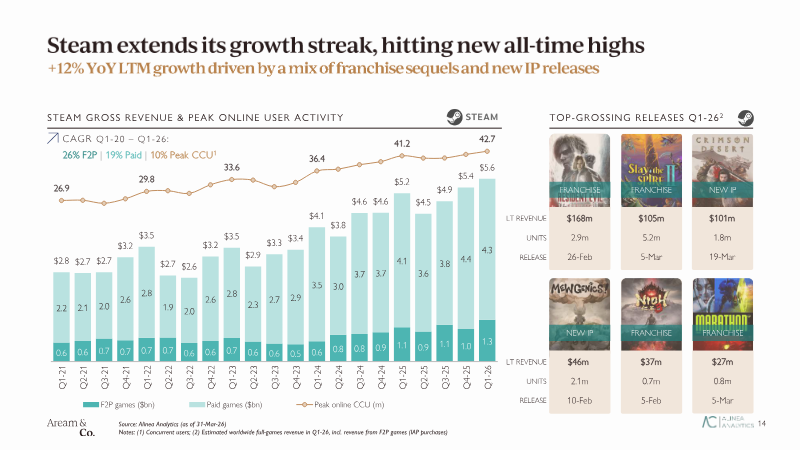
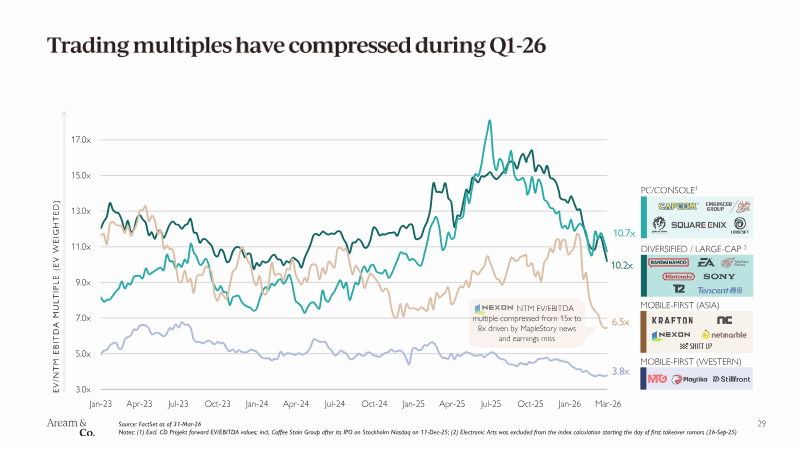



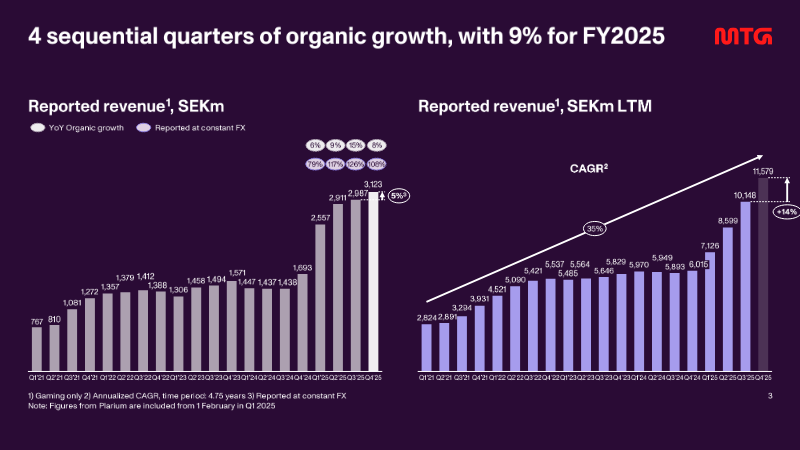
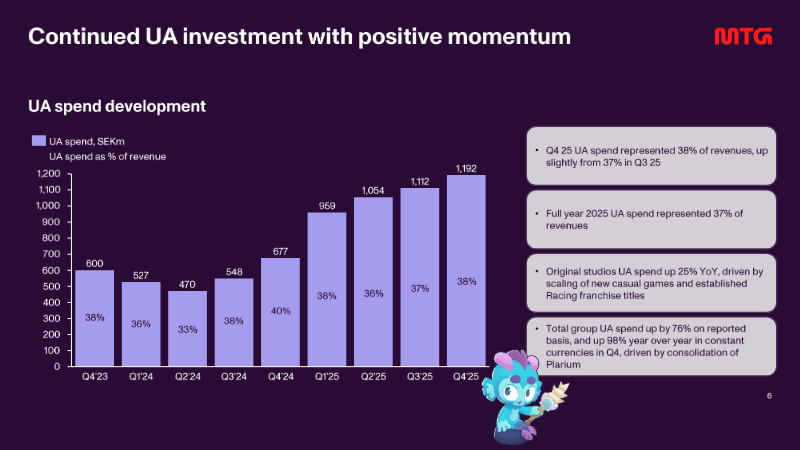

Comments