More from Institute for Social Research
View all
More on Game Studies
View all


Whitepaper
Tworzenie „przestrzeni dyskomfortu” jako narzędzie zarządzania afektywnego: przypadek marki Pokémon
Replay. The Polish Journal of Game Studies · 2026



Whitepaper
Beyond Play: Towards a Non-Gaming-Centric Gaming Research
gamevironments · 2026



Whitepaper
Plateformisation du Jeu Vidéo: Comment Roblox, Fortnite et Minecraft Façonnent le Temps de Jeu
Kinephanos · 2026



Whitepaper
The Pleasure(s) of Griefing: Tracing Multimodal Toxicity in League of Legends
Zurich University of Applied Sciences · 2026
Whitepaper
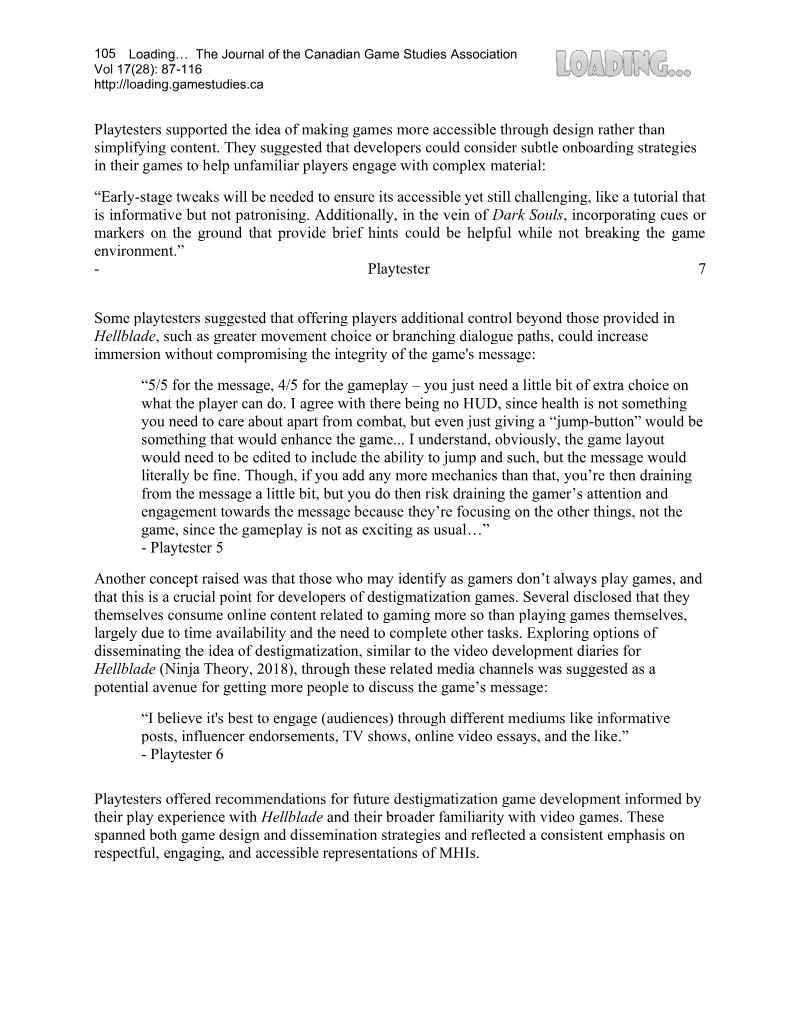
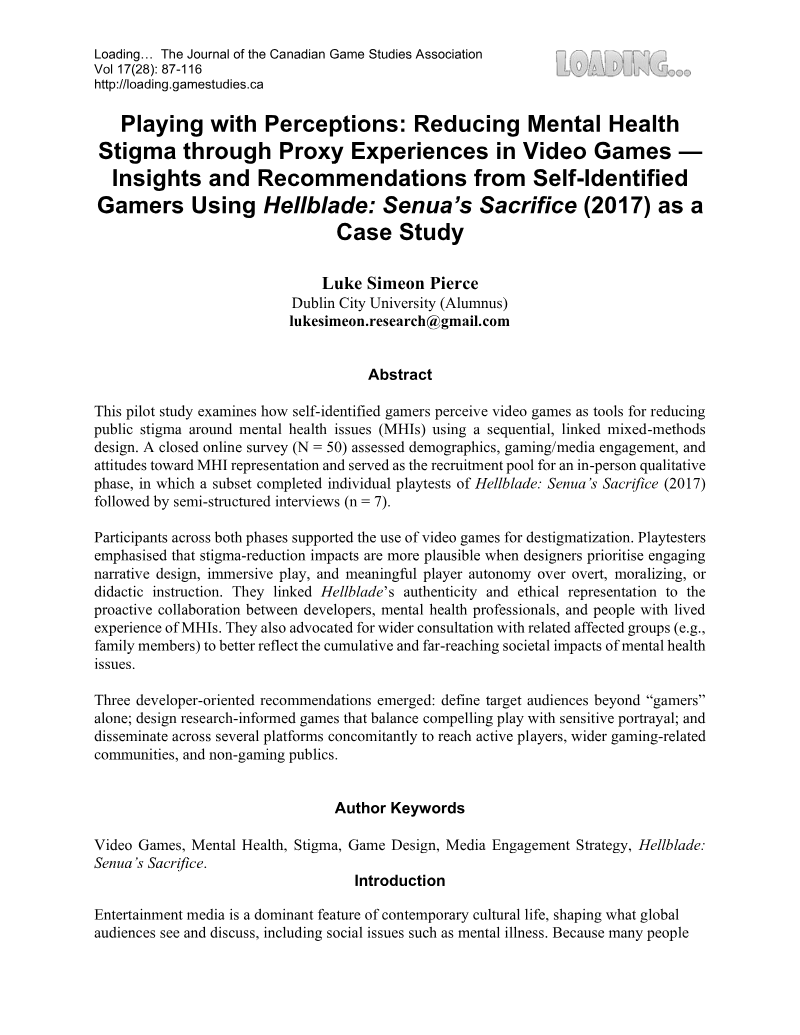
Playing with Perceptions: Reducing Mental Health Stigma through Proxy Experiences
Loading... The Journal of the Canadian Game Studies Association · 2026
Whitepaper
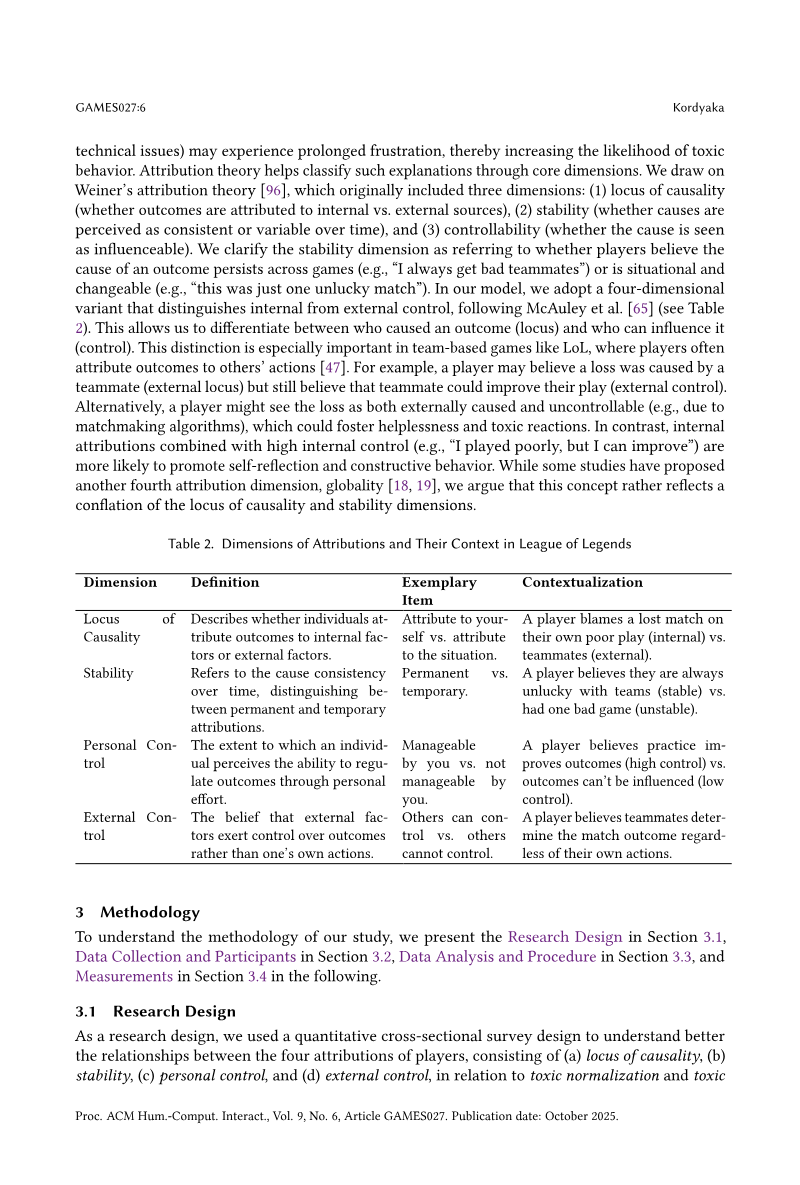
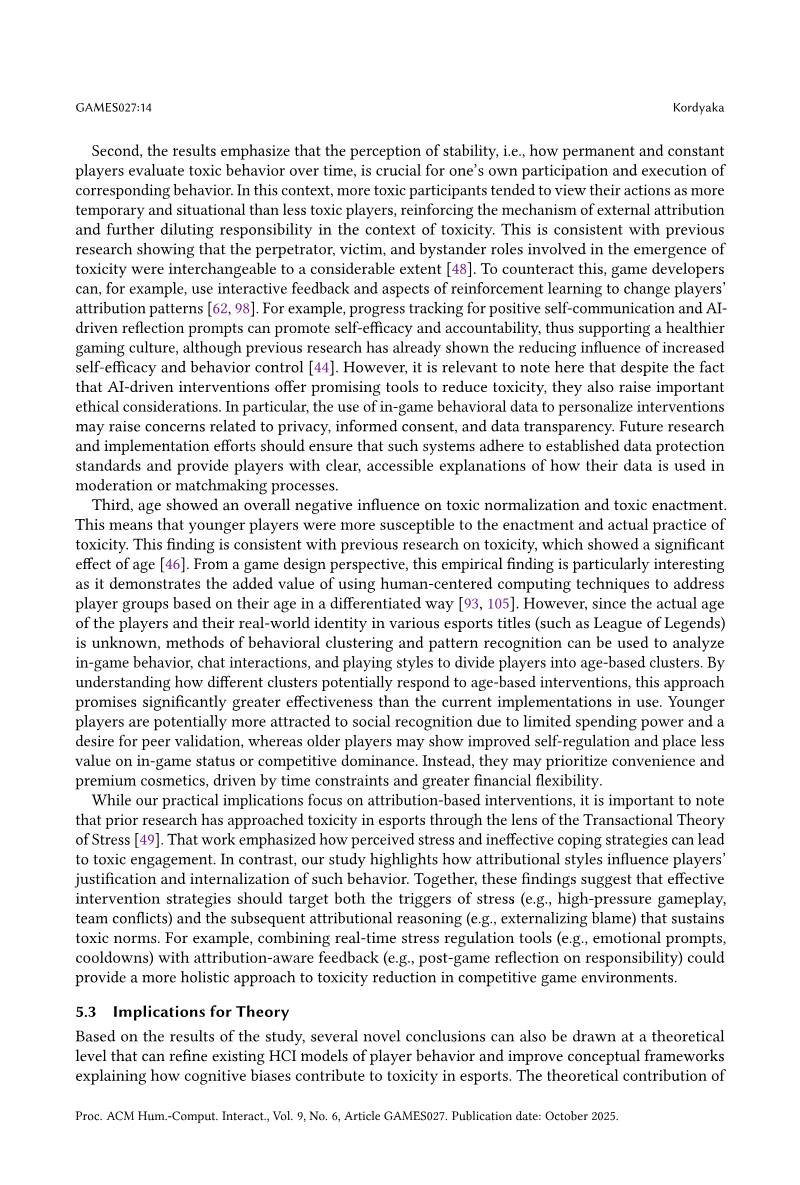
“It’s Not My Fault”: Exploring Attributional Patterns in eSports Player Toxicity
Association for Computing Machinery · 2025
Whitepaper
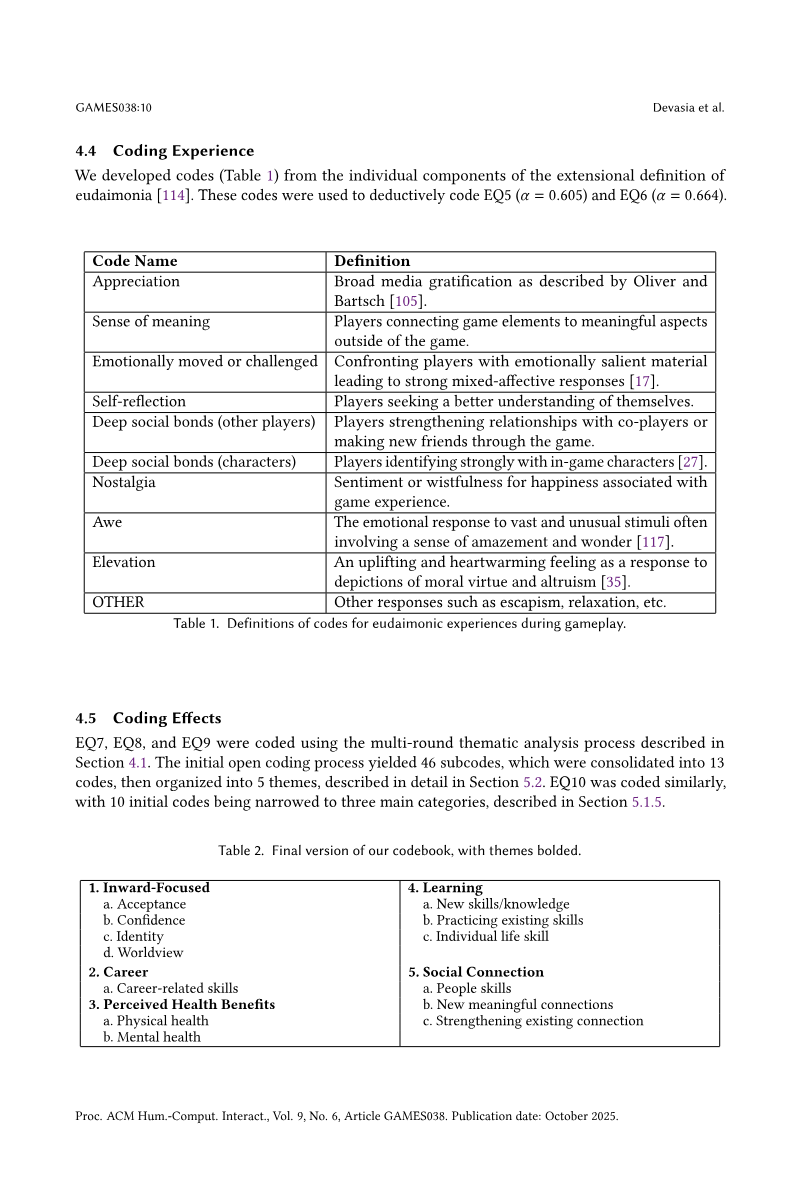
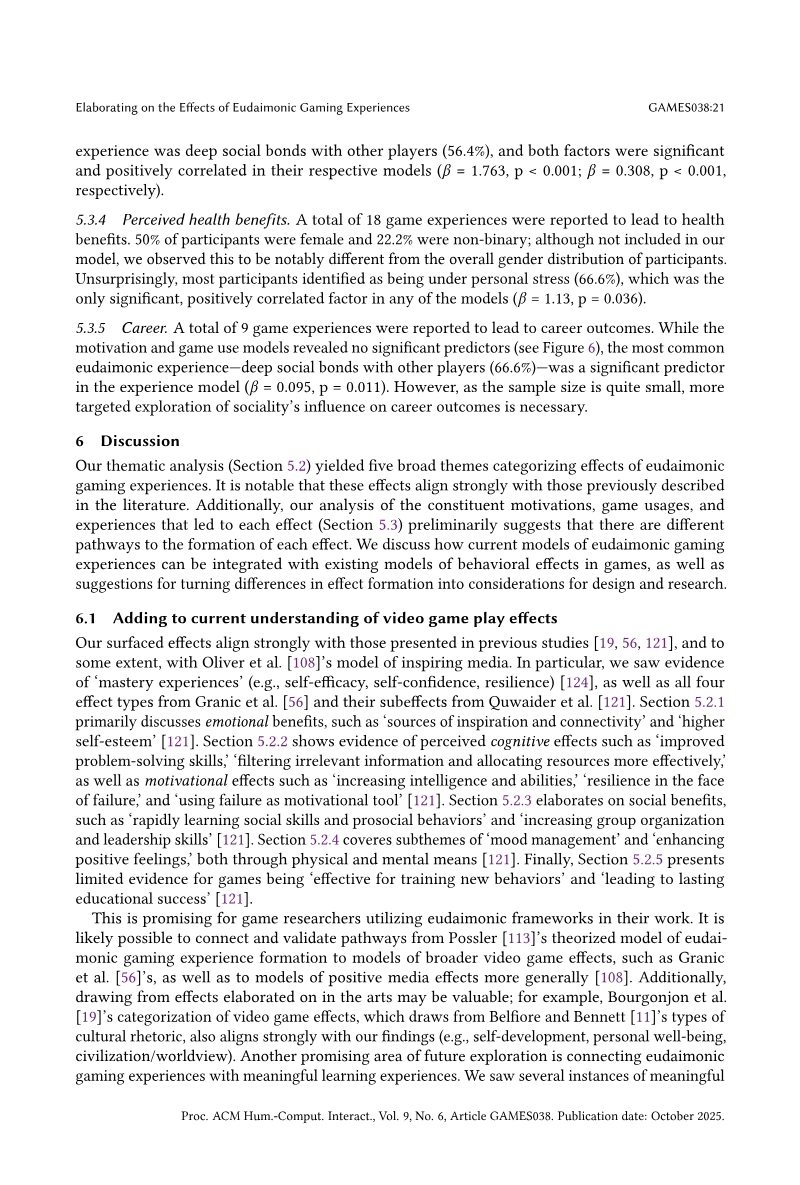
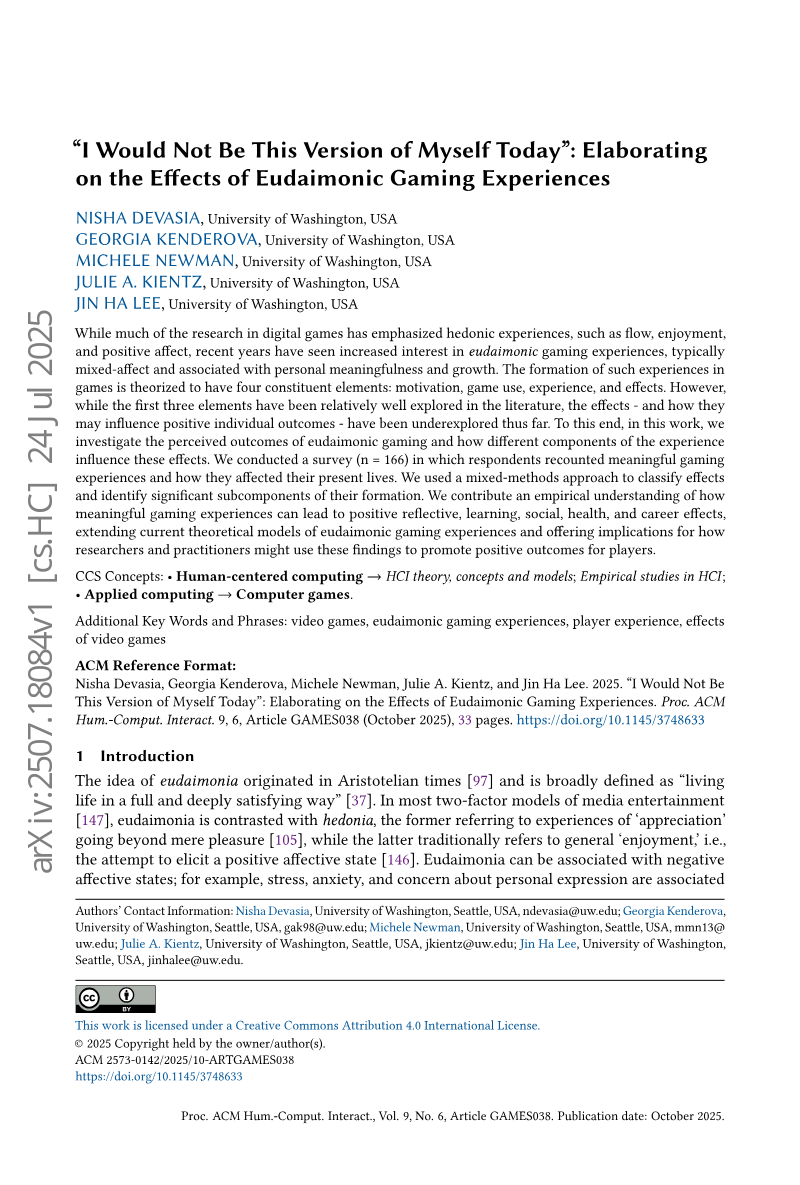
“I Would Not Be This Version of Myself Today”: Elaborating on the Effects of Eudaimonic Gaming Experiences
ACM CHI PLAY · 2025
Whitepaper
A Qualitative Exploration of How Children and Parents Experience and Structure Disengagement from Games
ACM CHI PLAY · 2025
Whitepaper
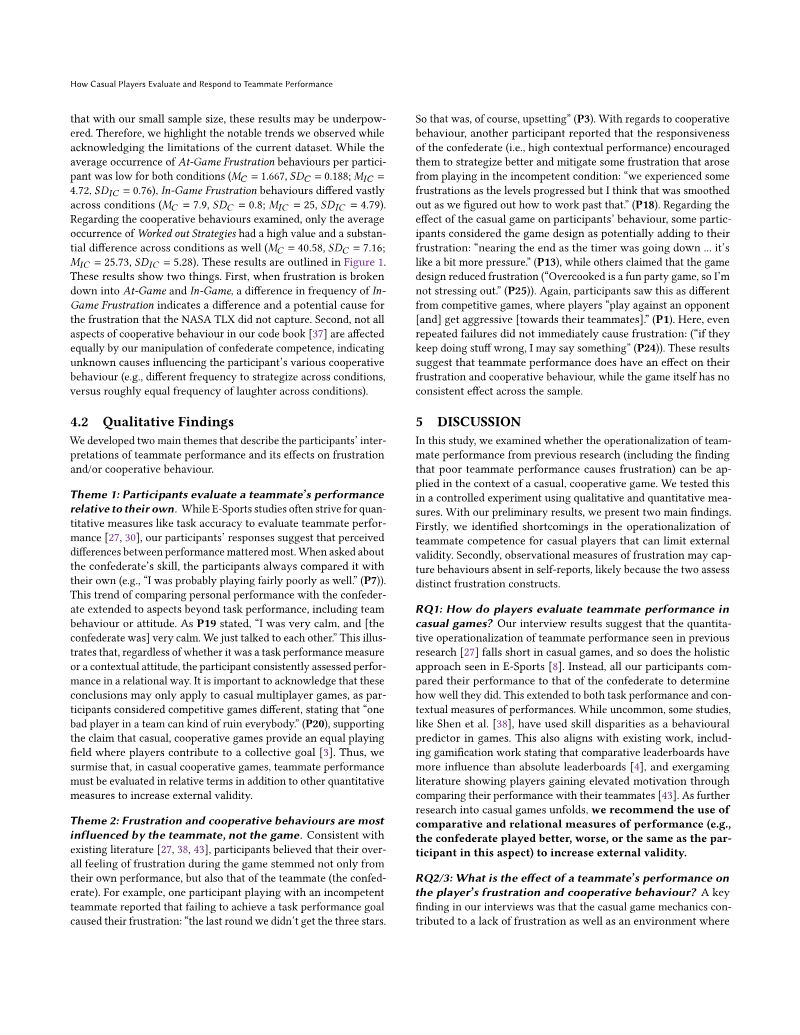
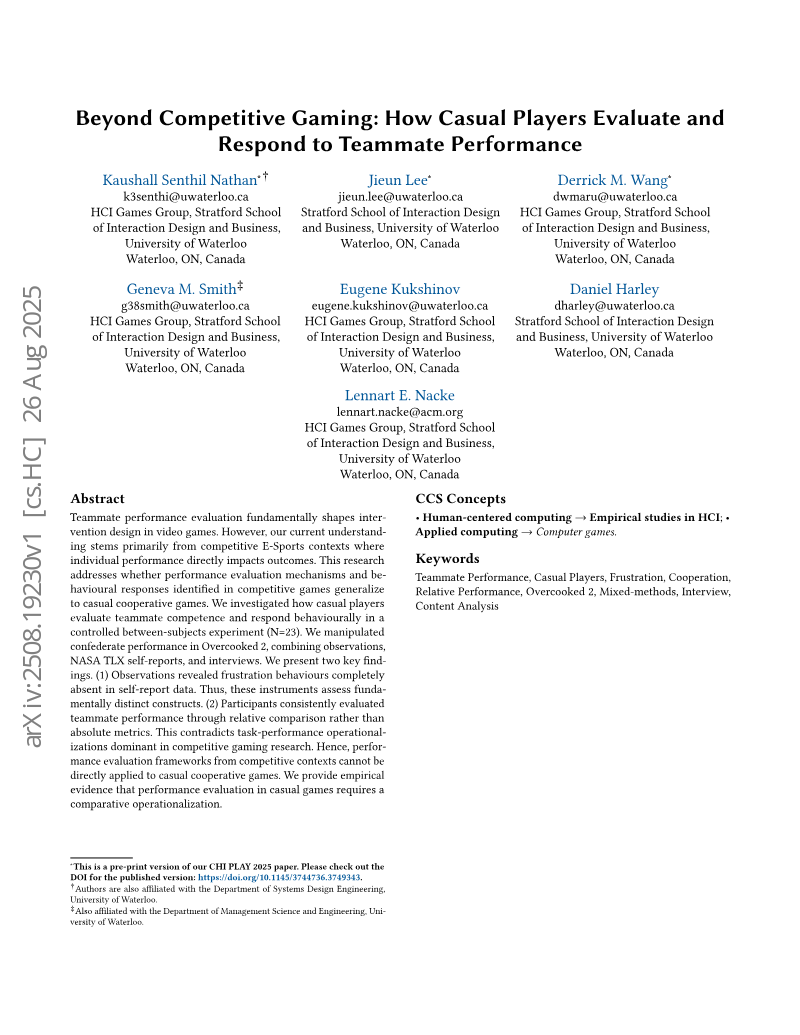
Beyond Competitive Gaming: How Casual Players Evaluate and Respond to Teammate Performance
University of Waterloo · 2025
Whitepaper
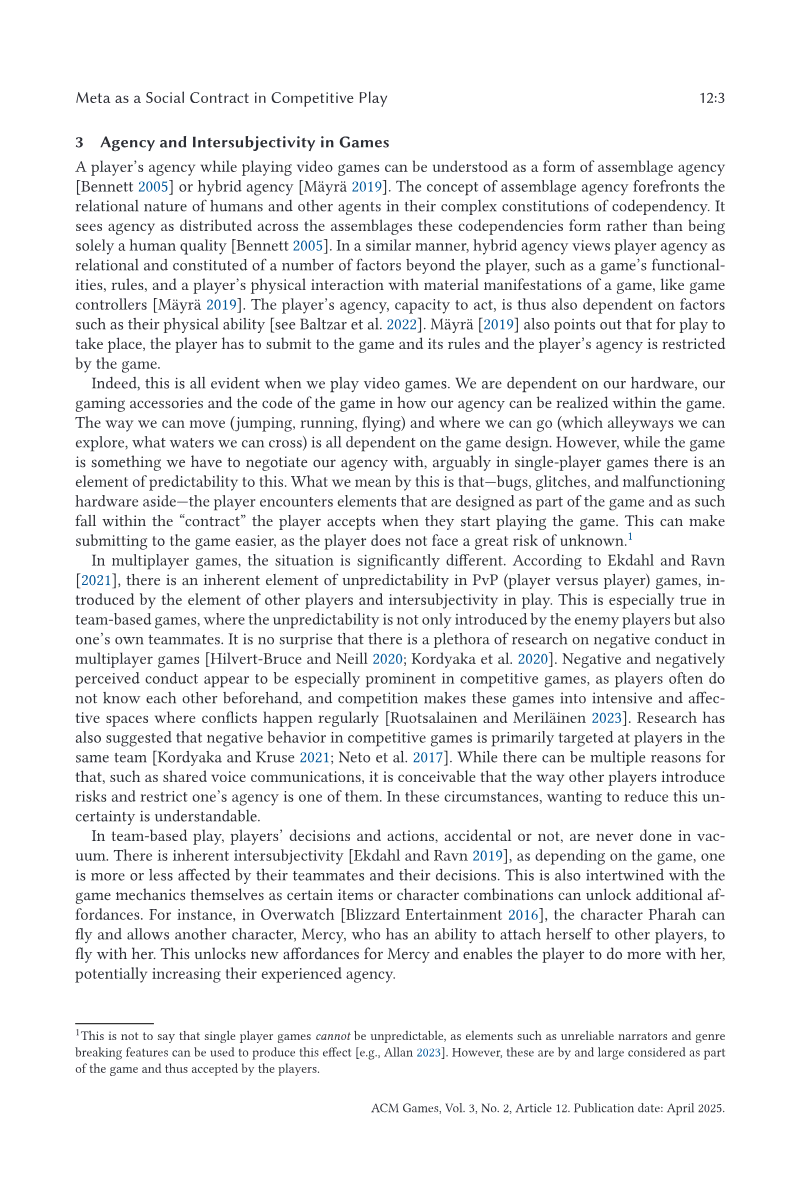
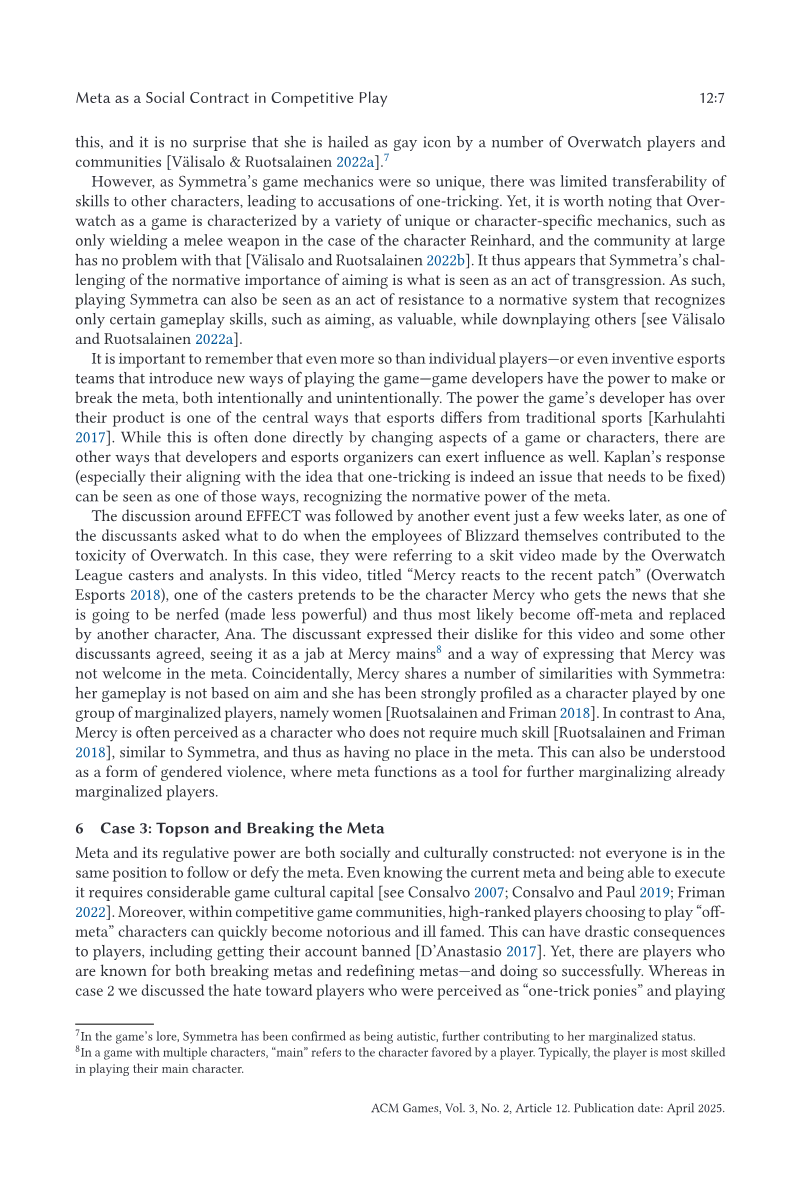
Meta as a Social Contract in Competitive Play
University of Jyväskylä · 2025
Whitepaper
The Market of Identity: A Review on Video Games and Identity Works
Digital Games Research Association · 2024
Whitepaper
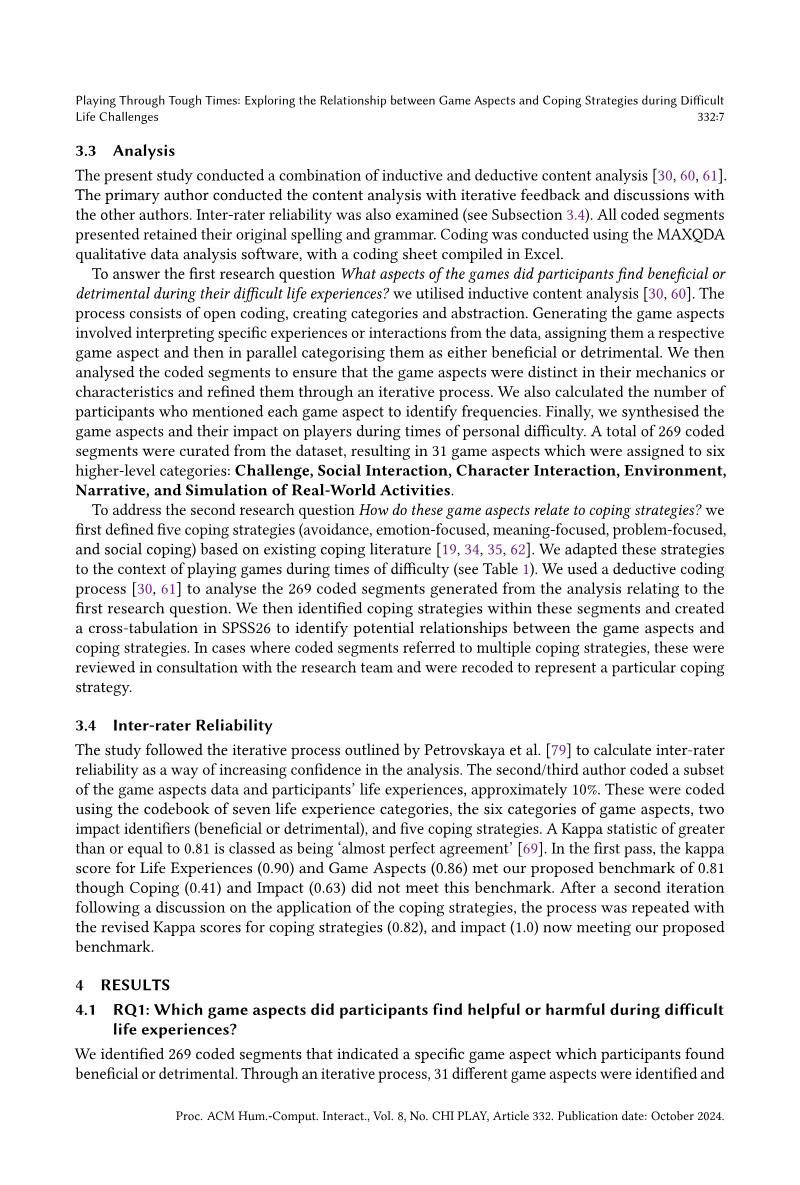
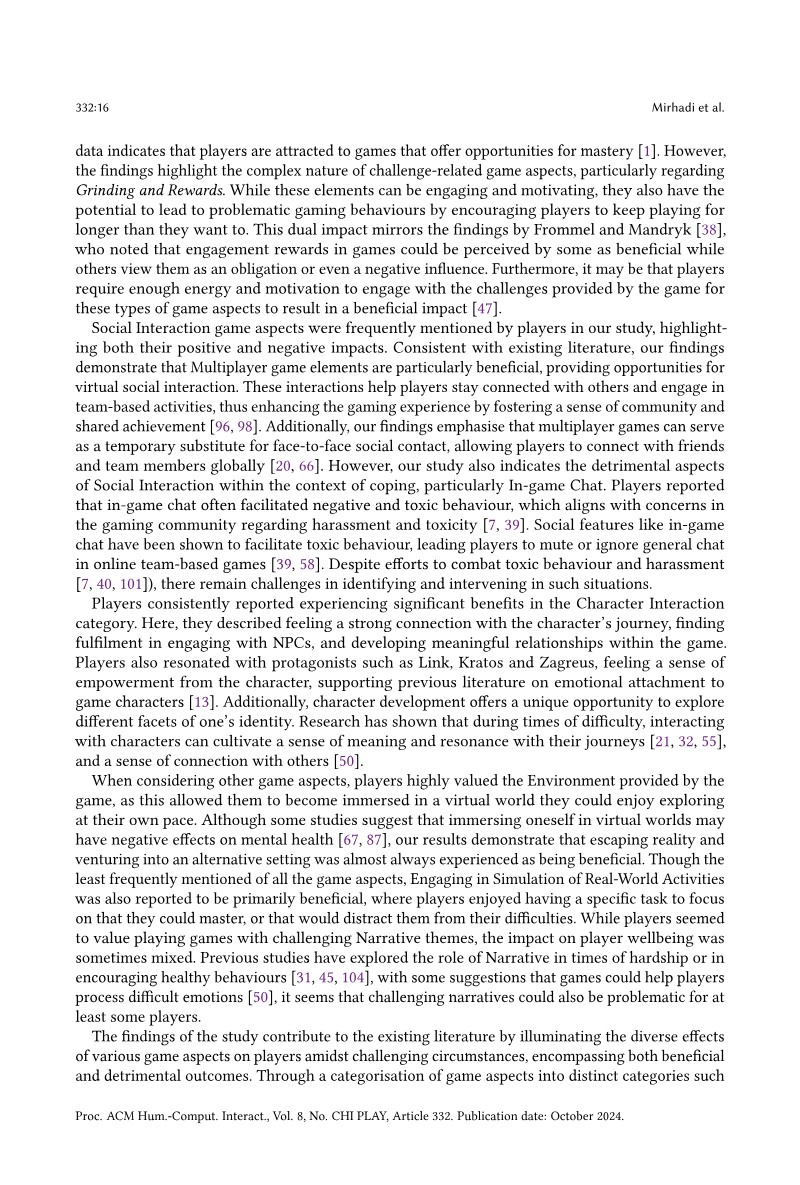
Playing Through Tough Times: Exploring the Relationship between Game Aspects and Coping Strategies
ACM CHI PLAY · 2024