1 free read left. Create a free account for unlimited reading + AI research.
Create free accountWhitepaperCity University of Hong Kong
Structural inequality in mobile strategy games like Whiteout Survival functions as a complex social architecture rather than a static byproduct of monetization. By applying the Broken Ladder framework and Social Comparison Theory, this analysis reveals that player perceptions of fairness are highly fluid and position-dependent. Rather than rejecting systemic power gaps, players frequently undergo a transformation—the "dragon slayer becomes the dragon"—where initial resentment toward inequality shifts to defense of the status quo once they accumulate personal resources, social status, and alliance-based capital.
Legitimacy within these virtual environments is primarily driven by the legibility and predictability of game mechanics rather than the absolute magnitude of power disparities. When systems are transparent, players engage in rational, adaptive negotiation, treating spending as a long-term commitment to maintain their standing within community hierarchies. Conversely, legitimacy collapses when developers engage in information gate-keeping or inconsistent rule enforcement. Social capital, fostered through alliance roles and collective interdependence, acts as a critical buffer that allows players to mitigate the psychological distress of economic disadvantage, transforming competitive frustration into community-driven resilience.
Ultimately, the persistence of these hierarchies is sustained through a socialization process that prioritizes organizational belonging over individual power. Because the system offers diverse pathways for achievement, players often choose to renegotiate their relationship with power rather than exit the game. To improve the governance of such digital ecosystems, developers should prioritize transparency regarding spending and interdependence, facilitate easier server migration, and formally recognize non-combat social labor. By shifting from opaque, rigid structures to more flexible, legible environments, game designers can ensure that player participation remains a rational, informed choice rather than a product of manipulative design.
Each row is a game or company this document names, each column a document, oldest first. A mark means that document names it. Select a row to see those documents.
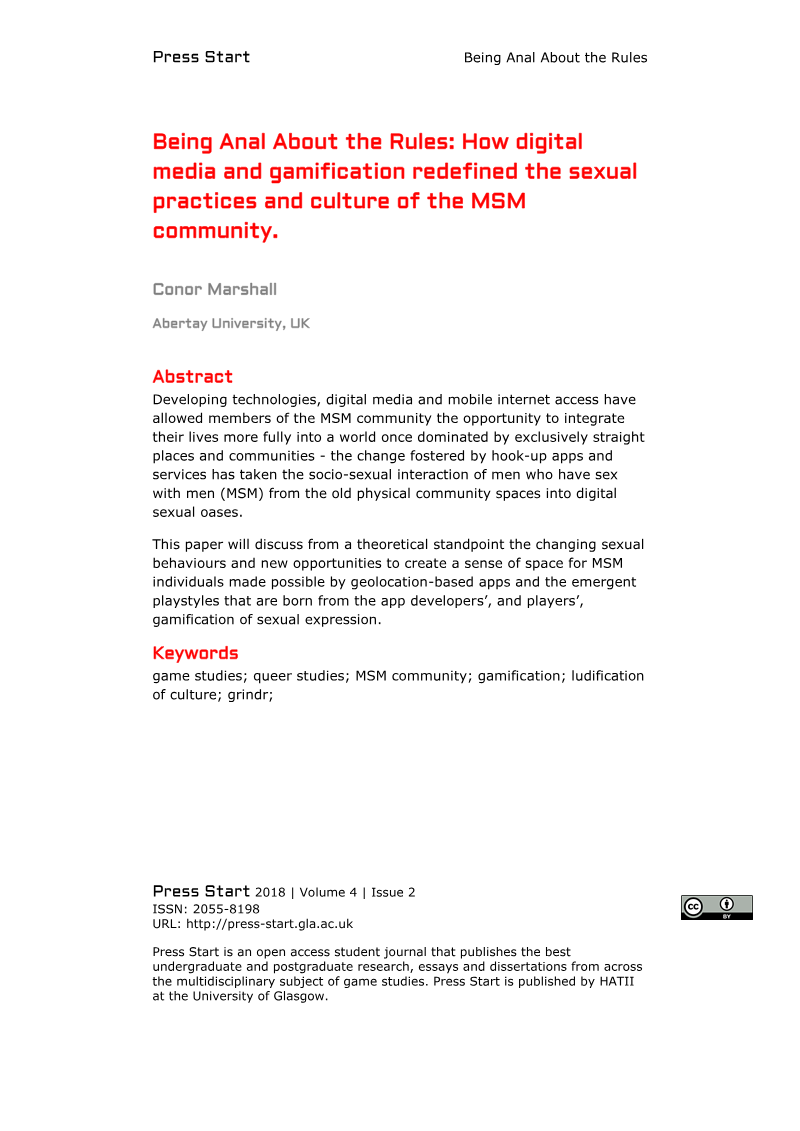
Press Start · 2018