1 free read left. Create a free account for unlimited reading + AI research.
Create free account
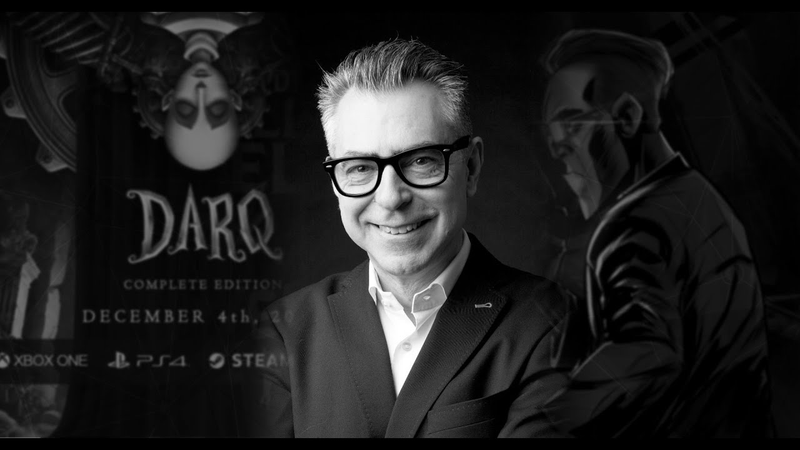
Distributed Work Past, Present, and Future with Scott Millard | Game Dev Unchained Episode 243
Key insights
6 takeaways- 01Remote work environments struggle to replicate the creative synergy and collaborative efficiency of physical offices, leading many industry professionals to seek a return to in-person collaboration.
- 02Distributed work models have successfully expanded talent acquisition beyond geographic constraints, though they introduce significant operational hurdles regarding security for proprietary hardware and development kits.
- 03Developers are cautioned against prioritizing short-term financial advances, which can undermine long-term creative autonomy and overall studio stability.
- 04Commercial success remains difficult to forecast due to a lack of standardized data and the industry's inherent unpredictability, making viral narratives and streaming engagement volatile drivers of performance.
- 05The game industry is shifting toward subscription-based access models, signaling a decline in traditional distribution methods as consumer habits solidify around digital-first media consumption.
- 06Platforms like Roblox and Minecraft are instrumental in cultivating a new generation of consumers, ensuring sustained demand for interactive storytelling and immersive home-based experiences.
Ask AI about this video
Transcript
[Music] what's up everybody welcome to another episode of game dev unchained the number one podcast about game development and the lifestyle thereof i am your host brandon fam and with me a special guest scott oh my god i should have asked how to say your last name lillard as it's written all right perfect i'm usually really bad at that uh so scott uh this is the point of the podcast where i ask our guests such as yourself uh to introduce yourself to the listeners out there who you are where you been where you at and where you're heading okay well brandon thanks very much for having me um uh my name is scott milan as we uh as we've rediscovered but um essentially i'm the managing director of fiademic and uh fierdemik is a publishing label uh engaged in the
sacred business of publishing games and we're an offshoot of um blueber team although we're fairly new um we are an offshoot of blueberry team and people may know bluebar team from layers of fear from uh from the observer from blair witch and uh the up and coming uh game the medium now um i've before coming to the world of independent games i mean i've been in the games industry for a very very long time i got my start at a company called sega which was uh several years later bought by infograms which was then renamed atari and then sold to a namco bandai and by the end of that sort of run of 15 years or so i was the managing director of namco bandai in southeast asia and in korea um i left that and i pursued a consultancy helping other companies such as bethesda set up their distribution uh throughout asia turtle beach um and uh thq and i've come to poland
specifically because poland is kind of like the the development epicenter of the the independent games world or the mainstream games world at the moment i mean there's a lot of fantastic games and content coming here and then pandemic struck so so that's that's where i've been and where i'm at at the moment oh man you have quite the resume uh and uh many years in the industry and this is very interesting the main meat of the topic i do want to talk to you about is distributed work but uh as we have discussed you know we'll go off tangent because you have such a breath of experience in the game industry um ferdemic as you've mentioned and i think i've read somewhere on on your website that you guys are you guys pretty much started at the beginning of this pandemic what i mean was it or was it around there or was the at least the the gem idea was before the pandemic how did that out come to place uh well well the actual the actual honest answer to that is that fear damage is an older company it's been around for some time in fact the endemic was the original blueberry team
um and uh it was called work wh wfh games work for higher games and and that's how blue team got their start basically you know uh working for for other other companies and then um you know another company was created and theodemic sort of sat there dormant for a long time um but yes just before the um pandemic we kind of were finding our legs uh uh and getting organized and and suddenly you know pandemic came along and um you know we were forced to kind of um you know rethink how we did things but you know i suppose i do have to preface the sort of you know uh difficulties that we've had with the fact that you know we've been very very lucky um that you know we work in an industry that's allowed us to continue working um uh so many people have had such a rough time of this um they've lost their jobs they've lost their businesses or um uh or worse or all or lost their loved ones so you know really
i mean um the games industry has been you know very very fortunate to to to be able to sort of um transition into a sort of a a work from home environment but you know so so so that said i mean you know it there has been some some interesting challenges as well as um uh some interesting opportunities that are sort of that that has you know uh that have kind of appeared out of this sort of difficult situation yeah i mean our industry has been kind of resilient um for the very reason that you know we've been mostly digitized um i i think back 2008 the the the housing market crash uh we were somewhat recession proof where i felt like uh developers were still working we were still delivering things on deadlines um and that didn't really hit us as hard as other industries and the same with this in a weird way uh you know i would hear
family and friends losing their jobs and not being able to work or having the transition being so tough where you know the companies had to figure things out and basically uh everyone had to be on furlough and just have to wait around right industry didn't our game industry hasn't really missed a beat um and just continue working um so there seems to be a lot of factors towards that i think you were in the thick of it would you kind of kind of talk about you know transitional of course there were challenges it wasn't it wasn't so easy but like what were the challenges that you guys were facing that the whole world can relate to yeah well i think you know um initially it felt like opportunity so we um uh essentially had to rethink the way that we did things we didn't feel restrained by a physical environment anymore um you know it kind of we were looking for team to build a builder on our team or build on our skill base um in the area of publishing um here in krakow in poland and suddenly
it didn't feel like we needed to hire people in krakow anymore um uh it was like well we could just basically hire them anywhere i mean you know it doesn't really matter whether they're here or whether they're in another another polish city whether they're in germany or or wherever so that was an interesting sort of way of looking at it and we sort of also found that um when it came to porting um you know usually uh you know polish companies find other polish companies to help them with um uh with porting and that you know has been sort of the history of of blooper team and and theodemic early or late you know into the uh the end of last year but we kind of um sort of felt like well we don't really need to and um and a strange thing happened we ended up um finding a company called dreamloop which were in finland and um uh you know we liked them we really liked what they'd done before we really liked what they told us we kind of felt comfortable to take that
gamble working with them and it's been an absolute dream to work with them um they're actually named by the way um it has been fantastic working with them and and interestingly enough i mean you know we we got very lucky and that finland has not been that that badly affected by coronavirus so the team have been able to go to the office every day they've been able to work together um and not really have any delays uh in the whole process so we've been able to sort of get you know meet all our deadlines and um uh and be sort of on track to to release dark complete edition uh on the fourth of december which is just you know fantastic um one one thing that did come up though and everyone um would have no doubt experienced in this throughout the pandemic is that you know in in agreements there's usually um some type of um clause that allows you know for wars or strange events to happen um uh you know then all bets are off so you
know you can sort of uh i think it's like forced madura um and we had different lawyers trying to add pandemic into into this sort of clause okay no no no we cannot um because obviously you know the moment you add that into a contract and you are in a pandemic um you know everything's sort of all bets are off so that was sort of kind of one interesting experience of of you know um signing contracts throughout the pandemic i mean you have to be careful that that's not involved in it because it sort of like completely cancels out your contract um so so so getting back to finland we were extremely lucky that um you know finland didn't experience the um pandemic that that that harshly but the other thing that that came up that we just weren't expecting and um you know for example in the in the porting process of uh any game or dark completed edition what we would normally do is towards the end of the port once we start getting builds and before we put them in for certification we would go to the developer and we
would move the developer to the studio get him to go to the studio and um you know and play through the builds check the builds make sure that they are in line with with um his original version or vision and um and then sign them off before they go off to certification so we got to that stage and it was like oh how are we going to do this um because vlad's in los angeles the porting house is in finland we can't put him on a plane um we asked and he said there's no way i'm going on a plane and fair enough um so you know we we had to sort of think about okay well how do we do this and so um my first reaction was okay can i find some dev kits to borrow or uh in los angeles and i called everyone i could think of and no one had any dev kits um that they were willing to lend me so um my second plan b was to um go and raid the cupboard
and i know that there were some dead kids sitting in the cupboard that have been collecting dust because everyone's moved on to the next gen and i thought okay i'll just put them in a box and send them over and uh a vlad from unfold can check the build and sign it all off um i asked the legal team and i said by the way i'm just going to do this right this is a pandemic right this should be all right and they're like absolutely not these these dead kids are not leaving the building they are we are unable to allow them to leave the building because we would be in breach of our agreement so i'm like oh okay so um i had to go to uh i'll say one platform holder and i said one platform holder this is the dilemma that i'm in and i explained it all i read it all down and there was like three days of silence and and i could tell they were just looking at this going are these guys crazy i mean what do you mean they need a dead gift what do you mean they need to borrow a dead kit and um uh but eventually that it sort of
kind of sunk in and i got a response back that sort of said we have looked at your situation i will lend the lad from unfold games my personal dev kit um i'll i'll do it for you and then i'm like oh man that's fantastic that is like the most amazing thing i've heard and um so uh 24 hours later i get another email and the email is we've looked this company doesn't have an nda with us and i'm like going well of course of course we're we're doing the we're doing the publishing where the poor they're the developer i mean if they had an nda and they had dev kits i mean why would they need us to do the port and they're like okay um so silence for another 24 hours 48 hours and um then they came back and said we've got another idea how about this we're going to set up a special branch for the game you actually send it through certification and we publish it to the store and only he can see it and i'm like oh okay this is this sounds
fantastic so um we go through this whole process and uh of course you know it's never as easy as it seems they want to actually certify the actual build they want to certify the store assets everything just to get this one person to have a look at the game but it eventually we did we were able to set up that but one game in the store that he could see and he was able to download it and test the build and and and uh um you know and thank god that that happened because he was able to sort of see things i mean obviously from his perspective that the porting team had missed and um you know they were able to sort of you know make sure that that certain things were there that weren't there previously so so um so so that was sort of kind of um you know a really a good example of i suppose you know the platform or platform holders who really you know don't know if you're democrat from barbara so other than sort of you know
us talking to them on a daily basis um you know they're going out of their way and really thinking about how can we help these guys so i was super impressed with that um uh not every platform holder has been like that i must admit some of them have been very like you know not interested um you know sort it out for yourself um but uh um but you know some of them one of them has been incredible yeah i mean that's a that's an important point like the the tell end of building a game is one of the challenges i am seeing a lot with uh publishers uh with uh individuals with remote teams um when it comes to hardware that's where where people kind of pause a bit um there is this illusion at the beginning of the epidemic where everybody's like well i just can't keep creating art i've been doing that what's the difference if i do it on my own computer versus the company's computer but like in the
background there was like a i think a month or two uh uh break uh like pumping the brakes for big publishers big companies to be like hey let's hold on let's figure out this infrastructure and where before uh there wasn't an incentive there was interest right a lot of people like can i work from home on fridays thursday there's always that and you know rightfully denied it's like no all right but now that everyone's forced into this situation where they're going to have to adapt big companies are already investing in ways to make things work including dev kits which is a huge piece of important proprietary hardware uh that not every they can't will nearly send everyone one um because it used to be like in a cubicle of five six people or a department they have one dev kit kind of shoot a build over and test it out you know how do you do that remotely so these are the type of challenges i am hearing uh and from your own
experience that people are echoing throughout the industry it's like all right i mean the first part there's an easier solution but this end part actually like testing the game uh where you know there's a lot of trust that has to come with that and security that not a lot of companies before at least were set up to do and now they have to figure it out which is i see like what the challenges are the last couple of months especially um now that everyone has a company hardware to kind of work from or they're doing remote working they're like actually going through vpn and doing remote desktop from their own you know computer desktop that they had at the office right so there's no data saved on a personal computer there's a lot of tricks now that never were considered before that i'm very thankful in hearing that studios are like all right let's set this up let's do this right there's a way we just been avoiding it because we didn't have to before yeah i think you know and again i'm not really you know involved in the development process i'm sort of the
the publishing side but i mean i hear everything but uh so you know there are some roles within the studio with creative art roles that have really worked that have found the um freedom of working from home a positive experience on the other hand there are those that are not enjoying it and um you know those that sort of need the input of everyone else like the the programmers that need to understand who is doing what bit and where you know who's contributing what uh who's rebuilding this today or whatever who's doing that plug-in and is that plug-in working with this this process is kind of slowing down and and you're right to point out that that last uh part of it especially once you get into the ports and you're starting to port all the to all the different platforms um you know it kind of is a collaborative effort you know and and the dev kits have and especially on the console side um and i don't know whether you've noticed but certainly i have um
you know holiday 2020 turned into q1 2021 you know for most games um and it's all because of that last mile and and particularly in console in that porting process um it is extremely difficult and and a lot of the and the the sort of the um uh uh development agreements that you have with the platform holders don't allow you to move these dev kits around as easily as they were as easy as they need to be in this situation and um you know i i you know from my discussions with um the developers that i know i mean they're telling me that they're still i mean they're complaining about this um and and there seems to be nothing no one seems to be prepared to budge to allow to allow those dead kids to start moving around now um now i know just from past experience that yeah i mean people come up and move them around all the time but they do it kind of you know artificially and i mean no one's going to you know yell at bethesda
because they're demoing skyrim on a on a um on a dev kit in a hotel room somewhere to media but um uh you know officially they're sort of saying you know no no you still can't take these dev kits away um even the next generation dev kits um you know i'm hearing you know that there's a lot of restrictions on who can get access to them and who can't so they're certainly not prepared to allow people to sort of you know you know send one to the you know their developers or send one over to their porting house um you know it is very difficult so um so you know that's i i think where the major issues have lied or haven't or have been over the past few months is you know um as everyone sort of moved towards that christmas season and all these games are supposed to be ready it's sort of being well it's just not this is not working the way that it should uh so you know but you know hopefully cyberpunk will be here on the 10th of december we'll all be happy again
yeah uh the i totally agree with you that last part is something i i feel like the industry as a whole is figuring out right now um the beginning part two were was an issue and i think a lot of it from from from talking to experts like yourselves and and having people on the show um it seems to be like a personality trait too for people who are really good at working from home and people who are not um and it seems like uh yeah like you said like people just tend to work better in an environment where they're surrounded by their peers and just the clear division of working in home life uh definitely helps switch that mentality at least uh you know community in the office helps them get into that mode and most people are really struggling with that uh i do want to ask you um a general question just to kind of backtrack you know we kind of throw the terminology distributed work um which has been around for a while the last year and a half especially have
been more popular but for those listeners who don't know what distributed work means can you kind of define that a little bit just to give a general overview of what that is so people can can can follow along well essentially at the end of the day it is dicing slicing and dicing the um the overall work jobs and distributing them to people in remote locations um now um you know you know i will say the one thing that is pretty interesting here because we deal with a lot of independent developers and certainly when this pandemic started a lot of them said to me you know ask there's no problems for us because we this what we do all the time right we i i've been working time working from home for years developing uh doing consulting or doing you know building games and you know all my team works remotely so this is not a problem but what the problem has been is that everyone's home too it's not just you
anymore sitting in your your home office you've got kids on zoom you've got you know uh uh you know trying to organize them trying to organize their classes and you know you can't go out for a walk or blow off steam in a restaurant at night or go to the pub all that stuff is off you are literally now a captive in your home and uh with with the rest of your family so that kind of has been a real a challenge for a lot of people who have uh you know had to sort of transition from being out from working from home to working with family at home um so but but but generally i mean the games industry has been pretty good at distributed work because i mean a lot of the time um uh you know there's always a lot of outsourcing that's happening but um within those teams of outsourcing i mean you know again i mean you pointed you hit the nail on the head some people are good at it uh are good at working um with themselves on their own clock and some people just aren't for you know
various different reasons um but um uh you know but at the end of the day i mean everyone's sort of kind of you know living and learning through this it's what's going to be really interesting is whether we choose to go back to what we were doing before um and uh you know and i think um you know a country like where i meant in at the moment poland um it's not as sort of um open to uh work from home as say the us is or or other countries are it's still very much a place where we'll certainly before the pandemic where people would go to the office people would go to the studio and everyone will work together um as a sort of as a sort of a group or a unit um so so it's going to be really interesting to see whether people go back to go back to that um but you know getting back to your point i mean as far as distributed work goes um you know the the games industry or the software industry in general is pretty good at that um
you know because we've been doing it for a very long long time but um you know i i think i mean there's a real difference to how we distributed work previously to how we distribute work now because you know again because there's so many other things that that are happening in people's homes uh other than just work yeah and um all these different factors that are kind of pushing people to head back to work right like i want i need i need to get get away from my family that's my my break and you know some people use that as an excuse but uh kind of to use that as a jumping off point like you know there's a couple of vaccines already in the works it's probably going to be six months till you know first first public people are able to access it and and it takes even longer than that for people to to fully adapt to where everyone's taking where it takes effect right um you know what what kind of conversations are you hearing through friends and network yourself your company uh to provide us a
little more insight of what is life after the pandemic is it going to be a hybrid approach is it going to be mostly distributed and remote like what kind of conversations are you hearing to kind of relate to the listeners out there uh you know really i mean just just my team and just our internal arrangement everyone wants to get back to the office so um you know i think we all kind of miss that sort of uh uh collaborative uh collaborative sort of effort of being able to walk down to the uh walk down to finance and sort something out or or go over to you know 2d yard or go to qa department and get some advice on a problem i mean we all really miss that i mean especially i mean um uh i i can just i can definitely certainly speak to um the examples in game publishing i mean we are uh uh basically charged with with marketing and sales and and that process it really is
a collaborative process it really is a sort of like you know to understand what the marketing team's doing what the programmatic team's doing and be able to sort of meet on a daily sort of basis and and and um uh really toss around some ideas it just is not the same on zoom i suppose it was okay for for you know the first couple of months but you know after uh you know after nine months now it's getting really tired uh and we're really really struggling to sort of you know um keep up keep up the sort of you know the pace and the enthusiasm uh on a day-to-day basis so and that's just internally so we're dying to get back in the office and talk to each other again externally the other thing that we we are doing we are doing on a day-to-day basis is we're looking for games to publish and you know before pandemic we would be at games connection we would be um at e3 we'd be at gamescom we'd be all these places talking to people finding out what they're doing what new games are coming um you know uh scouring the floor for
for you know independent games and we can't do that now so we're kind of like basically you know every day surfing the internet and sending blind emails to people um you know asking for them you know hey you you looking for a publisher um and and so i think you know from that respect it's kind of difficult as well and i think as soon as this pandemic is over as soon as we um can get back on a plane again i think this industry is going to be running out the door running to an airport and running to a show near you um to get out again and and meet like-minded people and look for for new games to to to publish um so uh so so i think you know there's two two sides of it there we all want to get back to the office and we all want to get back to um you know uh e3 next year or gamescom or however soon soon we can get somewhere else this is to kind of um kind of use that to talk about the next thing uh you're
mentioning you know indie game publishing what are the differences are you seeing besides uh of course going to these conventions to kind of meet these potential indie developers to publish uh what other differences are you seeing right now because i think the common misconception there's one side where there's so many games that are always out so there's always a fear i think for game developers to be like you know can i offer something new can is it viable is it something that i can get published uh to to some when i talk to publishers you you know like yourself you're always talking about we're looking for more indie games to publish there's not a shortage of indie games too published at least good games right uh would you kind of like give us a clear picture of why why is there such a discrepancy uh from game developers themselves feeling a certain way and then to actual people with the money wanting to publish these type of games well the simple answer to that is the people with the money want to publish fortnite
there's only one fortnight right um so uh yeah look that's a really interesting question and you know it kind of it's almost like you know you hear it all the time i mean you know i'm you know trying to fill these positions in my office you know you know we're a famous company and yet i can't find anyone to fill these roles and you're going to talk to people who talk to some of the kids that have no jobs and they're saying well we can't find a job and there seems to be there's always this this mismatch and i think you know there's a lot of games out there um but as a publisher you're kind of looking for the one the one that sort of kind of that you can that fits with your company um thesis and that uh has the potential to cut through because i mean there's so many games out there i mean the barrier to entry now um to creating games it has sort of kind of dropped all the tools are available um uh uh you know
you can download a copy of unity and off you go and you can you can create a pc game so there's no shortage of games going and being released but what um you know the the the the the trick is finding the one that has something unique about it that is going to be able to get people interested and engage an audience um uh that's kind of the the trick and you know anyone that tells you what they know what that recipe is um is a liar because you know in all the years that i've been in the in the games business um you know i've never met anyone that can pick a winner all the time um you know sometimes you can pick a winner but uh you know it is very very difficult um you know uh um there's there's a lot of games out there at the moment that have not been able to find an audience that if they did find an audience you know that they could have been a lot bigger than they were um but um you know it's tough i mean i've
got dozens and dozens of stories about you know games that came across my desk that you know just didn't look that impressive and you know no one really wanted it they turned out to be absolute you know enormous games so um you know it's very very hard to tell but you're always looking for there's something special and you don't know what that something special is and it's really hard to recognize um and uh sometimes you've got to be lucky and sometimes you are lucky and sometimes you get something without even knowing that it's that it's special but then when you've got it even turns into something special so uh it's it's a great industry that's what makes it so exciting but um one of the one of the things that that everyone um india indie games publishers always oh developers are always asking me sort of like you know why do i need a publisher for um why do why do i need you and it's sort of like well um you don't you can publish your own game quite easily but um you know at the end of the day uh because we are engaged in the process of sales and
marketing and have been for many many years we're probably better than you um the same way that you know you're probably better at developing a game than i am because i have no idea how to use unity um but um and and that at the end of the day is it it's very hard to be good at everything you can either be good at developing games and organizing your team of developers or you can be good at packaging them up and uh bringing them to market you it's very very difficult to be both what what percentage would you say uh when when coming across something special is attributed to the content or the team uh is there a formula there that sometimes usually works for you or is it purely about i don't you guys can be faceless developers let me see the end result or is it vice versa i think how much of that is a combination of the two yeah you know um i think
the answer to that kind of is lies in the fact that people buy studios all the time and they buy studios because of the experience that that team has rather than putting together one of their own um i think if you look at any studio that's had a um a big hit or a successful game and you have a look what they've done already you will find that that successful game is not their first it's there's been quite a few beforehand um that they've done that have allowed them to find a rhythm to understand each other and really sort of get inside each other's heads and know how to how to work together to deliver something that's got some sort of spark and um you know one of one of the things about blooper team is a good example of that i mean layers of fear was kind of um like sort of seemed to come out of nowhere but bloomer team had been doing work for hire before that and they had another game before that
um so very rarely do you find a game that's someone's first game that's been successful um uh there is of course examples of that dark complete edition or dark darq um this is a game we're publishing that um was vlad's first game this is first foray into actually development and he did everything himself um and um it's been one of the the the most successful indie games of the last 12 months so um um there's always exceptions to the rule and that's what makes this business so exciting but generally speaking it's the chances of a team a small team or a a large team you know having a hit game their first game is you know very very uh is very small what kind of uh cautionary tales that you can relay just from experience just from how you've seen you know there was a spark and then
didn't it didn't come to fruition or or vice versa it wasn't you didn't think much of it but then it became a huge success like how much of that uh can you uh help formulate with these these developers um that that eventually became something um yeah well i i think the the classic story that i have um is um uh i think well the most well known story is um that of of the witcher right um i mentioned earlier i was with atari and if you would have bought the first witcher on pc you would have seen the atari logo in the the bottom left-hand corner now they came to atari because they'd been everywhere else and atari was their last port of call and nobody else wanted that game and you know if you can imagine um the the market around that time world of warcraft had just come out and everyone had gone ah ev that's it you know it's all about
multiplayer who no one's going to want to play a single game ever again and so you know cd projekt come knocking on everyone's door with this single player game and that was you know based on a book written by an author that outside of poland no one really knew um and also it was kind of their first game as well so the chances of it being successful were i mean the odds were stacked against it um and uh and the way the deal was struck it was you know reflected that um and i remember meeting them meeting those guys in in leipzig the first time and we were kind of like oh yeah right um okay we'll do our best um and you know i remember going home and the stock arrived in asia and um you know and i'd been very very conservative because i didn't want to have a warehouse full of full of games um and literally it was all gone on the first day and i'm sitting there scratching my head oh my god and you know my sales guy at the time he's like you know man i've just read the book the book is fantastic this is
amazing um and uh and it kind of started that way so um you know i don't think you know within atari at that particular point in time there was no expectation that the witcher was going to be a huge hit um it was an interesting game um and um but it was single play in a time where everyone thought that multiplayer was the way um so so that sort of kind of turned out to be a sort of a a good story um uh just staying with the triple a's and uh uh you know another one was was rage the first time i saw rage i thought that was going to be a huge hit it looked like the most fantastic thing ever i mean it was id's first new ip in a long long time and um and uh you know what i saw of it the gameplay was just really great the graphics were fantastic i mean you know for its time it looked great but it came out and it was a disaster um i had pallets and pallets and pallets
of stock all over all over asia and i was just stuck with it um so that was that that was a you know almost the opposite of the witcher um so uh but luckily skyrim came shortly thereafter um so uh um so so yeah it is he's really really hard i mean another more recently i mean you know i've been speaking to indie developers they're they're talking about okay well how do i fund my game projects um you know should i get a publisher to give me money and i keep on saying to them the publisher giving you an advance against sales is probably the last thing that you want to do um that's absolutely the last option because it there's a couple of things that happen here it it means that you know the revenue that you get from the game is kicked way down the road um until that debt is paid off um so you know you can be six seven months without revenue after you drop the game
and you know because you've already been paid the money um and uh and that's when you really need the money anyway as you're sort of starting a new project but and the other thing that can happen uh as well is if you accept money from a publisher uh in an advance your relationship can change as well um and uh you know in my experience i've seen this happen before where the relationship goes from um you know the publisher sort of developer relationship to almost like client and customer and or this customer client relationship where it's like hang on you know um you know because the publisher is the one paying all the salaries and delivering the delivering the uh money every month um you know the developer sort of finds itself um completely enslaved to the project and anything the developers the publisher says they're implementing it you know so they lose control of that um the whole process and it's not no longer theirs anymore um it's no longer their dream they're
not making their dream they're making what the publisher you know tells them that they should make so that they can achieve the milestone and get paid um so look it's kind of complicated um you know and and get back to your original point i mean you know finding that magic spark my god it is really really difficult um and i suppose that's why we celebrate them so much when when you know a game comes out that is really special or magical we we we rave about it because you know everyone knows how hard it is for all those things to come together and for that spark to be there well so what what is the ideal relationship between a publisher and a creative um if there ever is one well finally enough i mean you know if you look at the big publishers and the studios that they work with a lot of the studios are owned by them you know so what once i mean and and you know if a a studio and the publisher are all owned
by the same people and all have the same bosses um it's it's much easier for them to align their interests when they all have separate owners and separate shareholders and it it it takes a little bit of a dance to get everyone on the same page um and and and that's kind of that's kind of the challenge i mean um uh yeah i mean again it's a difficult one because there's no real um magic formula here i mean if there was a magic formula ea would have worked it out and um they'd be the only game publisher on the planet but there there isn't a formula luckily or thank god um and it allows for you know these you know unlimited combinations of things to come together but i mean i think my advice all uh independent developers is just be be very careful about um how you you sort of what your short term plans are as
opposed as opposed to your long term plans and always you know have one eye on the long term and one eye on the short short term obviously next month you've got to pay wages but uh obviously you know the other on the other hand uh in two or three years you still need to have control of that company and um uh it's it's it's a big balancing act and i mean i think um it's okay when there's sort of one person two three people it's much more manageable and but when i see um people getting really sort of uh uh finding themselves in difficult positions when their studios hits that magic number of about 30 or 40 people it starts getting really hard to sort of to to manage as an independent as an independent unit but um and a lot of developers you know who get to that size sort of kind of come to the conclusion that uh maybe i should publish my own games as well and that way i can sort of you know um manage the the cash flow a little more but then you know there's the other hand of bringing the expertise on to cover that
part of it um and and developing that side of the business which is a very very different type of business than you know developing a game uh one of the one of the things that you were mentioning before how um you know the dangers of chasing trends right especially for a publisher or uh how chasing trends can lead to uh to to having developers on the other side making surprise hits right just just doing the unexpected doing something different uh one of the biggest topics that have been going through at least this podcast but into the game dev community is the whole streaming thing right streaming to me i've always been um not sure about because it's very much a part of game development but not a part of game developers control right it is you know especially for indie games where i feel like it's still a very contained experience
uh and in most cases you can't make it red dead right so you can't experience what what streaming streaming ability of a game usually has success in which is replayability multiplayer all this stuff yeah another point you were talking about how multiplayer was a trend before every game had to have a multiplayer and we you know we would have games like spider-man god of war a bunch of indie games that don't follow that formula and came success uh so what i'm asking you is like i would love to kind of hear your thoughts about you know the last couple of months especially uh the streaming community uh game developer community have been talking about you know what what is this model because now that twitch facebook youtube all these huge platforms uh talk you know directly to streamers but game developers are kind of left out of that talk which is very odd uh i think the last biggest thing was the whole dmc thing with twitch taking taking videos down that had music but
you know for some reason eight hours of gameplay isn't a part of that factor which is kind of weird too um and i feel free to to kind of dodge i know this is a touchy subject but being an indie game publisher i would love to kind of hear your thoughts about that that whole whole side of game developers that gets weird when people start talking about it yeah look i i think you know one of the things you mentioned about that is developing for particular trends and um you know the development cycles are so long i mean even even short development cycles uh from from scratches like three years or you know two years is just like you know a sprint um but even what is popular now what is trending and happening now is not necessarily going to be popular in two or three years that is the hard thing and if you try and um uh you know make what's popular today i can almost guarantee you that in three years um people would have moved on um uh
you know it so so like i i kind of you know and again it goes back to that as a publisher what are you looking for in the game you're just looking for something different something magical that you know maybe no one else has spotted um simply because um you know it's it's very hard to sort of predict what the future is i mean the closest way of predicting the future is trying to find young people and looking at what they're doing today um you know and i think you know i suppose fortnight roblox minecraft are really you know big examples of um you know what sort of 10 12 year old kids doing because those kids are um you know essentially being trained in mechanics that they will be looking for in four or five years or will take for granted in four or five years when they're sort of looking for more adult gaming experiences um and uh so so i mean you know if you're going to try and predict the future you can um
i suppose start with you know your future customers what are they doing now what are they interested in now how are they consuming content now what are their expectations going to be uh in you know four years five years when you've defeated you know finished building your masterpiece um uh so so that's one part of it moving on to the streaming part of things so yeah that's a that's a really you know bizarre one because i i understand how entertaining uh hang on sorry sorry yeah guys please thanks sorry again kids at home no worries the whole the whole streaming uh thing is really really amazing i mean i understand how um you know entertaining it is to watch people playing games um but from a developer's point of view you don't make any stream revenue from that but um you know on the other hand what else do we do because you know
traditional media traditional gaming media is almost being rendered irrelevant um so um you know i really you know streaming streamers people talking about your game uh everyone's the media now um it's really hard to manage um but it but it is part and parcel of the you know the environment that we work with um so you you need as many people playing your game or streaming your game as possible but it's not always easier or you know possible to sort of manipulate that i mean you know i think we've all tried it we've all tried you know paying streamers we've all tried um you know uh giving out tons of free keys but you know if it doesn't work it doesn't work it's it's it's i think for it to work it just needs to be genuine and it just needs to sort of you know come from a place um of passion and you know just have that magical ingredient be the right pla right thing at the right particular point in time
and it will work on its own um you know so again i mean i i wish i had the recipe and i could just share oh yeah this is what you do you do this you do that you do this you talk to this guy and you get this guy to stream it and you're gonna have a hit but it ain't that easy it really isn't it's it's a whole combination of lots of things um and um you know and streamers are now a big part of it youtubers um and and it's also oddly enough and it's the negative as well you sometimes got to um uh i suppose um caught the negative um because the negative is as useful to you as the positive if you know if you know what i mean because you know positive positive having someone say look it's a really nice game it's a great game it's a beautiful game it's a pretty game um it's not going to travel if someone says if someone says it's the most offensive
damn thing that i've ever seen in my life i was absolutely shocked and appalled that will travel so you know it it throws up some interesting dilemma for marketers because it's sort of like well how do you control you need the negative but how do you control it um the positive is great but it doesn't help you um um you know so it's kind of um you know uh a a difficult one um yeah again i mean it's i i wish i had the answer to do it but um you know i'll give you a good example of um something that is courted negatively or perceived as an evident negatively but it's worked really well i mean going back to a game that we're releasing soon on playstation and xbox dark now people know dark the first time people heard of dark was an incident that happened with epic game store um that epic wanted to capture
to take the game and wouldn't take it unless it was exclusive and the developer said no no i'm not going to do that and then wrote a blog on reddit about um uh why he chose not to go down that path and um there became like a secondary sort of conversation it's like ah the big guy always putting you know pushing the the little guy and throwing their weight around and that kind of angle allowed it to develop this life of its own and it became this amazingly viral viral story and as a result people were streaming the game people were youtubing the game i mean that sort of um independent media was or that that sort of media of one was you know taking on a life of its own and the game was was building um and then um there was another article uh that the developer wrote on the amount of publishers that actually came to them and the sort of kind of game pictures that they were getting
about you know you'll never succeed without us you know you will need to give us your ip um all these types of things um and again i think a lot of people sort of identified or resonated with that sort of story and because it was kind of to some degree a a little bit negative it traveled a lot more more so than uh if it was just the simple like you know hey this game is really really great this game is fantastic um so it's it's a delicate delicate topic and um you know it's it's really difficult to find a balance i mean sometimes it can go uh it can go wrong um when you know uh and and i i suppose the the the best example the the i suppose the most punishing example for me um personally was um sky was sort of um elder scrolls online um that was kind of the first time that i really sort of felt the sting
of youtube and streamers i mean um it i know it's going back a fair way now a few years now but um when that came out if you cast your mind back i mean it was absolutely torn apart people you know um basically basically approached that as a sport and uh tearing it apart and that was really the first time that i'd come across it and unfortunately i had several several thousand copies of it more than several thousand copies of it um at that particular point sitting on pallets that that you know just could not could not be sold just because of that um so yeah it it it is a really a really difficult sort of um uh i suppose um track path to tread but you know it is part and parcel of you know the the environment that we work in these days and we just got to accept that that's it um you know i suppose it was like the uh the first time customer reviews kind of became a thing on steam everyone was
like you know oh great we wanted positive reviews um and um you know then all these native reviews that are coming and everyone's oh my god this is just a disaster but oddly enough if you talk to people about how they purchase games on steam a lot of them will say well the first thing i do is read the negative negative reviews and the reason i read the negative reviews because it gives me all the reasons why i shouldn't buy it if i can't find someone that's that that can convince me why i shouldn't buy it well then i'll buy it it's so true um but just to kind of sign off on that like i always equate the game industry with the the movie industry uh the movie the industry being more transparent with data because i feel a lot of what games and what you guys do is very difficult because we're not very transparent with that stuff you know with box office with with genres we can go to rotten tomatoes we can go a box office mojo and get an idea of what the trends are and what's what's being receptive uh to to the global
audience or even the us audience or a certain country like they they have it down to to a t where our publishers overall across the world don't do that which is very odd because i feel like all that data would help everybody uh but even then they still have flops and problems because there are variables that haven't been defined and probably will never be defined uh based on all these ecosystem and changes in the environment or you know topics or everything that culminates into something that where a creative uh outlet is presented it either hits or flops and that's just stuff will always be out of our hands as game developers um and so i always go back to that because it feels very familiar um we have less data to work with but we're we're still it's still like a like a gamble uh just like the movie industry yeah a lot a lot of people kind of have told me i mean even my boss will tell you
like we're not competing with other games companies we're competing with the movie business i mean this is what this is what we're doing here we're building entertainment we have um perhaps true multimedia um whereas you know other entertainment platforms are uh uh aren't that sort of um is not considered multimedia it's it's it's much more linear in its approach in its production but at this at the end of the day um we're competing with the amount of time we're competing for the amount of time that an end user or customer has and that's 24 hours in a day i mean it's never going to change um whether they're watching movies watching or listening to music or um playing games um you know it's going to eat into their available available leisure time so you know we are all competing for the same thing um you know data uh data is kind of an interesting one um yeah uh there is data out there but you know um it's kind of uh i mean the stuff that you want is other people's competitive data yeah
so but you know i can understand why people don't want to share that sort of stuff but um but you know it would would help but i think you know um the movie business is kind of um you know it is it's a lot more mature than the games business but you know um the game's business is pretty much you on these days i mean it's pretty hard to say that it's not but um you know the game's business has been around for a while but but i will say that you know the movie business um uh is a great indicator of where we're going um you know um i i i'm seeing or everyone moving i mean you know there's there's game pass and playstation is sort of coming up with something that's so similar and you know it's all looking very close to a subscription and i think we're going down that path and um you know uh you know and it's interesting if you have a look at the the games industry it's only really been in the last like you know five six years maybe a bit longer that we've had independent games right um you know before that the barrier to
entry was way too high because things like unreal and unity weren't free you know you had to pay for these really expensive licenses and um so there wasn't a huge amount of competition now it's a huge amount of competition because you know um the barrier to entry is lowered same things happened in film you know the cost of cameras production editing all those things have really just you know disappeared and so there's so much content out there and i think that's that's going to happen with um with games if it hasn't happened already um and and i think you know one of the the big lessons from netflix and before netflix existed or that streaming sort of streaming model everyone would say there's no way we can create quality content unless we can sell it to network different networks around the world and have various different markets from cinema to art planes to um dvd to you know uh asian markets european markets etc etc and that's only through putting together all those
different markets and selling to different customers at different prices can we make quality content that was totally wrong because the quality of content now that um has been you know delivered by netflix and uh hbo and all those guys is just astounding i mean you know the budgets are huge um you know it goes against everything that everyone used to say about um the idea of streaming and i think the same thing will happen with games as well in that you know once we start committing to a model where players pay a certain fee per month to access content then content will kind of rise to the challenge or the quality of the content will rise the challenge so it becomes really really engaging um you know easier said the easier done than said or either said that done but um uh you know i think that um you know that's going to be the end result that the the industry will work out how to deal with a a a um a subscription gaming uh a model
and they will learn really fast and really well and i think the quality of entertainment will be will continue to just get better and better yeah um just to kind of sign off with that with my last um thought on that like i always again i think it's very very very common for us to always look at the moving industry like what's next for the game industry the one thing i i do say that the game industry got out of first was you know the arcades i mean dave and busters and all these like fun fun weekend things to do but it used to be an everyday thing when i was growing up um but now it's just like a just you know a thing that you do once in a while uh the because of the pandemic the movie industry is on a crazy collapse or re rethinking of how they distribute movies um so i feel like theater is slowly making that type of exit where arcades uh are right now and um unfortunately that also means a lot of the data that we get from these box office numbers in the weekends are from
theater chains they're not from the companies themselves right it's from the theater chains for for accounting so i feel like that number might go away because like netflix they don't share their their numbers they don't have to uh which i feel is one of the one of the unfortunate things about that i don't think theaters are going to go away forever i think more than anything once the vaccine is around and people can like he said leave their homes they want to rush back to work they want to go to the theaters they want to do something but i i think it's it's changed in a way it's not going to be the same where it's not a thing as much um and uh yeah netflix kind of figured that out a long time ago that people you know you can enjoy people have pretty nice home sets i mean i know i'm i'm looking towards black friday to kind of upgrade my home theater system i want to feel like you know what i'm used to getting at the theater and some sort of normalcy there and people are are doing that right now they're they're upgrading their homes are you are they okay with where they're living
are they okay with who they're with you know uh the kids you know you're stuck with them but like everyone's reevaluating you know their situation right now to to to look forward ahead of what the rest of the life is and the pandemic of anything i think uh in that regard at least i mean of course it's horrific but in that regard it's helping a lot of people just get their life in order you're seeing like a huge exodus you know from these major cities where it used to be okay living in a closet right where now they're like i don't want to live in a closet anymore it's just not worth it yes yes i mean it has been uh an opportunity for a lot of people to rethink their sort of situations in their life and what's important and um but but i do think that you know um you know as you say i think people will want to go back to the cinema uh at some point i i i don't think it's gonna disappear totally i think it will be different it won't be as sort of big as it is at the moment that box office number will probably be less
less important as an indicator of the success of a film or a movie as you say netflix doesn't share their share their data uh only to uh uh their shareholders but you know they don't you know um share individual uh uh production data but you know it's um uh look it's it's an interesting time to be in entertainment and i've been in entertainment all my life i mean i started off with music before i ended up in games um so i have not had any exposure to anything else it's always been entertainment and one thing that's been constant as the carriage has changed and the way we distributed uh content changed uh is the demand for it the demand for it never uh never abates there's never been a time that i can remember where people did not want to be entertained they did not want to be made feel good by a external uh uh story um you know and we are in the business of telling stories um the same way the movie business is the same way all entertainment is um you know we tell stories in a
different way we talk stories with multimedia and we tell these sort of uh uh you know big long complicated stories a lot of the time with with a lot of lean forward experience so i don't think that's going away anytime soon i'm really you know bullish about you know the the the entertainment industry i mean especially um you know if you see the way companies like minecraft and roblox are doing i mean all those people are our future customers when i don't want to speak about that i speak the the triple a or the more adults experiences that that um uh are created all those people that they're engaging now are our future customers and there is more than more of them than there ever has been in history so you know i i think um the next five six years uh are going to bode well for the games industry it might look a bit different than it does today and um it may be a little easier to manage from a perspective of you know buying games you might just be able to pay a single subscription and access access your entire seamless the entire same
library um but uh but you know it it's gonna be good it's gonna be good fun all right well we are at the hour mark and uh want to thank you for for coming on to the show and sharing your experience this is the part of the podcast where i actually hand the bike over to you to give a shout out give attention to uh to to any cause or any game or or anything of that sort so the mic is yours man ah well the only thing that you really need to know uh about december other than cyberpunk is that there is a great game called dark complete edition coming to xbox one and playstation 4. um it has been one of the most successful games on pc over the uh over the last 12 months successful indie games it's a um uh award-winning um classic of a game and i think it will become a mainstay of um the independent scene over the next 12 months i think you know the more people that could become exposed to who see it
um are absolutely just gobsmacked of how beautiful it is and how well it plays so dark complete edition don't miss it all right uh of course the the link and everything will be included in this this episode uh i want to thank you again and for the last well maybe for maybe not the last time we'll keep talking of course thank you guys [Music] you
Summary
The game industry has demonstrated remarkable resilience by adopting distributed work models, which have successfully expanded talent acquisition beyond geographic constraints. While this transition allowed for continued productivity during global disruptions, it introduced significant operational complexities. Maintaining security protocols for proprietary hardware and development kits remains a primary hurdle, as remote workflows often struggle to replicate the creative synergy and collaborative efficiency found in physical office environments. Consequently, many professionals are signaling a desire to return to in-person collaboration to mitigate the limitations of digital communication and remote networking.
Market dynamics remain notoriously difficult to forecast, as there is no standardized formula for commercial success. Publishers play a critical role in navigating a saturated landscape, yet their influence is tempered by the industry’s inherent unpredictability and the lack of centralized data compared to other entertainment sectors. Developers are increasingly cautioned against prioritizing short-term advances, which can compromise long-term creative autonomy and financial stability. Instead, success is often driven by viral narratives and streaming engagement, though these factors remain volatile and difficult to replicate systematically.
Looking toward the future, the entertainment landscape is undergoing a structural evolution, with traditional distribution models declining in favor of subscription-based access. As the industry matures, the focus is shifting toward high-quality, immersive experiences that cater to a home-based audience. Platforms like Roblox and Minecraft are instrumental in cultivating a new generation of consumers, ensuring that the demand for interactive storytelling remains robust. Ultimately, the industry is moving toward a model that prioritizes accessibility and long-term engagement, positioning itself to thrive as barriers to entry continue to decrease and consumer habits solidify around digital-first media consumption.










Comments