1 free read left. Create a free account for unlimited reading + AI research.
Create free accountWhitepaper Ludic Language Pedagogy
1 free read left. Create a free account for unlimited reading + AI research.
Create free accountWhitepaperLudic Language Pedagogy
Integrating games into second language (L2) curricula fosters both student engagement and measurable academic progress. This approach transforms games into essential, high-impact tools for modern university language education.
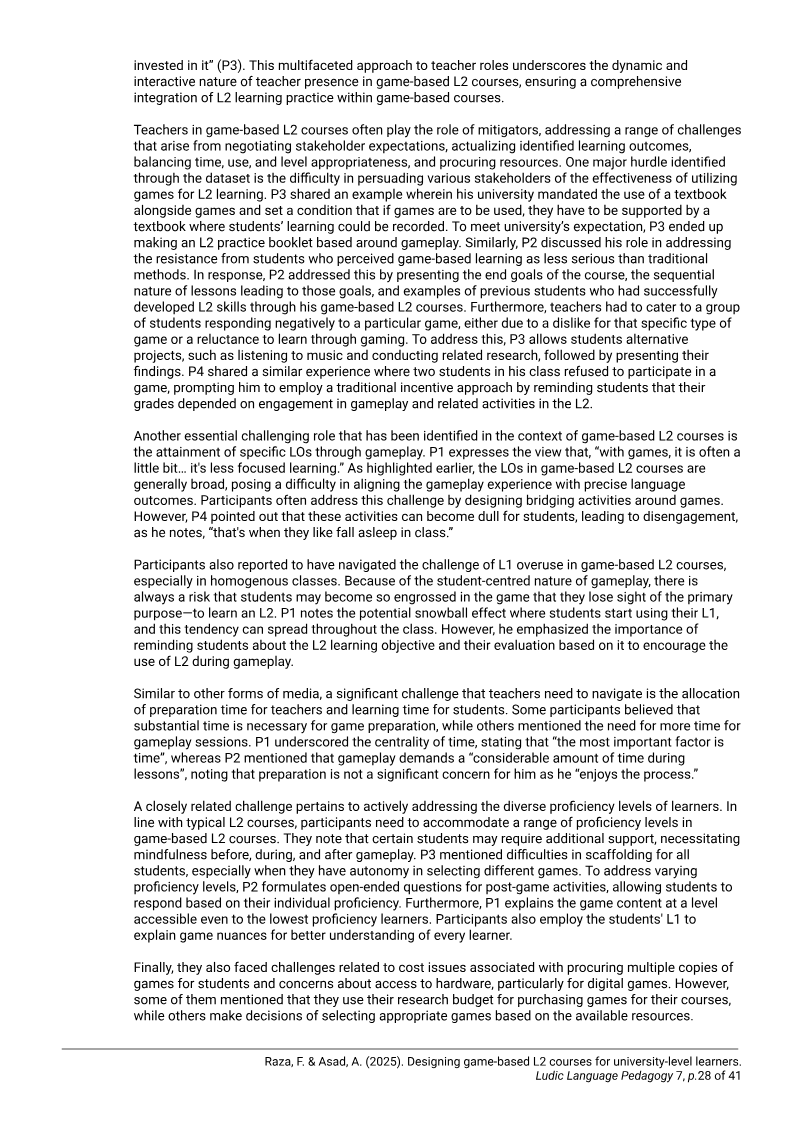
Integrating games into university-level second language (L2) curricula requires a strategic, pedagogical framework that prioritizes learning objectives over mere entertainment. Experienced educators successfully navigate this integration by employing a backward design approach, where specific language acquisition goals—such as vocabulary expansion, fluency practice, and deep processing—are established before selecting appropriate digital or analog tools. This methodology ensures that gameplay functions as a structured vehicle for language development rather than an isolated activity, fostering both student engagement and measurable academic progress.
The efficacy of game-based instruction relies heavily on the implementation of bridging activities, which connect immersive gameplay to formal classroom discourse. By utilizing supplementary tasks like research, thematic discussions, and critical analysis, instructors can effectively translate the social interaction inherent in gaming into targeted language practice. While this approach significantly enhances student motivation and psychological well-being, it necessitates a delicate balance between fostering learner autonomy and maintaining rigorous, teacher-led instruction. Educators must also remain adaptable, continuously refining their course design through ongoing needs assessments and flexible sequencing to accommodate diverse proficiency levels and classroom dynamics.
Despite the clear benefits for L2 acquisition, the integration of games is not without systemic obstacles. Instructors frequently encounter challenges related to time constraints, institutional resistance, and the logistical demands of managing varied game formats. Overcoming these barriers requires a comprehensive pedagogical strategy that aligns environmental analysis with established learning principles. Ultimately, the successful deployment of game-based courses depends on the intentional alignment of game mechanics with communicative language strands, supported by diverse assessment methods such as gameplay observation and reflective student feedback. This structured approach transforms games into essential, high-impact tools for modern university language education.
Ludic Language Pedagogy · 2026
Ludic Language Pedagogy · 2026
Ludic Language Pedagogy · 2026
Ludic Language Pedagogy · 2026

Ludic Language Pedagogy · 2026

Ludic Language Pedagogy · 2026
Ludic Language Pedagogy · 2026

Ludic Language Pedagogy · 2026
Ludic Language Pedagogy · 2026
Ludic Language Pedagogy · 2026
Ludic Language Pedagogy · 2026



Ludic Language Pedagogy · 2026
Press Start · 2025