More on Game Development
View all
Whitepaper
Framework for Using Professional Engineering Tools to Develop Games in Post-Secondary Education
International Journal of Serious Games · 2023
Whitepaper
Using Greenfoot as a Tool for Serious Games Programming Education and Development
International Journal of Serious Games · 2021
Whitepaper
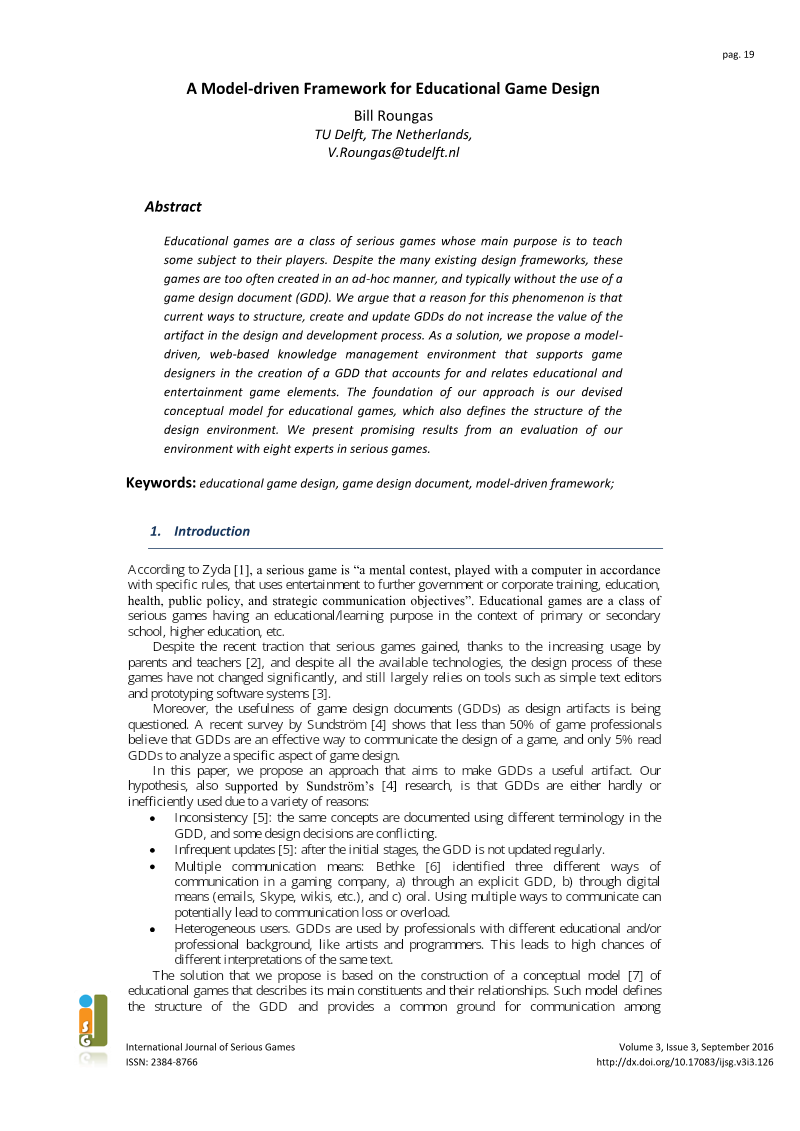
A Model-driven Framework for Educational Game Design
International Journal of Serious Games · 2016
Whitepaper
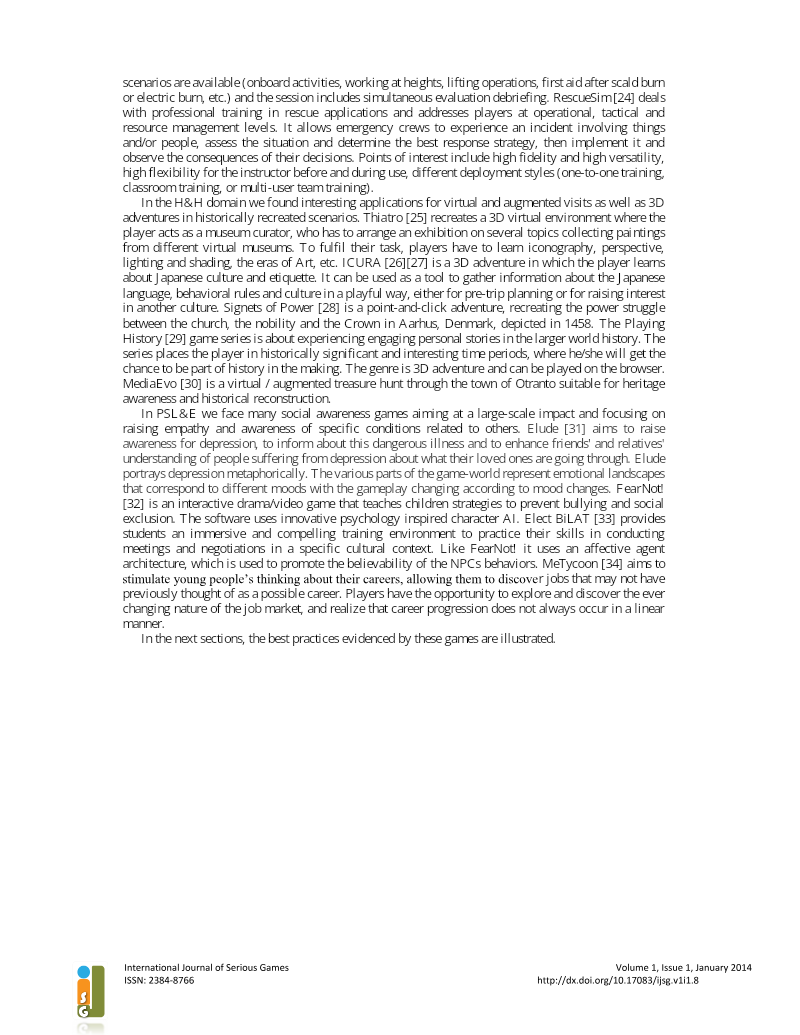
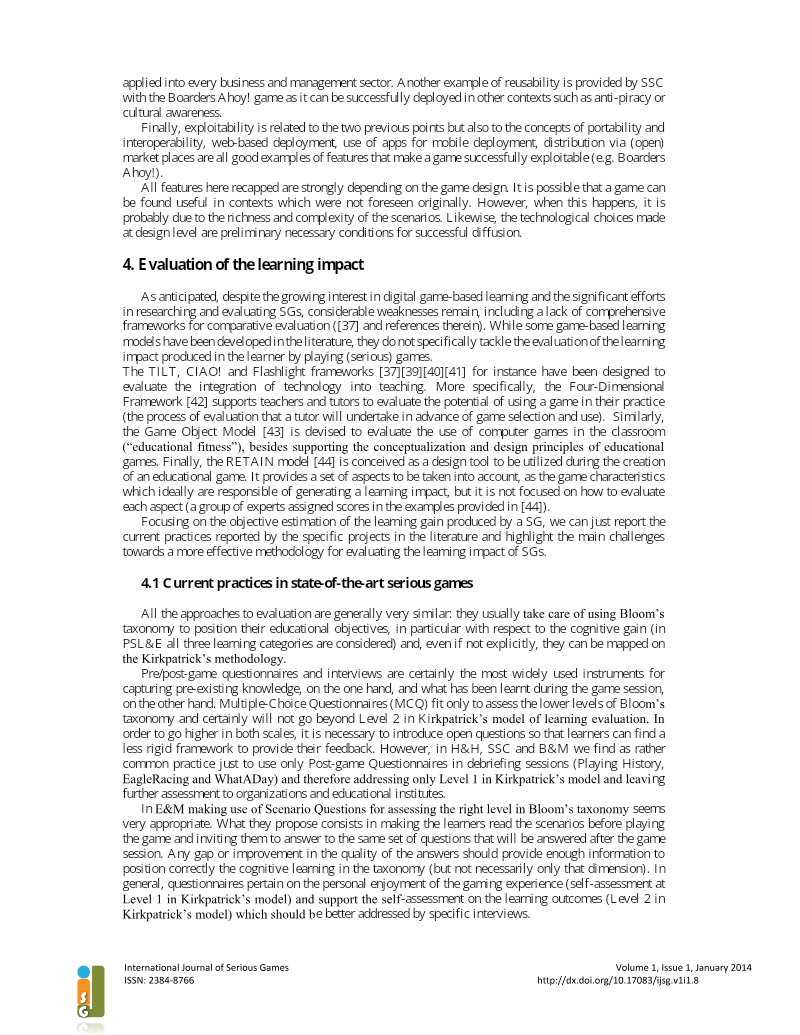
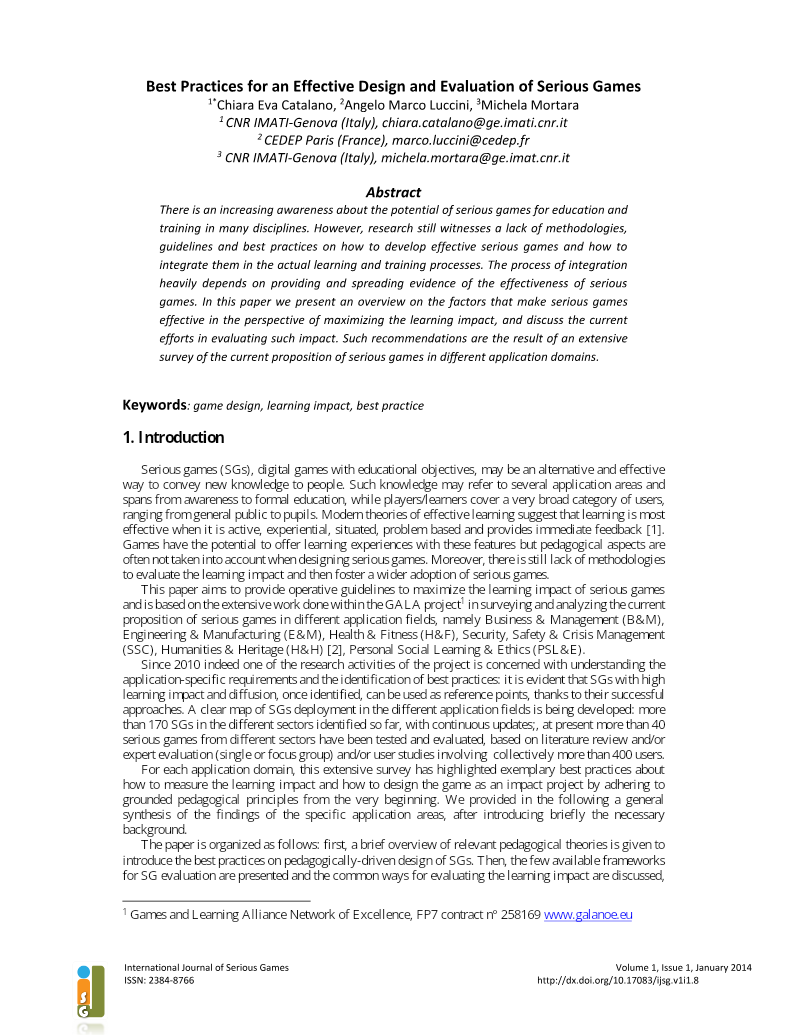
Best Practices for an Effective Design and Evaluation of Serious Games
International Journal of Serious Games · 2014



Whitepaper
Beyond Fun: Gamified Multidomain Reading Assessment for Children
International Journal of Serious Games · 2026



Whitepaper
A Scalable, Modular Architecture Enabling Digital Teacher-Defined Mobile Escape Rooms
European Conference on Games Based Learning (ECGBL) · 2026
Whitepaper
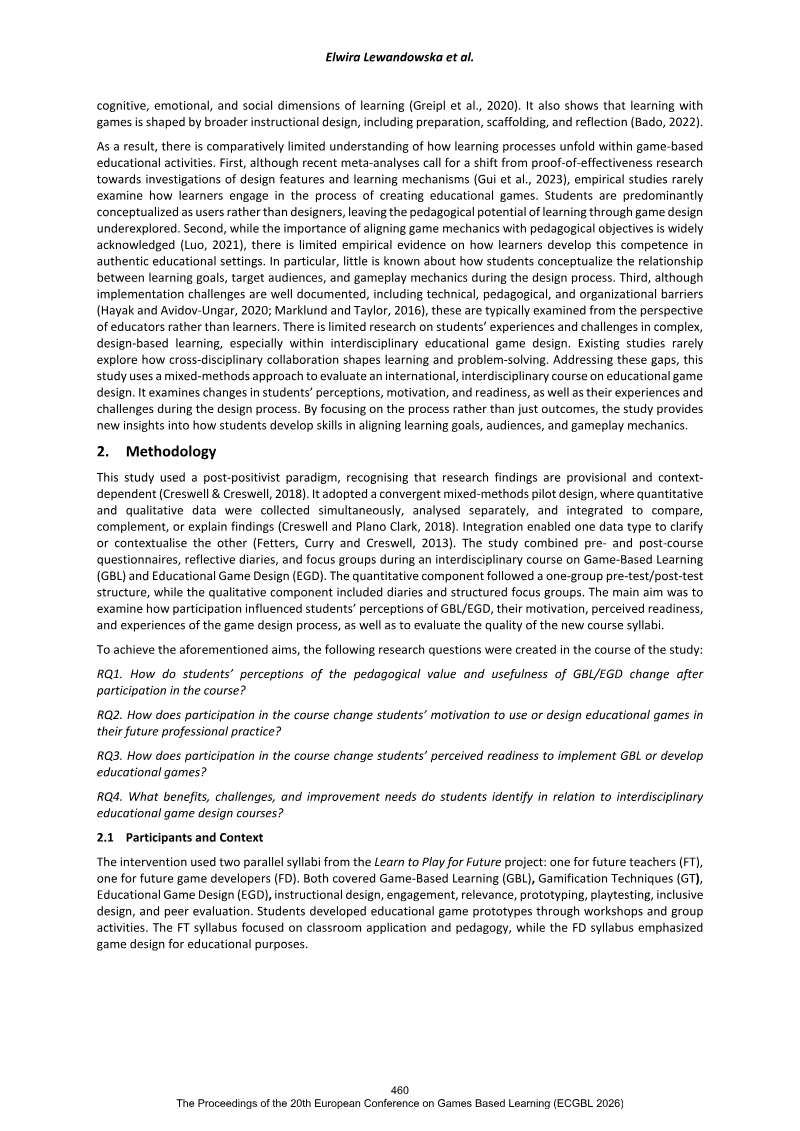
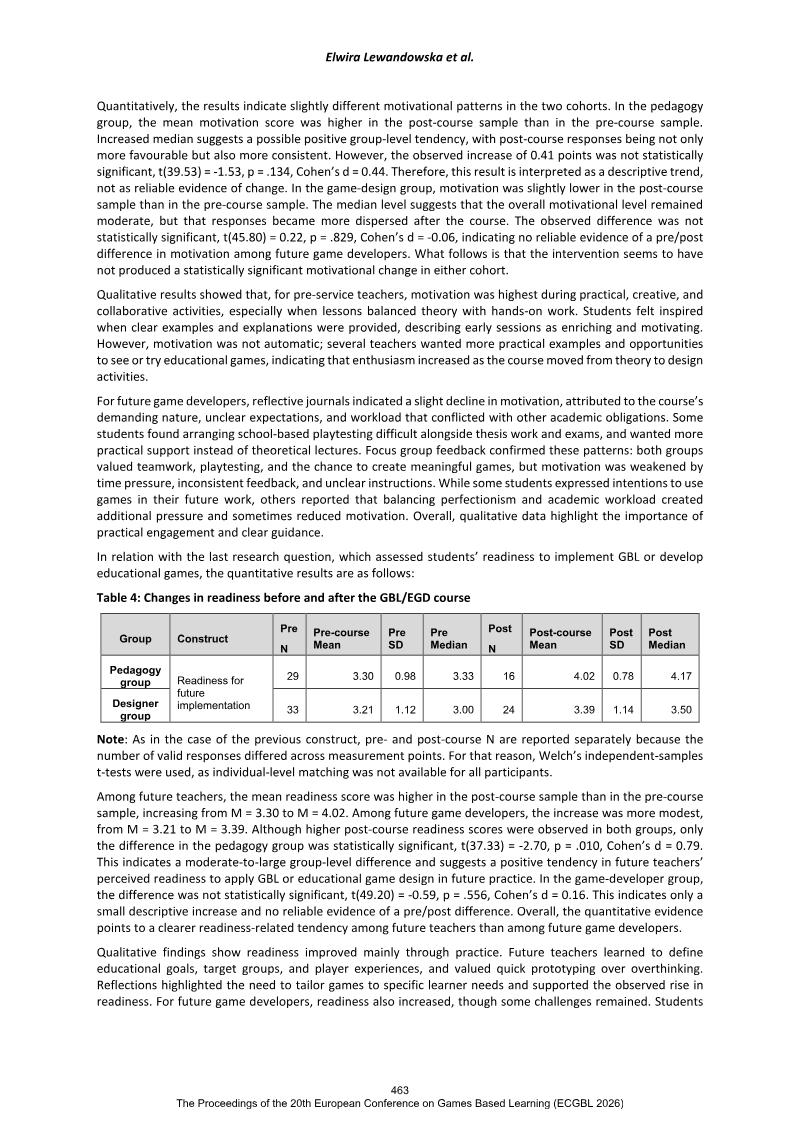
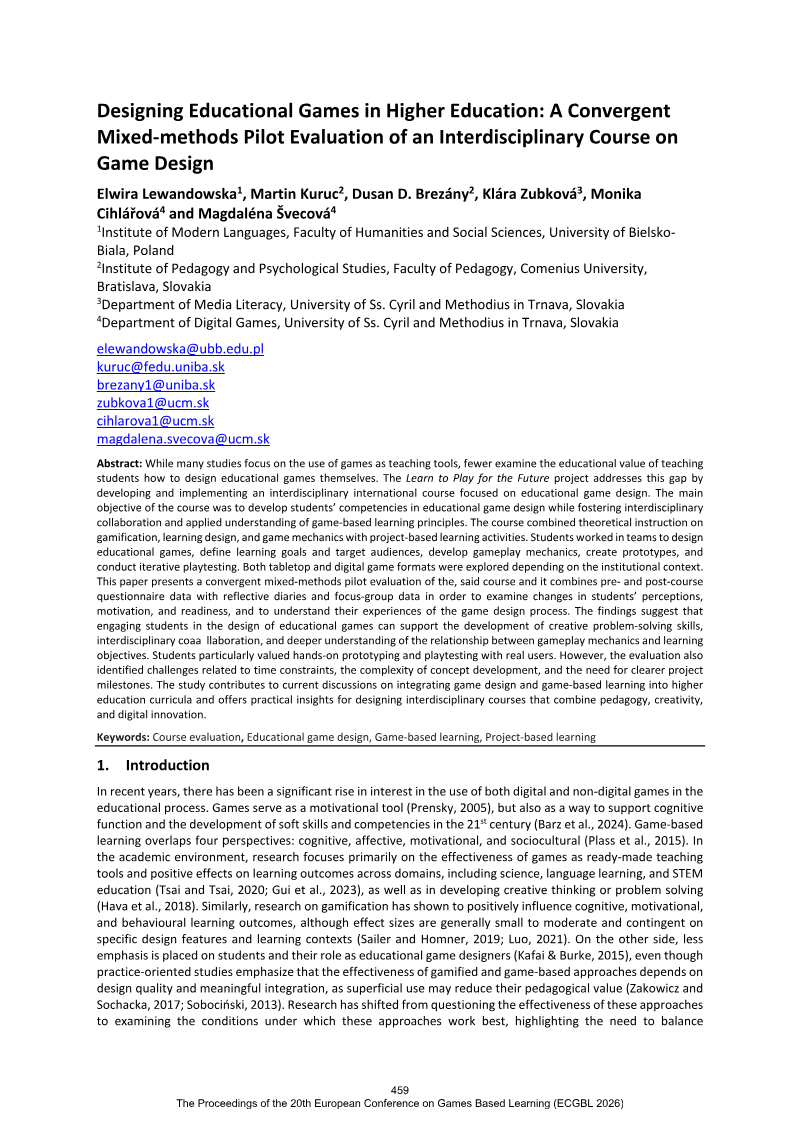
Designing Educational Games in Higher Education: A Convergent Mixed-methods Pilot Evaluation
European Conference on Games Based Learning (ECGBL) · 2026
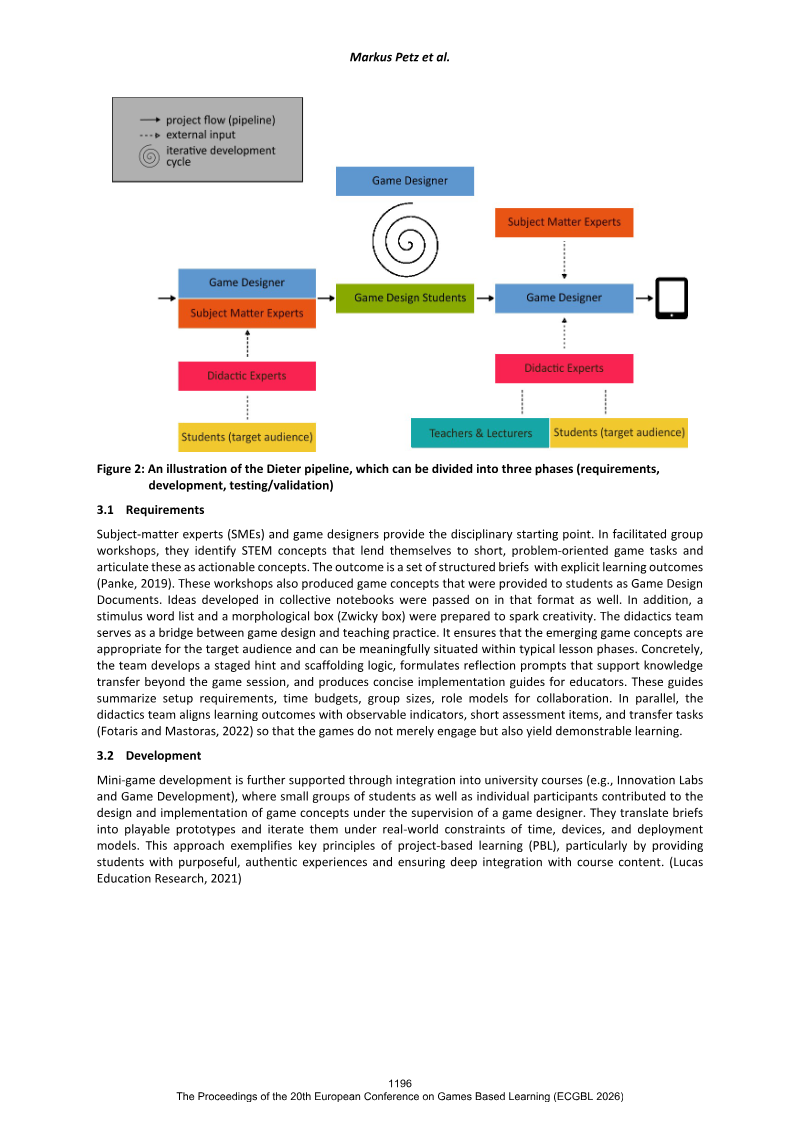
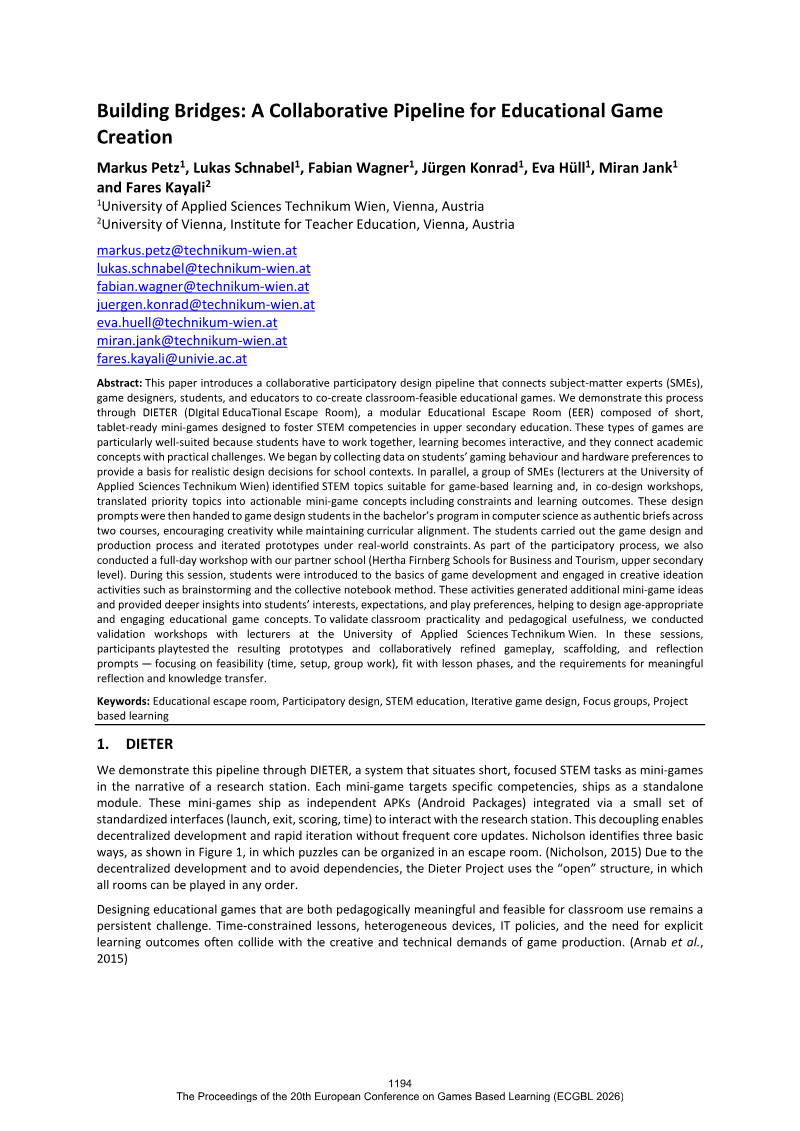
Whitepaper
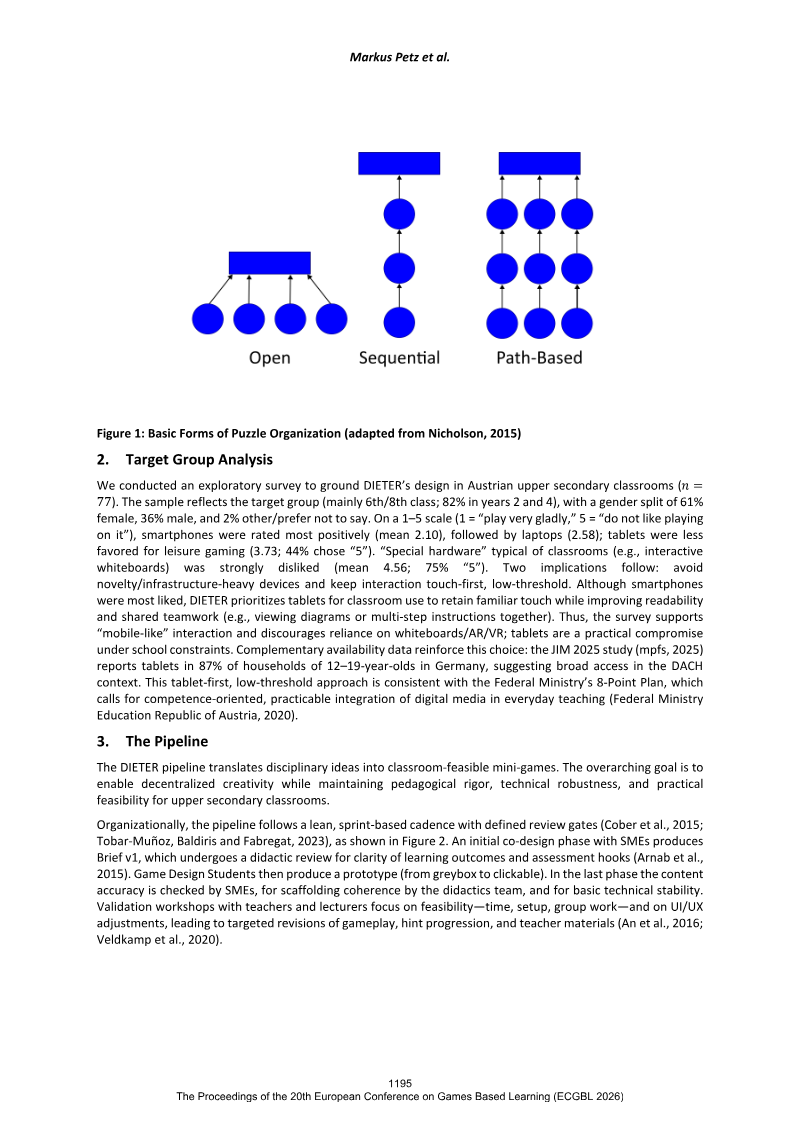
Building Bridges: A Collaborative Pipeline for Educational Game Creation
European Conference on Games Based Learning (ECGBL) · 2026



Whitepaper
Translating Design Requirements into a Hybrid Prototype for Early Programming Education: The Iterative Development of IMPACT+
European Conference on Games Based Learning (ECGBL) · 2026



Whitepaper
Building Digital Educational Escape Rooms: A Modular Toolkit With Low-Code Authoring Approach
European Conference on Games Based Learning (ECGBL) · 2026



Whitepaper
From Cultural Game Jams to Applied Jam Models: A Longitudinal Evaluation
European Conference on Games Based Learning (ECGBL) · 2026



Whitepaper
Children in Digital Movement: Facilitating Exergame-based Learning
European Conference on Games Based Learning (ECGBL) · 2026