1 free read left. Create a free account for unlimited reading + AI research.
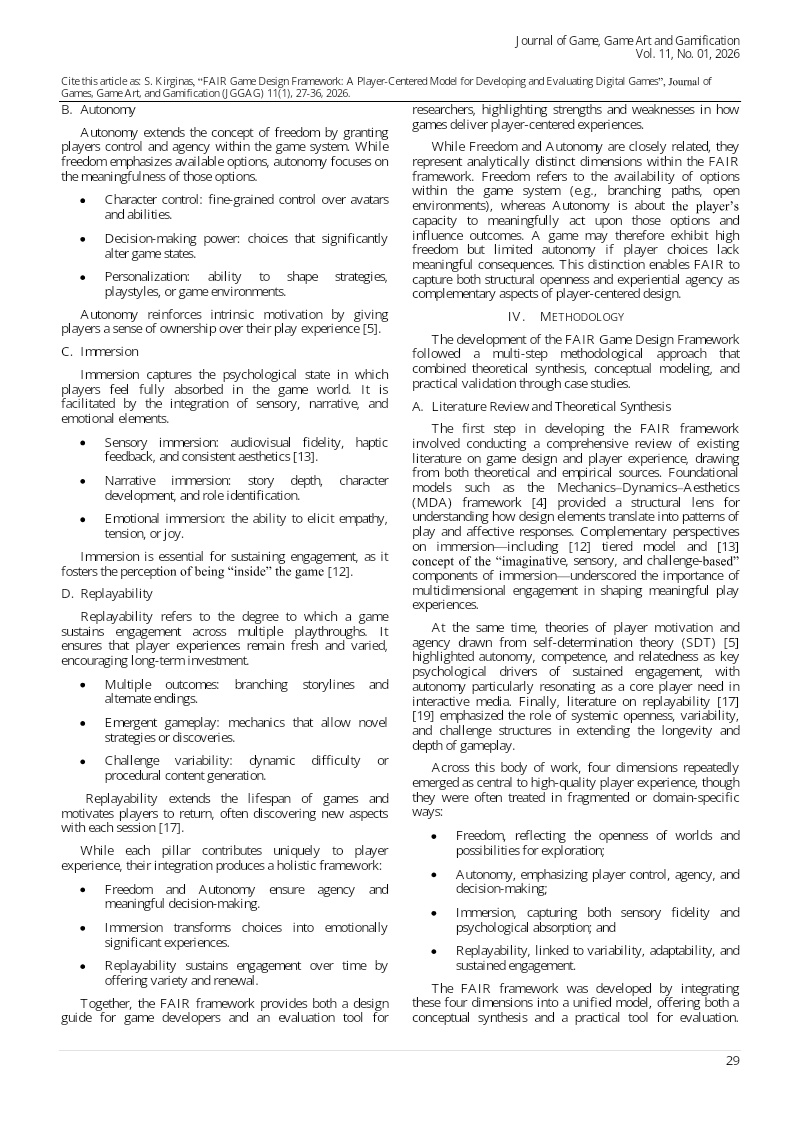
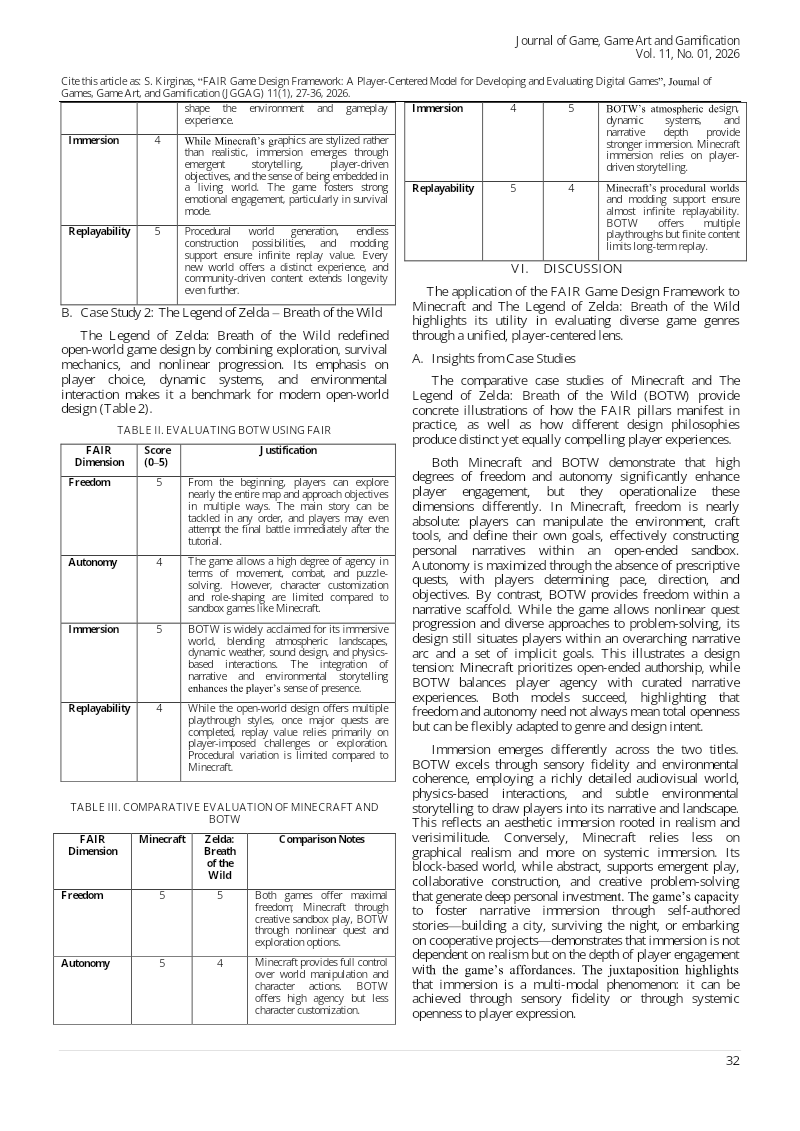
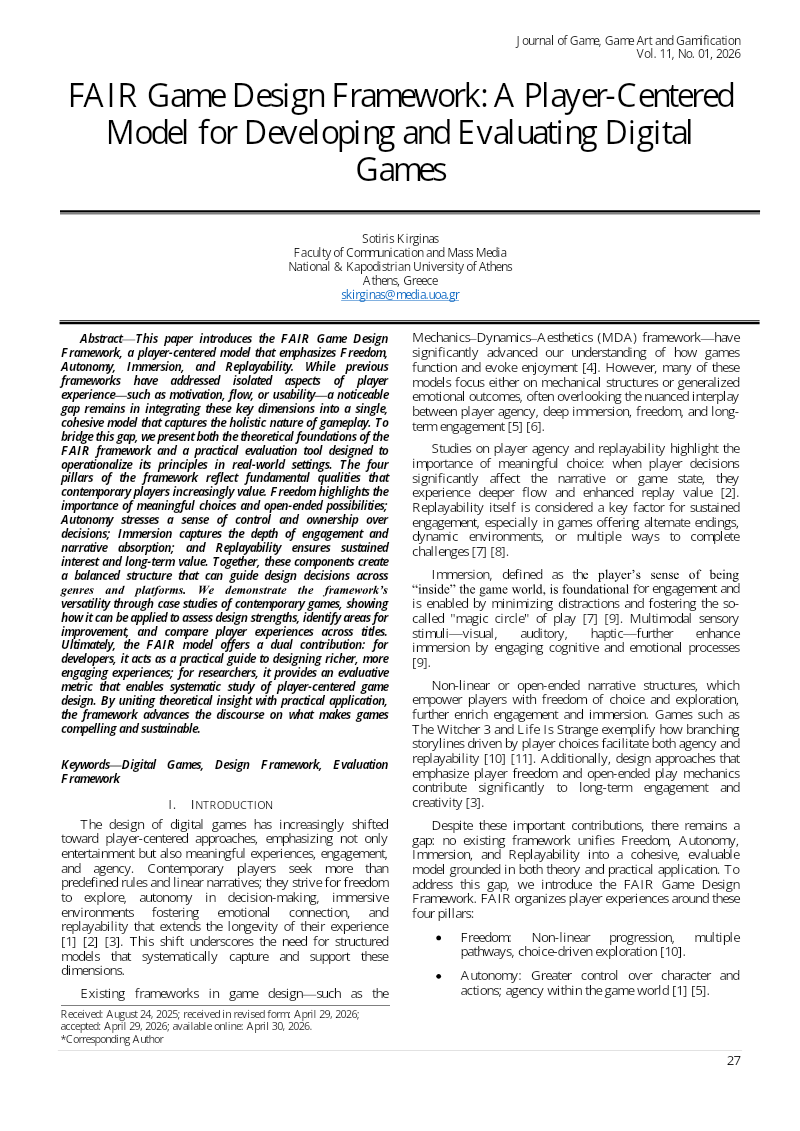
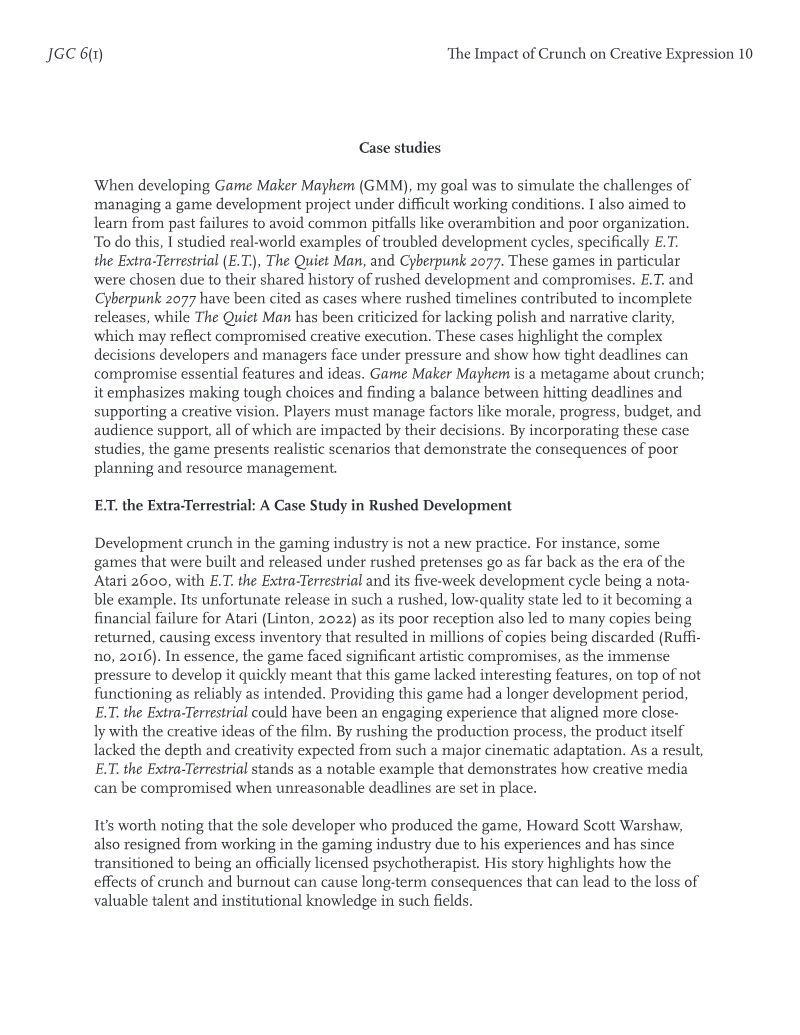
Create free accountWhitepaper Press Start
1 free read left. Create a free account for unlimited reading + AI research.
Create free accountWhitepaperPress Start
Video game art styles function as fundamental instruments for creative expression, shaping both player perception and the functional affordances of gameplay. By categorizing visual aesthetics into photorealistic, stylized, and simplified frameworks, developers can manipulate modeling, texturing, and shading techniques to communicate complex thematic messages. Rather than adhering to a single aesthetic standard, modern game design increasingly leverages intentional shifts between these styles to enhance narrative depth, improve visual clarity, and increase accessibility for diverse audiences.
The practical application of these visual strategies is exemplified through the development of The Maze of Nightmares, a project utilizing Unity’s shader graph and post-processing capabilities to treat art style as a core mechanic. This approach demonstrates that visual transitions are not merely cosmetic but serve as powerful tools to mirror internal character conflicts and thematic evolution. By dynamically altering the game’s aesthetic, developers can guide player behavior and reinforce the emotional resonance of the narrative experience.
This analysis draws upon a broad synthesis of academic research, industry reviews, and technical documentation to evaluate the intersection of visual aesthetics and game design. While the scope encompasses general principles of digital art and player psychology, the findings emphasize that artistic consistency is secondary to the intentional use of visual language. Ultimately, the strategic deployment of varied art styles allows for a more nuanced interaction between the player and the virtual environment, establishing visual design as a primary driver of meaningful gameplay experiences.
Each row is a game or company this document names, each column a document, oldest first. A mark means that document names it. Select a row to see those documents.



Press Start · 2026
Press Start · 2026
Press Start · 2026
Press Start · 2026
Press Start · 2026
Press Start · 2026
Press Start · 2026
Press Start · 2026
Press Start · 2025
Press Start · 2025
Press Start · 2025
Press Start · 2024
Digital Games Research Association · 2021