1 free read left. Create a free account for unlimited reading + AI research.
Create free accountWhitepaper Press Start
1 free read left. Create a free account for unlimited reading + AI research.
Create free accountWhitepaperPress Start
Distilling the key insights…
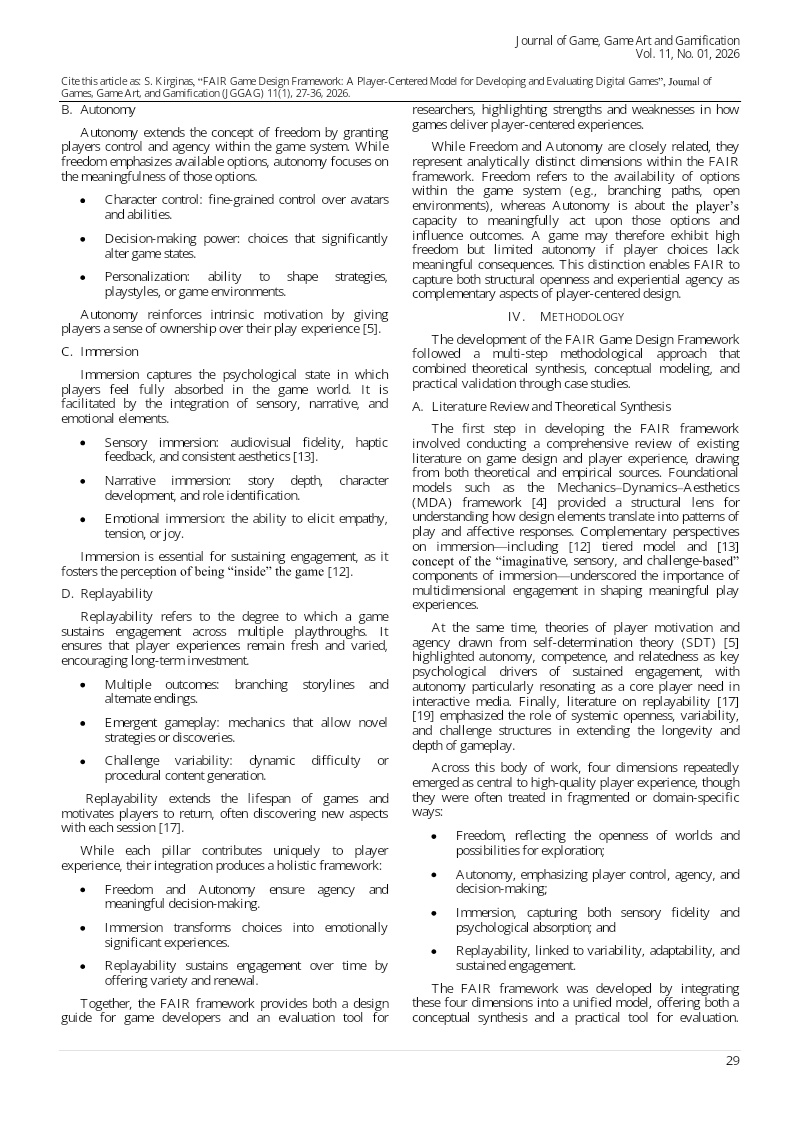
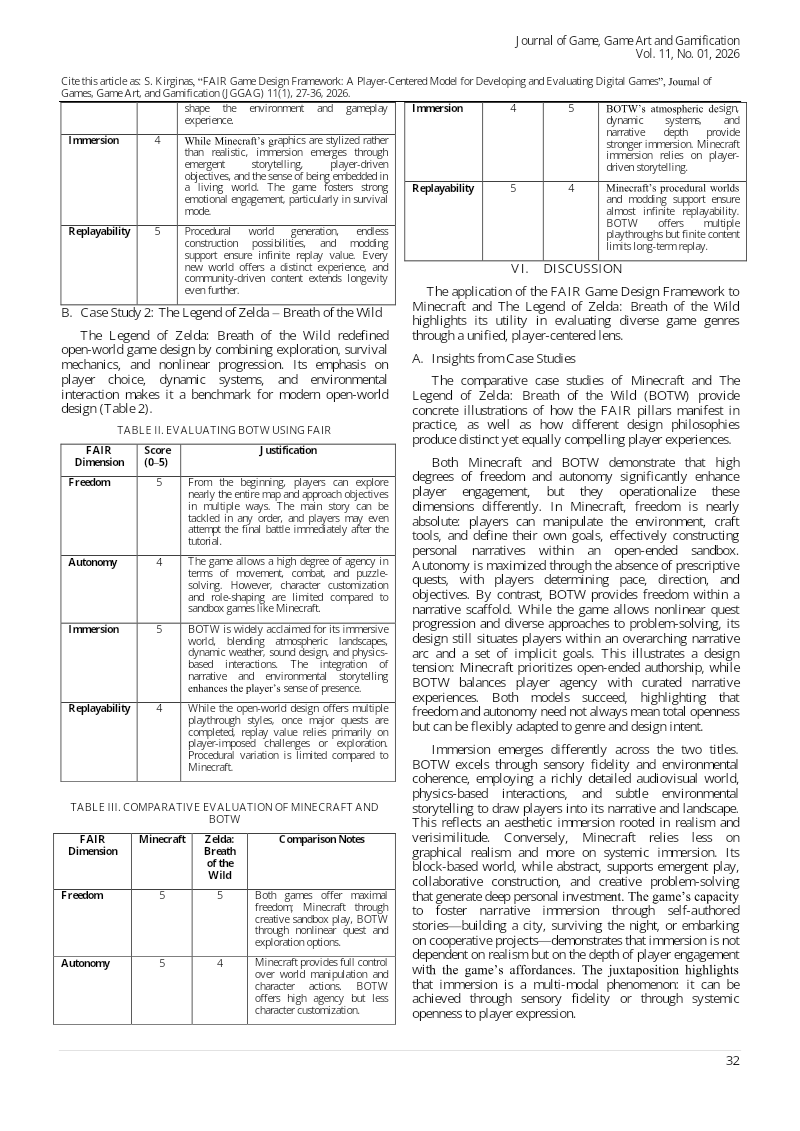
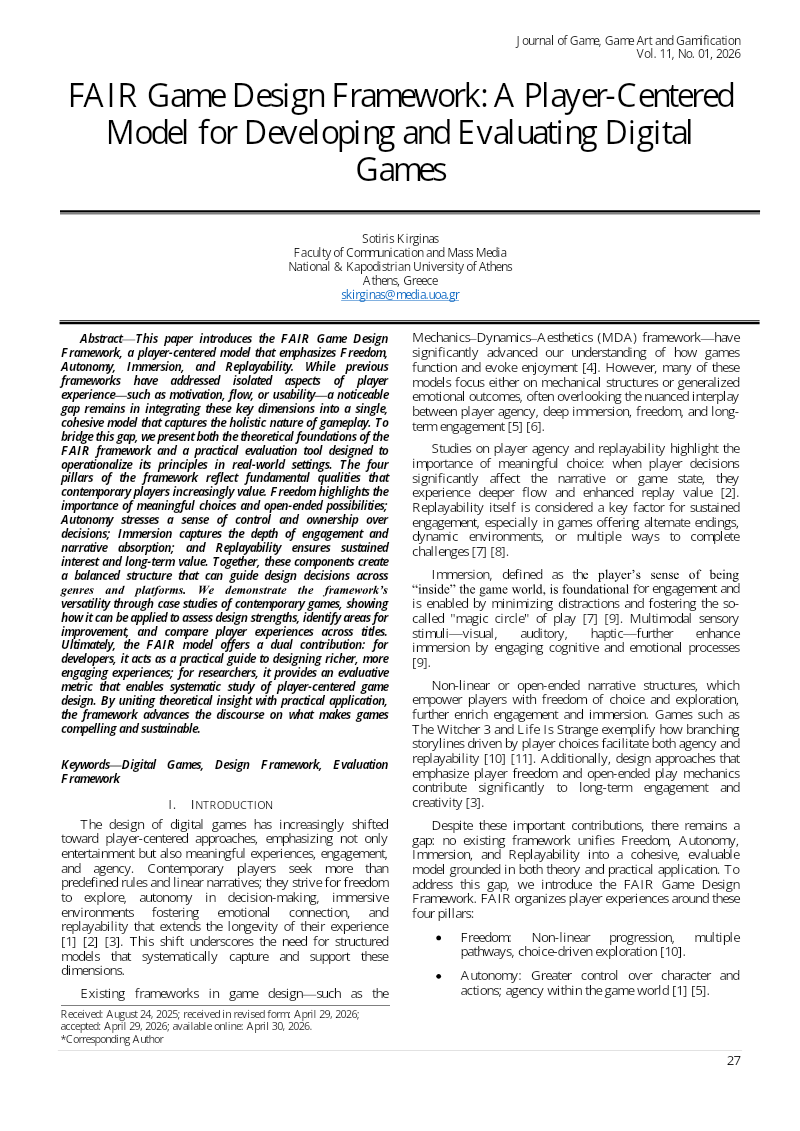
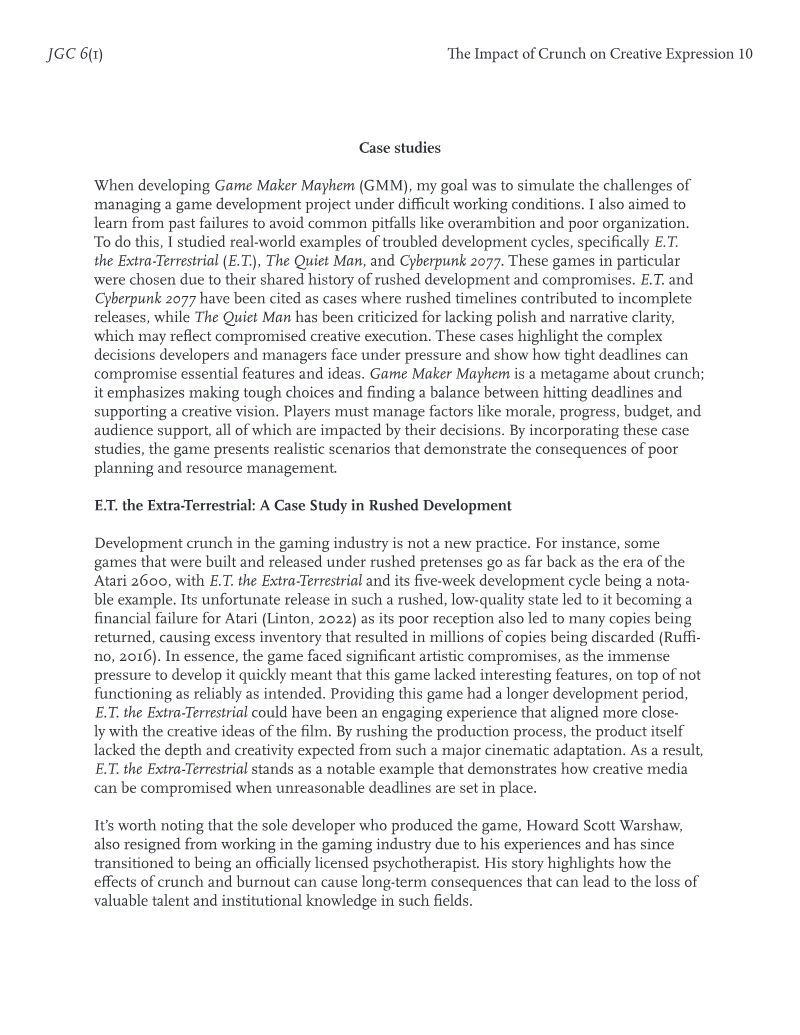
Effective player navigation in large-scale, nonlinear 3D environments relies on the strategic integration of embedded environmental design rather than traditional user interface elements. By utilizing lighting, color, architectural geometry, and semiotics, designers can direct player movement while preserving immersion. This approach shifts the burden of wayfinding from explicit on-screen markers to intuitive environmental cues, fostering a sense of discovery that aligns with the player’s agency and individual play style.
Iterative development and rigorous playtesting confirm that these subtle techniques are highly effective when applied in combination. While initial designs often require refinement to ensure that landmarks are distinct and environmental hazards are clearly communicated, the final implementation yields significant success. Data from controlled studies, including heatmaps and a 90 percent objective completion rate, demonstrate that players navigate complex, nonlinear spaces efficiently without the need for traditional UI overlays.
Ultimately, the removal of navigational UI in favor of environmental storytelling enhances the overall player experience. When designers successfully harmonize architectural cues with lighting and motion, players remain on the intended path without feeling constrained. This methodology proves that immersion and clear guidance are not mutually exclusive, providing a robust framework for creating expansive game worlds that encourage exploration while maintaining structural coherence.



Press Start · 2026
Press Start · 2026
Press Start · 2026
Press Start · 2026
Press Start · 2026
Press Start · 2026
Press Start · 2026
Press Start · 2026
Press Start · 2025
Press Start · 2025
Press Start · 2025
Press Start · 2024
Press Start · 2024