1 free read left. Create a free account for unlimited reading + AI research.
Create free accountArticle International Journal of Games and Social Impact
1 free read left. Create a free account for unlimited reading + AI research.
Create free accountArticleInternational Journal of Games and Social Impact
Visually impaired players usually depend on sighted companions to adapt games for them.
Central problem. Most game information is presented visually, leaving visually impaired players dependent on sighted companions to adapt games.
This paper examines the accessibility barriers that blind and visually impaired people face in tabletop games, with a particular focus on Brazil. Its central argument is that although tabletop games are widely recognized for their educational and social value, most game information is presented visually, leaving visually impaired players dependent on sighted companions to adapt games for them. The authors frame this problem within a critique of historically ableist language and medicalist views of disability, proposing a social-model alternative grounded in "Design in Partnership," in which disabled people participate as co-designers and play-testers rather than as passive beneficiaries.
The analysis identifies both structural and economic sources of exclusion. Most modern games are designed around visual interfaces and lack accessibility features, while the few adapted editions, such as braille-based versions, are scarce and considerably more expensive. Economic exclusion compounds this problem, as people with disabilities in Brazil face high poverty rates and commercial games are costly relative to their income. The paper also surveys the current sources of accessible products, including official rule adaptations such as Azul's color-coding workaround, low-quality local productions sold through online marketplaces that often fail to meet FIDE's handicapped-chess standards, and the LuduScience line, which is more consistent but whose rulebooks and videos remain inaccessible to screen readers.
The concluding section argues that sensory substitution alone is insufficient and that designers should follow the "Nothing About Us Without Us" principle. It offers practical guidelines, including minimizing components and text, adding tactile differentiation and braille to rulebooks and pieces, providing image descriptions, and documenting aesthetic choices. The authors urge publishers to involve people with disabilities in decision-making and iterative testing, though the paper's recommendations rest on qualitative reasoning rather than quantitative data.

International Journal of Games and Social Impact · 2026
International Journal of Games and Social Impact · 2026

International Journal of Games and Social Impact · 2026

International Journal of Games and Social Impact · 2026

International Journal of Games and Social Impact · 2026
International Journal of Games and Social Impact · 2026

International Journal of Games and Social Impact · 2026
International Journal of Games and Social Impact · 2026
International Journal of Games and Social Impact · 2025
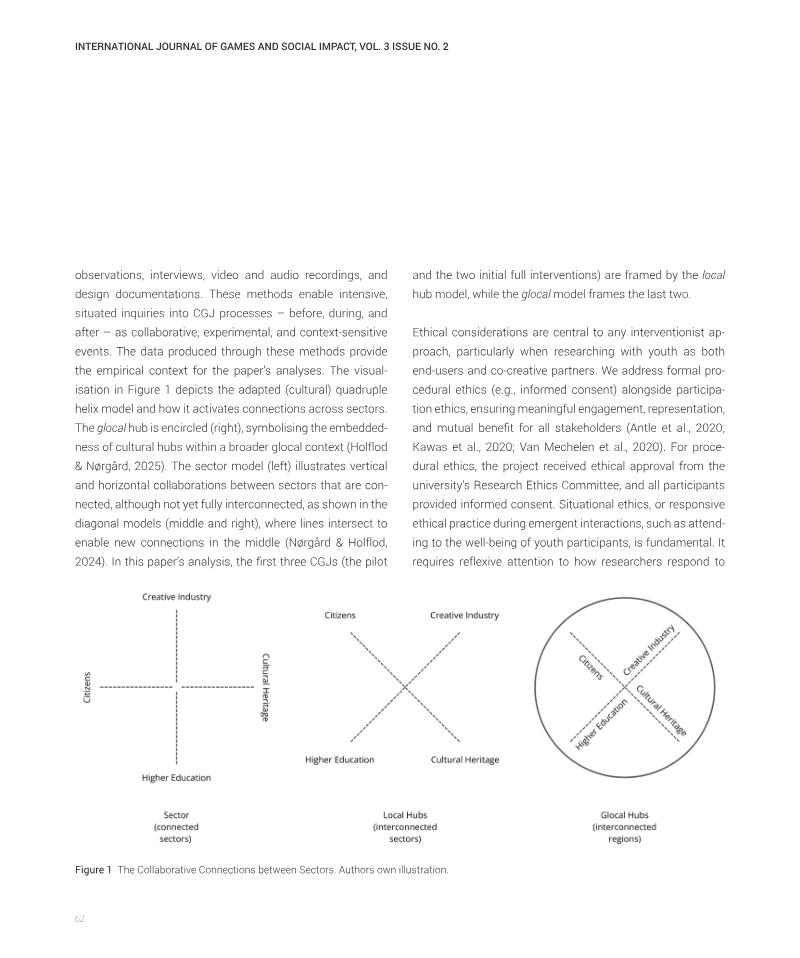
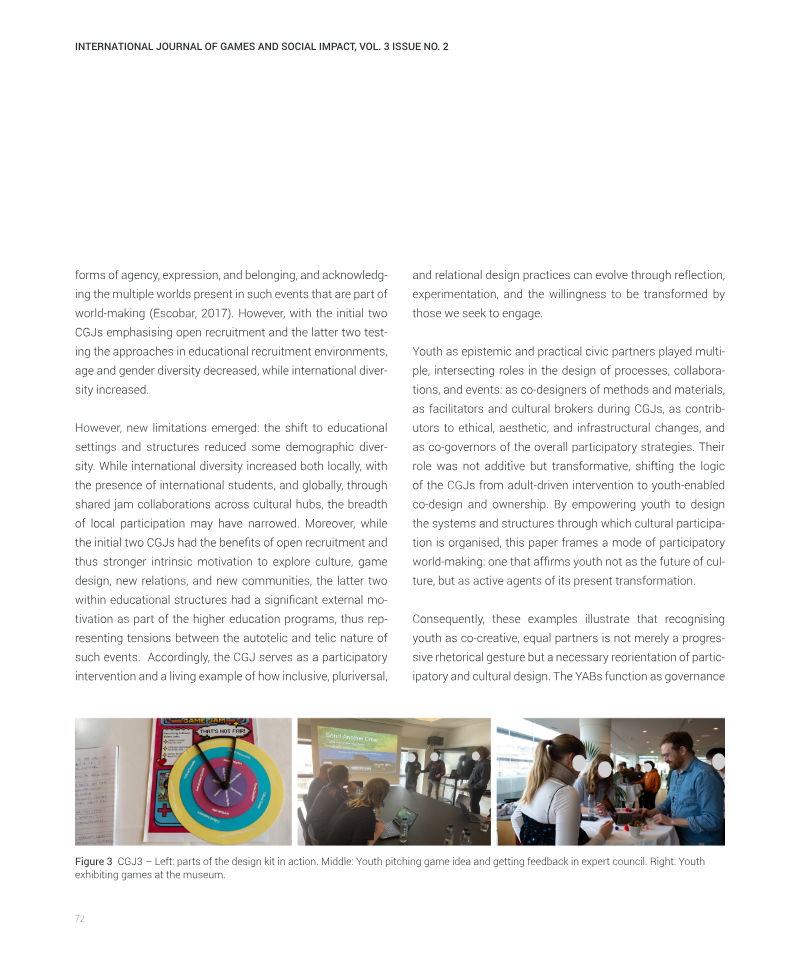
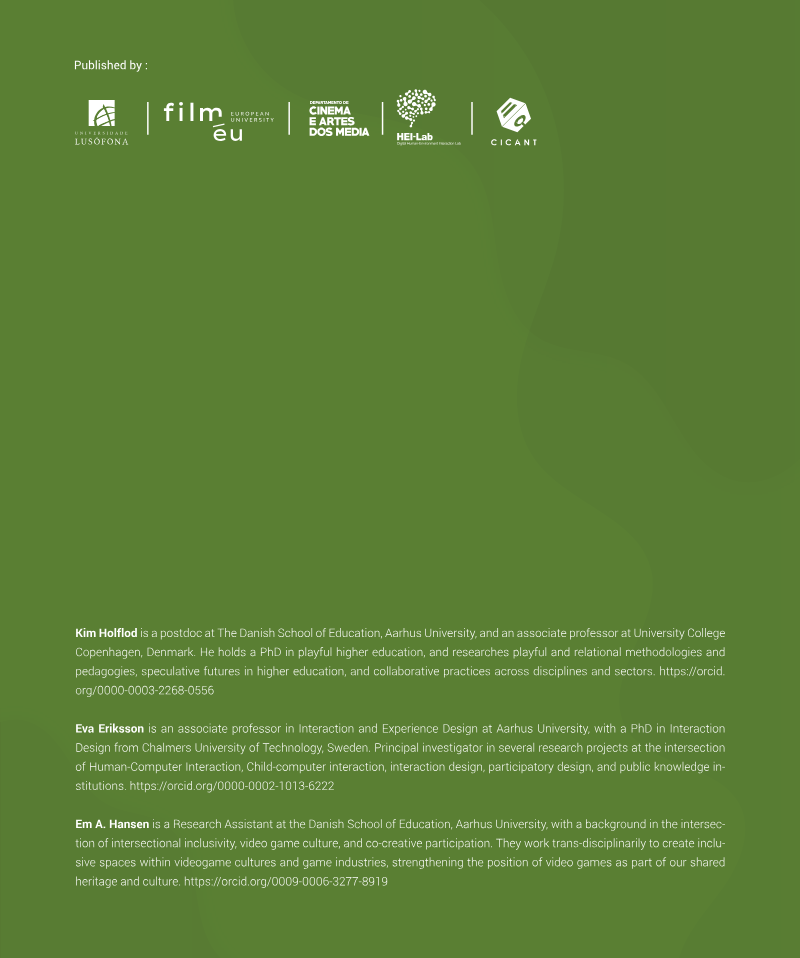
International Journal of Games and Social Impact · 2025
International Journal of Games and Social Impact · 2025
International Journal of Games and Social Impact · 2025
European Conference on Games Based Learning (ECGBL) · 2026