1 free read left. Create a free account for unlimited reading + AI research.
Create free account
Crunch Culture in 2020 | Unchained Report

Key insights
6 takeaways- 01Crunch remains deeply embedded in the development of large-scale, high-profile AAA titles despite reports of a marginal decrease in overall industry frequency.
- 02Systemic change in the industry is contingent on shifting management priorities away from reactive, deadline-driven development toward more rigorous planning and scoping.
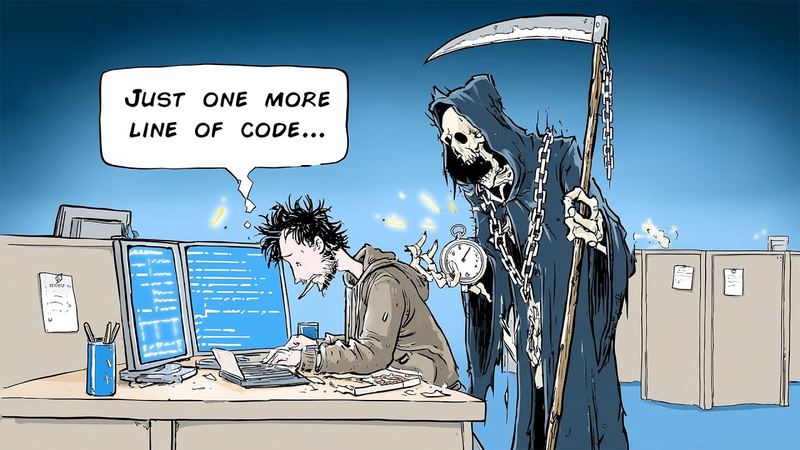
- 03Large-scale development cycles often suffer from 'front-loading,' where multi-year projects inevitably collapse into periods of extreme intensity to meet final release deadlines.
- 04High-profile leadership departures during development cycles are key indicators of underlying production instability and creative misalignment rather than just scheduling pressures.
- 05Developers often frame crunch as a personal choice for product excellence, but this is frequently a byproduct of structural instability rather than individual preference.
- 06The primary drivers of extended work hours are systemic failures, including poor project management, unrealistic scheduling, and the inability to accurately scope features.
Ask AI about this video
Transcript
cd projekt red and and the whole um cyberpunk cyberpunk delay has i think sprung forth more and more discussion about this again because uh somebody that was on that team said oh yeah we're gonna still be crunching to get the game done by i think it's like what is it september october yeah uh and so everybody i think that kind of spurred everybody talk about it again do you feel like overall i i think like the overall um survey uh there was like a state of the industry that everyone's kind of doing uh gamma sutra has been doing one i know edgar kind of been sharing their news and overall at least the last couple years what i saw was there's been actually a decrease in overall crunchiness so there's been an effect in the last two years where developers have been at least
conscious of their rights as game developers and maybe uh because of the um a lot of the expose articles that's been uh kind of turning a light onto the game industry as a whole has been making an impact is this an assessment that you agree richard well how do you feel about it um well actually since you gave us a hint and said that you read the garment sutra state of the industry i just sped read it um i think that uh so for the people who haven't read it yet like what are the reasons you believe caused you to work those maximum number of hours a week basically more than 40 hours self-pressure i personally wasn't working hard and i felt i needed slash wanted to i think like a lot of the video game industry still runs and it will probably always run on the idea that uh this is an art form you want to express yourself you want to get your best uh stuff out there in
front of players um when you think about a game like cyberpunk with a ton of hype around it and it's a large uh you know box priced game like you have people who really want to make sure that they get their stuff out there and it's the best that it can be uh whenever i read about articles of crunch like being bad like uh the last one i remember was uh with um uh rob the grand theft auto rock star uh and yeah that's another like big ass game that takes a lot of effort and energy and you really only get like one big shot to make that uh super awesome first impression and to like meet everyone's expectations around your game uh so i definitely uh can relate to that uh i think like that's a main reason why like 40 hours plus is still always going to be around so yeah i mean uh yeah wait wait wait saying ray i'm saying part of it like yeah so some
people would like to believe that it's just i want to get my best stuff out and i need to work harder to get my best stuff out right but like when you're on a team like that even when even when i saw the same um the state of the industry survey where it's like oh it's self-pressured i want to do it right a lot of times it it may feel like that or you may tell yourself that but but you know at the same time it's you want to make sure that you're pulling your weight on the team and everybody else is there late there's nobody to tell you to go home there's also somebody telling you that oh or somebody's setting the schedule up in such a way where in order for you to get your best stuff out you have to crunch right rather than setting it up in such a way where you can have a time to polish and have a regular work life balance and still produce high quality stuff right um like i i people always use like yeah we always want to cram more stuff in and make it great right but that's where the management
people running the teams need to be like nah nah this is good enough all right or put time in to get that polish in right so that people don't have to kill themselves yeah yeah i mean to add to that like i totally agree like um so i think it's on both sides like the people are willing to put in the hours like i i don't know how many um i don't have any stats off the top my head but like how many of the people who are crunching like what age are they like is this their first game i mean you can look at the people themselves but ultimately it does come down to how the team is managed how the schedule is set up like is there time to polish is there time uh to accurately estimate how long any major task is going to take since i shifted to like indie stuff and i'm working with my family i need to make sure that it's like really tightly scoped to keep that work-life balance going and it's given me a lot of empathy towards understanding precisely how much time is needed for a feature to get done uh and i don't think that in larger uh corporations like that much attention
can be given across the entire project so i'm not saying it's anyone's fault but it's definitely like how like people want to give their best effort but also just like you know do they have enough time to do it and are they over tasked yeah i i think at least my measure by default with the crunching is that uh anything more than five people it becomes a choice uh because essentially when you're working with the large team there's a lot of gates in place to kind of prevent problems uh with delay of game or uh quality stuff not getting in right to me uh it becomes more about peer pressure and bad planning than actually trying to push this game that is so close to being the best right it's not it's not about a ledge and so uh my my understanding with that in my you know there was a certain point in my
career where i just said no right just like straight up neo just looking at them and said no and a lot of that is because of experience but just not wanting to be taken advantage of and fall into the peer pressure of things and so um i just see the long game of crunching so with crunching i think essentially i agree with i think we all all agree right um with smaller teams because there's so many so many factors that so many variables at hand that you're juggling with many disciplines at once and you're essentially maybe working on this game for the first time as a group that it's hard to account for all things and with larger teams until we fix that problem where a five-year game is actually being made the last two years or last year i'm not crunching the first three years
of this five year development no i mean it's it's most of these games that get delayed like we were talking about uh cyberpunk right that game is essentially just being locked down the last two years of development there was a lot of high [Music] uh high ranking officers kind of leaving at right pretty much right after the first trailer announcement was made right a lot of high departures being made shortly after that because the game was nothing but like an idea right it wasn't fully fleshed out and there were problems already happening so you guys can speak on this right you guys have been leads of major games most people kind of stick to the end just to get that credit but for you to leave before the game is out and uh allegedly it's getting a bunch of hype right it usually means because of production problems that you just don't believe in or agree with the creative
control of what's happening with the projects not because it's super tight [Laughter] at least in most of the cases correct yeah like uh game like cyber oh sorry no i don't know if you were oh yeah yeah all right so i was gonna say it was like uh yeah i think like um uh games like that uh which have a lot of hype to it i mean so much of like what uh you have to do when you like manage a product like that is like hype it up and you need to get people excited about it you need to get people to um get invest into it like way way way back then like pre-sales matter but now it's a much different like sort of market that doesn't matter as much um but you still want to stand out you know the industry is only getting larger and larger and there's still more money that goes into these games people are spending more like the um just the the spending patterns of like consumers is like always just like increased over time um
for a game like uh i i i haven't like done like a full analysis on this but i think like if you were to like make a check box of like things on a product that would contribute to crunch i think stuff like you know like uh how long has it been in development uh you know how is it a new ip like how much like um content is being promised and stuff i mean i think there's a correlation that you can draw i mean it's not like you know these uh companies are actually thinking about like how their product is similar to other big products and how should they scope their stuff differently um so i think like a lot of these like jam ups that you see uh with big delays like for cyberpunk and even like final fantasy 7 remake um these things like just uh are just part of the game industry and like you never know like sometimes it's like maybe sometimes it's not the development team's fault maybe they've got to work wait for things like like gold masters or regulations or other geopolitical stuff like who knows like um there's definitely
reasons for these delays and sometimes it's due to poor planning and i would like to say that most of the time it's not because of that but you never really know
Summary
The discourse surrounding crunch culture in the video game industry highlights a persistent tension between creative ambition and sustainable production practices. While recent industry surveys suggest a marginal decrease in overall crunch frequency, the practice remains deeply embedded in the development of large-scale, high-profile titles. The primary drivers of extended work hours are identified as a combination of internal self-pressure—rooted in the desire to deliver high-quality artistic work—and systemic issues, including poor project management, unrealistic scheduling, and intense peer pressure within large teams.
The analysis posits that while developers often frame crunch as a personal choice to ensure product excellence, it is frequently the result of structural failures. In large-scale projects, the inability to accurately estimate task duration or effectively scope features often leads to production bottlenecks. Furthermore, the industry’s reliance on massive, multi-year development cycles frequently results in "front-loading" work, where the final stages of production become periods of extreme intensity to meet release deadlines. High-profile departures of leadership during development are often cited as indicators of underlying production instability or disagreements regarding creative direction rather than merely the result of tight schedules.
The scope of this issue spans the global game industry, with particular focus on AAA studios managing high-hype, big-budget intellectual properties. The methodology relies on qualitative assessments of industry trends, comparative analysis of state-of-the-industry reports, and professional observations from experienced developers. The consensus suggests that while smaller, independent teams face unique challenges due to limited resources and variable management, larger corporations bear the responsibility to implement better planning, realistic scoping, and rigorous management to mitigate the necessity of crunch. Ultimately, the industry is moving toward a greater awareness of developer rights, though systemic change remains contingent on shifting management priorities away from reactive, deadline-driven development.










Comments