More from University of Applied Sciences Hamburg
View all


More on Game Design
View all
Whitepaper
Playing to Care: Games as Empathy Development Tools in Healthcare Education
Press Start · 2026
Whitepaper
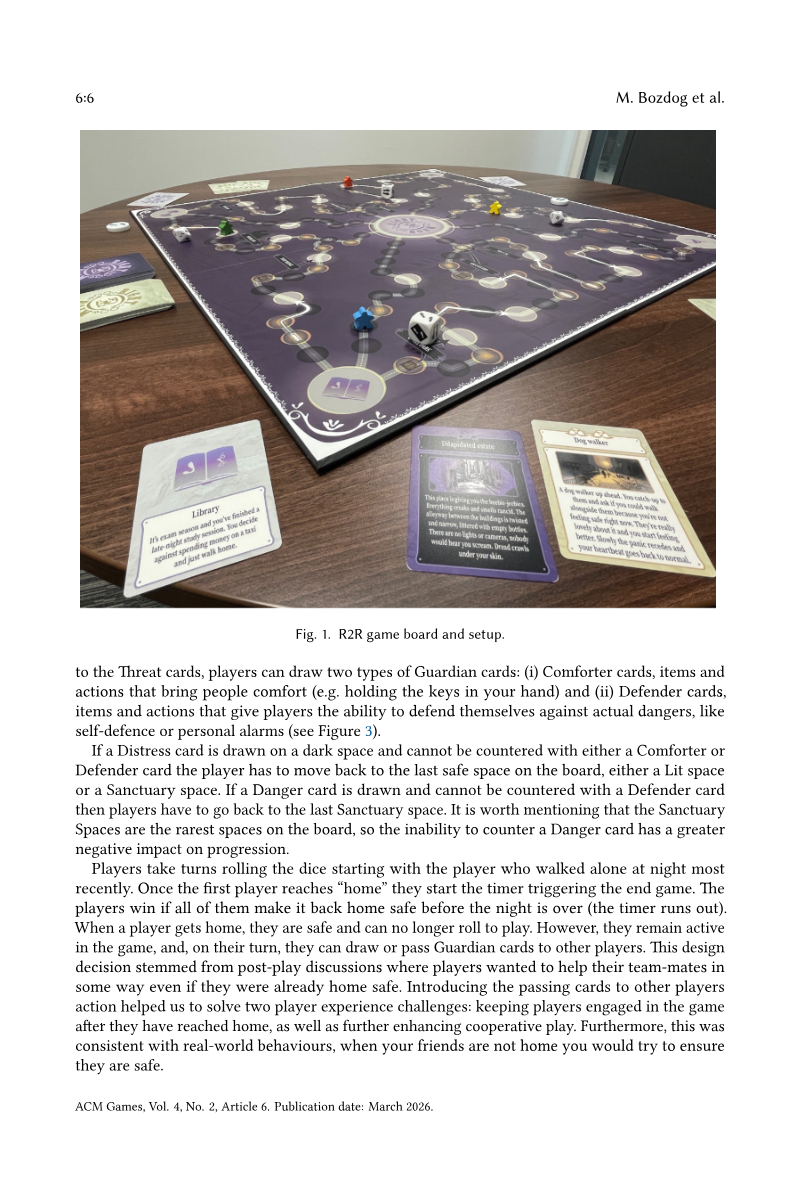
‘That’s What Girls Have to Think About All the Time’: Board Games for Civic Engagement and Perspective-Taking
Association for Computing Machinery · 2026
Whitepaper
Can Ordinary Horror Games Reduce Avoidant and Safety Behaviours in Players with Anxiety Disorders?
Press Start · 2025
Whitepaper
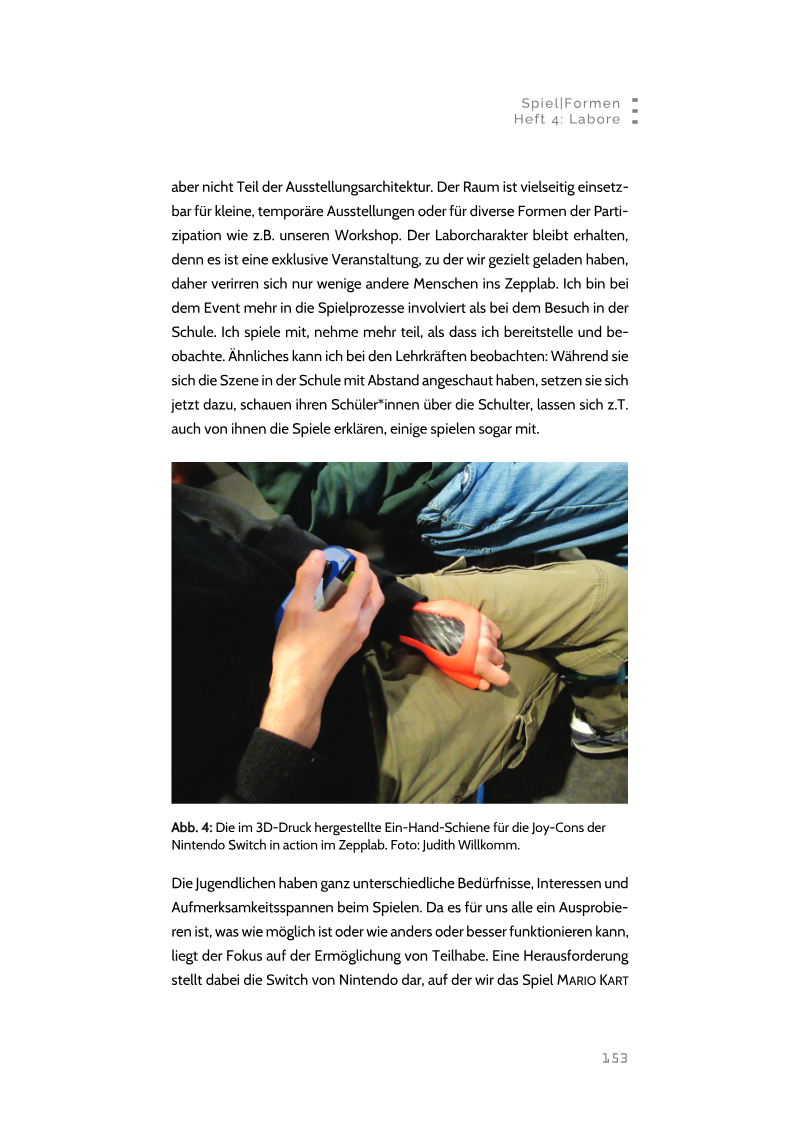
Game | Play | Ability: Ein Laborbericht zu alternativen Spielweisen
Spiel|Formen · 2025
Whitepaper
Designing Game-based L2 Courses for University-level Learners
Ludic Language Pedagogy · 2025
Whitepaper
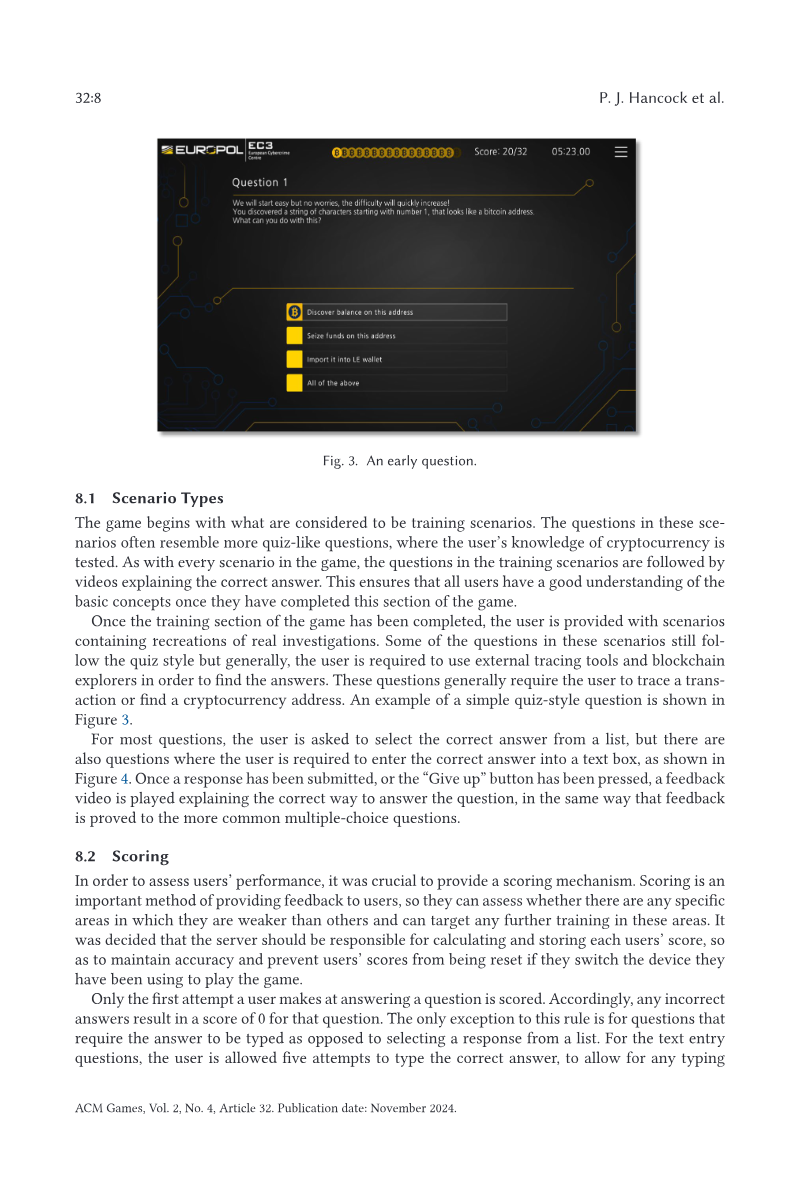
Design of Cryptopol: A Serious Game for Teaching Cryptocurrency Tracing Techniques to Law Enforcement
Sheffield Hallam University · 2024
Whitepaper
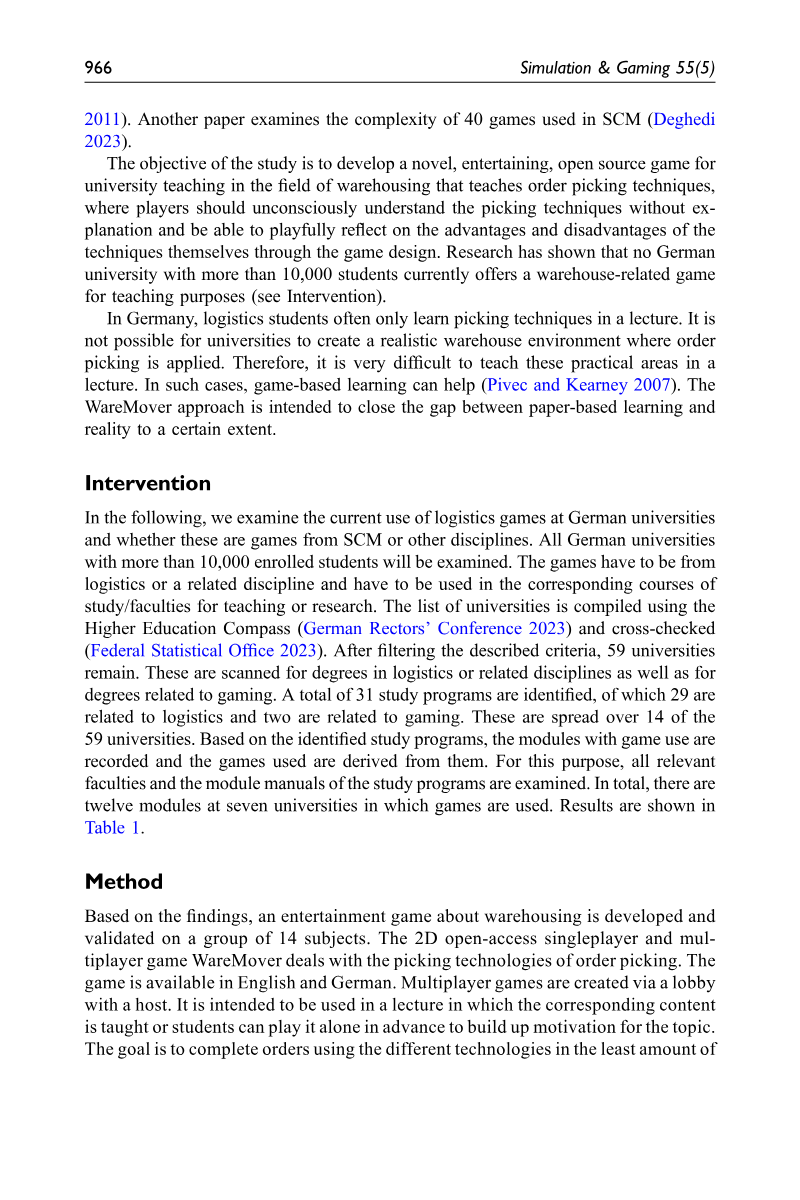
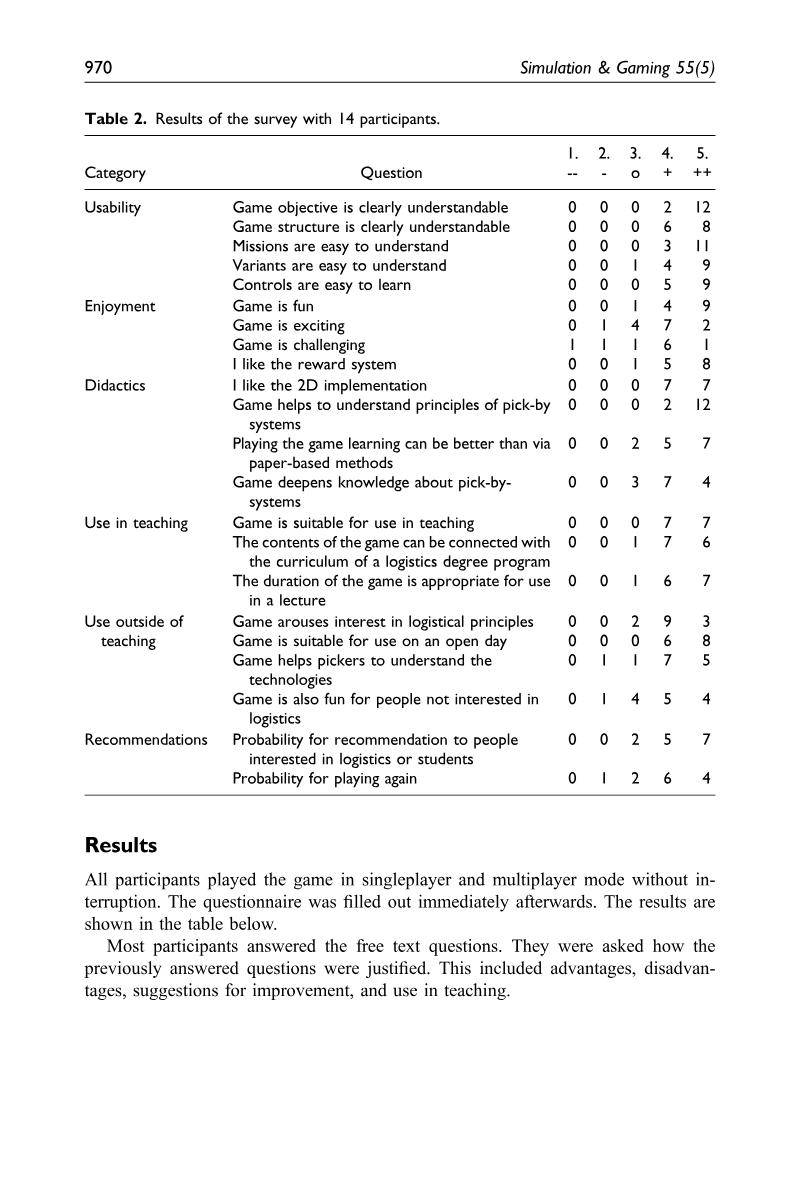
Learn Picking Techniques in Warehousing: WareMover
Sage Publications · 2024
Whitepaper
Exploring Reflective Learning in Digital Game-Based Learning: A User Research Study
European Conference on Games Based Learning (ECGBL) · 2023
Whitepaper
Navigating the Skies: A Serious Game for Exploring Drone Energy Consumption, Flight Risk, and Societal Impact
Bournemouth University · 2023
Whitepaper
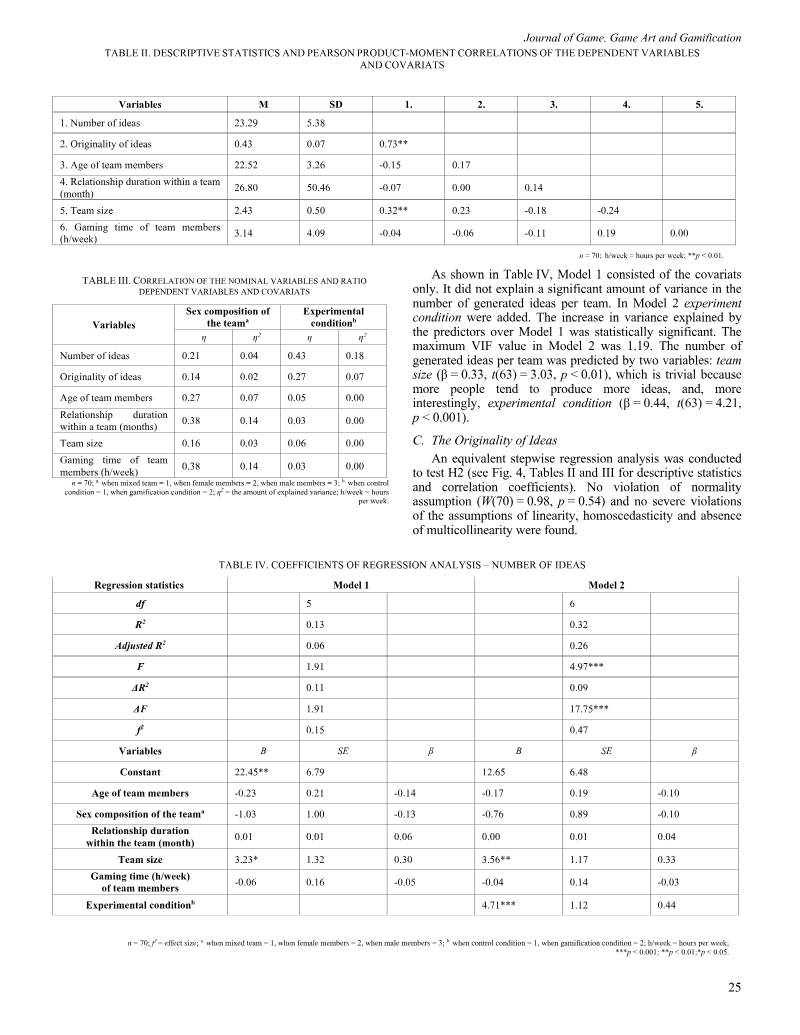
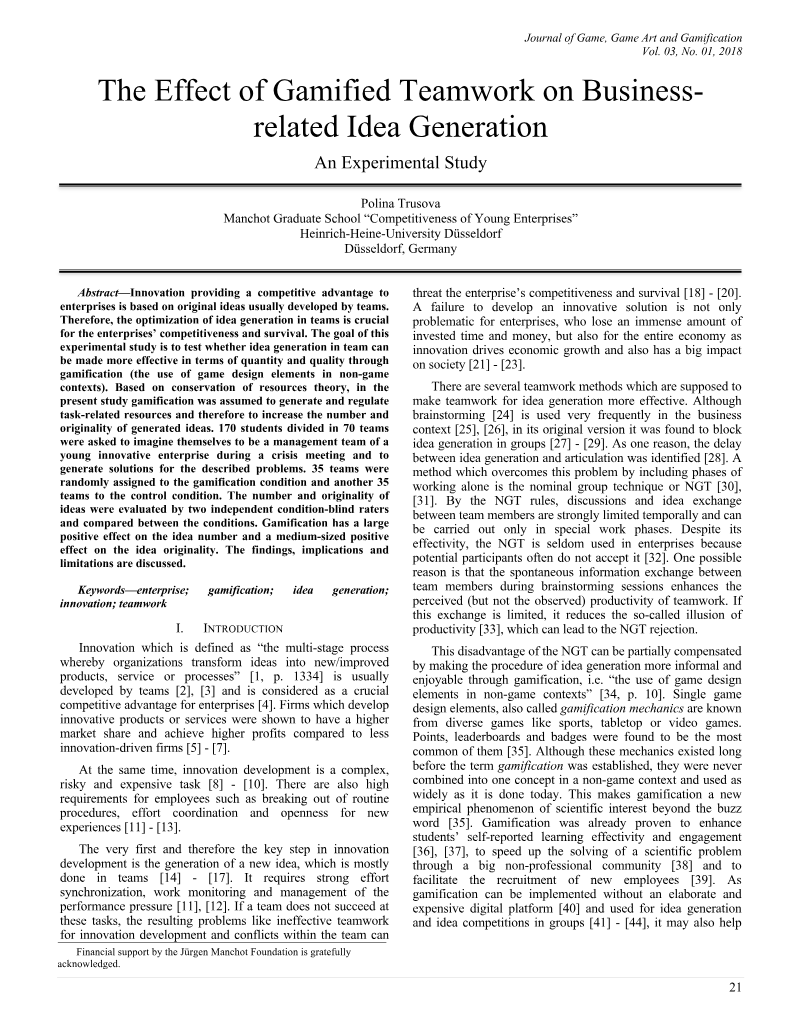
The Effect of Gamified Teamwork on Business-Related Idea Generation: An Experimental Study
Heinrich-Heine-University Düsseldorf · 2021
Whitepaper
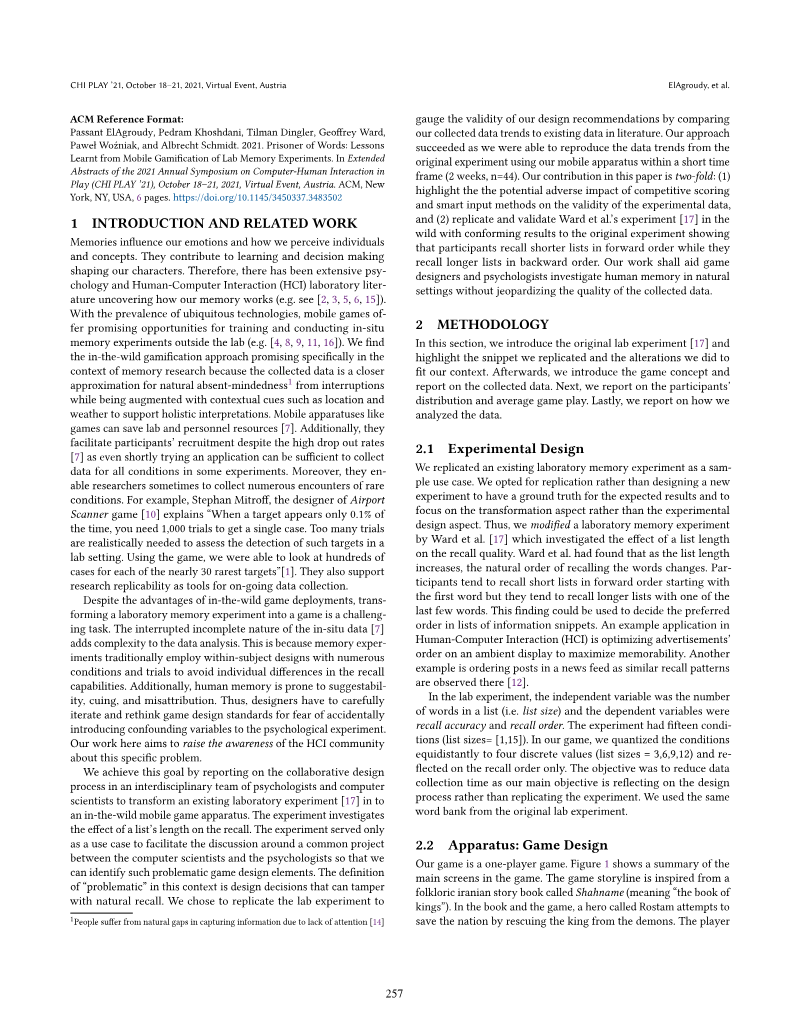
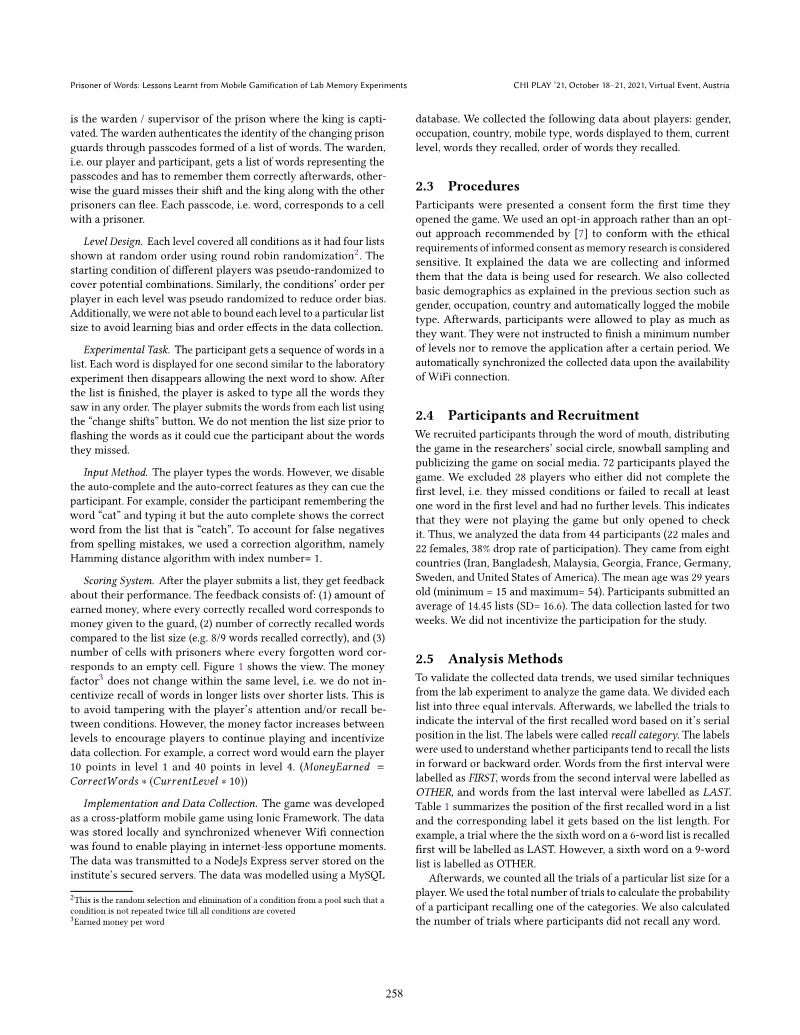
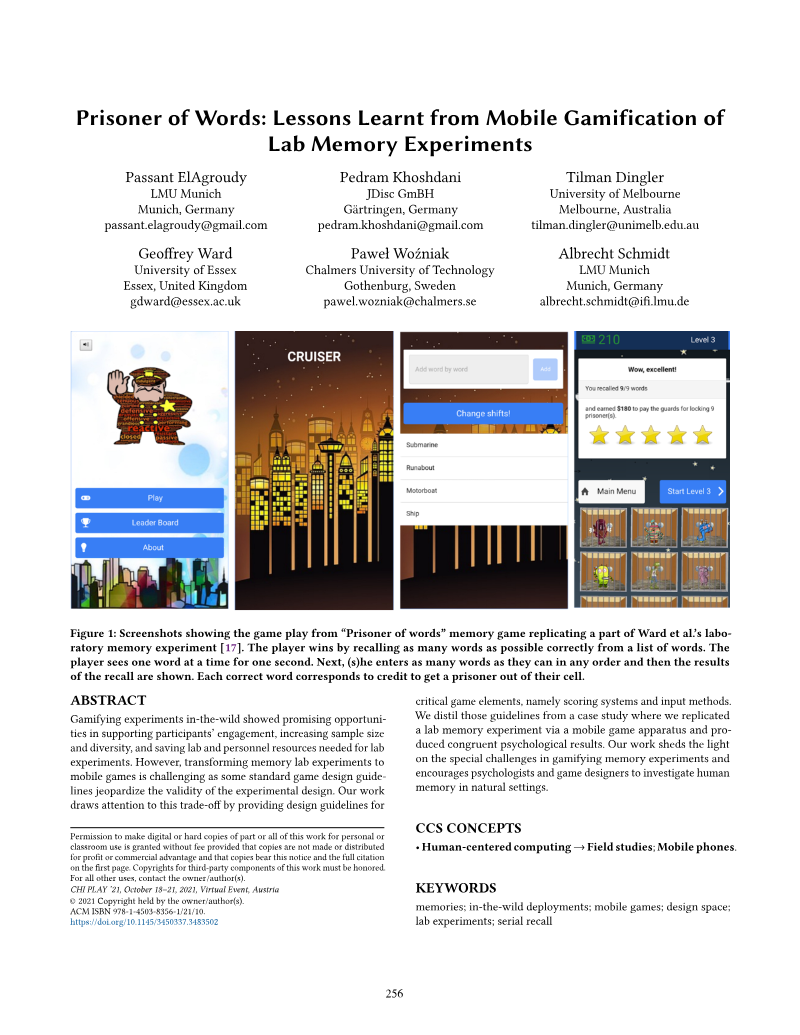
Prisoner of Words: Lessons Learnt from Mobile Gamification of Lab Memory Experiments
Association for Computing Machinery · 2021
Whitepaper
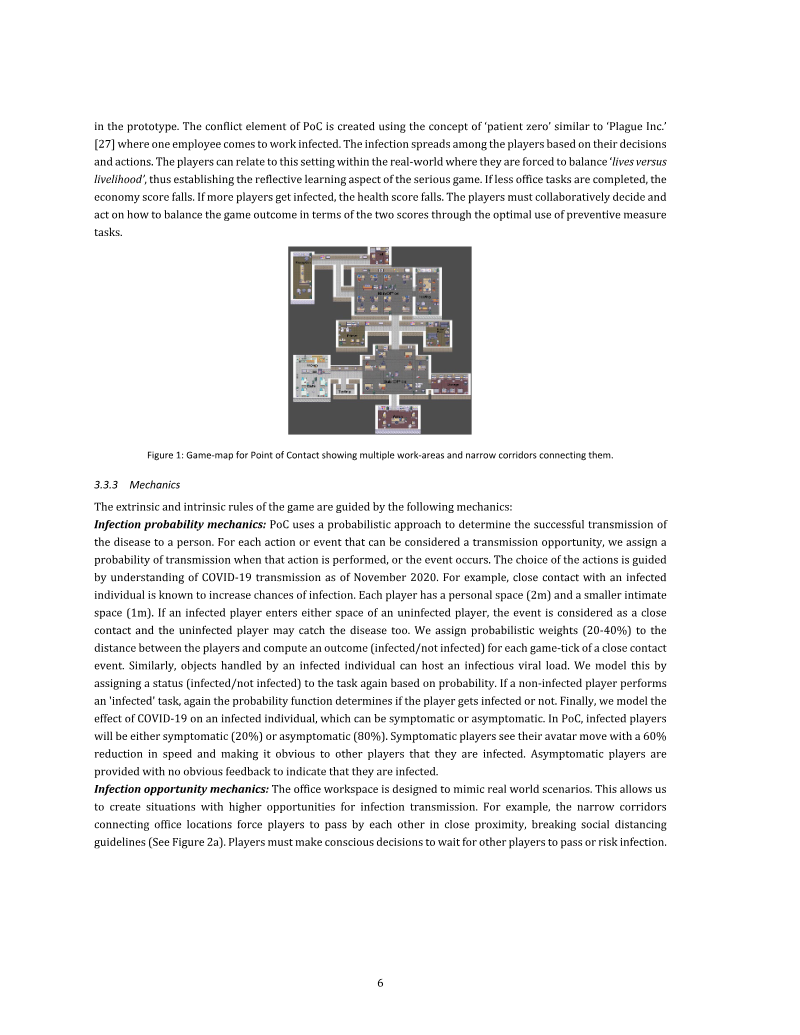
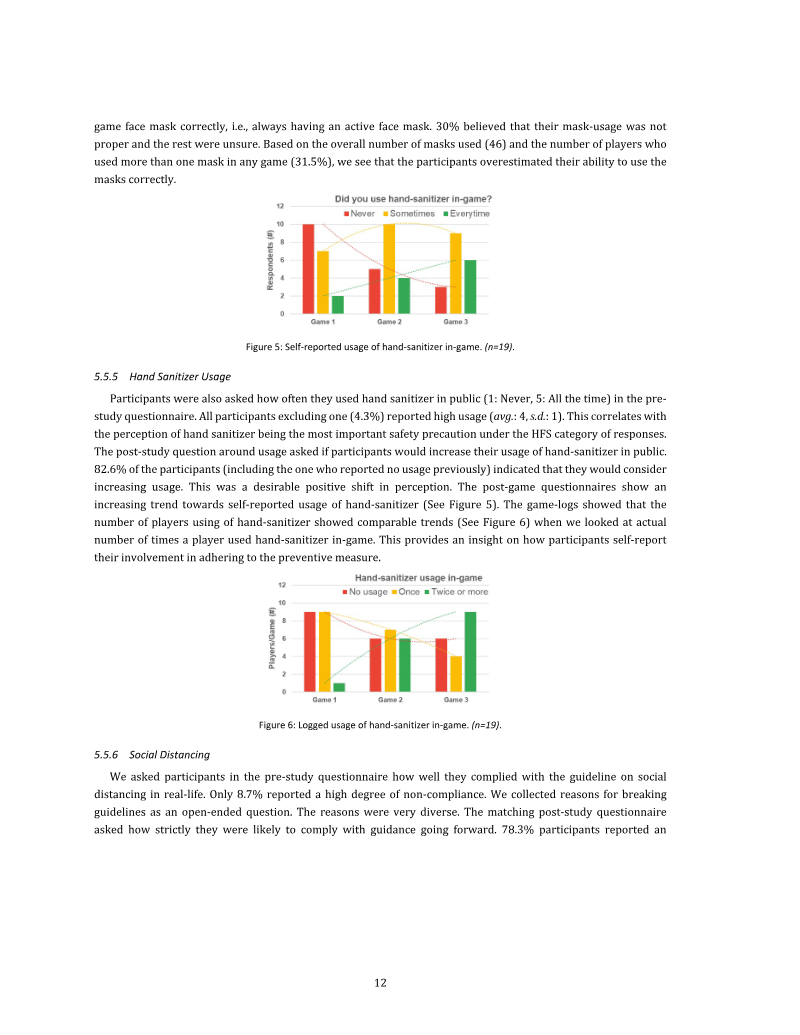
Point of Contact: Investigating Change in Perception Through a Serious Game for COVID-19 Preventive Measures
ACM CHI PLAY · 2021