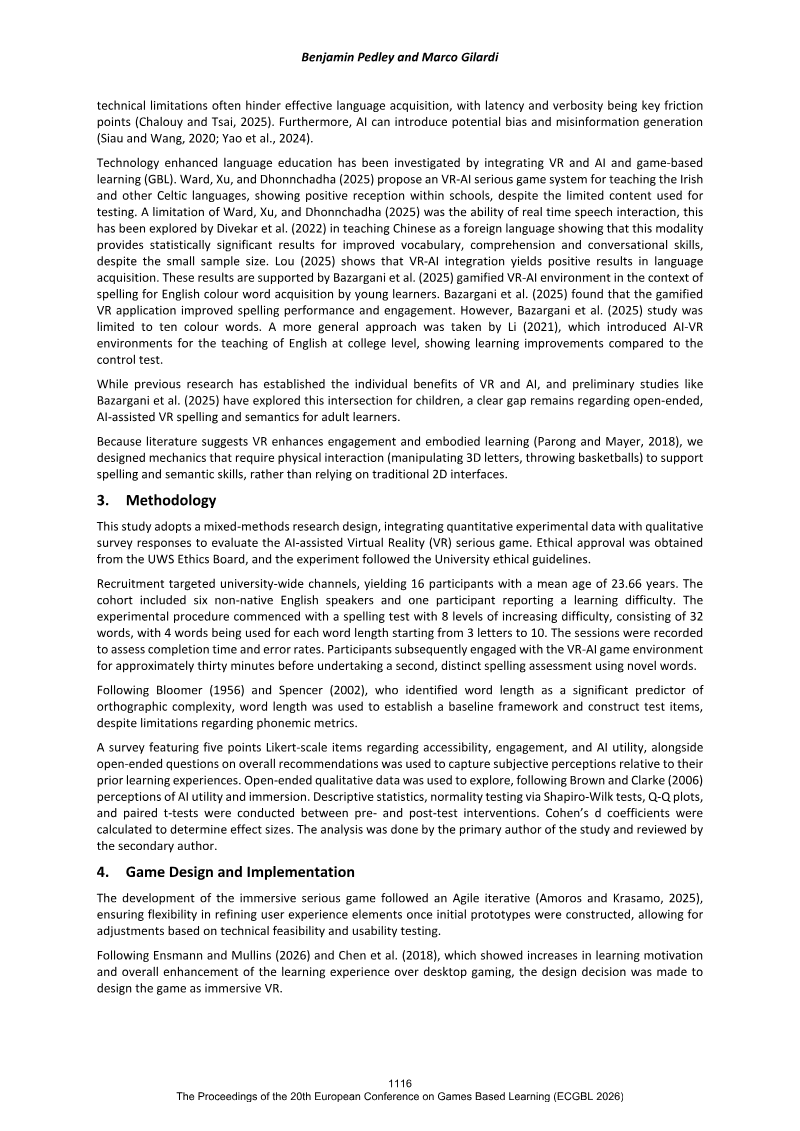
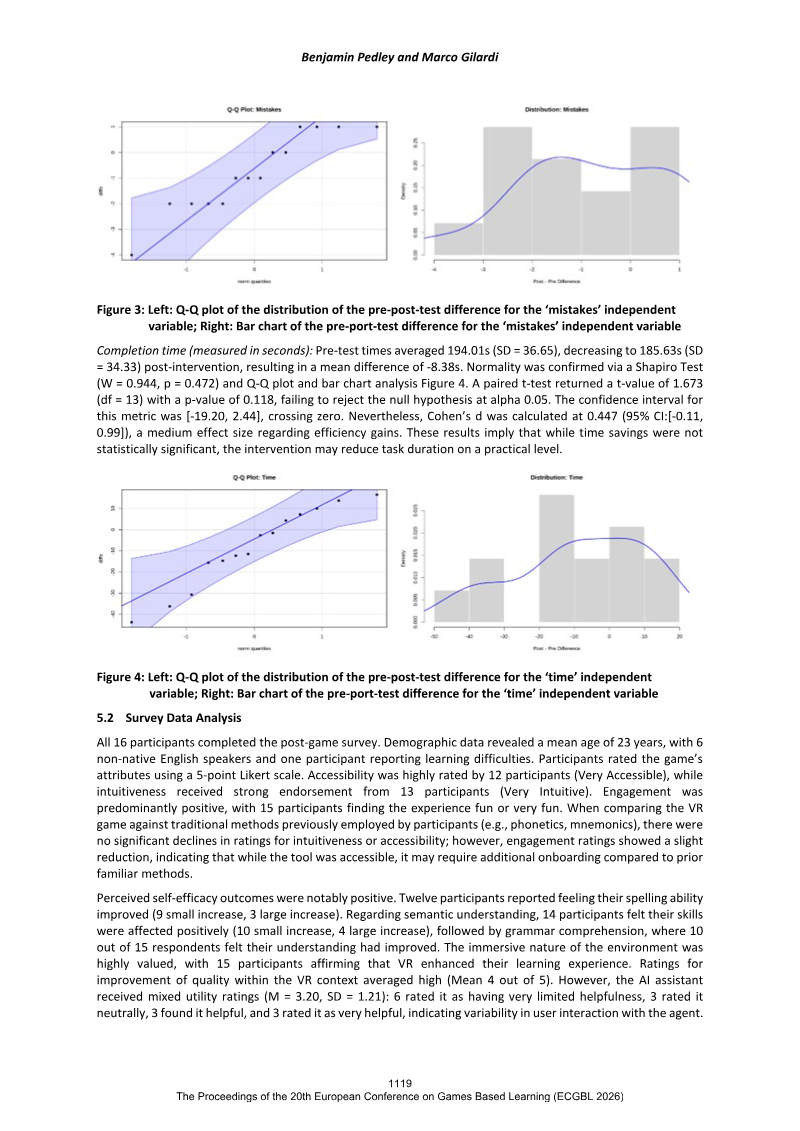
Emergent Gameplay, Emergent Essaying is a practice-based doctoral thesis that introduces a hybrid creative form by merging game design mechanics with experimental essay writing. Developed on the Twine platform, the project functions as a non-linear, browser-based experience that rejects traditional, goal-oriented narrative structures in favor of open-ended exploration. By utilizing interactive elements such as persistent inventories, numerical variables, and live external data—including weather and time—the work creates a responsive, performative environment. This framework prioritizes the process of "essaying" as a collaborative, writerly act, inviting readers to navigate fragmented texts that mirror the unpredictable rhythms of contemporary digital life.
The project’s core thesis posits that emergent gameplay serves as a vital tool for resisting the optimization and linear speed of modern digital environments. By incorporating "glitch aesthetics"—where system errors and unintended narrative paths are treated as sites of potential rather than failure—the work challenges the boundaries between creator, reader, and character. These glitches, alongside the use of "portals" and recursive narrative loops, allow for a nuanced exploration of complex themes including neurodivergence, personal trauma, memory, and the instability of digital identity. The work effectively frames the act of reading as a performative, improvisational event that prioritizes curiosity and critical-creative thinking over conclusive resolution.
Technically, the project employs JavaScript, CSS, and complex URL structures to maintain continuity across five interconnected essays, ensuring that player choices and emotional inputs influence the narrative trajectory. By blending lyrical prose with technical meta-commentary, the work examines the intersection of human consciousness and algorithmic systems. Ultimately, the project functions as a "walking and thinking simulator" that encourages a slowed-down, reflective engagement with digital media, positioning the hybrid essay as a generative pedagogical tool that bridges game studies, digital literature, and interdisciplinary theory.