1 free read left. Create a free account for unlimited reading + AI research.
Create free accountArticle Eludamos: Journal for Computer Game Culture
1 free read left. Create a free account for unlimited reading + AI research.
Create free accountArticleEludamos: Journal for Computer Game Culture
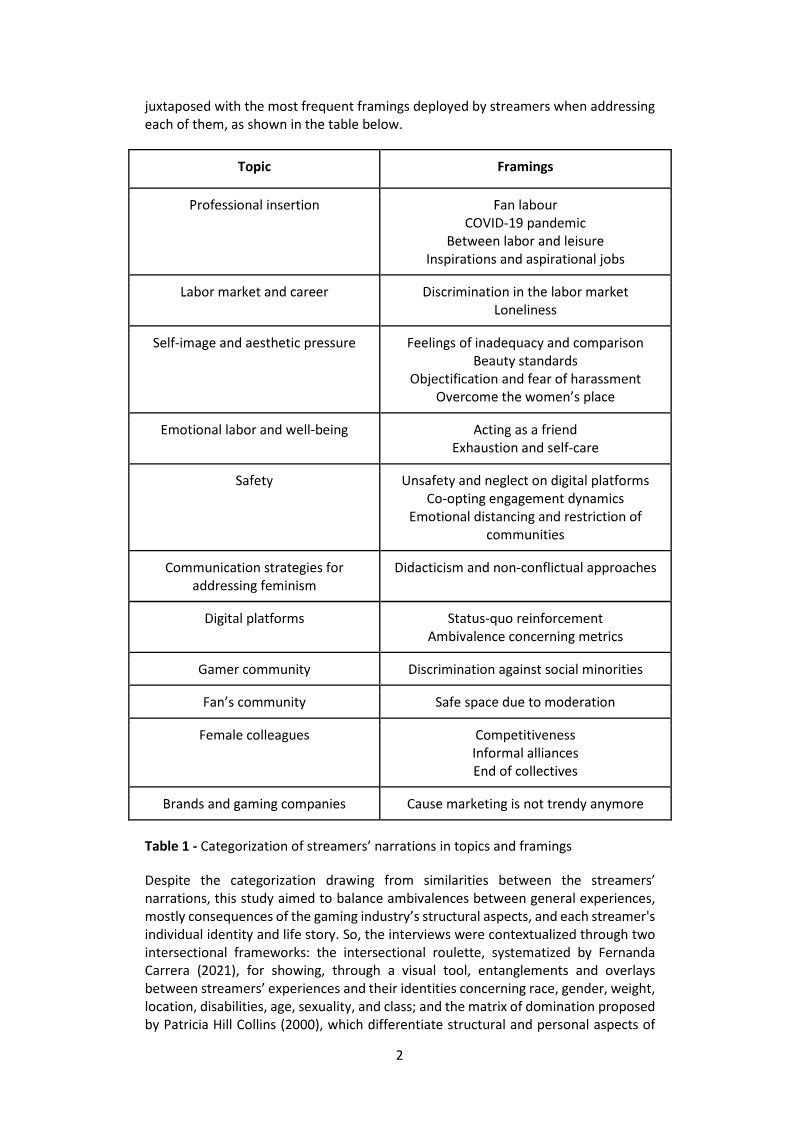
The study examines how feminist and LGBTQ+ grassroots esports collectives in Brazil have been increasingly absorbed into corporate-sponsored equality initiatives and influencer-driven cause marketing.
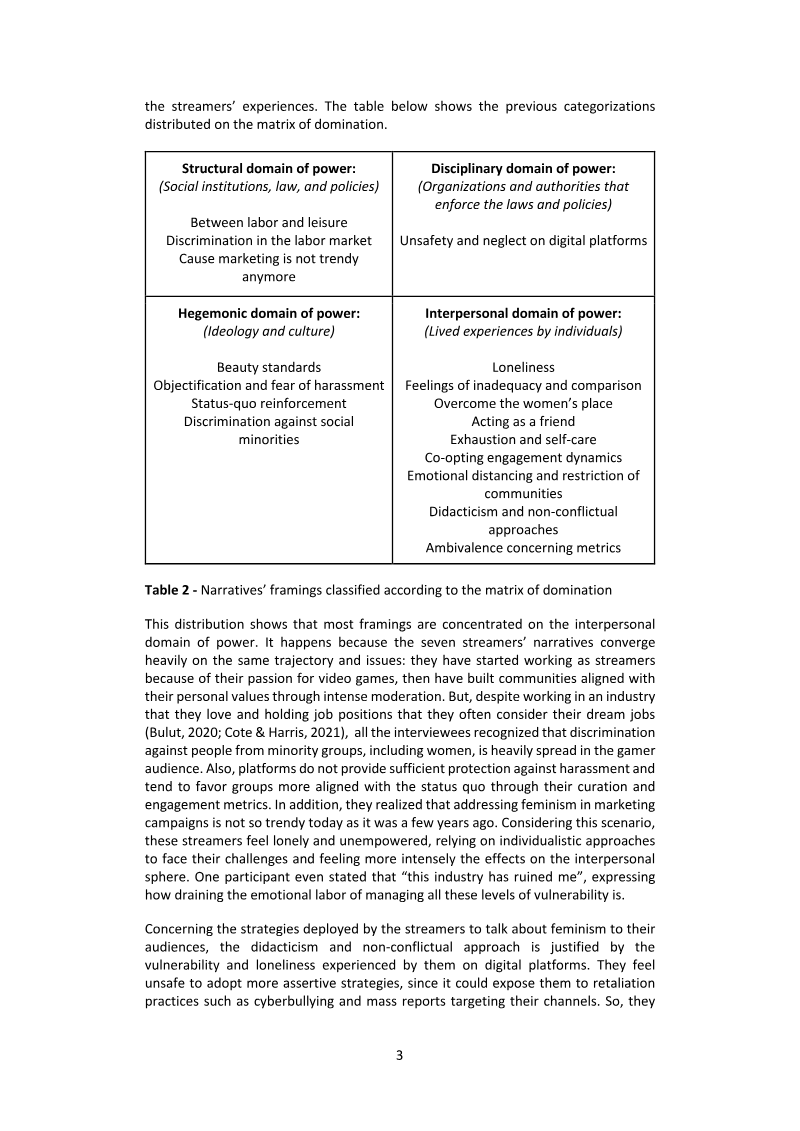
Beatriz Blanco's study examines how feminist and LGBTQ+ grassroots esports collectives in Brazil have been increasingly absorbed into corporate-sponsored equality initiatives and influencer-driven cause marketing. Its central question is whether alliances between grassroots collectives and cause-driven marketing genuinely improve conditions for women in Brazilian esports. The argument is that this convergence produces real ambivalences: it brings visibility, funding, and competitive opportunities, yet it can displace community-driven practices and leave minoritized workers exposed in a sector that lacks formal labor protections.
The analysis centers on the rise and dissolution of Sakuras Esports, a women's collective whose partnership with INTZ on the Projeto Invocadoras tournaments illustrates this absorption. Riot Games and INTZ benefited from the collective's visibility while offering little or no compensation for its work. A key case involves Mayumi, the one female player recruited, whose role was reduced largely to public relations; she eventually left and sued the team. The study also finds that unpaid volunteer labor and precarious job markets pushed activists toward individual digital influencer careers, a shift the author connects to post-feminist, self-entrepreneurial logics prevalent in gaming culture.
The conclusions are nuanced. Cause marketing has expanded competitive pathways and enabled some women to work full-time in esports, but it prioritizes visibility over structural change. Amid weak labor regulation, feminist grassroots collectives have largely been replaced by individual influencers whose activism must conform to platform logic, leaving them in fragile and unprotected positions. Drawing on interviews with seven women streamers and an exploratory single-case design, the study acknowledges its limits and calls for future research on surviving labor-focused collectives and on how company–activist relations shape labor regulation in Brazil's esports industry.
Each row is a game or company this document names, each column a document, oldest first. A mark means that document names it. Select a row to see those documents.

Eludamos: Journal for Computer Game Culture · 2026

Eludamos: Journal for Computer Game Culture · 2026

Eludamos: Journal for Computer Game Culture · 2026

Eludamos: Journal for Computer Game Culture · 2026

Eludamos: Journal for Computer Game Culture · 2026

Eludamos: Journal for Computer Game Culture · 2026

Eludamos: Journal for Computer Game Culture · 2026

Eludamos: Journal for Computer Game Culture · 2025

Eludamos: Journal for Computer Game Culture · 2025

Eludamos: Journal for Computer Game Culture · 2025

Eludamos: Journal for Computer Game Culture · 2025

Eludamos: Journal for Computer Game Culture · 2025
DiGRA · 2026