1 free read left. Create a free account for unlimited reading + AI research.
Create free accountArticle Deconstructor of Fun
1 free read left. Create a free account for unlimited reading + AI research.
Create free accountArticleDeconstructor of Fun
These updates act as immediate catalysts for market changes.
It's like a sudden recall for a car model, immediately impacting its resale value.
Key Impact. Game-balancing updates cause immediate market volatility for associated digital assets.
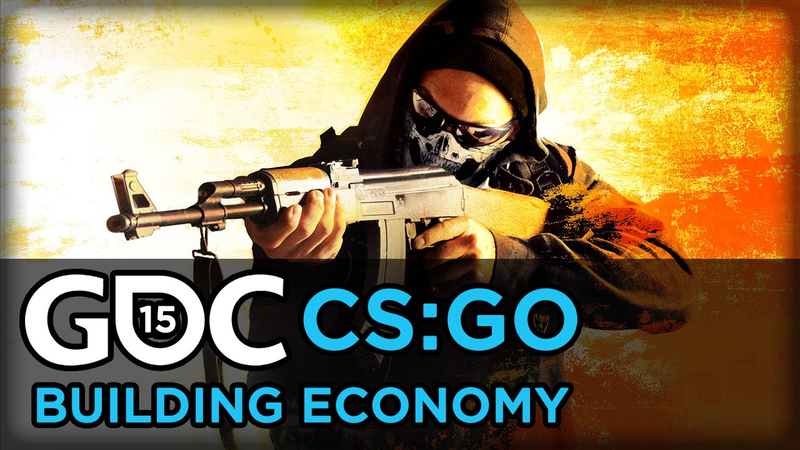
The marketplace within Counter-Strike: Global Offensive serves as a primary case study for understanding mature, player-driven game economies. By analyzing historical data from 2015, the examination illustrates how classic economic principles—specifically demand shocks, substitution effects, and income effects—manifest within digital asset environments. These dynamics provide a framework for developers to design and manage sustainable economies in modern gaming titles.
The analysis highlights how game-balancing updates directly influence market behavior. For instance, when a weapon’s utility is nerfed, the market experiences a sharp demand shock, causing the price of associated skins to fluctuate significantly. Furthermore, the introduction of new content triggers a substitution effect, where demand for older, established items declines as player attention shifts toward newer releases. These shifts are often immediate, though the speed of price adjustment can vary based on whether players are actively trading or holding inventory.
A critical finding involves the income effect generated by the distribution of loot boxes. When new cases are introduced, players earn assets that can be sold for real-world value, effectively increasing their purchasing power within the game. This influx of liquidity drives demand for lower-end items, causing prices for budget-tier skins to rise even as premium items experience downward pressure. This behavior underscores the importance of analyzing individual player incentives rather than relying solely on aggregate market data. Ultimately, the study concludes that transparent, floating-price marketplaces offer invaluable insights into player behavior, making them essential models for developers navigating the complexities of modern live-service and user-generated content economies.
Deconstructor of Fun · 2026