1 free read left. Create a free account for unlimited reading + AI research.
Create free account
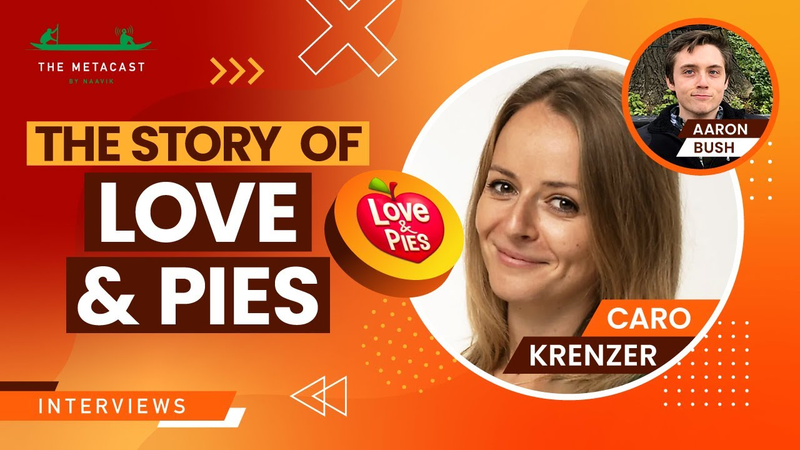
Caro Krenzer: Building Studios, Navigating Change & Fostering Inclusivity - The Metacast by Naavik
Key insights
6 takeaways- 01Trailmix balances high-performance mechanics with inclusive, narrative-driven gameplay by focusing on a 'snackable yet nourishing' design philosophy.
- 02The studio successfully pivoted its flagship title, Love & Pies, from traditional level-based puzzles to a refined merge-2 loop to improve long-term engagement.
- 03Leadership maintains that high-performance metrics and workforce well-being are not mutually exclusive, viewing both as essential for navigating mobile market volatility.
- 04Trailmix maintains operational autonomy while leveraging a majority-ownership partnership with Supercell to access critical industry resources like data analytics and recruitment support.
- 05The studio prioritizes sustainable scaling over rapid headcount expansion, ensuring new hires align with a culture that balances high care with high performance.
- 06Long-term success is driven by a combination of rigorous quantitative testing, patient investment, and the integration of deep narrative elements into mobile free-to-play loops.
Ask AI about this video
Transcript
[Music] hold up [Music] hi everyone and welcome to the metacast by novik a podcast in which we explore the business and future of video games I'm air Aaron Bush and in this episode I'm thrilled to host a conversation with Caro krenzer the co-founder and CEO of Trail Mix A mobile game Studio behind the hit merge 2 game 11 pies which just celebrated its one year anniversary Garrow thanks so much for joining hi Aaron thanks for having me awesome so before we dive fully into trail mix and loving pies and and everything fun and exciting there let's go ahead and start by setting some
context for people who may not know your story so Cara what got you into the games industry and what were you up to before trail mix sure um I arrived in the games industry in quite an accidental way I suppose um my background is in finance I went to business school I worked for banks uh and all kinds of other companies and worked for Accenture as a Management Consultant before I met someone serendipitously who worked in London for playfish and told me about her amazing job as a product manager and I actually couldn't believe it how much fun she had at work and how how passionate she was about what she was doing and um I don't think I would have ever guessed that there could be a career for me in the games industry it was just not really a thing and to be honest like growing up games where definitely in our households
more thing for the boys and not not for myself um so so yeah I quite stumbled worlds into the the gaming industry in a way and so playfus took a risk on me really they hired me as a product manager in one of their games in 2010 and I moved to London and never looked back awesome yeah I I stumbled into the games industry too without expecting um so glad there are more people like us um well well great I know you know you spent some time at EA in King but I'm curious what were the the personal motivators that made you want to start your own business after spending some time at these other companies sure um both playfish who then get acquired which then get acquired by by a and um and King were uh incredible learning experiences for me and I I I've been so
incredibly lucky to uh have ended up in in these places that were obviously highly successful and uh you know gave me the space to to grow in in my role um I think really what what drove us to leave King uh me my co-founder Tristan was because we wanted to create a place where people can truly be the best version of themselves because I think over the years we've we've often seen that you know like the the right people in the wrong place just can't be the best version of themselves really and so so it's always been incredibly important to us that we that we create um a team that is diverse the true truly reflects our audience but that also truly respects our audience which honestly in casual games at least in the past has not always been the case so it was incredibly important for us that we create an environment where where where those things are true um and also we especially at King when
we were still there Candy Crush had already 300 million monthly active users which is absolutely mind-blowing and yeah I think we saw how many people you can actually reach with really good mobile games and we always asked ourselves the question what is what else can we give those players Beyond sort of like the bite-sized entertainment and if you read so so many people like what what is it that you can do to really have a positive impact and those were really to drive us that led us to the founder mix awesome and we'll talk much more about culture and how you're you're thinking about inclusivity extends to um love and pies but to just get still get a bit more background um could you tell me a bit more about trail mix um you mentioned you know building a workplace where people can be themselves and respecting the the player but what really is trail mix's mission and what's the state of the company these days
sure so the sort of nourishing spaces for millions of people that does include a team that does include the audience and it's really quite like purpose and Mission driven to to have a positive impact on our employees on on the gaming industry and ideally on the whole world um and right now so we we found a trail mix in December 2017 and now we're 47 people we're based in in London where we are in the office three days a week um and and we have a lovely office in King's cross which is very Central um and it's been fantastic to be together again actually awesome well let's go ahead and zoom back in time a little bit when you did start trail mix in 2017 what was the thesis of your first Envision game I'd love to hear a bit more about how you got off the ground and what those early days of
development were like sure um in terms of the game I suppose for us we always Envision trail mix games to be sneakable yet nourishing that's actually why we call the the company trail mix and so what does snackable yet nourishing mean um I mean first of all snackable as I said we worked for for King for five years before that really the the first nine people who joined trail mix worked at King we all uh all made mobile puzzle games and specifically matched three games there and um and I think the snackability of a really good match three game is just it's just so incredibly delightful um but we also had just worked for five years on match three games so I think we were a little bit burned out by working on match three games so we really want to figure out what what is next what is the next match 3 game and we wanted to make sure that it's us who who finds the the next mechanic that that can be so uh so fun and reach so
many people and then secondly then the nourishing for us is really about creating worlds that are safe for people that are fun for people that that give people more than maybe what they get in other mobile games and um in particularly the the you know like story driven games and using a story and really strong narrative and creating characters that that represent our audience was always uh very important to us right and I guess as a follow-up and the you know the early iterations of love and buys when you were hunting for that new mechanic you were you know you're trying to innovate on a core mechanic and I think you can correct me if I'm wrong but I think it was like you were merging like the tile blast mechanic with Auto merging but I never really quite clicked in those those early phases what did you learn from those like early iterations um sure well the the core idea or the
idea for the original core gameplay really came from my co-founder Tristan who's also designer and he I at the time was really into merch games but you know I always had a incredible love for Candy Crush and he at some point said that like what happens if you just combine you know like a core mechanic like merge dragons and Candy Crush and I was like this is the best idea ever and so we got we got really carried away by this and really tried to make this happen um and I think the my biggest learnings from working on Disco mechanic for a very long time and they're not working out as well as we thought it would are that it's really easy to get carried away by by a great idea that you're very passionate about and that you also get like very positive early feedback on um definitely our friends and family were very excited about it uh industry friends were very excited about it I
think uh for for a long time the one really had tried to innovate and sort of like and that the puzzle mechanic uh sort of area and so uh so we get just so much good feedback and so we were convinced that this is going to work and I think that that also meant to some extent that we did quantitative testing much later than we we should have um and and when we did the the quantitative testing uh the first iteration was absolutely bad um and over the over the years we got it to a state where where where it was pretty good but even then good as the enemy of great right and so um so yeah it's it's it's in a it's in an area where it's just so tough to make the decision that's just not gonna work out right and by just to clarify by the quantitative testing you just mean key metrics like retention uh like engagement all of those kinds of
things yeah correct and uh and and within that actually I uh what we focus on too much I think is the the short-term retention we were very keen to get uh day one retention above 50 and I think we were so focused on dead dead we neglected collecting more data points early on because in the end we we got we got day one to above 50 and day three also look pretty good but from there on it just kept declining and generally the retention curve just looked quite unhealthy um in terms of the churn and we only saw that relatively late because we actually didn't prioritize day 30 retention um so I think that that's another big big lesson that in the end day one retention really doesn't matter it's so important to understand what the what a retention curve looks like yeah no that's a really good lesson um and just to click into that a little bit because I'm curious but like
what about that mechanic didn't lend itself to longer term retention what was what was like the core learning there for puzzle games especially failed stage puzzle games like Candy Crush or or clickers that way where you can purchase five extra moves for example they um it is so important to get the right balance between uh skill and luck because only then it makes sense you know like you get you give players the right challenge they feel that you know like there they're really good at the game uh it also motivates them you know in the end to make this uh five extra five moves sort of like purchase um and our mechanic was definitely just a bit too high on the the luck spectrum because um of the chain effects that we basically created without chain effects it was a bit too static with chain effects it was just too much luck involved so we never got we just never got the balance right
gotcha um that makes sense um you know as we were saying before we started recording um novik we recently um wrote a big deconstruction game deconstruction on love and pies in navic Pro and Cara I don't know if you've seen it if you haven't I'll send you the the doc afterwards um you might be interested but you know after playing and learning more about the game my favorite part of the 11 Pi story is the massive pivot that your team underwent you know many people who play the game now might not know that love and pies you know spent three years as that level based puzzle game that you were describing and only more recently right like a year ago became what is now the you know the launched highly successful merge 2 style game um I'd love for you to unpack the story of that pivot you know at what point did you know that change was needed and how did you actually go about making this
massive change be so successful sure um well lemon pies really is basically five different games at this point because we we obviously we have to the core The Meta the story and we actually sort of like mixed and matched all of these elements uh quite a few times over the years so really understand what works for our audience and what yeah just what resonates the most and drives good kpis we we did actually test various uh cores that had variations of sort of the merge with gravity as we call it um and we were quite married to that idea because of the the failed State uh gameplay um from a monetization perspective that has been our bread and butter you know had been our bread and butter for many many years and we felt that you know like that this works we should focus on this so we we did shy away from a little bit from the the persistent board mechanic if that makes sense but uh as
mentioned before I think the the the biggest mistake was really that we spent too much time focusing on retention trying to over the years with all of the different sort of variation and mixing and matching and uh trying to figure out we did neglect what um sort of like the long-term retention impact of a merge with gravity mechanic would be and we founded out relatively late and really I think what what helped us to make the decision in the end uh to Pivot was that when we saw the long-term retention numbers and also the sort of like the the longer term monetization numbers we just we realized that that we're not there yet but we wanted to give it one more try the team was obviously incredibly passionate about the game so we released a massive update that had lots of different life Ops features because like some we kind of one we were
wondering if that maybe what could impact lower than expected long-term retention is that it was pretty bare bone nowadays like nowadays uh players do expect a lot of Life Ops features and events um so we released this amazing update and it had absolutely no impact whatsoever and I think at that point that was obviously incredibly frustrating but also it really helped us to make the decision that this is just not going to work yeah um I'd love to just dig into your head a bit on how you were feeling as a leader going through all of this was it a situation where you know you had sleepless nights you know stressed about you know the fate of the company being on the line if you don't figure it out where you you know calm you know confident that you always knew you know from your experience in the team's background that it would always be figured out like what was going through your mind at this time that's a good
question and uh I would excited obviously by founding and leading a startup it's all about managing change and uncertainty and difficult situations um it feels like everything is just constantly changing and and uh and and there are so many things that need to be figured out I also think that as a as a Founder you have to be an incredible Optimist sometimes to false and you have to be crazy if we are being absolutely honest about it right um but I think yeah I mean when we when we saw when we started soft launching the the game with the the old core which we believed would definitely work uh there was in February 2020 and in March 2020 we in London at least went into lockdown and so basically the moment we went into lockdown we saw that our retention numbers are really really bad and the
game as it was just wouldn't work so so not only didn't we have a game that we could uh you know like that that look promising we also basically had a a killer virus out there that was yeah so just so many and we had to to move from uh you know being only used to working together in an office environment so everyone suddenly has to work from home um so so it really wasn't an easy time and uh and definitely the harder days were probably more frequent than the than the easy days um however really the team has just been so amazing like through a doll and and I guess the the foundation we had from the from the beginning in terms of the the people who joined us what our you know like mission was from day one and so of like how we we trusted each other and believe that together we can do something amazing I think really definitely pushed me through and I I
don't think I ever I ever questioned that we together can make something work yeah no that's that's all super interesting and hearing you say that makes me think that um you know obviously you know it's a tough spot when you have a game that's not working the world is falling apart at the same time you know as a leader it's one thing to Center your like Center yourself but then also rallying an entire team to continue on that mission um that's hard but it seems like it wasn't as hard in your case because of work that was put in Prior on hiring on culture on making sure that people are aligned and excited about whatever it is that you were building um yeah I'd love for you to comment on that a little bit like what like what were the seeds that you said at the beginning that made change for your team easier than it would have been otherwise I get I guess it shows again that teams
um teams are the focus on teams like is really the most important thing um and really building a team that wants to work together and that that's in it for the long term is so incredibly important but I guess it's also uh you know like sort of like setting and living the culture of the company and um sort of like defining what's what's important to you as as people and I think that for us as a company it's always been incredibly important that that we create an environment uh you know that allows us again to be the best version of ourselves and that you know that's a very respectful and kind environment um and I think it's actually also important to to add to this that we've also been incredibly selective when it came to our investors right and supercell was our seed investor so when we went through all of this um we not only had an incredibly
supportive team but we also had an incredibly supportive investor who didn't put unnecessarily unnecessary pressure on us gotcha that's good so we'll we'll dig back into um supercell as an investor and your culture um in a moment but I guess to even just um kind of helped segue us there a little bit more in the context of love and pies um obviously you know you did end up successfully transitioning the game into something that has now become extremely successful and now has um like very strong engagement metrics and obviously at this point also you've now scaled up live Ops you've also but you've also done a good job of infusing elements like narrative like gradual progression on the board and pleasing Aesthetics and interior design choices lots of things that appeal to different types of Gamers and 11 Pi is um you know I think as you're alluding
to earlier also does a standout job of supporting inclusivity in its characters in a way that many other games teams see team to struggle with or just not even prioritize and before we move on to culture and investors I just love to have you explain how your team thinks about inclusive game design um we're actually pretty structured and maybe even a bit clinical about our approach to designing diversely um and I do want to highlight that that obviously all comes from our writing writing and design team and our team and so I mean I can take absolutely no credit for this really but they've put so much effort and work into making sure for example that we're super accountable for example our writer spent a lot of time putting together a database on actually merging like us and UK demographics and then she basically
scaled it down to sort of like the number of characters that we have in a game and then focused on you know like adjusted to overrepresent ages sexualities ethnicities which are normally underrepresented in games um so so clearly you know like a lot of thought and structure went into that in the first place and I think another one that's generally very important to us as a company are two things that are really important for us as companies uh is curiosity and that means sort of like spending time with content created by creators that don't necessarily look like us right and really making sure that we're engaging with stories that are not only our own and that we talk to people who are who do represent um sort of like the characters and our game and our audience and the second one is really about respect and that means that none of our characters ever don't show
respect to other characters even the even the baddies in the game still have certain limits what they what they would do from a from a narrative perspective and I guess a fundamental part of love and pies game design game design is to create a safer nourishing space for for players so we make sure we we avoid trigger words or situations that um that sort of like destroyed this the safe and nourishing space um but I think most important uh importantly for you know being able to design for a diverse audience um and making a game and creating a company that's inclusive is really to to have everyone on board and have a team that shares the same values um and have really you know know like ensure that those things are just core pillars of of the company really yeah I think it's great what you're accomplishing and leading on here
um and I think it's also a testament again to what you're just saying that it works really well because you had the intent in mind um from the very beginning um I mean I think we would probably would both agree that we would like to see more thoughtfulness around inclusivity and you know this kind of structured thinking in more places in the industry um but you know maybe you know from certain perspectives over there it might be harder to to do because they don't have that day one culture set so I'm curious Carol um if you had to give some advice to you know game leads or Studio leads at other big companies that might align with this Vision but are kind of struggling to figure out how to get there what would you say I would say that um I mean that that kind of fits into the the culture topic right and culture is always what you what you do are not not what you say and so I think it's
it's so important that that we have really good role models and so I I generally feel that obviously we we as a games industry who you know is actually so powerful and can have so much you know such impact on on our audience but also our employees it's almost our duty to focus on you know having a positive impact and um and even help to to change societal change to help societal change effectively so yeah I think that that's my my main recommendation make sure you you basically lead from the top nice um so I did have a question of about culture here but in some ways we've already been answering it because it's been a foundation of so many of these other things that we've been talking about but I'd still like to give you a chance is there anything else unique about your culture that you want to highlight or call out that you're proud of I think it was always important for
us that we that we would show a dead high performance on high care and not mutually exclusive because sometimes companies or the gaming industry makes it look like they're mutually exclusive there are a lot of companies that are incredibly high performance but maybe don't really care as much for the employees and then there are other companies that maybe focus more on high care but potentially neglect sort of the fact that in order you have in order to to have a really positive impact on many many people you actually have to be successful um so I think I'm very proud of the fact that we've we've kind of shown the industry trade that that both as possible right yeah it makes sense there's there's a balance to strike there but it's um definitely doable um I'd like to maybe Zoom back a little bit I know you were also a founding member of King's London studio um I'd love to hear about what lessons
and Studio building you learned there that were great that you then were able to apply to getting trail mix off the ground what were some of the the good things that you learned there's so many good things um there's so so many good things that that we learned at King and the opportunity to be able to set a studio up from scratch even before Candy Crush Crush was was launched on mobile and being able to to launch a game uh called from hero saga that that became very successful for King uh was was really incredible and I think what king did really really well in the early days um was to focus on the actually a very inclusive culture um King is obviously a Swedish company and when we when we first set up the London Studio we had the opportunity to actually get uh two Swedish developers uh as Lonas so to say as our as part of
our core team and um and that really helped us to sort of you know like make sure that our studio would also reflect the overall sort of like more sweeter you know Swedish King culture and um and builds uh you know like basically a help build a really really good culture uh for the team sweet um and I I kind of want to ask you about like stuff that you didn't want to take but before then um this was a total tangent but when I was looking at um you know the the meet the team page on your website Carol I know you also have a favorite word that um I saw in your your bio on the website I don't know how important this word really is to you but it sort of intersects with some of the things that we've been talking about about you know how to build inclusivity and your cultures and your games and your office so I just wanted to ask what is your favorite word and and why total tangent
uh okay well so um it's a German word uh and uh you pronounce it and it's kind of like it's similar to Hager I think which is more uh more well known internationally um and it's it's basically coziness right but um sort of uh it just feels uh it just gives you the feeling of like a very safe space that makes you feel very comfortable that gives you a psychological safety it probably involves um Woolen socks and hot chocolate but but definitely like this word and and I guess the you know the English translation really uh the Cozy um has been an inspiration for us in many ways we we actually when we talk about love and pies um we we say that love Empires is a cozy Telenovela um and that basically means that it
makes you feel really really good but it's also exciting and sort of like the the twists and turns of a telenovela are just just crazy and exciting and um you know like want you to explore more uh but we wanted to make sure that it's still sort of like in the Cozy realm um and actually if you were to visit us in our uh Tryon mix in our tramix London office um then you would notice that it actually feels like your favorite coffee shop when you walk into the office awesome yeah so let it be known that I I do my research and don't let any stone go unturned I just had to had to know more about your favorite word even though it was a total tangent and it got me lost than an abyss of thinking about what my favorite word would be and I still have not figured out an answer but but now I'm inspired but anyways back to talking about what you learned um from King you did a great job describing you know a few of the things of the good things that um you took from Kang but
I'm curious was there anything else maybe not necessarily bad about King but things that you just wanted to do in a different way or rethink it you know sort of from the grounds up we'd love to hear your take on that too I think I'm our main learning was that um we just grew the king London offers too quickly um I think we then we obviously sort of were riding on the the wave of success and um and I think to some extent we felt that a measure of success is how quickly you can grow the studio and what I what I was talking about earlier in terms of like you know setting the the culture correctly at a beginning and sort of like getting getting a lot of support from King and Stockholm to do it properly um I think we by growing so quickly that it really did have a negative impact on the the culture long term and that means for trial makes our one of our biggest learnings really has always
been that uh it's really not about the quantity uh it's about the quality and uh you should never hire for uh Vanity's sake in a way um and it is interesting when you when you start a company and you start raising money and people often comment on how sort of like slowly you Crow from a from a headcount perspective and that you know there's other companies already has like 200 employees and uh and we always smoked a little bit about this because we kind of we we made the experience that this is just not really a good thing right especially if you want to if you want to build something that lasts for a very very long time you have to be incredibly rigid when it comes to hiring and you have to be incredibly focused on onboarding the the people that you hired well into the team and and give them the space you know like give them the space to absorb the culture and and also make sure that you
don't remove accountability and responsibility from people just by you know like adding more and more people to the team it's it's often absolutely unnecessary yeah yeah that's well said um before moving on I was going to ask now that you're you're five years in the trail mix are there just any other entrepreneurial lessons learned that you didn't expect um that that are worth sharing any any words of advice for other of us first time Founders trying to figure everything out oh my God so so much and it's just it's been such an incredible learning experience um I would I would say that my entrepreneurial Journey has been incredibly character building um in the sense that I feel it taught me uh to be more humble really and also more thoughtful it taught me that it's always a good idea to just ask people for help and
also the fact that you you just are not going to have the answers for everything and uh and you don't have to right because in the end you you should build a team that that is actually you know like you should hire people that are better than than you at what they're doing and um yeah I think those are my my main lessons love it um great well let's go ahead and move on um to some to some final topics um so so one based on how trail mix talks about itself on your site it's clear that you're now thinking bigger than loving pies and I won't dig into exactly what's next unless you want to but um more generally how are you and trail mix thinking about scaling from here um like what in the future are you now really excited about well we are excited about the situation that we are in at the moment which is basically we have a
really strong team we have a great Foundation we have a beautiful game that our players love that has amazing metrics since May we are a majority owned uh supercell investige company which basically means that we're still operating fully independently but we do have a really strong partner who whose resources we can leverage and um who who also gives us the opportunity to really work under the the big sort of like the big bets if that makes sense um and coming back to our core pillars and what we why we founded a trail mix we we do want to build those safe and nourishing spaces for millions of players um and we do want to have a real impact on on you know our players our employees
the industry and and hopefully Society at large um and so so I'm really I'm really excited about uh you know like taking the Mandate of using games for goods and sort of uh yeah pushing it to the next level um I think that the way I think about this is that in the end in order to be able to to really have a positive impact you first of all actually have to have to be successful and so I think as a company generally that is that is obviously our our biggest Focus to make sure that we we do make games that um that have the potential to be top Crossing games uh but then use our success to yeah to really to really have a positive impact gotcha um are there any other things that you're thinking about related to scaling in terms of um either like what you want to make sure stays the same in your culture that maybe is is hard as you you grow your
head count so much or pitfalls you want to avoid that you know other things you've seen in other Studios that you've worked at or watched how are you thinking about scale from like the culture Ops perspective yeah I mean we're definitely most thoughtful about like how we how we scale sustainably how we um ensure that we you know keep hiring the right people how we make sure that um you know from a from a cultural fits we we bring people on board to enrich the culture and um I guess really believe in our mission as a company and one of the we have a few initiatives sort of that we that we're starting to implement to uh make sure of that and one of uh which is actually we uh we brought on board a people and well-being manager um who really focuses on sort of the employee Journey if that makes sense um so from hiring onboarding uh even you
know to the to the point when you know decide to leave ceramics at some point uh as part of like an alumni group and making sure that you know we keep we keep supporting uh our our former employees Way Beyond you know their their tremix experience gotcha no that's that's all really interesting um I want to hit on the supercell topic a little bit more um you mentioned um show Lex is now supercell majority owned it seems like you have pretty strong autonomy but you have additional resources that are potentially available could you talk a little bit more I think I think a lot of people are curious about this what does it really like to have supercell as an investor like what are the things that people who aren't in that position might not be aware of of how that works or what the the benefits are I think it has changed quite a bit over the years when they first invested as a
seed investor I think we were the second minority invested company and um yeah and it also meant that they were super super hands off and we checked in every now and then but really they just got completely out of our hair and we just did whatever we wanted to do which we obviously very much appreciate it um as a new company um at the same time though I suppose as we you know got to know each other better and um as sort of you know like I think supercell also um you know started investing more into sort of the investig group we've we've definitely started seeing a lot of uh synergies and have been have been getting more and more more support from supercell especially now as a majority on a company and we we we definitely feel that the investig company strategy is a is a very very important part of
the overall supercell strategy and they make available a lot of resources which we would just not have access to so I think they they do a really amazing job and sort of like finding a balance between being incredibly hands-off and just letting the teams pretty much get on with things but now also have a support system that really that really allows us to be incredibly successful having them you know on board as our investor and and um you know like definitely making it more than just a financial partnership right what what does that look like like what are like what is that support system um mean besides money pretty much anything we need I mean it's uh it's very much a um a pulled system uh and a sense that um if we find ourselves in a situation where we need um some data support you know like we we
ask if you know like someone can help us for a while or at least give us you know some high level input or for example when it when it comes to I guess especially as smaller companies as you don't have a lot of the sort of more corporate functions I suppose like there's a lot of support in for example uh getting some advice from PR how to do this well you know or getting some advice on from their recruitment team and um getting some advice from their marketing team I mean they they have such excellent teams in so many different areas that that you just actually can't really build yourself that easily as a small company um and so those are really the you know the areas that we're trying to leverage gotcha yeah that's really enlightening um I think people will find find that Insight um interesting um so so a couple last final questions with for uh for you before we um wrap up and the last main one I'm
just to to extend this conversation out a bit wider um Carol I'm just curious what else are you excited about in the world of mobile free to play like any Trends or mechanics or games that um you know outside of your own that you're really excited to to watch unfold yes definitely um one is um one more female CEOs um founding games companies definitely five years ago when we found a trail mix it was a bit of an an odd thing to be a female CEO and co-founder and it's just not anymore there's there's so many so many smart women out there building companies and um and I I really love seeing that and I really hope that that continues but secondly I also love to see that more companies are comfortable telling stories that are not usually
being told in in mobile free-to-play games I do see more like just narrative and games generally but also more diverse characters and games um so so I think a a little part of me hopes that uh you know like that that we also helped to inspire others and that we you know generally can be a bit of like like a role model for industry and show that you know making games that represent the audience is also good you know like focusing on diversity is also good for business and it's worth investing in that great and I guess the the very final question is if our listeners or viewers want to to follow along with trail mix or continue learning from you where can they either Follow You Follow trail mix to to stay in touch probably best um to connect with me on LinkedIn um I should really be better at Twitter but I've just never really figured out
to be honest yeah it's always hard yeah so definitely LinkedIn would be the best place okay sounds good um well Cara this has been really fun um again really enjoyed previously studying up about love and pies in your in your story and it was really awesome to to have this conversation with you today to to meet the you know kind of one of the many faces behind the game um and the company and to to learn even more so thank you so much for joining me today thanks so much for having me awesome and to all of our listeners if you enjoyed this episode please make sure to give us a like subscribe five stars it would mean a lot we'll put the links to all things Cairo and trail mix and the episode description below and of course if you want to check out uh novix resources as well we'll put some links to that in the description too so thank you for listening everyone and we'll catch you next time [Music]
hold up [Music]
Summary
Trailmix operates on the core thesis that mobile gaming can successfully balance high-performance mechanics with inclusive, narrative-driven experiences. By prioritizing the concept of "snackable yet nourishing" gameplay, the studio aims to create cozy, safe digital environments that resonate with a broad audience. The development of Love & Pies serves as the primary case study for this philosophy, illustrating a strategic pivot from traditional level-based puzzle mechanics toward a refined merge-2 loop. This transition highlights the necessity of moving beyond superficial retention metrics to focus on long-term engagement, skill-luck balancing, and deep narrative integration.
The studio’s growth strategy emphasizes cultural integrity and sustainable scaling over rapid headcount expansion. By maintaining a majority-ownership partnership with Supercell, the organization secures access to high-level industry resources—including data analytics and recruitment support—while retaining full operational autonomy. This structure allows for a deliberate approach to hiring and team building, ensuring that new members align with the studio’s values of high care and high performance. The leadership team maintains that these two pillars are not mutually exclusive but are instead essential for navigating the volatility of the mobile free-to-play market.
Ultimately, the studio’s trajectory underscores the importance of data-driven iteration and patient investment. By leveraging early quantitative testing and fostering a supportive internal culture, the team successfully navigated significant development setbacks and the challenges of the pandemic. The organization remains committed to the mobile sector, focusing on the intersection of inclusivity and commercial viability. This approach demonstrates that long-term success in the gaming industry is best achieved through a combination of rigorous gameplay refinement, a commitment to diverse storytelling, and a leadership model that prioritizes the well-being of its workforce.